by 110 Dental & Orthodontics | Jul 11, 2024 | Orthodontics
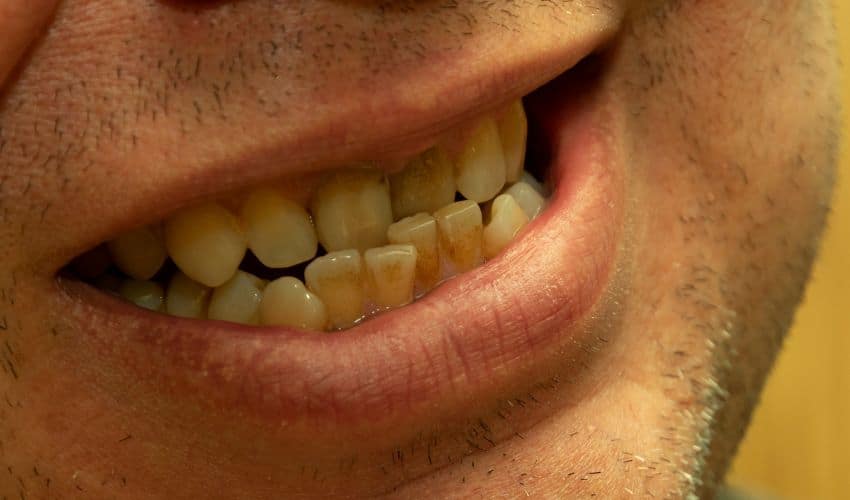
Malocclusion, commonly known as misalignment of the teeth or a “bad bite,” is a prevalent dental condition that affects people of all ages. It can impact not only the aesthetics of a smile but also the overall oral health and functionality of the mouth. This blog post will delve into the types of malocclusion, its causes, symptoms, and the various treatment options available to correct it.
What is Malocclusion?
Malocclusion refers to the improper alignment of the teeth when the jaws are closed. It can manifest in various forms, including overcrowded teeth, overbites, underbites, crossbites, and open bites. Proper alignment ensures that the upper and lower teeth fit together correctly, which is crucial for efficient chewing, speech, and maintaining oral health.
Types of Malocclusion
Malocclusion can be categorized into three main classes:
Class I Malocclusion
This is the most common type, where the bite is normal, but there are issues with the alignment of the teeth, such as crowding or spacing.
Class II Malocclusion
Also known as retrognathism or overbite, this occurs when the upper jaw and teeth significantly overlap the lower jaw and teeth.
Class III Malocclusion
Known as prognathism or underbite, this type occurs when the lower jaw protrudes forward, causing the lower teeth to overlap the upper teeth.
Causes of Malocclusion
Several factors can contribute to the development of malocclusion, including:
Genetic Factors
Malocclusion can be inherited, meaning if parents have misaligned teeth, their children are likely to have similar issues.
Childhood Habits
Prolonged use of pacifiers, thumb sucking, and bottle feeding beyond the infant stage can lead to misalignment of the teeth.
Dental Problems
Early loss of primary teeth, impacted teeth, and irregularly shaped teeth can cause malocclusion. Additionally, improper fitting of dental appliances like braces, crowns, or fillings can also contribute.
Injuries
Trauma or injury to the jaw can alter its alignment, leading to malocclusion.
Symptoms of Malocclusion
Malocclusion can present various symptoms, ranging from mild to severe, depending on the type and extent of misalignment. Common symptoms include:
- Difficulty in Chewing or Biting: Misaligned teeth can make it challenging to bite and chew food properly.
- Speech Difficulties: Malocclusion can affect speech, causing issues like lisping.
- Mouth Breathing: Misalignment can sometimes cause breathing difficulties, leading to mouth breathing.
- Jaw Pain or Discomfort: Misaligned teeth can cause strain on the jaw, leading to pain or discomfort.
- Frequent Biting of Cheeks or Tongue: Irregular alignment can cause accidental biting of the inner cheeks or tongue.
Diagnosing Malocclusion
A dentist or orthodontist typically diagnoses malocclusion during a routine dental examination. The diagnosis involves:
- Visual Examination: The dentist examines the alignment of the teeth and jaws.
- Dental Impressions: Molds of the teeth are created to study their alignment.
- X-rays: Dental X-rays help visualize the position of teeth and roots.
- Cephalometric Analysis: A specialized X-ray of the head that helps in assessing the jaw and teeth alignment.
Treatment Options for Malocclusion
The treatment for malocclusion depends on the severity and type of misalignment. The goal is to correct the alignment of the teeth and jaws to improve functionality and aesthetics. Here are some common treatment options:
Orthodontic Braces
Braces are the most common treatment for malocclusion. They consist of brackets attached to the teeth and connected by wires that gradually move the teeth into the correct position. Braces are typically worn for one to three years, depending on the severity of the misalignment.
Clear Aligners
Clear aligners, such as Invisalign, are an alternative to traditional braces. They are removable, transparent trays that fit snugly over the teeth and gradually shift them into place. Clear aligners are popular among adults and teenagers due to their aesthetic appeal.
Retainers
Retainers are often used after braces or clear aligners to maintain the new position of the teeth. They can be fixed or removable and are usually worn for an extended period to prevent the teeth from reverting to their original position.
Orthognathic Surgery
In severe cases of malocclusion, where the jaw alignment is significantly affected, orthognathic surgery may be necessary. This surgical procedure involves repositioning the jaws to achieve proper alignment.
Tooth Extraction
In cases of severe overcrowding, tooth extraction may be recommended to create space for the remaining teeth to align correctly.
Habit Appliances
For children with habits like thumb sucking or tongue thrusting that contribute to malocclusion, habit appliances can be used to discourage these behaviors and prevent misalignment.
Preventing Malocclusion
While genetic factors cannot be controlled, certain measures can help prevent malocclusion caused by other factors:
- Early Dental Visits: Regular dental check-ups from an early age can help identify and address issues before they become severe.
- Encouraging Good Oral Habits: Discouraging habits like thumb sucking and prolonged pacifier use can prevent misalignment.
- Protecting Against Dental Injuries: Using mouthguards during sports and other activities can prevent jaw injuries that could lead to malocclusion.
Let’s Summing up
Malocclusion is a common dental issue that can impact oral health and quality of life. Understanding its causes, symptoms, and treatment options can help individuals seek timely intervention and achieve better dental health. If you suspect malocclusion, consult with a dental professional to explore the best treatment options for your specific condition. With proper care and treatment, achieving a healthy, aligned smile is within reach.
by 110 Dental & Orthodontics | Jul 3, 2024 | Orthodontics
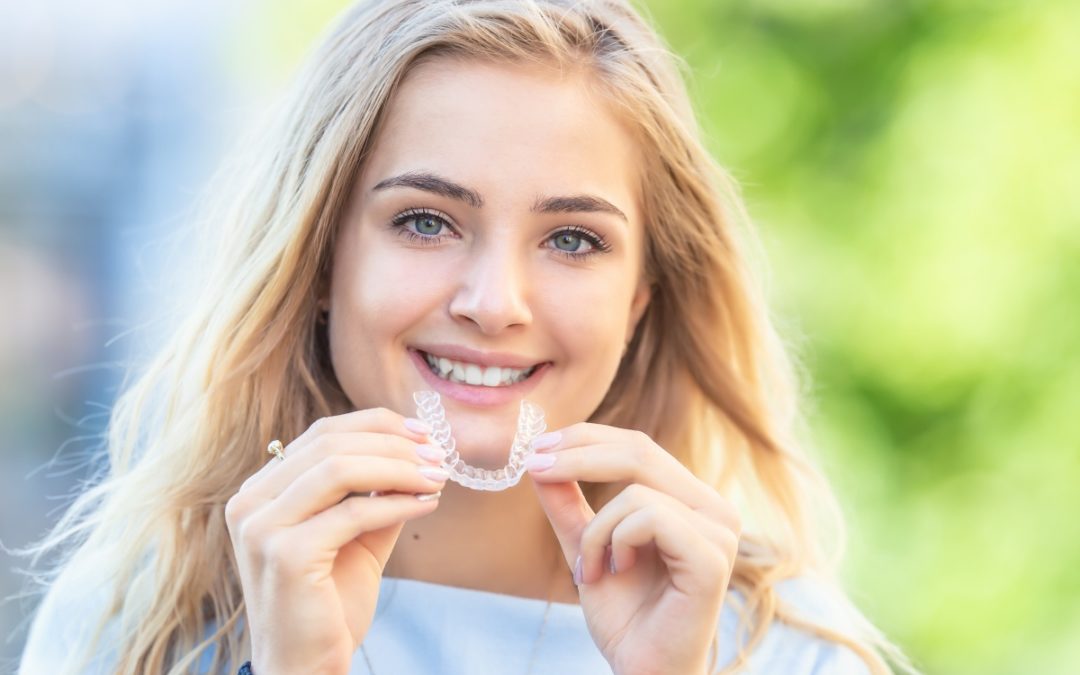
To choose invisalign or not is a big decision, and an important one to discuss with your dentist and orthodontist. If you’re wondering if Invisalign is right for you, here are 7 reasons that may help along the conversation with the dental professionals in your life, and help you determine why it is worth considering.
1. A Good Solution for Many Orthodontic Problems
Invisalign can resolve a lot of bite and cosmetic treatment needs quickly and simply. While there are times when traditional braces may be more appropriate, Invisalign does have excellent outcomes for many different needs.
2. May Be Shorter Treatment Time
Invisalign can mean a shorter treatment period than traditional braces, and for this reason alone, some people would prefer to choose invisalign. Getting teeth straightened is well worth any time put into the effort, but if the treatment time can be shorter, why not?
3. More Control Over Outcome
This is both a benefit and a drawback. How long you wear your invisalign can help keep your teeth on target or delay the treatment outcome, if you aren’t wearing them long enough often enough. This is a good thing for adults who want to be able to take their aligners out for meals and dental care. But this may be a drawback for kids and teens who will not keep aligners in for long periods of time.
4. Dental Hygiene Concerns
Another reason to choose invisalign, dental Hygiene is more likely what you were used to before invisalign aligners. Just take your aligner out and brush and floss as usual. The same applies to dental cleanings or cavity fillings. Don’t let this fool you though, into being any less diligent with dental hygiene. While aligners make it easier, they do encase the teeth, which in itself is an increased risk for tooth decay. Diligent dental hygiene is more important than ever with Invisalign
5. Cost Effective
Generally more cost effective than traditional braces, Invisalign may be a bit lighter on the wallet, if your orthodontist finds you are a good candidate for such a treatment.
6. Aesthetically Pleasing
Clear, subtle, discreet, invisalign is more aesthetically pleasing, and can be harder to notice in social situations. This can be a plus depending on your day to day life.
7. You Can Eat Anything You Like
No dietary restrictions on popcorn or gum. You can enjoy these treats as long as you brush well afterward!
Call our dental office to make an appointment with a dentist who may be able to help you find out more about this topic, and improve your oral health.

by 110 Dental & Orthodontics | Jun 6, 2024 | Orthodontics
A well-aligned smile is not only aesthetically pleasing but also plays a crucial role in maintaining optimal oral health. Orthodontics, a specialized field of dentistry, focuses on aligning teeth and correcting bite issues. In this article, we’ll delve into the importance of orthodontics, how it contributes to oral well-being, and the transformative effects it can have on both appearance and health.
Significance Of Orthodontics
Orthodontics is more than just about creating a beautiful smile – it’s about achieving proper alignment and functionality of teeth and jaws. Misaligned teeth, overbites, underbites, and crowded teeth can lead to a host of oral health problems if left untreated. Orthodontic treatments aim to address these issues, improving both oral function and overall well-being.
How Orthodontics Impacts Oral Well-being?
Improved Oral Hygiene
Crooked or crowded teeth can be difficult to clean effectively, increasing the risk of plaque buildup, cavities, and gum disease. Straight teeth are easier to clean, leading to better oral hygiene.
Reduced Wear and Tear
Misaligned teeth can cause uneven wear on tooth surfaces, leading to premature enamel erosion and potential dental problems. Orthodontic treatment helps distribute bite forces evenly.
Gum Health
Properly aligned teeth create a healthier environment for gums. Misaligned teeth can lead to gum irritation, inflammation, and an increased risk of periodontal disease.
Jaw Alignment
Orthodontics can address bite issues, such as overbites and underbites, which can cause discomfort, difficulty in chewing, and jaw joint problems (TMJ disorders).
Speech Improvement
In some cases, misaligned teeth can affect speech clarity. Orthodontic treatment can improve speech patterns and articulation.
Self-esteem and Confidence
A well-aligned smile can boost self-esteem and confidence. Feeling comfortable with your smile can positively impact social interactions and overall quality of life.
Types Of Orthodontic Treatment
Traditional Braces
Metal braces consist of brackets and wires that gradually move teeth into alignment. They are effective for correcting various orthodontic issues.
Clear Aligners
Clear aligner systems, like Invisalign, use a series of transparent aligners to gradually shift teeth. They are virtually invisible and can be removed for eating and oral hygiene.
Lingual Braces
These braces are placed on the backside of teeth, making them less visible. They are suitable for individuals who desire a discreet treatment option.
Functional Appliances
These appliances are used to correct bite issues and guide jaw growth in growing children.
The Orthodontic Journey
Consultation
The orthodontic journey begins with a consultation, during which the orthodontist assesses your oral health, discusses your goals, and recommends a suitable treatment plan.
Treatment Plan
A personalized treatment plan is created based on your unique needs and desired outcomes.
Treatment Phase
Whether using traditional braces or clear aligners, the treatment phase involves regular adjustments or changing aligners as teeth gradually move into alignment.
Retention
After active treatment, a retainer is typically worn to maintain the new alignment of teeth and prevent them from shifting back.
The Bottom Line
Orthodontics goes beyond creating a straight smile; it plays a pivotal role in oral well-being and overall health. Properly aligned teeth contribute to improved oral hygiene, reduced risk of dental issues, and enhanced self-esteem. Whether through traditional braces or modern aligner systems, orthodontic treatment can transform not only your smile but also your overall oral health and quality of life. Consulting with an orthodontist can set you on a path toward a healthier, more confident future.

by 110 Dental & Orthodontics | Mar 12, 2024 | Orthodontics
What Are The Different Types Of Braces
Orthodontists and dentists specializing in teeth or jaw alignment use dental braces to straighten teeth. There are different reasons people get braces & orthodontic treatment, like improving their appearance or correcting crowding or issues with their bite.
Types of Braces
When you think of braces, you may think of metal brackets and wires surrounding teeth. While metal braces are still standard, many other materials and choices for dental braces are now available.
Traditional Metal Braces
Metal braces are the most common braces, and they are often the least costly option. One downside is that they are the most apparent on your teeth. Metal braces get made of solid and lightweight materials, which are titanium and alloy.
Orthodontists glue metal brackets to the teeth with metal braces, and then a metal wire joins them. Elastics, which come in different colors, hold the wire to the brackets.
Clear Braces
Clear braces can correct the most complex issue of overbites, underbites, and crossbites. The procedure for clear braces is the same as metal braces, except that the materials used are discreet. The brackets are made out of porcelain rather than metal and are colored to match your tooth color. The porcelain brackets can stain over time. Elastics are clear, hardly noticeable, and the archwire can be white to make the braces as discreet as possible. The elastics can be of any color but get switched with new ones at every dental visit.
Invisalign
Invisalign is the best method of straightening teeth that is entirely different from traditional braces. The treatment uses clear, plastic aligners that fit flawlessly over your teeth and get switched every few weeks with new ones. Each new aligner gets designed to move your teeth towards the proper position. Invisalign looks like a mouth guard, except the aligner is set precisely to your teeth. Invisalign braces are removable and taken out for eating, drinking, and flossing.
Self-Ligating Braces
Self-ligating braces look like traditional metal braces. Instead of elastics keeping the wire in position, the bracket itself is equipped with a spring-loaded door to hold the wire. The brackets may be metal or clear since orthodontist adjustments are faster with a fitted wire holder. On the other hand, these types of braces may cost more. One study found that those with self-ligating braces felt more satisfied than those with traditional braces, but the difference was not statistically meaningful.
Lingual Braces
Lingual & metal, both the braces use the same material. However, instead of attaching them to the front teeth, the orthodontist places them on the back or the lingual side of the teeth. The apparent benefit of lingual braces is that they are not seeable from the outside. They are more difficult to access, so you may have trouble keeping them clean. For example, your bite may make it unusable in some cases because you would bump and break brackets too often. Your orthodontist’s job is more complex, so your adjustments could take a long time and be more pricey. Not everyone is a suitable candidate for lingual braces, though.
Braces & Orthodontist In Whitehouse, TX
If you are also suffering from teeth misalignment, crookedness, or overcrowding of teeth, you don’t have to anymore. At 110 Dental & Orthodontics, we have a variety of braces available to help you get s straight & flawless smile in no time. Contact us today to find out which braces will suit your condition the best.

by 110 Dental & Orthodontics | Feb 27, 2024 | Orthodontics
A straight and beautiful smile can boost your confidence and improve your oral health. In the past, metal braces were the go-to option for correcting misaligned teeth. However, with advances in orthodontic technology, Invisalign has emerged as a popular alternative to traditional braces. Invisalign offers a clear and discreet way to straighten teeth, making it an appealing choice for both teens and adults. In this article, we will explore the reasons why Invisalign is the perfect choice for those seeking a more comfortable, convenient, and aesthetic orthodontic treatment.
Why Invisalign Is The Recent Choice?
1. Clear and Virtually Invisible
One of the most significant advantages of Invisalign is its transparent appearance. The aligners are made from clear plastic, making them virtually invisible when worn. Unlike metal braces that are noticeable and may draw unwanted attention, Invisalign allows you to undergo orthodontic treatment discreetly, preserving your natural smile throughout the process.
2. Comfortable and Customized Fit
Invisalign aligners are custom-made for each patient using advanced 3D scanning and computer technology. The aligners are designed to fit snugly over your teeth, providing a comfortable and precise fit. The smooth edges of the aligners also reduce the risk of irritation and sores, which are common with traditional braces.
3. Removable for Easy Oral Hygiene
Invisalign aligners are removable, allowing you to maintain excellent oral hygiene throughout your treatment. Unlike traditional braces, which can make brushing and flossing challenging, Invisalign lets you easily clean your teeth as you normally would. You can remove the aligners before eating, ensuring that food particles do not get trapped, and then place them back in after your meal.
4. No Dietary Restrictions
With traditional braces, certain foods like sticky candies or hard nuts must be avoided to prevent damage to the brackets and wires. In contrast, Invisalign aligners are removable, so there are no dietary restrictions during treatment. You can enjoy all your favorite foods without worrying about damaging your orthodontic appliance.
5. Shorter Treatment Time
Invisalign treatment typically requires fewer visits to the dentist or orthodontist compared to traditional braces. The treatment time with Invisalign varies based on individual needs, but in some cases, it can be completed faster than traditional braces. Additionally, the use of advanced technology in designing Invisalign aligners ensures a more accurate and efficient teeth-straightening process.
6. Reduced Discomfort
While all orthodontic treatments may cause some discomfort as the teeth shift, many patients find Invisalign to be more comfortable than traditional braces. Invisalign aligners exert a gentler force on the teeth, which can result in less soreness and discomfort during the adjustment period.
7. Clear Treatment Plan
Before starting Invisalign treatment, your dentist or orthodontist will create a clear treatment plan using advanced software that shows the expected progression of your teeth over time. This gives you a glimpse of the final result before you even begin, providing reassurance and motivation throughout your orthodontic journey.
8. Suitable for Various Orthodontic Issues
Invisalign is suitable for correcting a wide range of orthodontic issues, including crowding, spacing, crossbite, overbite, and underbite. Whether you require minor adjustments or more complex realignment, Invisalign can address your specific dental needs effectively.
9. Virtual Monitoring and Convenience
Invisalign treatment may involve fewer in-person visits compared to traditional braces. Through virtual monitoring, your dentist or orthodontist can keep track of your progress and make necessary adjustments remotely. This convenience is especially beneficial for those with busy schedules or limited access to dental offices.
The Bottom Line
Say goodbye to metal braces and choose Invisalign for a comfortable, convenient, and aesthetically pleasing orthodontic treatment. With its transparent appearance, customized fit, and removable design, Invisalign offers a discreet way to achieve the smile of your dreams. From shorter treatment time to reduced discomfort, Invisalign addresses various orthodontic issues while providing an enhanced dental experience. Consult with your dentist or orthodontist to see if Invisalign is the right option for you, and embark on your journey towards a straighter and more confident smile.
by 110 Dental & Orthodontics | Feb 6, 2024 | Orthodontics
Orthodontics, the branch of dentistry focused on correcting misaligned teeth and jaws, has a rich history of evolving techniques aimed at improving smiles and overall oral health. In this article, we’ll take a journey through the history of orthodontics, exploring how techniques have developed over time to help individuals achieve lifelong smiles.
Ancient Orthodontics
Orthodontics has ancient roots dating back to early civilizations:
Egyptians and Etruscans
Archaeological findings reveal that ancient Egyptians and Etruscans attempted to straighten teeth using primitive orthodontic devices made of materials like catgut (a type of cord) and gold wires.
Romans
Romans also showed interest in dental alignment, with some using finger pressure to move teeth into more desirable positions.
Greeks
Hippocrates, the ancient Greek physician, wrote about dental irregularities and suggested remedies for correcting them.
The Dawn Of Modern Orthodontics
Modern orthodontics began to take shape in the 18th and 19th centuries:
Pierre Fauchard
Often called the “Father of Modern Dentistry,” Fauchard contributed to orthodontics by introducing the bandeau, a device to expand the arch of the mouth.
Dental Impressions
Advances in dental impressions allowed for the creation of more accurate orthodontic appliances.
20th Century Innovations
The 20th century marked significant advancements in orthodontics
Edward Angle
Often referred to as the “Father of Modern Orthodontics,” Angle developed a comprehensive classification system for malocclusions (misaligned teeth) and introduced various orthodontic techniques and appliances.
Braces
Early 20th-century orthodontics saw the development of braces consisting of bands, wires, and brackets. These laid the foundation for the braces used today.
Headgear and Functional Appliances
Orthodontists introduced headgear and functional appliances to correct complex malocclusions and jaw discrepancies.
Contemporary Orthodontics
Orthodontics continues to evolve in the 21st century
Invisalign
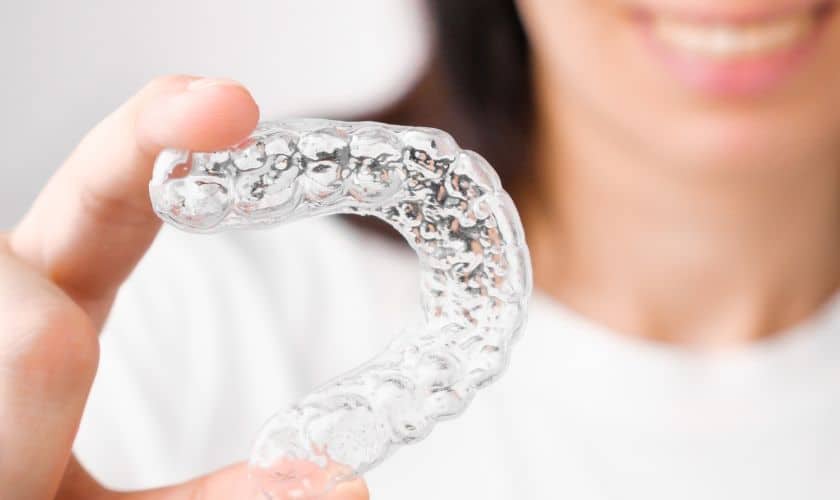
The introduction of Invisalign in 1997 revolutionized orthodontics. Invisalign offers clear, removable aligners that provide a discreet and comfortable way to straighten teeth.
Digital Imaging
Advances in digital imaging have improved treatment planning and monitoring, leading to more precise and efficient orthodontic care.
Customized Treatment
Orthodontic treatment is increasingly tailored to each patient’s unique needs and preferences, optimizing results and patient comfort.
Interdisciplinary Care
Orthodontists often collaborate with other dental specialists to provide comprehensive treatment, ensuring not only straight teeth but also optimal oral health and function.
The Lifelong Impact Of Orthodontics
Orthodontic treatments offer lasting benefits:
Improved Oral Health
Properly aligned teeth are easier to clean and maintain, reducing the risk of tooth decay and gum disease.
Enhanced Function
Correcting bite issues and misalignment improves chewing efficiency and speech.
Boosted Confidence
A straight and attractive smile can boost self-esteem and confidence.
Prevention of Dental Problems
Early orthodontic interventions can prevent more severe dental issues from developing later in life.
The Bottom Line
The evolution of orthodontic techniques has transformed it from ancient practices to modern, patient-centered care. These advancements ensure that individuals of all ages can enjoy lifelong smiles with optimal oral health and function. Orthodontics has truly stood the test of time as a key component of dental care, enhancing smiles and overall well-being.