by 110 Dental & Orthodontics | Apr 16, 2026 | Cosmetic Dentistry, Teeth Whitening
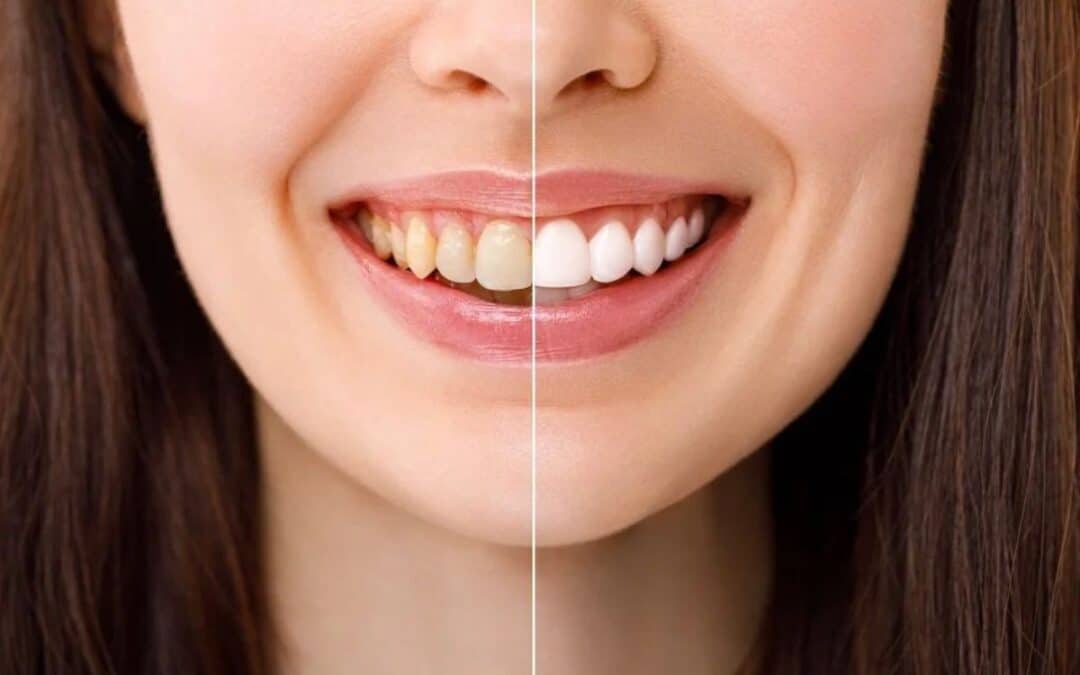
Fluorosis stains can be frustrating. They often appear as white streaks, cloudy patches, or even brown discoloration on teeth. Many people assume that standard whitening treatments will fix the issue quickly. But the reality is more nuanced. Understanding how fluorosis affects enamel is key to choosing the right solution for a brighter smile.
What Is Dental Fluorosis?
Understanding the Condition
Dental fluorosis develops when teeth are exposed to excessive fluoride during early childhood, while enamel is still forming. This alters how enamel mineralizes, leading to visible changes in color and texture.
Common Signs
- White spots or streaks
- Chalky or opaque patches
- Yellow or brown stains in severe cases
- Slight surface irregularities
Unlike surface stains from coffee or tea, fluorosis is intrinsic, meaning it exists within the enamel itself.
Can Teeth Whitening Remove Fluorosis Stains?
The Honest Answer
Teeth whitening can help—but it doesn’t always remove fluorosis stains completely.
Whitening treatments work by lightening the natural color of teeth. They are highly effective on external stains. However, since fluorosis is embedded within the enamel, results can vary.
What Whitening Can Do
- Reduce contrast between stained and unstained areas
- Brighten the overall tooth shade
- Improve the appearance of mild fluorosis
What Whitening Cannot Do
- Fully eliminate deep white or brown patches
- Reshape enamel irregularities
- Deliver uniform results in severe cases
This is why a personalized dental evaluation is essential before choosing any whitening method.
How Whitening Works on Fluorosis
Mild Fluorosis
In mild cases, whitening can significantly improve appearance. By brightening the surrounding enamel, the white spots become less noticeable.
Moderate Fluorosis
Results are mixed. Whitening may lighten the entire tooth but can sometimes make white spots more visible initially. Over time, blending improves.
Severe Fluorosis
Whitening alone is usually not enough. Additional cosmetic treatments may be needed to achieve a balanced look.
Factors That Affect Whitening Results
Several variables influence how well whitening works on fluorosis:
- Severity of discoloration
- Type of whitening treatment used
- Enamel thickness and health
- Consistency of aftercare habits
In clinical settings, professionals often customize whitening approaches based on these factors. For those considering teeth whitening in Whitehouse, TX, a consultation helps determine whether whitening alone will meet expectations or if a combined approach is better.
Lifestyle Habits That Influence Whitening Results
Daily habits play a big role in how long whitening results last. The impact of dietary choices—often described as the effects of food on teeth whitening—can’t be ignored. Dark-colored beverages, acidic foods, and sugary snacks can stain enamel or weaken it over time.
To maintain results:
- Limit coffee, tea, and red wine
- Rinse your mouth after meals
- Maintain consistent oral hygiene
- Use dentist-recommended products
These simple steps help preserve a brighter smile after treatment.
When to Seek Professional Guidance
Not all whitening solutions are equal. Over-the-counter products may not address fluorosis effectively and can sometimes lead to uneven results.
If you are searching for a cosmetic dentist near you, it’s important to choose someone who evaluates your enamel condition carefully and recommends a treatment tailored to your needs. Professional guidance ensures safer, more predictable outcomes.
Information Table: Whitening vs Fluorosis Effectiveness
| Fluorosis Severity |
Whitening Effectiveness |
Additional Treatment Needed |
| Mild |
High |
Rarely |
| Moderate |
Moderate |
Sometimes |
| Severe |
Low |
Often |
Trending FAQs
- Can teeth whitening remove white spots from fluorosis?
It can reduce their visibility but may not remove them completely.
- Does whitening make fluorosis worse?
Initially, spots may appear more noticeable, but blending improves over time.
- What is the best treatment for fluorosis stains?
It depends on severity. Mild cases respond to whitening; severe cases need additional treatments.
- Is fluorosis permanent?
Yes, but its appearance can be improved with cosmetic treatments.
- Can I use whitening strips for fluorosis?
They may help slightly, but are less effective than professional treatments.
Fluorosis stains can be challenging, but they are manageable with the right approach. Whitening can improve the overall look, especially in mild cases, while other treatments may be needed for deeper discoloration. The key is understanding your specific condition and choosing a solution that aligns with it. A professional evaluation ensures safe and effective results tailored to your smile goals. If you’re ready to explore your options, scheduling a consultation can help you take the next step toward a more confident smile.
by 110 Dental & Orthodontics | Jan 9, 2026 | Cosmetic Dentistry, Teeth Whitening
A bright smile often lights up a room and leaves a lasting impression. Many people notice how their grin affects interactions at work or socially. Yet, over time, everyday habits can dull that sparkle, leading to hesitation in showing off teeth. What if a simple dental procedure could restore that vibrancy and spark a surge in self-assurance? This post explores the real impact of such treatments on how you feel and present yourself.
Understanding Professional Teeth Whitening
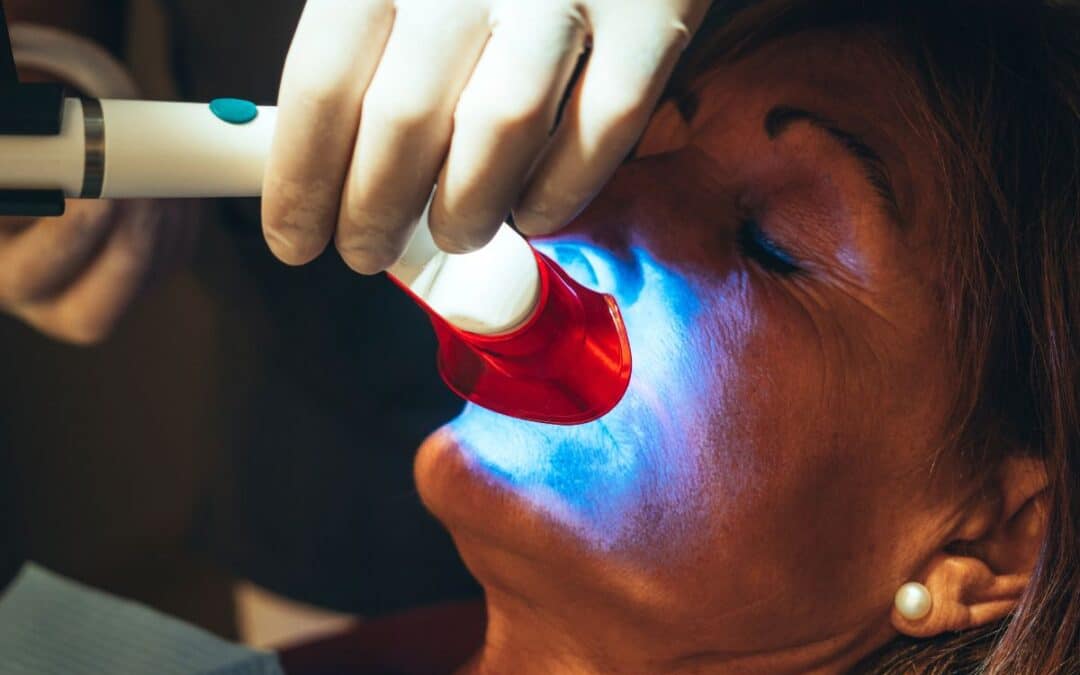
Professional whitening goes beyond over-the-counter options. Dentists use advanced techniques to target deep stains safely. The process involves applying a gel with active ingredients like hydrogen peroxide. This breaks down discoloration from coffee, tea, or tobacco. Sessions typically last an hour in the office, delivering noticeable changes quickly.
At-home kits from dental pros offer another path. These include custom trays filled with gel for nightly use over weeks. Results build gradually but last longer with proper care. Both methods prioritize enamel protection, avoiding damage common in store-bought strips.
The Link Between a Bright Smile and Self-Confidence
A whiter smile can shift how you view yourself. Studies show people with brighter teeth often report higher self-esteem. They smile more freely in photos or conversations. This small change ripples into broader life areas, like job interviews or dates.
Research highlights the emotional perks. For instance, many feel more approachable after treatment. Social perceptions improve too, as others associate white teeth with health and vitality. It’s not just vanity—it’s about feeling empowered daily.
To illustrate key findings, here’s a table of relevant statistics:
| Statistic |
Percentage |
Source Insight |
| Increased confidence post-whitening |
85% |
Patient surveys on self-perception |
| Enhanced social interactions |
90% |
Studies on cosmetic dental impacts |
| Positive effect on mood and professional life |
78% |
Research on Generation-Z participants |
| Improved dental self-confidence |
80% |
Clinical trials on psychosocial outcomes |
These numbers underscore how whitening fosters a positive mindset.
Benefits of Choosing Professional Treatment
Opting for expert care ensures tailored results. Dentists assess your oral health first, addressing any issues like sensitivity. This leads to safer, more effective outcomes compared to generic products.
Professional methods remove stubborn stains that DIY kits miss. They also provide guidance on maintaining brightness, such as avoiding certain foods. Many notice a lift in daily interactions, feeling more engaging and positive.
In areas like Whitehouse, TX, local dental practices emphasize personalized approaches. If you’re considering teeth whitening treatment in Whitehouse, TX, it fits seamlessly into routine care, enhancing your overall dental routine without hassle.
Addressing Common Concerns
Worries about sensitivity often arise. Most experience mild tingling, which fades quickly. Dentists can adjust formulas for comfort. Another concern is uneven results, but pros monitor the process closely.
Longevity varies by habits. Touch-ups every six months keep the glow. Quitting smoking or limiting dark drinks helps too. Overall, the procedure suits most adults with healthy gums.
Trending FAQs on Professional Teeth Whitening
People often search for answers on this popular topic. Based on frequent Google queries, here are key FAQs with straightforward responses:
- How does professional teeth whitening work? It uses a bleaching agent to penetrate enamel and break down stains. In-office lights or lasers activate the gel for faster results.
- Is professional whitening safe for my teeth? Yes, when done by a dentist. It protects enamel better than over-the-counter options and minimizes risks like gum irritation.
- How long do whitening results last? Typically six months to three years, depending on diet and oral hygiene. Regular cleanings extend the effects.
- Can anyone get professional whitening? Most can, but those with gum disease or restorations like crowns may need alternatives. A consultation determines suitability.
- What’s the difference between professional and at-home whitening? Professional offers stronger agents and quicker changes, while at-home is convenient but slower.
These address top concerns, helping you decide informed.
Why Professional Whitening Stands Out
Unlike quick fixes, pro treatments deliver consistent brightness. They tackle intrinsic stains from aging or medications effectively. Many report feeling more vibrant in professional settings.
The procedure aligns with broader cosmetic dentistry goals, like aligning smiles for harmony. It’s a step toward holistic oral wellness, promoting regular check-ups.
Preparing for Your Whitening Journey
Start with a dental exam to ensure readiness. Brush and floss daily to maximize results. Avoid staining foods right after sessions.
If sensitivity worries you, discuss desensitizing options upfront. This prep makes the experience smooth and rewarding.
If you’re looking for a cosmetic dentist nearby you, options abound for expert guidance. A quick chat can clarify your needs in a relaxed setting.
Maintaining Your Newfound Glow
Post-treatment care is key. Use whitening toothpaste for upkeep. Rinse after meals to prevent new stains.
Annual visits reinforce the benefits. Small habits yield big returns in smile quality.
Ready to Shine Brighter?
A professional whitening treatment can truly elevate how you carry yourself. It opens doors to more open smiles and genuine connections. Embrace the change for a more confident you. Take the next step and schedule an appointment today to explore your options.
by 110 Dental & Orthodontics | Oct 21, 2025 | Cosmetic Dentistry, Veneers
Have you ever caught yourself hiding your smile in photos because of stubborn stains on your teeth? You’re not alone. Many people deal with tooth discoloration that affects their confidence in everyday situations, like chatting with friends or speaking at work. The good news is modern dentistry offers effective ways to brighten things up. In this post, we’ll explore one popular solution that can give you a fresh, natural-looking grin.
Understanding Tooth Discoloration
Tooth discoloration comes in two main types. Extrinsic stains sit on the surface from foods, drinks, or smoking. Intrinsic stains go deeper into the enamel due to factors like medications or aging.
Common causes include coffee, tea, red wine, and tobacco. Some people face discoloration from fluoride exposure or trauma. These issues can make teeth look yellow, brown, or gray.
Whitening treatments work for mild cases. But severe discoloration often needs more advanced options. That’s where cosmetic procedures step in to restore appearance.
What Are Dental Veneers?
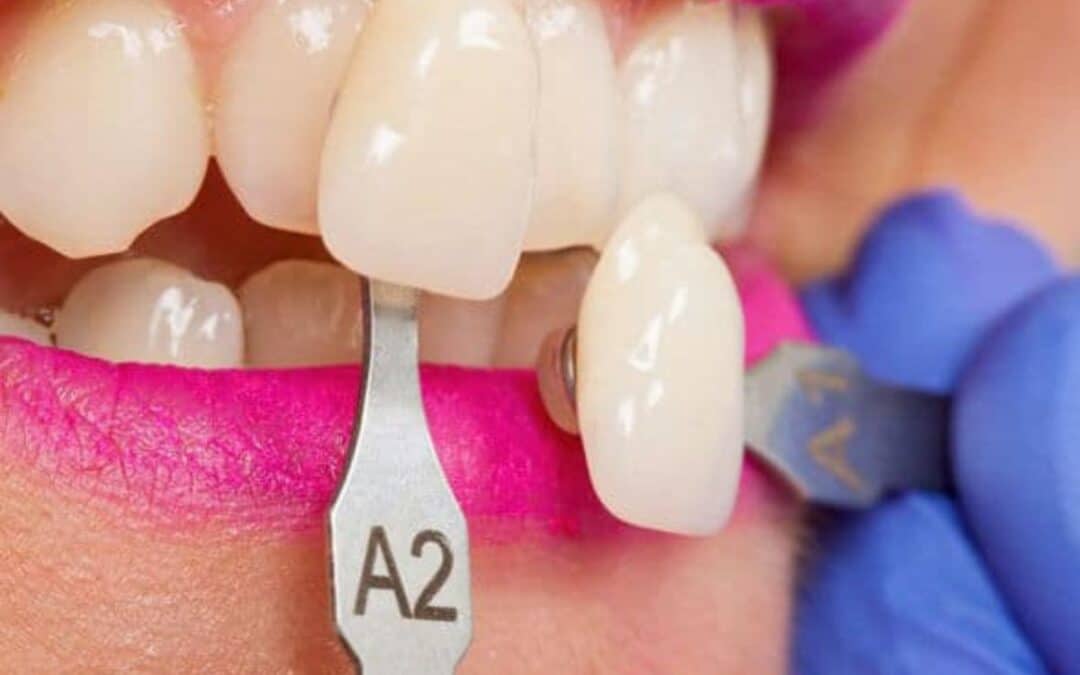
Dental veneers are thin shells that cover the front of teeth. They mimic natural enamel in look and feel. Porcelain veneers resist stains well. Composite ones use resin material for quicker application.
These shells bond directly to teeth. They hide imperfections like chips or gaps too. Many choose them for a uniform smile makeover.
Porcelain options last longer due to durability. They reflect light like real teeth. Composite veneers suit minor fixes and can be repaired easily.
How Veneers Address Discolored Teeth
Veneers work by masking stains completely. A dentist prepares the tooth surface lightly. Then, they attach the custom shell.
This covers even deep intrinsic discoloration. Whitening can’t always reach those. Veneers provide a barrier against future stains.
The color matches surrounding teeth perfectly. Labs craft them for a seamless fit. Patients see immediate results after placement.
In areas like East Texas, locals often seek these treatments for lasting brightness. For instance, veneers in Whitehouse, TX, help many regain their sparkle amid busy lifestyles.
The Veneer Application Process
It starts with a consultation. Your dentist examines teeth and discusses goals. They take impressions for custom design.
Next comes preparation. A small enamel layer gets removed. This ensures a snug fit without bulkiness.
Temporary veneers protect teeth while waiting. The final ones bond using special adhesive. Light cures the bond for strength.
Follow-up adjusts for comfort. The whole process takes two to three visits usually.
Benefits Beyond Discoloration
Veneers do more than hide stains. They strengthen weakened teeth. This helps with minor alignment issues too.
For those with wear from habits, they restore shape. Veneers for teeth grinding offer protection by rebuilding enamel lost to bruxism, preventing further damage.
They boost self-esteem in social settings. A brighter smile encourages more interactions. Many report feeling more outgoing after treatment.
Potential Drawbacks and Considerations
Veneers aren’t reversible. Enamel removal is permanent. Good candidates have healthy gums and enough enamel.
They may chip if you bite hard objects. Night guards help if grinding is an issue. Regular check-ups maintain them.
Sensitivity can occur initially. It fades as teeth adjust. Choose an experienced provider for best outcomes.
Trending FAQs on Veneers for Discolored Teeth
People often search for answers to common questions about this topic. Here are some frequently asked ones based on popular Google queries, with straightforward responses:
- Do veneers permanently fix discolored teeth? Veneers provide a long-term cover for discoloration, but they’re not indestructible. With proper care, they can last 10-20 years before needing replacement.
- Can veneers be placed on severely stained teeth? Yes, they’re ideal for stubborn stains that whitening skips. They mask deep discoloration effectively for a natural appearance.
- How long do dental veneers last? On average, porcelain veneers endure 10-15 years, while composite ones may need touch-ups sooner, depending on habits like diet or grinding.
- Are veneers better than whitening for discoloration? For mild stains, whitening works fine. But veneers excel at covering permanent or intrinsic discoloration that resists bleaching.
- Can you get veneers if you have crooked teeth? Veneers can improve minor misalignments along with discoloration, but severe cases might need orthodontics first for optimal results.
These address key concerns and help in decision-making.
Veneers Success Statistics
Here’s a quick table with key stats on veneers, drawn from clinical studies. It shows their reliability over time.
| Aspect |
Statistic |
Insight |
| Survival Rate at 5 Years |
96% |
Most remain functional without issues. |
| Survival Rate at 10 Years |
93% |
High durability with proper care. |
| Success on Vital Teeth |
96% |
Better outcomes on healthy teeth. |
| Overall Longevity |
10-20 Years |
Depends on material and maintenance. |
These numbers highlight why veneers are a trusted choice.
Maintenance Tips for Lasting Results
Keep veneers shining with daily habits. Brush twice a day with non-abrasive toothpaste. Floss to prevent gum issues.
Avoid staining foods in excess. Use a straw for dark drinks. Quit smoking for better oral health.
Wear a night guard if grinding persists. Schedule cleanings every six months. This extends veneer life.
Touch-ups might be needed over time. Follow your dentist’s advice for personalized care.
If you are searching for a “cosmetic dentist near you“, consider one who specializes in smile enhancements. They can guide you through options tailored to your needs. A quick chat can clarify if veneers suit your situation.
Many find the transformation worthwhile. It opens doors to more confident days. Remember, a healthy smile starts with informed choices.
Ready to brighten your grin? Call 903-328-6577 today to schedule an appointment and discuss your options. Your journey to a radiant smile awaits.
by 110 Dental & Orthodontics | Oct 14, 2025 | Cosmetic Dentistry
Have you ever wondered why some dental visits focus on check-ups and cleanings, while others aim to brighten your smile? Many people mix up these two fields. This post breaks it down simply. You’ll learn how each plays a unique role in your oral care. By the end, you’ll feel more confident about your next appointment.
Understanding General Dentistry
General dentistry forms the foundation of oral health. It emphasizes prevention and treatment of common issues. Dentists in this field handle routine exams. They spot problems early. Cleanings remove plaque and tartar. This stops cavities and gum disease.
Fillings repair damaged teeth. Root canals save infected ones. Extractions handle severe cases. These services keep your mouth functional. They promote long-term wellness. Regular visits build a strong base. This reduces future complications.
In areas like East Texas, general dentists often see patients for family care. They treat all ages. This includes kids’ first check-ups. Adults get ongoing maintenance. Seniors receive specialized attention. The goal stays the same: healthy teeth and gums.
Key Services in General Dentistry
General dentists offer a range of procedures. Exams use X-rays for detection. Sealants protect young teeth. Fluoride treatments strengthen enamel.
For issues, crowns restore shape. Bridges replace missing teeth. Dentures aid those with multiple losses. These focus on function over looks. Yet, they improve daily life. Eating and speaking become easier.
Education plays a big part. Dentists teach brushing techniques. They advise on diet impacts. This empowers patients. Better habits lead to fewer visits.
Exploring Cosmetic Dentistry
Cosmetic dentistry enhances appearance. It builds on general care. Procedures make smiles more appealing. Teeth whitening lifts stains. This brightens your look quickly.
Veneers cover imperfections. They fix chips or gaps. Made from thin shells, they bond to teeth. Results look natural. Many choose this for a polished smile.
In Whitehouse, TX, locals often seek these options. A cosmetic dentist in Whitehouse, TX, can guide you through choices. They assess your needs first.
These services boost confidence. A better smile affects social interactions. Job interviews may go smoother. Self-esteem rises with each grin.
Popular Cosmetic Procedures
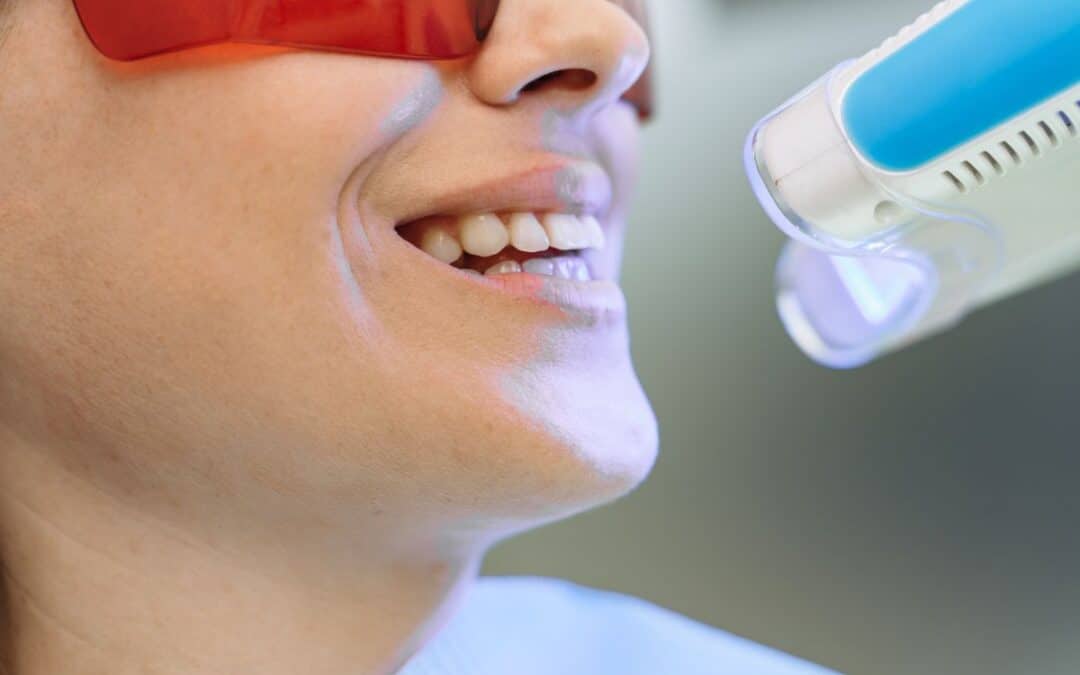
Whitening uses safe gels. Sessions last an hour. Take-home kits extend results. Veneers involve minimal prep. Impressions ensure a custom fit.
Both require healthy teeth underneath. General check-ups come first. This ensures lasting outcomes. Maintenance involves good hygiene.
Trends show more adults opting in. Social media influences choices. People want camera-ready smiles. Dentists adapt to demands.
The Main Differences Between the Two
General dentistry prioritizes health. It prevents and treats diseases. Cosmetic focuses on aesthetics. It improves visual appeal.
General is essential for everyone. Cosmetic is elective. Yet, they overlap. A filling can be tooth-colored. This blends function with beauty.
Training differs slightly. All dentists start with general education. Cosmetic requires extra courses. Experience hones skills.
General visits happen twice yearly. Cosmetic depends on goals. Some need one session. Others plan multiple steps.
In practice, many dentists offer both. This provides comprehensive care. Patients benefit from one-stop service.
Statistics on Dental Procedures
Here’s a table showing key stats on dental procedures in the US:
| Procedure Type |
Popularity (%) |
Annual Procedures (Millions) |
Growth Rate (Last 5 Years) |
| General Cleanings |
85 |
200 |
5% |
| Teeth Whitening (Cosmetic) |
80 among adults 18-49 |
20 |
200% |
| Fillings (General) |
70 |
150 |
Stable |
| Veneers (Cosmetic) |
15 |
5 |
10% |
| Root Canals (General) |
25 |
15 |
2% |
These numbers highlight rising interest in aesthetics. Sources include AACD and ADA reports.
Benefits of Combining Both Approaches
Blending general and cosmetic yields best results. Healthy teeth support enhancements. Cosmetic transformations in dentistry often start with basics.
Fix issues first. Then enhance. This ensures durability. A whitened smile lasts longer on clean teeth.
Patients report higher satisfaction. They feel cared for holistically. Confidence soars. Daily life improves.
Dentists recommend integrated plans. Assessments cover both needs. This tailors care effectively.
Addressing Common Concerns
Many worry about procedure comfort. Modern techniques minimize pain. Sedation options help anxious patients.
Durability matters too. Whitening needs touch-ups. Veneers last 10-15 years with care.
Suitability varies. Not everyone qualifies. Consultations clarify options.
In small towns, access feels limited. Yet, local experts provide quality. Travel isn’t always needed.
Trending FAQs on Cosmetic and General Dentistry
Here are some frequently asked questions based on popular Google searches:
- What is the main difference between cosmetic and general dentistry? General dentistry focuses on oral health maintenance and disease treatment, like cleanings and fillings. Cosmetic dentistry aims to improve smile appearance through procedures such as whitening or veneers.
- Do I need a general dentist before seeing a cosmetic one? Yes, often. General care ensures your teeth are healthy enough for cosmetic work. Issues like decay must be addressed first for best results.
- How long do cosmetic procedures like veneers last? Veneers typically last 10-15 years. Proper oral hygiene and regular check-ups extend their lifespan.
- Is teeth whitening safe for everyone? It’s safe for most with healthy teeth and gums. Dentists evaluate suitability to avoid sensitivity or other issues.
- Can general dentistry procedures also improve appearance? Absolutely. Tooth-colored fillings or crowns blend function with aesthetics, offering a natural look.
These answers address top concerns from online queries.
If you are searching for a “cosmetic dentist near you,” consider local options that specialize in whitening and veneers. They can provide personalized advice. This makes the process straightforward.
Many in East Texas value combined care. It fits busy lifestyles. Schedule regular visits for ongoing benefits.
Ready to enhance your smile? Call at 903-328-6577 to schedule an appointment. Your journey to better oral health starts today.
by 110 Dental & Orthodontics | Sep 8, 2025 | Cosmetic Dentistry, Teeth Whitening
Have you noticed your smile losing its youthful sparkle over the years? It’s a subtle shift that many people experience, often leaving them wondering what’s behind it. As we navigate life’s milestones, our teeth tell a story of time passed. But understanding this process can empower you to take steps toward a brighter, more confident grin. Let’s dive into the science and solutions that keep your smile shining.
Understanding Tooth Structure Basics
Teeth have layers that work together. The outer layer is enamel, hard and protective. Beneath it lies dentin, softer and yellowish. Pulp sits at the center, housing nerves and blood vessels.
Enamel acts as a shield. It blocks stains and keeps teeth white. Dentin provides support but shows color when exposed.
Over time, these layers change. Daily wear affects them differently. Knowing this helps explain color shifts.
The Role of Enamel in Maintaining Brightness
Enamel is translucent and white. It reflects light for a bright appearance. But it’s not invincible.
Acids from food erode it slowly. Brushing too hard wears it down. These habits thin the layer.
Thinner enamel reveals dentin below. This makes teeth look duller. Genetics play a part too. Some people start with thinner enamel.
How Age Contributes to Enamel Thinning
Aging naturally thins enamel. Years of chewing create micro-wear. Acidic drinks speed this up.
By middle age, many notice changes. Dentin thickens as we grow older. It darkens from internal shifts.
Studies show color changes peak after 50. Teeth become less translucent. This leads to a yellowish tint.
Lifestyle adds to it. Coffee, tea, and wine leave pigments. Smoking accelerates darkening.
External Factors That Accelerate Darkening
- Food and drinks stain surfaces. Berries, soy sauce, and curry cling to enamel. Regular exposure builds up.
- Tobacco products cause deep stains. They penetrate layers over time.
- Medications like antibiotics affect color. Some cause intrinsic discoloration from within.
- Dental trauma darkens teeth, too. Injuries damage pulp, leading to gray tones.
- Poor oral hygiene lets plaque build up. This traps stains and worsens the issue.
Preventive Measures for a Lasting Bright Smile
- Brush twice daily with fluoride toothpaste. It strengthens enamel against wear.
- Floss to remove debris. This prevents stain buildup between teeth.
- Limit staining foods. Rinse your mouth after consuming them.
- Use a straw for dark drinks. It minimizes contact with teeth.
- Regular dental checkups catch issues early. Cleanings remove surface stains effectively.
Trending FAQs on Aging and Tooth Darkening
Many people search for answers on this topic. Here are some frequently asked questions based on common online queries, with straightforward responses:
- Why do teeth turn yellow as you age?
Enamel thins naturally, exposing the yellowish dentin underneath. Accumulated stains from daily habits intensify this.
- Can you prevent teeth from darkening with age?
Yes, by maintaining good oral hygiene, limiting staining foods, and getting professional cleanings. Protective sealants can help, too.
- What foods cause teeth to stain the most?
Dark beverages like coffee and red wine, plus foods such as berries, tomato sauce, and balsamic vinegar are top culprits.
- Is tooth discoloration reversible?
Surface stains often are, through whitening treatments. Deeper changes may need professional options like veneers.
- How does enamel thinning affect tooth color overall?
It reduces the white outer layer, making the dentin more visible and giving teeth a darker appearance.
These address key concerns and offer quick insights.
Statistics on Tooth Discoloration
Here’s a quick look at some relevant data on how discoloration affects people as they age:
| Age Group |
Percentage with Noticeable Discoloration |
Common Cause |
| 20-30 |
15-20% |
Extrinsic stains from diet |
| 31-50 |
30-40% |
Enamel wear and lifestyle factors |
| 51+ |
50-60% |
Intrinsic changes and dentin exposure |
These figures highlight the progressive nature of the issue, drawn from dental health surveys.
If you’re in the area and looking for effective solutions, consider teeth whitening in Whitehouse, TX. Local providers offer tailored treatments that fit busy lifestyles.
Exploring Gentle Brightening Methods
- Over-the-counter kits provide at-home convenience. They use gels to lift stains gradually.
- Professional in-office sessions deliver faster results. They employ stronger agents under supervision.
- Natural remedies like baking soda help mildly. Mix it with water for a gentle scrub.
- Always consult a dentist first. They ensure methods suit your teeth.
Safe teeth whitening options include those with ADA approval. They minimize sensitivity while brightening effectively.
Lifestyle Tips to Combat Darkening
- Stay hydrated. Water washes away food particles.
- Chew sugar-free gum. It boosts saliva to neutralize acids.
- Incorporate crunchy veggies. They naturally clean teeth.
- Quit smoking if applicable. It halts further staining.
- Protect teeth from injury. Use mouthguards during sports.
These habits slow the process. They promote overall oral health.
When to Seek Professional Advice
Notice sudden color changes? It might signal issues.
Persistent stains despite efforts warrant a visit.
Dentists assess underlying causes. They recommend personalized plans.
Early intervention preserves your smile. It boosts confidence, too.
If you are searching for a “cosmetic dentist near me” in Whitehouse, TX, you’re taking a smart step toward revitalizing your grin. Local experts understand regional needs and offer welcoming consultations.
Your smile evolves, but it doesn’t have to dim. Embrace these insights to keep it vibrant. Ready to brighten up? Call (903) 328-6577 to schedule an appointment today.
by 110 Dental & Orthodontics | Aug 20, 2025 | Cosmetic Dentistry
Many folks dream of a brighter, straighter smile. Yet, teeth grinding often raises doubts about cosmetic fixes. This post dives into whether veneers are suitable for those with bruxism. We’ll cover basics, risks, and smart steps forward. Stick around for helpful tips.
Understanding Bruxism
Bruxism means grinding or clenching teeth. It happens during sleep or awake times. Stress, sleep issues, or misaligned bites often trigger it. Over time, it wears down enamel. This leads to sensitivity or cracks. In Whitehouse, TX, locals face similar stressors as anywhere. Spotting signs early helps. Jaw pain or headaches signal trouble. Dentists check for flattened teeth or tight muscles.
What Are Dental Veneers?
Veneers are thin shells bonded to teeth. They hide chips, stains, or gaps. Made from porcelain or composite, they mimic natural looks. The process involves minor enamel removal. Then, custom fits get placed. Results last year with care. People choose them for quick smile boosts.
The Link Between Bruxism and Veneers
Grinding puts heavy force on teeth. Normal chewing uses 20-40 pounds. Bruxism ramps that to hundreds. Veneers might chip or crack under stress. Studies show lower success without protection. One report notes 60% survival in grinders. Yet, many succeed with safeguards. Dentists assess severity first.
Can Veneers Work for You?
Yes, often with planning. Mild cases allow veneers if managed. Severe grinding needs addressing first. Night guards shield during sleep. These custom devices absorb force. A study found only 1.1% failure with splints. In areas like Whitehouse, TX, patients report good outcomes. Always consult pros for tailored advice.
Dental veneers in Whitehouse, TX, offer locals a way to restore worn smiles from grinding.
Managing Bruxism Before Veneers
Control grinding first. Stress reduction helps. Try yoga or therapy. Bite adjustments fix alignment. Botox relaxes jaw muscles in tough cases. Regular check-ups monitor progress. Once stable, veneers become viable. This approach boosts longevity.
Alternatives to Veneers for Grinders
If veneers seem risky, consider crowns. They cover the whole tooth for more strength. Bonding repairs minor wear. Orthodontics straightens bites to cut grinding. Invisalign works well for mild issues. Each option suits different needs. Discuss with your dentist.
A local cosmetic dentist can guide you through choices based on your habits.
Trending FAQs on Veneers and Bruxism
People often search for quick answers on this topic. Here are some frequently asked questions from online trends, with clear replies:
- Can veneers fix teeth worn down from grinding?
Yes, they restore shape and look. But treat bruxism first to avoid new damage.
- Do night guards protect veneers from bruxism?
Absolutely. Custom guards worn at night prevent grinding forces from harming veneers.
- Are there special veneers for people who grind their teeth?
Porcelain ones are durable. Some dentists use stronger materials for bruxers.
- What happens if I start grinding after getting veneers?
It could cause chips. See your dentist right away for a protective splint.
- Is bruxism a deal-breaker for veneers?
Not always. Many patients succeed with proper management and follow-up care.
Key Statistics on Bruxism and Veneers
Bruxism affects many. Check this table for quick facts:
| Aspect |
Statistic |
| Adult prevalence |
10-15% grind regularly |
| Force during grinding |
Up to hundreds of pounds |
| Veneer success overall |
91% over 20 years |
| Success with bruxism |
Drops to 60% without guards |
| With a protective splint |
98.9% success rate |
These numbers highlight why protection matters.
If you are searching for a cosmetic dentist near you serving in Whitehouse, TX, options abound for personalized care.
Wrapping Up
Teeth grinding doesn’t have to block your smile goals. With the right steps, veneers can transform looks. Stay informed and proactive. Ready for the next moves? Call 903-328-6577 to schedule an appointment today.