by 110 Dental & Orthodontics | Feb 20, 2026 | Braces, Orthodontics
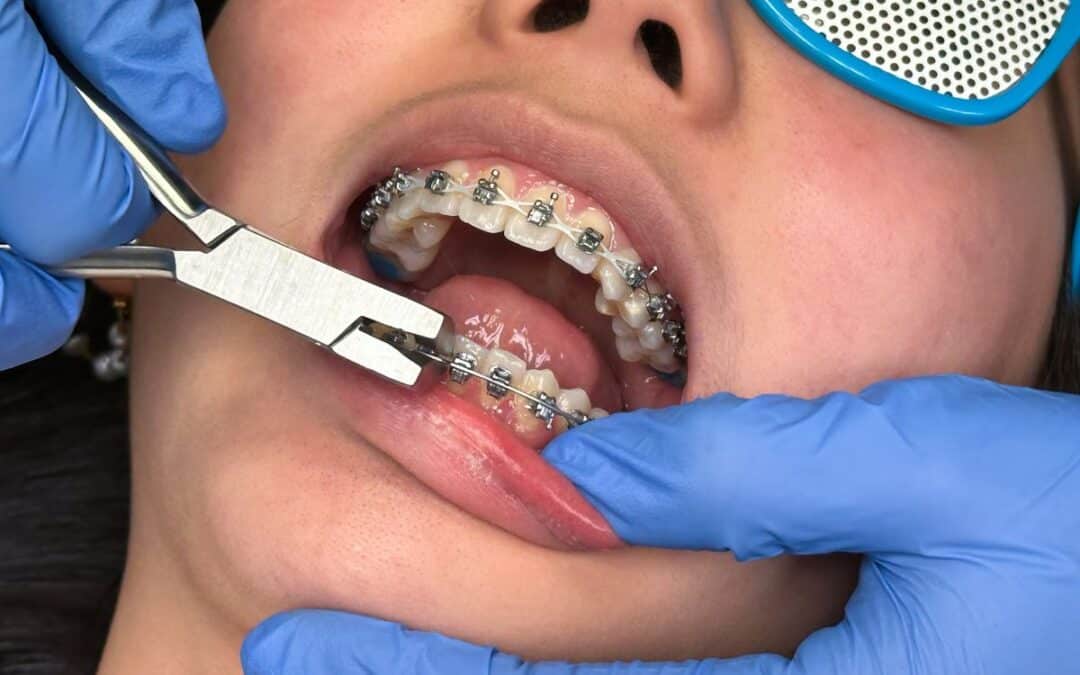
Braces transform smiles by aligning teeth over time. Many patients, however, face a surprise: gums start bleeding more often during brushing or flossing. This change feels alarming but usually has straightforward explanations. With consistent care, most people see improvement quickly. Let’s break down the causes and share practical steps to restore comfort and health.
Understanding Gum Bleeding with Braces
Braces apply gentle pressure to move teeth. Gums respond to this shift with temporary sensitivity. The hardware also changes how you clean your mouth.
Food particles stick more easily around brackets and wires. Plaque builds up faster in those spots. Bacteria then irritate the gum tissue.
Gingivitis often develops as a result. It’s the early, reversible form of gum disease. Symptoms include redness, swelling, and bleeding. Research shows orthodontic patients experience higher rates of this due to cleaning difficulties.
Common Causes of Increased Bleeding
Hygiene challenges rank highest. Standard brushing misses areas near brackets. Flossing feels awkward at first.
Tightening appointments cause short-term soreness. Gums may bleed briefly after adjustments as tissues adapt.
Metal parts sometimes rub soft tissue. This leads to minor irritation or small abrasions.
Hormones influence gum reactions too. Growing teens often notice more sensitivity during treatment.
Dietary choices matter. Sugary or acidic items fuel bacteria and inflame gums further.
How Braces Impact Oral Health
Appliances create new surfaces for plaque. Complete removal becomes tougher without adapted techniques.
Bacteria release acids that harm gum tissue. Bleeding acts as an early warning sign from your body.
In places like Whitehouse, TX, patients getting braces in Whitehouse, TX benefit from local guidance on routines that prevent escalation. Consistent habits keep complications low.
Occasional tissue overgrowth around brackets appears. Known as hyperplasia, it typically resolves with better care.
Prevention Strategies for Healthier Gums
Switch to a soft-bristled brush. Hold it at a 45-degree angle to the gumline. Use gentle circular motions for full two minutes, twice a day.
Electric toothbrushes excel at reaching tight spaces. Their vibrations dislodge debris effectively.
Floss every day using threaders or water flossers. These tools glide under wires without hassle.
Add an antimicrobial mouthwash rinse. It cuts bacterial levels. Fluoride options also protect enamel.
Pick braces-friendly foods. Go for soft produce and avoid chewy or sticky treats.
Drink plenty of water. It naturally rinses particles and boosts saliva flow.
Addressing Yellow Stains on Braces Bands
Patients sometimes point out yellow stains on braces bands during visits. These often come from plaque or food pigments building up over time. A professional polish refreshes the look, and we can suggest small tweaks to your daily routine to keep them minimal moving forward.
When to Seek Professional Help
Bleeding that lingers beyond a week deserves attention. Contact your provider promptly.
Watch for infection signs like pus, fever, or severe swelling. Act quickly on these.
Regular professional cleanings every six months remove hidden buildup. They support your home efforts.
Trending FAQs on Gum Bleeding with Braces
Online searches reveal common concerns. Here are answers to frequently asked questions drawn from popular queries:
- Is it normal for gums to bleed when you first get braces? Yes, early bleeding is typical from adjustment pressure and initial irritation. It often calms within days with diligent care.
- How do I stop my gums from bleeding with braces? Focus on thorough brushing, daily flossing with tools, and mouthwash use. Persistent cases benefit from professional evaluation.
- Why do my gums bleed when I floss with braces? Flossing removes plaque that irritates already sensitive gums. Regular practice helps gums toughen and bleeding decrease.
- Can braces cause permanent gum damage? Rarely, with good hygiene. Untreated gingivitis might lead to recession, but prompt action usually prevents long-term issues.
- What toothpaste is best for bleeding gums with braces? Choose fluoride formulas with anti-gingivitis agents. Skip highly abrasive types that could damage hardware.
Statistics on Gum Health During Orthodontic Treatment
Key data from studies highlights the value of proactive steps:
| Issue |
Prevalence in Braces Wearers |
Notes |
| Gingival Inflammation |
Up to 70% in first year |
Tied to plaque around brackets; hygiene resolves most cases. |
| Bleeding on Probing |
50-60% increase |
Bacterial buildup main factor; cleanings lower risk. |
| Gingival Recession |
2-3% post-treatment |
Uncommon; linked to neglected care. |
| Plaque Accumulation |
40% higher than non-wearers |
Extra surfaces from braces; daily tools help control it. |
These numbers show why routines make a big difference. Early habits reduce risks sharply.
Additional Tips for Comfort
Apply orthodontic wax over sharp edges. It prevents rubbing.
Use approved pain relievers for soreness. Stick to recommended doses.
Gently massage gums with clean fingers after eating. It promotes circulation.
Note patterns in a simple journal. Share observations at check-ups.
If you are searching for an orthodontist near you in Whitehouse, TX, nearby experts offer tailored support for your specific situation.
Long-Term Benefits of Managing Gum Health
Good gum care now supports successful alignment later. Healthy tissues hold teeth in place better.
Fewer bleeding episodes keep treatment smooth. Progress continues without delays.
After braces, strong gums maintain your results. Retainers work more effectively.
Oral health ties to overall wellness. Protected gums lower risks for broader issues.
Build these habits today. They create benefits that last a lifetime.
Your orthodontic experience improves dramatically with attention to gum health. Small daily changes yield big rewards in comfort and results. Schedule an appointment, visit or give us a call—we’re here to help you every step of the way.
by 110 Dental & Orthodontics | Dec 12, 2025 | Braces
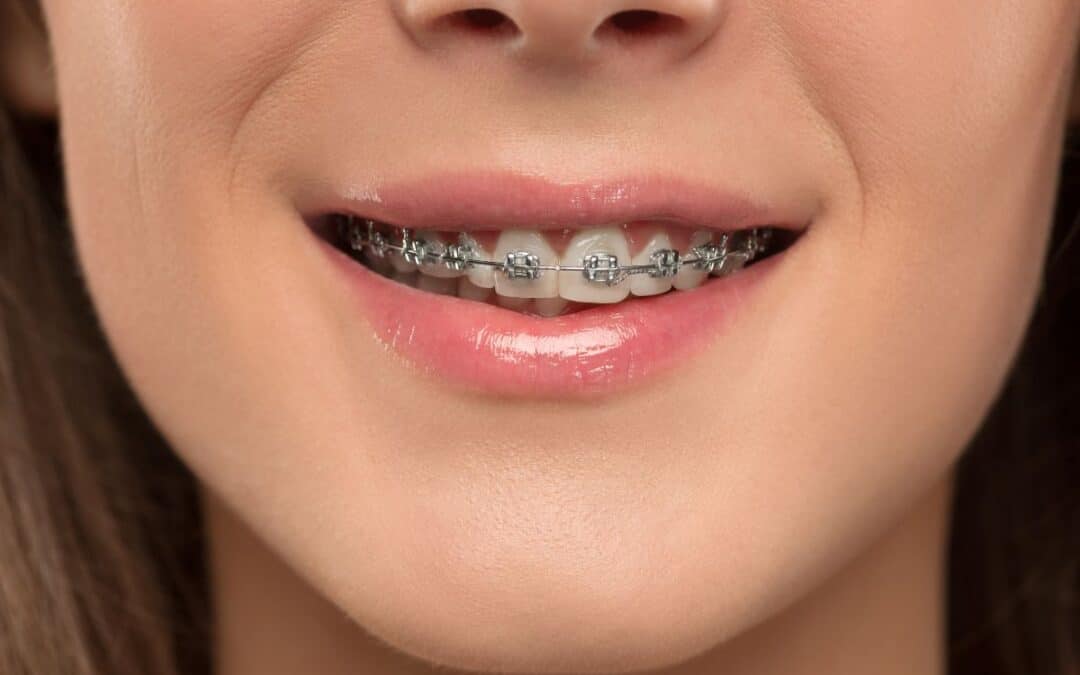
Getting braces marks an exciting step toward a straighter smile. Many people wonder about the maintenance involved. Regular adjustments play a key role in guiding teeth into place. This process keeps everything moving smoothly. You’ll gain confidence as progress unfolds. Let’s dive into what makes these visits essential and how they fit into your routine.
Understanding Braces and Their Role
Braces work by applying steady pressure to shift teeth over time. They consist of brackets, wires, and bands. Each part contributes to alignment. Wires connect the brackets and create the force needed. As teeth move, the setup requires updates to maintain effectiveness. This ensures consistent results without setbacks.
Orthodontists design plans based on individual needs. Factors like age and bite issues influence the approach. Teens often see quicker changes due to growing jaws. Adults might need longer due to denser bones. Personalized care leads to better outcomes.
The Purpose of Tightening and Adjustments
Adjustments keep the pressure optimal. Without them, progress stalls. Orthodontists replace or bend wires during visits. They may add elastics for extra support. These changes guide teeth precisely. Each session builds on the last.
Tightening isn’t just about wires. It’s a check on overall health too. Professionals spot early issues like bracket damage. They ensure hygiene routines prevent problems. This proactive step avoids complications down the line.
Typical Frequency of Braces Adjustments
Most patients visit every 4 to 6 weeks for adjustments. This interval allows teeth to respond without overwhelming force. Some cases extend to 8 weeks as stability increases. Early stages might require closer monitoring. Your specialist tracks movement and tweaks the timeline accordingly.
Self-ligating braces adjust more gradually. They use clips instead of ties. This can mean fewer tightenings overall. Traditional types follow the standard schedule. Always follow your provider’s guidance for the best pace.
Variations depend on treatment complexity. Crowded teeth might need frequent tweaks. Mild alignments could space out visits. Consistent attendance keeps everything efficient.
What Happens During an Adjustment Appointment
Appointments last about 20 to 30 minutes. The orthodontist examines progress first. They remove old wires if needed. New ones get threaded through brackets. Elastics might be swapped for fresh ones.
You might feel mild pressure right after. This fades within days. Tools like wax help with any irritation. The process is straightforward and quick.
Preparation helps. Eat soft foods beforehand. Brush thoroughly to make checks easier. Relax knowing it’s a routine step toward your goal.
Managing Discomfort After Tightening
Soreness is common post-adjustment. It peaks in the first day or two. Over-the-counter relief can ease it. Rinse with saltwater for soothing effects. Stick to yogurt, soups, and smoothies initially.
Avoid hard or sticky items. They could bend wires. Gentle chewing minimizes strain. As your mouth adapts, comfort returns quickly.
If pain persists, reach out promptly. Unusual swelling warrants attention. Most issues resolve with simple care.
With braces, locals in Whitehouse, TX, benefit from tailored approaches that take regional lifestyles into account. Active communities here mean many seek durable solutions. Providers focus on minimizing disruptions to daily life.
Factors Influencing Adjustment Schedules
Tooth movement speed varies by person. Genetics plays a part. Compliance with instructions affects timing, too. Wearing elastics as directed speeds things up.
Oral habits impact frequency. Thumb-sucking or tongue-thrusting might require extra visits. Breaking these helps maintain momentum.
Age groups differ. Kids adapt faster during growth spurts. Adults need patience but achieve great results.
Trending FAQs on Braces Tightening and Adjustments
Many search for quick answers on this topic. Here are some frequently asked questions based on common online queries, with clear responses:
- How long does pain last after braces are tightened? Discomfort usually subsides in 2 to 5 days. It feels like soreness from exercise.
- What should I eat after a braces adjustment? Opt for soft foods like mashed potatoes, pasta, and ice cream to avoid irritation.
- Can I miss a braces adjustment appointment? Skipping can delay treatment. Reschedule quickly to stay on track.
- Do all types of braces need the same adjustment frequency? No, clear aligners might differ from metal braces in scheduling.
- How do I know if my braces need tightening sooner? Loose wires or no pressure signal it’s time for a check.
These cover the top concerns from popular searches.
Key Statistics on Braces Treatment
Here’s a quick table summarizing relevant stats from orthodontic studies:
| Aspect |
Statistic |
Source Notes |
| Average Treatment Duration |
18-24 months |
Common across patient surveys |
| Adjustment Frequency |
Every 4-6 weeks |
Standard for most cases |
| Adult Orthodontic Patients |
1 in 3 over age 18 |
Rising trend in recent years |
| Mean Fixed Appliance Time |
19.9 months |
From systematic reviews |
These figures highlight typical experiences.
Regular care extends beyond adjustments. Brush after meals. Floss daily with threaders. This prevents plaque buildup around brackets.
Professional cleanings complement home efforts. They remove stubborn spots. Healthy gums support faster tooth movement.
Lifestyle tweaks aid success. Cut back on sugary drinks. Protect braces during sports with mouthguards.
As you near the end, adjustments become less frequent. Final tweaks refine the smile. Retainers follow to hold positions.
If questions arise, contact us for guidance. We’re here to support your journey.
Finding a reliable orthodontist near Whitehouse, TX, makes all the difference in your experience. Hey, if you’re in the area, chatting with a local expert can clarify any doubts in a relaxed setting.
Embrace the process with positivity. Each visit brings you closer to that confident grin. Stay committed for lasting rewards.
Your straighter smile awaits. Take the next step and schedule an appointment today.
by 110 Dental & Orthodontics | Oct 7, 2025 | Braces, Orthodontics
Have you ever wondered why some orthodontic treatments feel smoother and quicker? Self-ligating braces stand out as a modern choice. They promise comfort and efficiency. This post breaks it down simply. You’ll learn the basics and why they might suit you.
What Are Self-Ligating Braces?
Self-ligating braces are a type of orthodontic appliance. They straighten teeth like traditional ones. But they have a key twist. Each bracket features a small door or clip. This holds the wire in place. No need for rubber bands or ties.
These braces come in metal or ceramic forms. Metal ones are strong and visible. Ceramic versions blend with teeth. Both aim for effective tooth movement. Orthodontists often recommend them for various cases. From mild crowding to more complex alignments.
The Mechanics Behind Self-Ligating Braces
How do they function? The archwire runs through brackets on each tooth. In self-ligating designs, clips secure the wire. This allows free sliding as teeth shift. Friction drops compared to older methods.
Pressure applies gently over time. Teeth move into position steadily. Adjustments happen less often. The system self-regulates to some extent. This leads to smoother progress. Many patients notice quicker visible changes.
Key Differences from Traditional Braces
Traditional braces use elastic ligatures. These tie the wire to brackets. They can create more resistance. Self-ligating versions eliminate this. Clips replace ties for less drag.
Appointments differ too. Traditional ones need frequent tie changes. Self-ligating braces require fewer visits. Cleaning is easier without bands trapping food. Appearance varies. No colorful elastics here. But the sleek design appeals to many.
Treatment duration might shorten. Some studies show faster alignment. Comfort levels rise due to reduced pressure. These factors make them a popular upgrade.
| Aspect |
Self-Ligating Braces |
Traditional Braces |
| Mechanism |
Built-in clips |
Elastic ties |
| Friction Level |
Low |
Higher |
| Adjustment Frequency |
Less often (every 8-10 weeks) |
More often (every 4-6 weeks) |
| Cleaning Ease |
Easier, fewer traps |
Harder, bands catch debris |
| Comfort |
Gentler pressure |
More discomfort possible |
| Treatment Time |
Often shorter by 4-6 months |
Standard 18-24 months |
| Appointment Time |
Shorter by 20-30 seconds per arch |
Longer |
Stats based on orthodontic surveys show 64% of professionals note quicker adjustments. About 68% in the US prefer them for efficiency.
Benefits of Choosing Self-Ligating Braces
Comfort tops the list. Lower friction means less soreness. Patients report milder aches after fittings. This helps during daily life.
Hygiene improves. Without ties, brushing reaches everywhere. Flossing threads easily under wires. This cuts plaque buildup risks.
Aesthetics play a role. Ceramic options look discreet. Ideal for adults or teens. Durability holds up well. They handle bites and chews effectively.
Results shine brighter. Alignment achieves precision. Bites correct smoothly. Many see straighter smiles sooner.
In areas like braces in Whitehouse, TX, local orthodontists highlight these perks. They use advanced tech for custom fits. This ensures optimal outcomes.
Maintaining Your Self-Ligating Braces
Care starts with daily habits. Brush after meals. Use soft bristles to avoid damage. Fluoride toothpaste strengthens enamel.
Floss nightly. Threaders help navigate wires. Rinse with mouthwash for fresh breath. Avoid sticky foods. They can bend components.
Regular checkups matter. Follow your schedule. Report issues promptly. This keeps progress on track.
To remove yellow stains from braces, try gentle scrubbing with baking soda paste weekly. It lifts buildup without harm. Combine with consistent oral routines for best results.
Addressing Common Concerns
Worried about adaptation? Most adjust in days. Initial tenderness fades quickly. Speech returns to normal soon.
Sensitivity occurs sometimes. Soft foods help at first. Wax covers sharp spots if needed.
Durability reassures. Brackets resist breaks. Wires stay secure. This minimizes emergencies.
Trending FAQs on Self-Ligating Braces
Here are some frequently asked questions based on popular searches. They cover what people often wonder.
- Are self-ligating braces more effective than traditional ones?
Yes, in many cases. They reduce friction for smoother movement. This can lead to faster results. But effectiveness depends on your specific needs.
- Do self-ligating braces hurt less?
Often, yes. The design applies gentler force. Patients report less discomfort during adjustments. Soreness is milder overall.
- How long do you wear self-ligating braces?
Typically 12-18 months. This varies by case severity. Mild issues resolve quicker. Complex ones take longer.
- Can self-ligating braces fix severe crooked teeth?
Absolutely. They handle tough cases well. The clip system allows precise control. Orthodontists use them for overbites, underbites, and gaps.
- Are self-ligating braces suitable for adults?
Definitely. Adults appreciate the discreet look. Shorter treatment appeals to busy schedules. They work for various ages.
Who Should Consider Self-Ligating Braces?
Ideal for teens and adults alike. Those seeking comfort prefer them. Busy folks value fewer visits.
If alignment issues bother you, explore options. Consultations reveal suitability. Personalized plans ensure success.
Lifestyle fits matter. Active people enjoy durability. Easy care suits everyone.
If you are searching for an orthodontist near you, consider one experienced in modern techniques. They can guide you through choices. This ensures a confident smile journey.
Making the Right Choice for Your Smile
Weigh pros against your goals. Self-ligating braces offer innovation. They blend efficiency with ease.
Discuss with a professional. Share concerns openly. This leads to informed decisions.
Ready to start? Call 903-328-6577 to schedule an appointment. Transform your smile today.
Self-ligating braces redefine orthodontic care. They deliver results with less fuss. Embrace the change for a brighter future.
by 110 Dental & Orthodontics | Jun 18, 2025 | Braces, Orthodontics
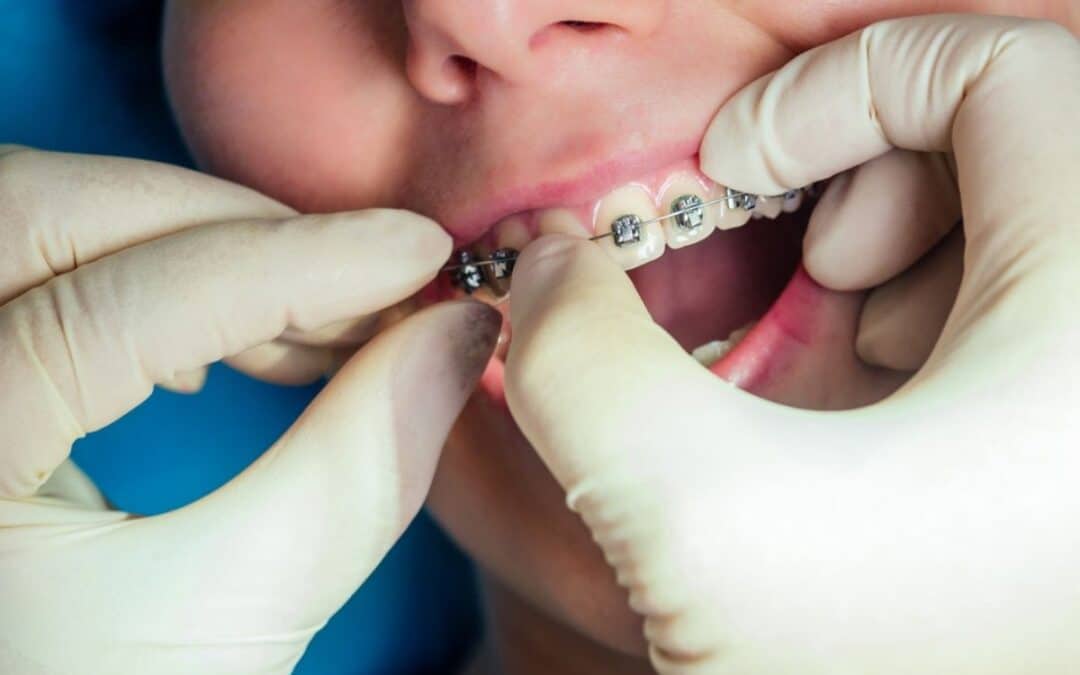
Braces are a transformative tool for achieving a confident, aligned smile, but they can sometimes encounter issues that require immediate attention. Whether you’re midway through your orthodontic journey or just starting, knowing how to spot signs of trouble can save you discomfort and keep your treatment on track. In this blog, we’ll walk you through the key indicators that your braces need emergency repair, offer practical tips for managing issues, and share insights to ensure your orthodontic experience remains smooth and effective. Let’s dive into what you need to watch for to maintain your braces in top shape.
Understanding How Braces Work
Braces consist of brackets, wires, and bands that work together to gradually shift your teeth into proper alignment. The brackets are bonded to your teeth, while the archwire applies gentle pressure to guide movement. This system is durable but not indestructible. Every day activities like eating or accidental impacts can sometimes cause damage, leading to the need for urgent repairs. Recognizing the signs of a problem early can prevent delays in your treatment and avoid further complications.
Common Signs Your Braces Need Emergency Repair
Several issues can signal that your braces require immediate attention. Here’s what to look for:
Broken or Loose Brackets
If a bracket comes loose or breaks off, it can’t apply the necessary pressure to move your tooth. This often happens after biting into hard foods like apples or nuts. A loose bracket may also irritate your gums or cheeks, causing discomfort. If you notice a bracket dangling or completely detached, it’s time to schedule a repair.
Poking or Broken Wires
Archwires can sometimes snap or bend, especially if you’ve eaten something sticky or hard. A broken wire might poke into your gums, tongue, or cheeks, leading to soreness or cuts. If the wire is protruding, you may feel sharp pain or irritation. This is a clear sign that your braces need urgent attention to prevent further injury.
Loose Bands or Spacers
Bands and spacers help create space and secure the braces to your teeth. If a band becomes loose or a spacer falls out, it can disrupt your treatment. You might feel a gap or notice increased movement in your braces. This issue can also lead to food getting trapped, increasing the risk of decay or gum irritation.
Severe Pain or Discomfort
Some discomfort is normal with braces, especially after adjustments. However, sudden, intense pain that doesn’t subside could indicate a problem. For instance, a wire might have shifted and be pressing against your gums, or a bracket may be rubbing excessively. Persistent pain warrants a check-up to ensure nothing is seriously wrong.
Swollen or Bleeding Gums
Gums that are unusually swollen, red, or bleeding around your braces could signal an issue. This might happen if a broken component is irritating the tissue or if food particles are trapped, leading to inflammation. While mild gum sensitivity is common, severe symptoms should not be ignored.
What to Do If You Notice These Signs
If you spot any of these issues, don’t panic. First, assess the severity. For minor irritations, like a poking wire, you can use orthodontic wax to cover the sharp edge temporarily. Avoid eating hard or sticky foods to prevent further damage. Next, reach out to your orthodontic provider as soon as possible. They can advise you on whether the issue requires an immediate visit or if it can wait for a scheduled appointment. In the meantime, rinse your mouth with warm saltwater to reduce irritation and keep the area clean.
How to Prevent Emergency Repairs
Prevention is always better than a fix. Here are some tips to keep your braces in good condition:
- Avoid hard, sticky, or chewy foods like caramel, popcorn, or ice.
- Cut tough foods like carrots or apples into smaller pieces before eating.
- Wear a mouthguard if you play sports to protect your braces from impact.
- Maintain good oral hygiene by brushing and flossing daily to prevent food buildup.
- Attend all scheduled orthodontic appointments to catch potential issues early.
By following these habits, you can reduce the likelihood of needing emergency repairs and keep your treatment progressing smoothly.
Finding Reliable Orthodontic Care
For those in the area, seeking care for braces in Whitehouse, TX, ensures you have access to professionals who can address emergencies promptly. Local orthodontic practices are equipped to handle repairs, from fixing broken brackets to adjusting wires. Choosing a provider with experience in handling urgent cases can make a big difference in your treatment journey. Make sure to ask about their availability for emergency appointments so you’re prepared if an issue arises.
Trending FAQs on Braces Emergency Repairs
Here are some frequently asked questions about braces repairs, sourced from common Google searches:
- What should I do if my braces wire is poking me? Use orthodontic wax to cover the wire, and contact your orthodontist for a quick fix.
- Can I fix a loose bracket at home? No, avoid trying to fix it yourself. A professional repair is necessary to ensure proper alignment.
- How do I know if my braces are damaged? Look for signs like broken wires, loose brackets, or sudden pain that doesn’t go away.
- What happens if I ignore a broken brace? Ignoring damage can delay your treatment and lead to discomfort or further complications.
- How often do braces need repairs? It varies, but most patients experience at least one minor issue during treatment.
These questions reflect common concerns and highlight the importance of addressing issues quickly to maintain your orthodontic progress.
When to Contact Your Orthodontist
Not every issue requires an emergency visit, but some situations shouldn’t wait. If you experience severe pain, significant bleeding, or a component that’s causing injury, don’t delay. For instance, a wire that’s deeply embedded in your gums or a bracket that’s come completely off needs prompt attention. A trusted orthodontist in Whitehouse, TX, can provide the expertise needed to handle these situations effectively. They’ll assess the damage, perform the necessary repairs, and ensure your treatment stays on course. Always keep their contact information handy for quick access during emergencies.
Navigating the ups and downs of braces doesn’t have to be overwhelming. By staying vigilant for signs of trouble, taking preventive steps, and knowing when to seek help, you can keep your orthodontic journey on the right path. Emergencies can happen, but with the right knowledge and support, you’ll be prepared to handle them confidently. A well-maintained set of braces brings you one step closer to the smile you’ve been dreaming of, so don’t hesitate to reach out for help when you need it.

by 110 Dental & Orthodontics | Feb 19, 2025 | Braces, Invisalign
When it comes to straightening teeth, two of the most popular options are traditional braces and Invisalign. Each method has its own advantages, and the best choice depends on factors such as treatment time, effectiveness, and individual dental needs. Whether you’re dealing with misalignment, overcrowding, or bite issues, understanding the differences between these options can help you make an informed decision.
Treatment Time: How Long Does Each Option Take?
One of the biggest concerns for anyone considering orthodontic treatment is how long it will take to achieve their desired smile. Treatment time varies depending on the severity of the case and the type of correction needed.
Braces Treatment Time
Traditional metal braces are known for their ability to correct even the most complex dental misalignments. On average, treatment with braces lasts between 18 months and 3 years. Patients with severe misalignment, bite issues, or rotated teeth may require a longer duration. Since braces are fixed onto the teeth, they work continuously, which helps maintain steady progress throughout the treatment.
Invisalign Treatment Time
Invisalign offers a more discreet and comfortable approach to teeth straightening. The average treatment time for Invisalign ranges from 12 to 18 months, making it a faster option for many patients. However, the effectiveness of Invisalign largely depends on patient compliance—aligners must be worn for at least 20 to 22 hours per day to ensure optimal results. Those who frequently remove their aligners or forget to wear them may experience longer treatment times.
Effectiveness: Which Option Works Best?
Both Invisalign and braces are highly effective, but their success depends on the type of orthodontic issue being addressed.
Effectiveness of Braces
Braces are often recommended for patients with severe misalignment, complex bite issues, or rotated teeth. Because braces use brackets and wires to apply constant pressure, they can achieve precise tooth movements that aligners may struggle with. Braces are also ideal for younger patients or those who may not be disciplined enough to wear removable aligners consistently.
Effectiveness of Invisalign
For those with mild to moderate misalignment, Invisalign in Whitehouse provides an excellent alternative to braces. Invisalign aligners are particularly effective in correcting gaps, mild crowding, and slight bite issues. They offer a more aesthetic and comfortable treatment, but they may not be suitable for patients with severe orthodontic problems. Since the aligners are removable, they allow for better oral hygiene, reducing the risk of cavities and gum disease during treatment.
Which Option Is Right for You?
Choosing between Invisalign and braces depends on several factors, including treatment goals, lifestyle, and budget. If you’re looking for a discreet, removable option with a shorter treatment time, Invisalign may be the best fit. However, if you require significant corrections and want a solution that works continuously without the need for self-discipline, braces might be the better choice.
Regardless of which treatment you choose, consulting with an orthodontist in Whitehouse will ensure you get the best possible care tailored to your specific needs. A professional evaluation can help determine the most effective treatment plan, setting you on the path to a healthier, more confident smile.
by 110 Dental & Orthodontics | Jan 21, 2025 | Braces
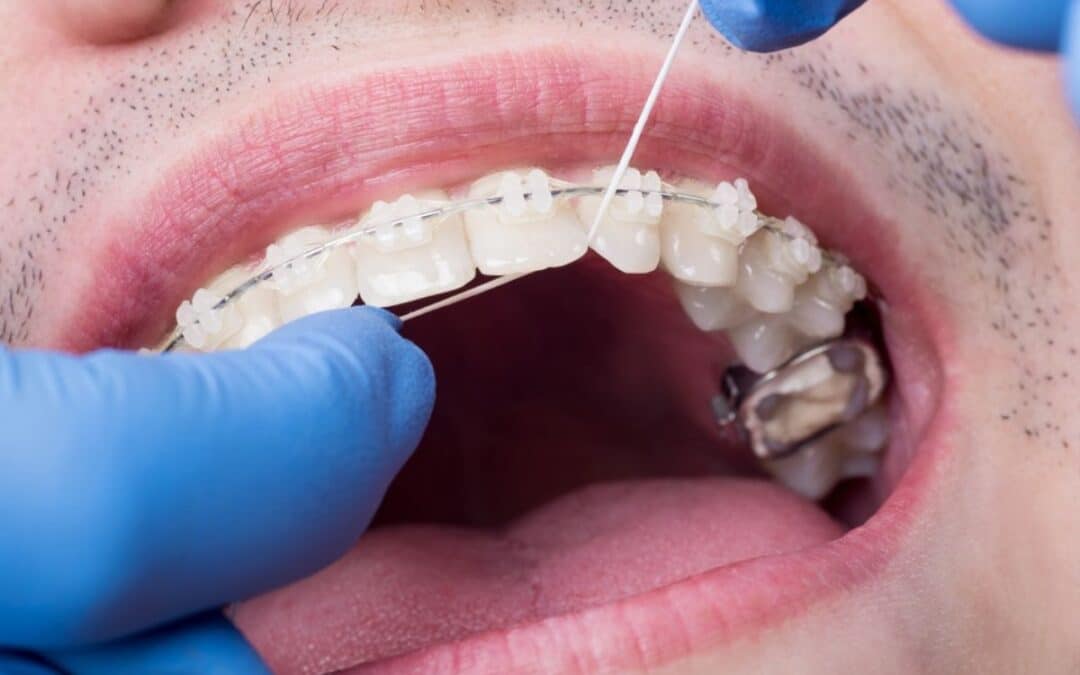
Clear braces are a popular choice for individuals who want a less noticeable option while undergoing orthodontic treatment. These braces blend seamlessly with the natural color of teeth, making them aesthetically pleasing. However, one common concern with Clear braces is staining. Over time, food, drinks, and other factors can cause discoloration, which can detract from their discreet appearance. Fortunately, there are effective ways to remove stains from Clear braces and keep them looking their best.
What Causes Stains on Clear Braces?
Stains on Clear braces often result from:
- Foods and Drinks: Dark-colored beverages like coffee, tea, red wine, and cola are major culprits. Similarly, foods with strong pigments, such as curry, berries, and tomato-based sauces, can contribute to staining.
- Smoking or Tobacco Use: Tobacco products can leave yellow or brown stains on Clear brackets and ligatures.
- Poor Oral Hygiene: Inadequate brushing and flossing can lead to plaque buildup, which can cause discoloration over time.
- Colored Ligatures: The elastic ties (ligatures) that hold the wire to the brackets can absorb stains. Replacing these regularly can help maintain a clean appearance.
If you’re searching for an orthodontist in Whitehouse, they can provide professional advice on maintaining your Clear braces and keeping them stain-free.
How to Remove Stains from Clear Braces?
Here are several effective solutions to tackle stains on Clear braces:
-
Regular Brushing and Flossing
Maintaining good oral hygiene is the first line of defense against stains. Brush your teeth after every meal using a soft-bristled toothbrush and fluoride toothpaste. Pay extra attention to cleaning around the brackets and wires. Flossing daily with orthodontic floss or a floss threader will help remove food particles and plaque from between the teeth.
-
Use an Interdental Brush
An interdental brush is a small, narrow brush designed to clean between teeth and braces. It can reach areas that a regular toothbrush might miss, helping to remove plaque and prevent staining.
-
Avoid Stain-Causing Foods and Drinks
Limiting your consumption of foods and beverages known to cause staining can significantly reduce discoloration. If you do indulge, rinse your mouth with water immediately afterward and brush your teeth as soon as possible.
-
Whitening Toothpaste
Whitening toothpaste can help remove surface stains on teeth and braces. However, be cautious not to overuse whitening products, as they can cause uneven whitening between your teeth and the Clear brackets.
-
Professional Cleaning
Regular visits to your orthodontist in Whitehouse or dentist for professional cleaning are essential. A dental professional can remove stubborn stains and plaque buildup, ensuring your braces stay clean and clear.
-
Replace Ligatures Frequently
As the ligatures around Clear braces are more prone to staining than the brackets themselves, ask your orthodontist to replace them during your regular appointments. Fresh ligatures can make a significant difference in the appearance of your braces.
-
Hydrogen Peroxide Rinse
A diluted hydrogen peroxide rinse can help whiten teeth and remove stains. Mix one part hydrogen peroxide with two parts water, swish it around your mouth for 30 seconds, and then rinse thoroughly with water. Use this solution sparingly and only after consulting your orthodontist.
-
Avoid Smoking
Smoking or using tobacco products not only stains braces but also harms your oral health. Quitting smoking is one of the best ways to keep your braces and teeth looking their best.
Tips for Preventing Stains
Prevention is always better than cure. Here are some tips to keep your clear braces in Whitehouse stain-free:
- Drink Through a Straw: When consuming stain-causing beverages, use a straw to minimize contact with your teeth and braces.
- Rinse Regularly: Rinse your mouth with water after eating or drinking to wash away pigments.
- Chew Sugar-Free Gum: Chewing gum can stimulate saliva production, which helps cleanse the mouth naturally.
- Follow Your Orthodontist’s Advice: Regularly visit your orthodontist and follow their instructions for maintaining your braces.
Finding the Right Orthodontist
If you’re struggling with stained clear braces, consulting an experienced orthodontist is a wise step. They can offer personalized advice and solutions tailored to your specific needs. Additionally, they can provide professional cleaning services and replace stained ligatures, ensuring your braces remain as discreet as possible.
Clear braces are an investment in your smile, and proper care ensures they stay as beautiful as they are effective. Whether you’re new to braces or looking for maintenance tips, the right orthodontic support in Whitehouse can make all the difference.
Keeping Clear braces clean and stain-free requires consistent effort and care. From regular brushing and flossing to professional cleaning and mindful eating habits, there are many ways to maintain their appearance. If you’re looking for guidance, an orthodontist in Whitehouse can provide expert advice and solutions. By following these tips and seeking professional support when needed, you can ensure that your Clear braces continue to provide the discreet and effective treatment you desire.