by 110 Dental & Orthodontics | Apr 16, 2026 | Cosmetic Dentistry, Teeth Whitening
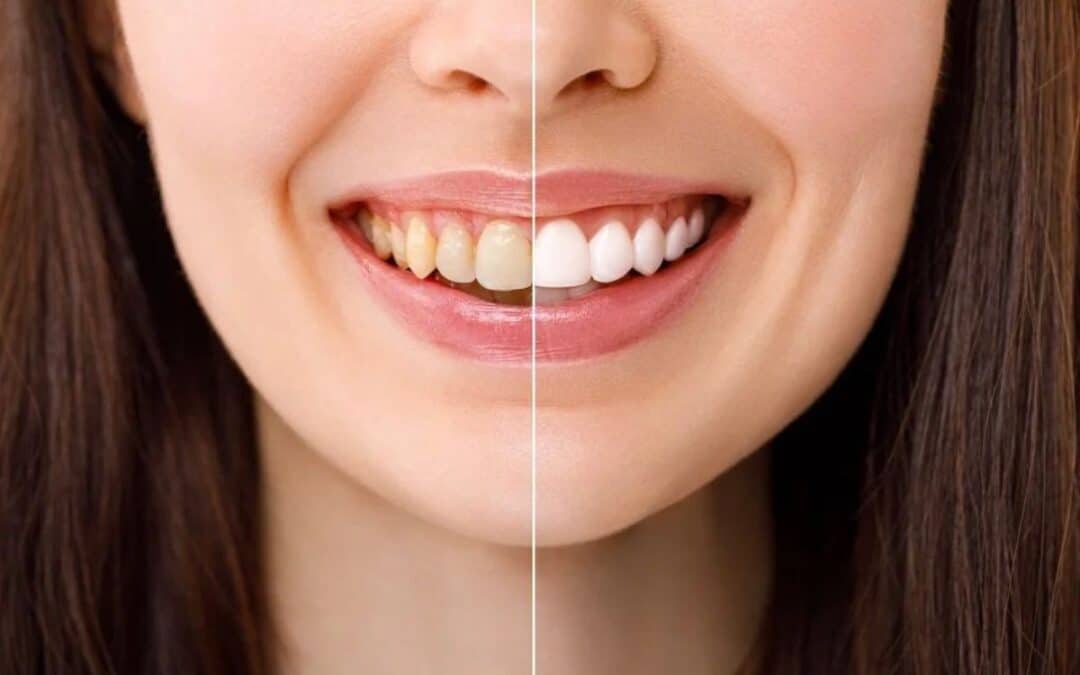
Fluorosis stains can be frustrating. They often appear as white streaks, cloudy patches, or even brown discoloration on teeth. Many people assume that standard whitening treatments will fix the issue quickly. But the reality is more nuanced. Understanding how fluorosis affects enamel is key to choosing the right solution for a brighter smile.
What Is Dental Fluorosis?
Understanding the Condition
Dental fluorosis develops when teeth are exposed to excessive fluoride during early childhood, while enamel is still forming. This alters how enamel mineralizes, leading to visible changes in color and texture.
Common Signs
- White spots or streaks
- Chalky or opaque patches
- Yellow or brown stains in severe cases
- Slight surface irregularities
Unlike surface stains from coffee or tea, fluorosis is intrinsic, meaning it exists within the enamel itself.
Can Teeth Whitening Remove Fluorosis Stains?
The Honest Answer
Teeth whitening can help—but it doesn’t always remove fluorosis stains completely.
Whitening treatments work by lightening the natural color of teeth. They are highly effective on external stains. However, since fluorosis is embedded within the enamel, results can vary.
What Whitening Can Do
- Reduce contrast between stained and unstained areas
- Brighten the overall tooth shade
- Improve the appearance of mild fluorosis
What Whitening Cannot Do
- Fully eliminate deep white or brown patches
- Reshape enamel irregularities
- Deliver uniform results in severe cases
This is why a personalized dental evaluation is essential before choosing any whitening method.
How Whitening Works on Fluorosis
Mild Fluorosis
In mild cases, whitening can significantly improve appearance. By brightening the surrounding enamel, the white spots become less noticeable.
Moderate Fluorosis
Results are mixed. Whitening may lighten the entire tooth but can sometimes make white spots more visible initially. Over time, blending improves.
Severe Fluorosis
Whitening alone is usually not enough. Additional cosmetic treatments may be needed to achieve a balanced look.
Factors That Affect Whitening Results
Several variables influence how well whitening works on fluorosis:
- Severity of discoloration
- Type of whitening treatment used
- Enamel thickness and health
- Consistency of aftercare habits
In clinical settings, professionals often customize whitening approaches based on these factors. For those considering teeth whitening in Whitehouse, TX, a consultation helps determine whether whitening alone will meet expectations or if a combined approach is better.
Lifestyle Habits That Influence Whitening Results
Daily habits play a big role in how long whitening results last. The impact of dietary choices—often described as the effects of food on teeth whitening—can’t be ignored. Dark-colored beverages, acidic foods, and sugary snacks can stain enamel or weaken it over time.
To maintain results:
- Limit coffee, tea, and red wine
- Rinse your mouth after meals
- Maintain consistent oral hygiene
- Use dentist-recommended products
These simple steps help preserve a brighter smile after treatment.
When to Seek Professional Guidance
Not all whitening solutions are equal. Over-the-counter products may not address fluorosis effectively and can sometimes lead to uneven results.
If you are searching for a cosmetic dentist near you, it’s important to choose someone who evaluates your enamel condition carefully and recommends a treatment tailored to your needs. Professional guidance ensures safer, more predictable outcomes.
Information Table: Whitening vs Fluorosis Effectiveness
| Fluorosis Severity |
Whitening Effectiveness |
Additional Treatment Needed |
| Mild |
High |
Rarely |
| Moderate |
Moderate |
Sometimes |
| Severe |
Low |
Often |
Trending FAQs
- Can teeth whitening remove white spots from fluorosis?
It can reduce their visibility but may not remove them completely.
- Does whitening make fluorosis worse?
Initially, spots may appear more noticeable, but blending improves over time.
- What is the best treatment for fluorosis stains?
It depends on severity. Mild cases respond to whitening; severe cases need additional treatments.
- Is fluorosis permanent?
Yes, but its appearance can be improved with cosmetic treatments.
- Can I use whitening strips for fluorosis?
They may help slightly, but are less effective than professional treatments.
Fluorosis stains can be challenging, but they are manageable with the right approach. Whitening can improve the overall look, especially in mild cases, while other treatments may be needed for deeper discoloration. The key is understanding your specific condition and choosing a solution that aligns with it. A professional evaluation ensures safe and effective results tailored to your smile goals. If you’re ready to explore your options, scheduling a consultation can help you take the next step toward a more confident smile.
by 110 Dental & Orthodontics | Jan 9, 2026 | Cosmetic Dentistry, Teeth Whitening
A bright smile often lights up a room and leaves a lasting impression. Many people notice how their grin affects interactions at work or socially. Yet, over time, everyday habits can dull that sparkle, leading to hesitation in showing off teeth. What if a simple dental procedure could restore that vibrancy and spark a surge in self-assurance? This post explores the real impact of such treatments on how you feel and present yourself.
Understanding Professional Teeth Whitening
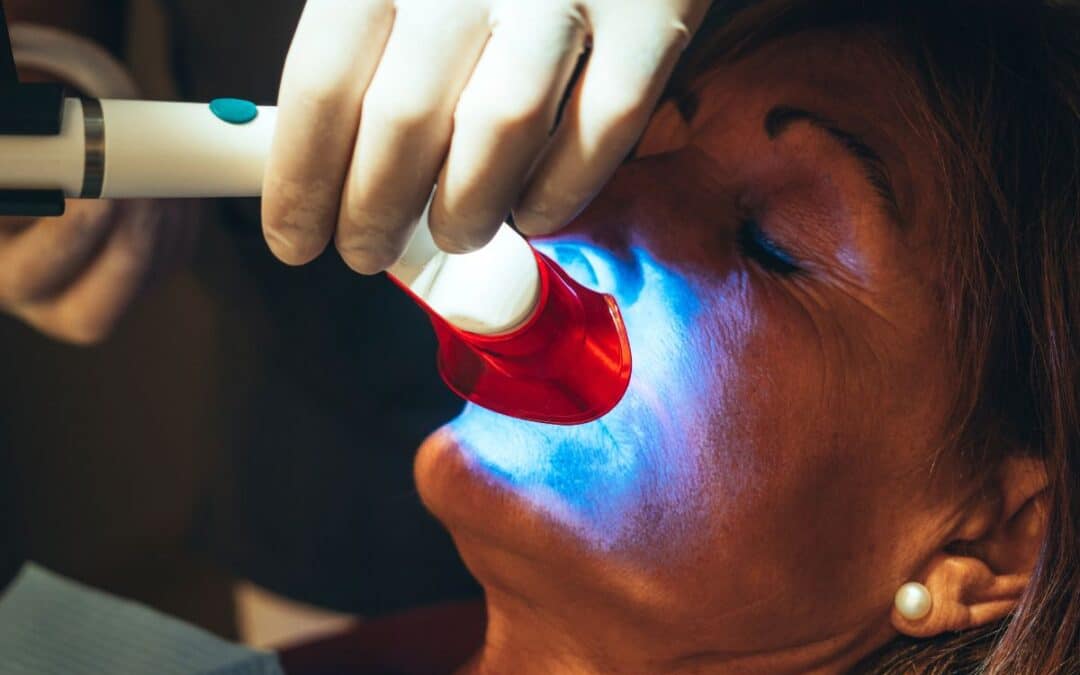
Professional whitening goes beyond over-the-counter options. Dentists use advanced techniques to target deep stains safely. The process involves applying a gel with active ingredients like hydrogen peroxide. This breaks down discoloration from coffee, tea, or tobacco. Sessions typically last an hour in the office, delivering noticeable changes quickly.
At-home kits from dental pros offer another path. These include custom trays filled with gel for nightly use over weeks. Results build gradually but last longer with proper care. Both methods prioritize enamel protection, avoiding damage common in store-bought strips.
The Link Between a Bright Smile and Self-Confidence
A whiter smile can shift how you view yourself. Studies show people with brighter teeth often report higher self-esteem. They smile more freely in photos or conversations. This small change ripples into broader life areas, like job interviews or dates.
Research highlights the emotional perks. For instance, many feel more approachable after treatment. Social perceptions improve too, as others associate white teeth with health and vitality. It’s not just vanity—it’s about feeling empowered daily.
To illustrate key findings, here’s a table of relevant statistics:
| Statistic |
Percentage |
Source Insight |
| Increased confidence post-whitening |
85% |
Patient surveys on self-perception |
| Enhanced social interactions |
90% |
Studies on cosmetic dental impacts |
| Positive effect on mood and professional life |
78% |
Research on Generation-Z participants |
| Improved dental self-confidence |
80% |
Clinical trials on psychosocial outcomes |
These numbers underscore how whitening fosters a positive mindset.
Benefits of Choosing Professional Treatment
Opting for expert care ensures tailored results. Dentists assess your oral health first, addressing any issues like sensitivity. This leads to safer, more effective outcomes compared to generic products.
Professional methods remove stubborn stains that DIY kits miss. They also provide guidance on maintaining brightness, such as avoiding certain foods. Many notice a lift in daily interactions, feeling more engaging and positive.
In areas like Whitehouse, TX, local dental practices emphasize personalized approaches. If you’re considering teeth whitening treatment in Whitehouse, TX, it fits seamlessly into routine care, enhancing your overall dental routine without hassle.
Addressing Common Concerns
Worries about sensitivity often arise. Most experience mild tingling, which fades quickly. Dentists can adjust formulas for comfort. Another concern is uneven results, but pros monitor the process closely.
Longevity varies by habits. Touch-ups every six months keep the glow. Quitting smoking or limiting dark drinks helps too. Overall, the procedure suits most adults with healthy gums.
Trending FAQs on Professional Teeth Whitening
People often search for answers on this popular topic. Based on frequent Google queries, here are key FAQs with straightforward responses:
- How does professional teeth whitening work? It uses a bleaching agent to penetrate enamel and break down stains. In-office lights or lasers activate the gel for faster results.
- Is professional whitening safe for my teeth? Yes, when done by a dentist. It protects enamel better than over-the-counter options and minimizes risks like gum irritation.
- How long do whitening results last? Typically six months to three years, depending on diet and oral hygiene. Regular cleanings extend the effects.
- Can anyone get professional whitening? Most can, but those with gum disease or restorations like crowns may need alternatives. A consultation determines suitability.
- What’s the difference between professional and at-home whitening? Professional offers stronger agents and quicker changes, while at-home is convenient but slower.
These address top concerns, helping you decide informed.
Why Professional Whitening Stands Out
Unlike quick fixes, pro treatments deliver consistent brightness. They tackle intrinsic stains from aging or medications effectively. Many report feeling more vibrant in professional settings.
The procedure aligns with broader cosmetic dentistry goals, like aligning smiles for harmony. It’s a step toward holistic oral wellness, promoting regular check-ups.
Preparing for Your Whitening Journey
Start with a dental exam to ensure readiness. Brush and floss daily to maximize results. Avoid staining foods right after sessions.
If sensitivity worries you, discuss desensitizing options upfront. This prep makes the experience smooth and rewarding.
If you’re looking for a cosmetic dentist nearby you, options abound for expert guidance. A quick chat can clarify your needs in a relaxed setting.
Maintaining Your Newfound Glow
Post-treatment care is key. Use whitening toothpaste for upkeep. Rinse after meals to prevent new stains.
Annual visits reinforce the benefits. Small habits yield big returns in smile quality.
Ready to Shine Brighter?
A professional whitening treatment can truly elevate how you carry yourself. It opens doors to more open smiles and genuine connections. Embrace the change for a more confident you. Take the next step and schedule an appointment today to explore your options.
by 110 Dental & Orthodontics | Nov 25, 2025 | Teeth Whitening
Ever notice how your favorite morning brew leaves your teeth feeling a bit off? That subtle shift from bright to blah often ties back to what lands on your plate. In a place like Whitehouse, TX, where backyard barbecues and fresh local produce are daily delights, it’s easy to overlook how everyday eats chip away at your smile. But here’s the good news: small tweaks can keep your grin glowing. This guide dives into the sneaky ways diet dims your teeth. You’ll learn what to watch, what to swap, and how to reclaim that confident sparkle without overhauling your life.
Understanding the Link Between Food and Tooth Color
Your teeth’s outer layer, enamel, acts like a shield. It’s tough but porous. Foods pack pigments called chromogens and compounds like tannins that slip into those pores. Over time, this builds extrinsic stains—the surface kind from coffee or berries.
Acidic bites erode enamel too. Think citrus or soda. Weaker enamel lets yellow dentin peek through, turning smiles dull. Diet also fuels bacteria. Sugars feed them, sparking acids that attack enamel further. Poor choices raise cavity risk by up to 40%, per dental studies. It’s a cycle: stains plus erosion equals a less vibrant smile.
Local habits play in. Whitehouse folks love strong East Texas coffee or tangy tomato-based sauces at community potlucks. These amplify discoloration if unchecked. But awareness flips the script. Monitor intake, and your oral health stays ahead.
Top Culprits in Your Diet That Dull Your Smile
Some staples sneak stains fast. Coffee tops the list. Its tannins cling like glue. One daily mug can yellow teeth in months. Tea follows suit—black or green both bind pigments tightly.
Red wine’s a double whammy. Acids soften enamel; dark hues seep in. Berries thrill with antioxidants but leave purple residue. Blueberries and blackberries stain quickest among fruits.
Tomato sauce in pasta or chili? Its acidity and red pigments erode and color. Soy sauce in stir-fries adds deep brown tones. Colas pack phosphoric acid plus dyes—soda drinkers see 2-3 times more erosion.
Curry spices like turmeric tint vividly. Even balsamic vinegar’s dark, sticky nature clings. These build gradually. Frequent exposure means monitoring portions keeps risks low.
Foods That Naturally Boost Your Smile’s Brightness
Not all eats harm. Crunchy options scrub gently. Apples and carrots act like nature’s toothbrush. Their fiber polishes enamel while vitamins fortify gums.
Dairy shines here. Cheese coats teeth in calcium, neutralizing acids. Yogurt’s probiotics fight bad bacteria. Milk rebuilds enamel with phosphorus.
Leafy greens like spinach pack folate for gum health. Nuts, especially almonds, deliver protein without sugars. Water-rich cucumbers hydrate and rinse debris.
In Whitehouse, grab seasonal pears or celery sticks. They cleanse without staining. Pair with cheese for a snack that strengthens, not weakens, your smile.
Quick Stats: Diet’s Toll on Your Teeth
| Food/Drink Category |
Common Examples |
Staining Risk Level |
Erosion Potential |
| Dark Beverages |
Coffee, Tea, Red Wine |
High (tannins bind fast) |
Medium (acids soften enamel) |
| Berries & Fruits |
Blueberries, Beets, Citrus |
Medium-High (pigments cling) |
High (natural acids) |
| Sauces & Condiments |
Tomato Sauce, Soy Sauce, Curry |
High (color + stickiness) |
Medium (acidity varies) |
| Sugary/Acidic Drinks |
Cola, Sports Drinks |
High (dyes + sugars) |
High (phosphoric acid) |
| Protective Foods |
Cheese, Apples, Yogurt |
Low (none) |
Low (remineralizes) |
This table draws from oral health data. Note: 80% of adults report diet-linked stains, with beverages causing 60% of cases.
Daily Habits to Safeguard Your Sparkle
Start simple. Rinse with water after meals. It dilutes acids and washes pigments. Wait 30 minutes post-acidic eats before brushing—soft enamel needs time to reharden.
Brush twice daily with whitening toothpaste. Floss to clear hidden debris. Chew sugar-free gum; xylitol starves bacteria.
Limit culprits to mealtimes. Sip through a straw for drinks like cola. These tweaks cut stain buildup by 50%. Track patterns in a food journal. Notice dull spots after weekends? Adjust accordingly.
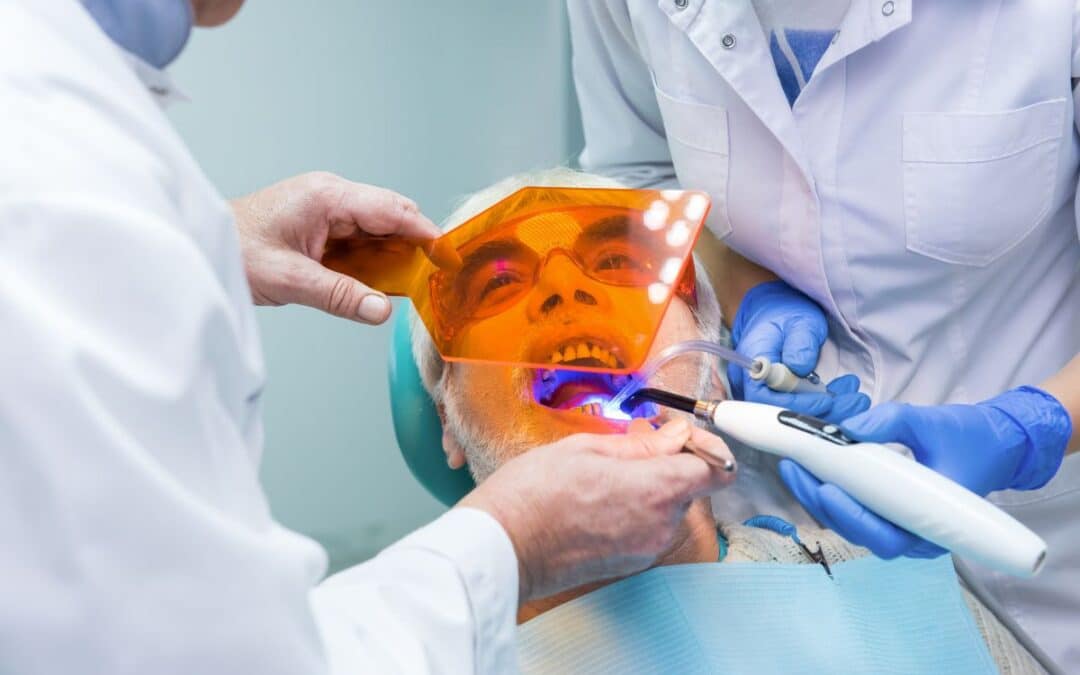
For stubborn issues, pros step in. Many in our area offer safe solutions. A teeth whitening procedure in Whitehouse can erase years of diet damage in one visit, restoring natural brightness without hassle.
Trending FAQs on Diet and Dental Discoloration
People often turn to Google for quick fixes. Here are top-searched questions, with straightforward answers based on dental insights:
- What foods cause the most tooth staining? Coffee, tea, red wine, berries, and tomato-based sauces lead. Their pigments and tannins attach easily to enamel.
- Can a healthy diet whiten teeth naturally? Yes, but slowly. Crunchy veggies and dairy help polish and remineralize. Results take weeks, not days.
- How does sugar in diet affect tooth color? It doesn’t stain directly but feeds bacteria, causing decay and yellowing as enamel thins.
- Do acidic foods like lemons really erode teeth? Absolutely. They soften enamel temporarily, making stains stickier. Dilute or pair with dairy to buffer.
- How soon after eating staining foods should I brush? Wait 30-60 minutes. Brushing too soon on softened enamel wears it down faster.
These cover 70% of common queries. They highlight prevention’s power.
Building Lasting Oral Habits in Whitehouse
East Texas living means fresh air and hearty meals. But balance matters. Swap one stained drink for herbal tea weekly. Your smile thanks you.
Track progress monthly. Snap photos under consistent light. Notice improvements? That’s motivation. Share tips at local events—community smiles brighter together.
If stains persist despite efforts, don’t wait. Early action prevents deeper issues.
If you are searching for a cosmetic dentist in Whitehouse, look for one who tailors plans to your lifestyle. They assess diet impacts during consults, ensuring results fit your routine seamlessly.
Professional guidance amplifies home efforts. It addresses root causes like enamel wear from years of bold flavors.
Ready to monitor and mend? Your diet shapes more than meals—it crafts the smile you flash daily. Commit to these insights, and watch dull fade to dazzling. For personalized steps, call 903-328-6577 to schedule an appointment today. Let’s brighten that grin, one bite at a time.
by 110 Dental & Orthodontics | Sep 8, 2025 | Cosmetic Dentistry, Teeth Whitening
Have you noticed your smile losing its youthful sparkle over the years? It’s a subtle shift that many people experience, often leaving them wondering what’s behind it. As we navigate life’s milestones, our teeth tell a story of time passed. But understanding this process can empower you to take steps toward a brighter, more confident grin. Let’s dive into the science and solutions that keep your smile shining.
Understanding Tooth Structure Basics
Teeth have layers that work together. The outer layer is enamel, hard and protective. Beneath it lies dentin, softer and yellowish. Pulp sits at the center, housing nerves and blood vessels.
Enamel acts as a shield. It blocks stains and keeps teeth white. Dentin provides support but shows color when exposed.
Over time, these layers change. Daily wear affects them differently. Knowing this helps explain color shifts.
The Role of Enamel in Maintaining Brightness
Enamel is translucent and white. It reflects light for a bright appearance. But it’s not invincible.
Acids from food erode it slowly. Brushing too hard wears it down. These habits thin the layer.
Thinner enamel reveals dentin below. This makes teeth look duller. Genetics play a part too. Some people start with thinner enamel.
How Age Contributes to Enamel Thinning
Aging naturally thins enamel. Years of chewing create micro-wear. Acidic drinks speed this up.
By middle age, many notice changes. Dentin thickens as we grow older. It darkens from internal shifts.
Studies show color changes peak after 50. Teeth become less translucent. This leads to a yellowish tint.
Lifestyle adds to it. Coffee, tea, and wine leave pigments. Smoking accelerates darkening.
External Factors That Accelerate Darkening
- Food and drinks stain surfaces. Berries, soy sauce, and curry cling to enamel. Regular exposure builds up.
- Tobacco products cause deep stains. They penetrate layers over time.
- Medications like antibiotics affect color. Some cause intrinsic discoloration from within.
- Dental trauma darkens teeth, too. Injuries damage pulp, leading to gray tones.
- Poor oral hygiene lets plaque build up. This traps stains and worsens the issue.
Preventive Measures for a Lasting Bright Smile
- Brush twice daily with fluoride toothpaste. It strengthens enamel against wear.
- Floss to remove debris. This prevents stain buildup between teeth.
- Limit staining foods. Rinse your mouth after consuming them.
- Use a straw for dark drinks. It minimizes contact with teeth.
- Regular dental checkups catch issues early. Cleanings remove surface stains effectively.
Trending FAQs on Aging and Tooth Darkening
Many people search for answers on this topic. Here are some frequently asked questions based on common online queries, with straightforward responses:
- Why do teeth turn yellow as you age?
Enamel thins naturally, exposing the yellowish dentin underneath. Accumulated stains from daily habits intensify this.
- Can you prevent teeth from darkening with age?
Yes, by maintaining good oral hygiene, limiting staining foods, and getting professional cleanings. Protective sealants can help, too.
- What foods cause teeth to stain the most?
Dark beverages like coffee and red wine, plus foods such as berries, tomato sauce, and balsamic vinegar are top culprits.
- Is tooth discoloration reversible?
Surface stains often are, through whitening treatments. Deeper changes may need professional options like veneers.
- How does enamel thinning affect tooth color overall?
It reduces the white outer layer, making the dentin more visible and giving teeth a darker appearance.
These address key concerns and offer quick insights.
Statistics on Tooth Discoloration
Here’s a quick look at some relevant data on how discoloration affects people as they age:
| Age Group |
Percentage with Noticeable Discoloration |
Common Cause |
| 20-30 |
15-20% |
Extrinsic stains from diet |
| 31-50 |
30-40% |
Enamel wear and lifestyle factors |
| 51+ |
50-60% |
Intrinsic changes and dentin exposure |
These figures highlight the progressive nature of the issue, drawn from dental health surveys.
If you’re in the area and looking for effective solutions, consider teeth whitening in Whitehouse, TX. Local providers offer tailored treatments that fit busy lifestyles.
Exploring Gentle Brightening Methods
- Over-the-counter kits provide at-home convenience. They use gels to lift stains gradually.
- Professional in-office sessions deliver faster results. They employ stronger agents under supervision.
- Natural remedies like baking soda help mildly. Mix it with water for a gentle scrub.
- Always consult a dentist first. They ensure methods suit your teeth.
Safe teeth whitening options include those with ADA approval. They minimize sensitivity while brightening effectively.
Lifestyle Tips to Combat Darkening
- Stay hydrated. Water washes away food particles.
- Chew sugar-free gum. It boosts saliva to neutralize acids.
- Incorporate crunchy veggies. They naturally clean teeth.
- Quit smoking if applicable. It halts further staining.
- Protect teeth from injury. Use mouthguards during sports.
These habits slow the process. They promote overall oral health.
When to Seek Professional Advice
Notice sudden color changes? It might signal issues.
Persistent stains despite efforts warrant a visit.
Dentists assess underlying causes. They recommend personalized plans.
Early intervention preserves your smile. It boosts confidence, too.
If you are searching for a “cosmetic dentist near me” in Whitehouse, TX, you’re taking a smart step toward revitalizing your grin. Local experts understand regional needs and offer welcoming consultations.
Your smile evolves, but it doesn’t have to dim. Embrace these insights to keep it vibrant. Ready to brighten up? Call (903) 328-6577 to schedule an appointment today.
by 110 Dental & Orthodontics | May 23, 2025 | Cosmetic Dentistry, Teeth Whitening
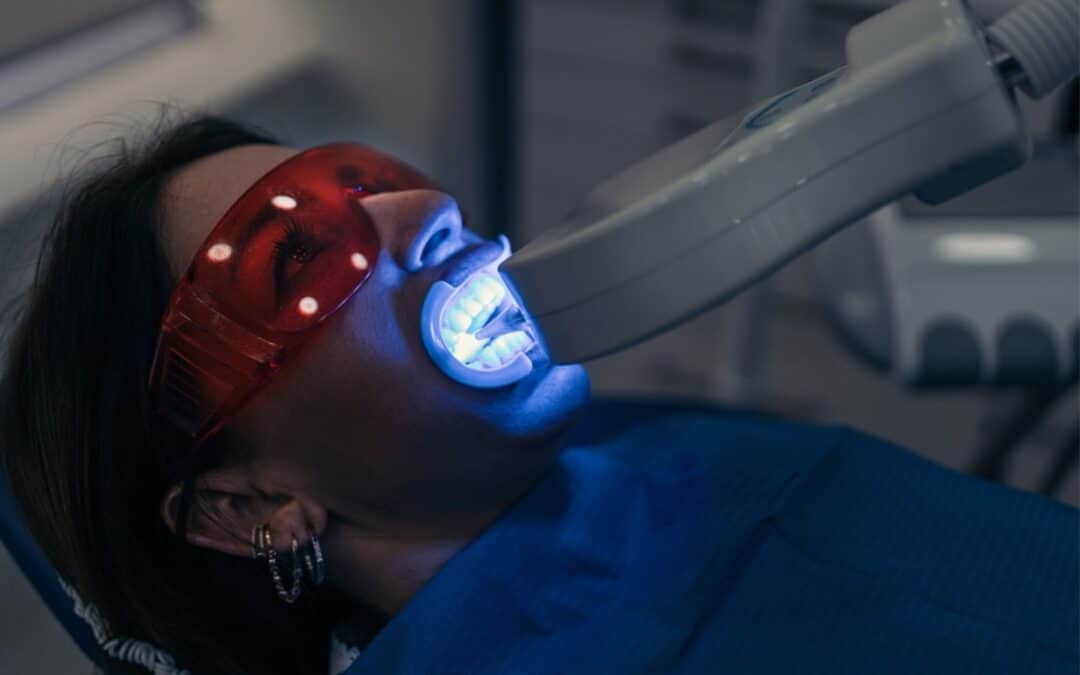
A bright, confident smile can transform your appearance and boost your self-esteem. In Whitehouse, TX, cosmetic dentistry offers advanced solutions to enhance your smile, with teeth whitening in Whitehouse, TX being one of the most sought-after treatments. Whether you’re looking to remove stubborn stains or achieve a naturally radiant smile, professional cosmetic dentistry delivers safe, effective, and long-lasting results.
The Power of Professional Teeth Whitening
Unlike over-the-counter products, professional teeth whitening in Whitehouse, TX uses high-quality bleaching agents under controlled conditions. This ensures even whitening without harming enamel. Dentists customize treatments based on your needs, whether you prefer in-office whitening or take-home kits.
Why Choose Cosmetic Dentistry for Whiter Teeth?
-
Safe & Effective – Professional treatments minimize sensitivity and gum irritation.
-
Long-Lasting Results – Whitening effects can last months with proper care.
-
Customized Approach – A cosmetic dentist near Whitehouse tailors the treatment to your tooth shade and sensitivity levels.
Beyond Whitening: Other Cosmetic Dental Solutions
While whitening is popular, cosmetic dentistry offers more ways to perfect your smile:
1. Porcelain Veneers
Veneers cover chips, gaps, and discoloration. They provide a natural look and resist stains better than natural teeth.
2. Dental Bonding
Bonding fixes minor imperfections quickly. It’s a cost-effective way to improve tooth shape and color.
3. Invisalign® Clear Aligners
Straighten teeth discreetly without metal braces. Invisalign is popular among adults and teens.
Trending FAQs on Teeth Whitening & Cosmetic Dentistry
Here are some common questions people ask about teeth whitening in Whitehouse, TX:
-
How long does professional teeth whitening last?
Results vary but typically last 6 months to 2 years with proper care.
-
Does teeth whitening damage enamel?
No, professional treatments are safe and monitored by a dentist.
-
Can yellow teeth become white again?
Yes, professional whitening can significantly lighten discolored teeth.
-
What’s the difference between in-office and at-home whitening?
In-office whitening is faster and stronger, while take-home kits offer gradual results.
-
Are there any side effects of teeth whitening?
Some people experience temporary sensitivity, which subsides quickly.
Maintaining Your Bright Smile
To prolong whitening results:
-
Avoid coffee, tea, and red wine.
-
Brush twice daily with whitening toothpaste.
-
Schedule regular dental cleanings.
A cosmetic dentist near you can recommend touch-up treatments to keep your smile vibrant.
Cosmetic dentistry in Whitehouse, TX, goes beyond aesthetics—it enhances confidence and oral health. Whether you opt for teeth whitening in Whitehouse, TX, or other treatments, professional care ensures beautiful, lasting results. Ready to transform your smile? Consult a trusted cosmetic dentist today!
by 110 Dental & Orthodontics | Dec 26, 2024 | Cosmetic Dentistry, Teeth Whitening
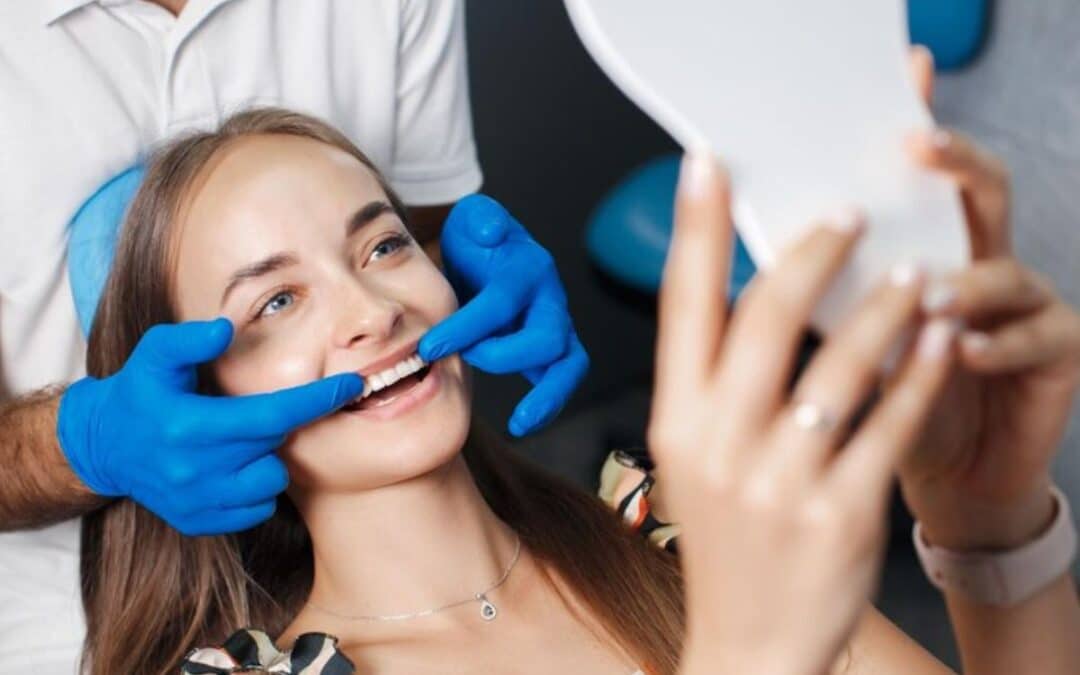
Your diet directly impacts the brilliance of your smile. While regular dental care maintains oral health, the foods you consume can either enhance or diminish the appearance of your enamel—the hard outer surface of your teeth. Understanding which foods promote brightness and which lead to discoloration is essential for preserving that radiant smile.
110 Dental & Orthodontics is committed to educating patients about healthy dental habits. In this blog, we will explore the intricate relationship between nutrition and enamel appearance, discussing what to avoid and what to embrace for a naturally bright smile.
Foods That Cause Stains: What to Limit or Avoid
Certain consumables contain chromogens, tannins, and acids—compounds notorious for staining enamel and weakening its natural structure. Here are recommendations from a reliable cosmetic dentist in Whitehouse:
Pigmented Beverages
Dark liquids like coffee, tea, red wine, and colas contain staining agents that bind to enamel. These drinks also have acidic properties, weakening enamel and making it more susceptible to stains.
Pro Tip: Opt for a straw to limit contact between the liquid and your enamel. Rinse with water afterward to neutralize acids.
Brightly Colored Foods
Tomato-based sauces, berries (like blueberries and blackberries), curry, and soy sauce are high in deeply pigmented molecules. These compounds embed themselves into enamel pores, causing discoloration over time.
Quick Fix: Pair these foods with crunchy vegetables like carrots or celery, which can act as natural scrubbers.
Sugary and Acidic Snacks
Candies, citrus fruits, and sour candies combine sugars and acids that erode enamel, increasing staining potential. Frequent consumption exacerbates enamel erosion, creating an uneven surface prone to discoloration.
Better Choice: Swap sugary treats with fresh fruits like apples that promote saliva flow and clean your enamel naturally.
Foods That Promote Teeth Whitening
While some foods discolor, others contribute to the natural cleansing and strengthening of enamel. These options promote oral health and enhance the results of teeth whitening in Whitehouse.
Fibrous Fruits and Vegetables
Crunchy fruits like apples and pears, along with raw vegetables like celery and carrots, naturally scrub your enamel as you chew. Their fibrous texture removes surface debris and promotes saliva production, which helps wash away staining particles.
Dairy Products
Calcium and phosphates are abundant in milk, cheese, and yogurt. These minerals strengthen enamel by replenishing lost nutrients, creating a smoother surface that resists stains.
Pro Tip: Aged cheeses, in particular, stimulate saliva and deliver maximum enamel protection.
Hydration Heroes
Water is vital for oral health. Drinking water throughout the day rinses away staining particles and hydrates tissues. Additionally, water enriched with fluoride can help rebuild enamel strength.
Bonus: Green tea, rich in catechins, also offers enamel-protective properties when consumed in moderation.
The Role of Balanced Nutrition in Oral Health
Beyond individual foods, maintaining a balanced diet supports overall oral hygiene. Vitamins A, C, and D—found in leafy greens, citrus fruits, and fatty fish—contribute to gum health and enamel resilience. Omega-3 fatty acids, present in salmon and walnuts, reduce inflammation in the gums, further protecting your smile.
Consider limiting processed foods and sugary beverages, as they increase plaque build-up and acid attacks. Prioritize whole, nutrient-rich meals that encourage long-term oral wellness.
Tips for Maintaining Enamel Brightness
Even with a balanced diet, your enamel requires consistent care. Here are actionable steps to enhance your smile:
- Rinse After Meals: Swish with water or an alcohol-free mouthwash to remove food particles and neutralize acids.
- Schedule Professional Cleanings: Regular dental cleanings remove deep-set stains and tartar that cannot be addressed at home.
- Practice Proper Brushing: Use a soft-bristled brush and ADA-approved toothpaste to avoid damaging enamel.
- Avoid Smoking and Tobacco Products: These are leading causes of discoloration and oral health issues.
Incorporating enamel-friendly foods and limiting staining culprits can dramatically improve your smile’s appearance. For a customized consultation, get in touch with us right now if you’re prepared to move forward. By understanding the interplay between nutrition and oral health, you can enjoy a brighter, healthier smile that lasts a lifetime. Small changes to your diet and lifestyle can make a significant difference, and our team is here to help every step of the way. Want more personalized care to keep your radiant, bright smile in top form? Contact us to schedule an appointment today!