
by 110 Dental & Orthodontics | Sep 13, 2024 | Oral Health
When most of us think about our dental health, we think about our teeth, but our gums are also an important part of dental health. That’s why when you visit the dentist for an exam, they’ll examine and x-ray your teeth for signs of cavities, and they’ll also measure your gums for signs of inflammation which is a symptom of gum disease. Let’s talk about 5 reasons to keep your gums healthy.
1. Keep Your Heart Healthy
Gum disease has been linked to an increase in levels of inflammation throughout the body, specifically in relation to the heart. Studies have shown that more advanced stages of gum disease can raise the risk of heart disease and stroke.
2. Keep Your Lungs Healthy
Healthy gums are also important for healthy lungs. Gum disease has also been shown to have a correlation with an increased risk of pneumonia and other respiratory tract infections, too, likely due to an increased exposure to bacteria when breathing through the mouth.
3. Keep Your Mind Healthy
Keeping your gums healthy can also benefit your mental health. Studies suggest that the more you focus on self-care, such as caring for your whole body which includes your teeth and gums, the more likely you are to experience higher levels of confidence and lower rates of anxiety and depression.
4. Keep Your Smile Healthy
One of the most visible and also important reasons to keep your gums healthy is to keep your smile healthy. Not only is your smile often the first thing people notice about you, but it is an integral part of how you relate to people throughout both professional and personal relationships. A healthy smile has been linked to higher levels of self-esteem and social interaction.
5. Keep Your Whole Body Healthy
Last but not least of the reasons to keep your gums healthy is to ensure that your body gets the nutrients it needs. When your gums aren’t healthy, it can cause discomfort, damage or dental loss, which can make it more difficult and less enjoyable to eat healthy foods. Keeping your gums healthy can keep your whole body healthy.
When to See a Dentist
If you’ve noticed possible signs of gum disease, such as redness, swelling, tenderness, bleeding when you floss, or increased sensitivity when eating, talk to your dentist as soon as possible about what you can do to improve your gum health. It’s often as simple as brushing or flossing, but your dentist may also recommend a deep cleaning or prescribe you with a special mouthwash to give you a head start on fighting bacteria.
It’s also important to see your dentist regularly for an exam to catch early signs of gum disease that many people often miss, so if it’s been more than 6 months since your last visit, it’s the perfect time to make an appointment. Your gum health is important, so don’t ignore any symptoms of gum disease, see a dentist at the first sign!
Call our dental office in Whitehouse, TX to make an appointment with our dentist who may be able to help you find out more about this topic, and improve your oral health.

by 110 Dental & Orthodontics | Jul 18, 2024 | Oral Health
You may have heard about fluoride from your dentist or seen it advertised on products at the store like toothpaste and mouthwash. Why is it added to dental products? What are its benefits to your teeth? Is it a necessary ingredient in toothpaste? Fluoride can have a big impact on your dental health so let’s talk about fluoride and why it’s important.
What Does Fluoride Do?
Fluoride is a mineral that is found in many foods and naturally occurs in some water sources as well. A man named Dr. Frederick McKay began to study its effects on children’s teeth because of the low rate of cavities in areas where high levels of fluoride were in the water supply. In 1945, Grand Rapids, Michigan added fluoride to its water supply. The rate of cavities in children dropped by 60% as a result! It was a huge advancement and the beginning of preventative dentistry.
After this, many cities’ began to add it to their water supplies. Subsequent studies have shown that fluoride can actually help with the remineralization and protection of teeth as well as help reduce tooth sensitivity so it has benefits for people of all ages. Now, it is added to many dental products and recommended by dentists worldwide.
Where Can I Find Fluoride?
Fluoride seems to be everywhere once you start looking for it! It is naturally occurring in foods like spinach, grapes, wine, potatoes, black tea, coffee, shrimp and fruit. It’s added to toothpastes, mouthwashes and floss. Once you realize the benefits of fluoride and why it’s important, it’s vital to ensure that you and your family are getting enough.
Fluoride Treatments
If you’re at risk for cavities, suffer from sensitive teeth or simply want to prevent problems in the future, you can talk with your dentist about fluoride treatments. Fluoride varnishes or sealants are much more concentrated than other sources of fluoride and can help give your teeth a great head start with meeting their fluoride needs.
Fluoride treatments are usually applied to your teeth after a professional dental cleaning by painting them with a clear liquid in your choice of flavoring. Dentists typically recommend doing this every 6 months or after each professional cleaning.
Ask Your Dentist
Too much fluoride is also not helpful, so if you’re unsure whether you or your family members are getting the right amount of fluoride, make an appointment with your dentist. Your dentist can help answer questions you may have about fluoride and why it’s important. They can consult with you about a plan to ensure that each member of your family gets the optimum amount of fluoride tailored to their specific needs to help keep everyone’s teeth healthy, strong and cavity-free.
Call our Whitehouse dental office to make an appointment with a dentist who may be able to help you find out more about this topic, and improve your oral health.
by 110 Dental & Orthodontics | Apr 12, 2024 | Oral Health
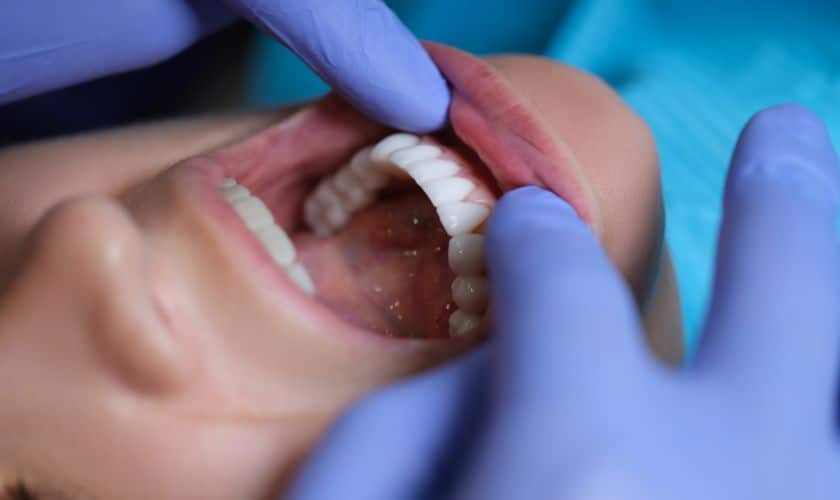
April marks Oral Cancer Awareness Month, a time dedicated to raising awareness about a disease that affects millions worldwide. While not as widely discussed as some other forms of cancer, oral cancer is a significant health concern with potentially devastating consequences. Through education, early detection, and prevention, we can make strides in reducing its impact. This blog post delves into the importance of oral cancer awareness, its risk factors, signs, and the steps individuals can take to protect themselves.
Understanding Oral Cancer
Oral cancer refers to cancers that develop in the mouth, including the lips, tongue, cheeks, gums, palate, floor of the mouth, and throat. It can affect anyone, although certain factors may increase the risk. Smoking, excessive alcohol consumption, and the use of smokeless tobacco are well-known risk factors. Additionally, human papillomavirus (HPV) infection, a weakened immune system, poor oral hygiene, and a diet lacking in fruits and vegetables can also contribute to the development of oral cancer.
The Importance of Awareness
One of the challenges with oral cancer is that it often goes unnoticed in its early stages. Symptoms may be subtle or resemble common oral issues, such as a persistent sore throat, mouth ulcers, difficulty swallowing, or changes in the voice. As a result, many cases are diagnosed when the cancer has already advanced, making treatment more difficult and reducing the chances of survival.
Raising awareness about oral cancer is crucial for several reasons. First and foremost, it empowers individuals to recognize the signs and symptoms, prompting them to seek medical attention if they notice anything unusual. Early detection is key to improving outcomes and increasing the likelihood of successful treatment. Furthermore, by educating the public about the risk factors associated with oral cancer, we can encourage healthier behaviors and lifestyles that may help prevent its onset.
Spread the Word, Save Lives
During Oral Cancer Awareness Month, there are various ways to get involved and spread the word. Healthcare professionals can host educational events, offer free screenings, or distribute informational materials in their communities. Social media platforms provide an excellent opportunity to share facts, statistics, and personal stories to reach a broader audience. Encouraging friends, family, and colleagues to undergo regular dental check-ups, where oral cancer screenings are often performed, can also make a difference.
Individuals can take proactive steps to protect themselves from oral cancer by adopting healthy habits and minimizing risk factors. This includes quitting smoking, limiting alcohol consumption, practicing good oral hygiene, eating a balanced diet rich in fruits and vegetables, and getting vaccinated against HPV. Regular self-examinations of the mouth and throat can also help detect any abnormalities early on.
The Role of Screening
Routine screenings for oral cancer are essential, especially for those at higher risk due to lifestyle factors or a family history of the disease. Dentists and primary care physicians can perform thorough examinations of the mouth and throat during regular check-ups. These screenings are quick, painless, and can detect abnormalities that may warrant further investigation.
It’s important to note that while screenings are valuable tools for early detection, they are not foolproof. Therefore, individuals should remain vigilant about their oral health and promptly report any concerning symptoms to their healthcare providers.
Conclusion
Oral cancer is a serious but often overlooked health issue that requires greater attention and awareness. By spreading knowledge about its risk factors, signs, and preventive measures, we can empower individuals to take control of their oral health and reduce the burden of this disease. This Oral Cancer Awareness Month, let’s unite in the fight against oral cancer and strive to save lives through education, early detection, and prevention efforts. Together, we can make a difference.
In memory of those who have lost their battle with oral cancer and in support of those currently fighting, let us commit to spreading awareness and promoting healthier communities. Together, we can make a difference.

by 110 Dental & Orthodontics | Mar 4, 2024 | Oral Health
There are many benefits to choosing to eat healthier, among them the ways diet affects oral health. Eating foods low in sugar and other carbohydrates and starches and high in nutrients like vitamin A, vitamin C, calcium, magnesium and phosphorus might not only help prevent cavities, but support the health of your teeth, gums and jaw. Here are 5 ways diet affects oral health:
1. Less Cavities
One of the most important ways diet affects oral health is the way it impacts the environment of your mouth. Certain foods, like sugars and other carbohydrates, when combined with the saliva and bacteria in your mouth, form plaque, a sticky colorless film that can build up on your teeth and cause cavities. Your saliva has a natural balance of mineralizing and cavity fighting properties, but sugar throws off that balance. A diet low in sugar, carbohydrates and starches can give your body the upper hand in its fight against cavities.
2. Stronger Teeth
Eating a diet high in vitamins, minerals and other nutrients can also provide what your body needs to support stronger teeth that are less prone to breakage and cavities. Just like your bones need calcium, magnesium, vitamin D and other essential vitamins and minerals to stay strong, your teeth need similar nutrients to be strong and healthy.
3. Improved Gum Condition
Along with healthier teeth, healthy foods can also support gum health and help to prevent conditions like gingivitis and periodontitis. Eating whole fruits and vegetables that are crunchy like celery or carrots can further benefit your gum health by stimulating circulation in your gums. Think of eating them like treating your mouth to a massage!
4. Cleaner Teeth
Fibrous fruits and vegetables like raw carrots and apples, nicknamed by some “nature’s toothbrush,” can even help to clean your teeth between regular brushings.
5. A Brighter Smile
Some fruits and vegetables and other nutrient rich foods also have teeth whitening properties. Strawberries contain an enzyme called malic acid that can whiten your teeth. Chewing apples, celery and carrots that can help to scrape teeth clean and increase saliva production can also work to help remove stains naturally.
When considering ways diet affects oral health, it may also be helpful to talk to your dentist for more information and tips on foods and nutrients that can best benefit your teeth and fit your tastes and lifestyle.
Call our Whitehouse dental office to make an appointment with a dentist who may be able to help you find out more about this topic, and improve your oral health.

by 110 Dental & Orthodontics | Feb 12, 2024 | Oral Health

by 110 Dental & Orthodontics | Dec 28, 2023 | Dental Health, Oral Health
As we bid farewell to the old and welcome the promise of the new, it’s the perfect moment to embark on a journey towards improved health and well-being. While many resolutions focus on fitness, nutrition, or personal growth, one crucial aspect often overlooked is dental health. Our smiles are not only a reflection of happiness but also a barometer of our overall health. In this blog, we unveil a set of New Year’s resolutions tailored to ensure optimal dental health. These resolutions are practical, achievable, and designed to make a lasting impact on your oral well-being.
Join us on this journey as we explore the resolutions that will make a difference in your oral health, providing you with the tools and knowledge to bid adieu to dental woes.
Resolution 1: Regular Dental Check-ups
The cornerstone of good oral health is regular dental check-ups. Make a commitment to visit your dentist at least twice a year for routine examinations and cleanings. These appointments allow your dentist to identify potential issues early on, preventing them from escalating into more significant problems.Remember that maintaining good dental health mostly requires prevention.
Resolution 2: Brush and Floss Consistently
It’s a classic resolution, but one that cannot be overstated – commit to brushing your teeth at least twice a day and flossing once a day. Proper brushing and flossing remove plaque and bacteria, reducing the risk of cavities, gum disease, and bad breath. Consider using fluoride toothpaste to strengthen your enamel and invest in a high-quality toothbrush for effective cleaning.
Resolution 3: Upgrade Your Oral Care Products
Take a look at your toothbrush, toothpaste, and floss. Are they up to par? Consider upgrading to products that are endorsed by dental professionals and are tailored to your specific needs. Electric toothbrushes, for example, are known for providing a more thorough clean than manual ones. Don’t forget to replace your toothbrush or toothbrush head every three to four months for optimal performance.
Resolution 4: Kick the Tobacco Habit
If you’re a tobacco user, make quitting a priority in the new year. Smoking and chewing tobacco can lead to a myriad of dental issues, including gum disease, tooth decay, and even oral cancer. Seek support from friends, family, or a smoking cessation program to increase your chances of success. Your oral health will thank you, and so will your overall well-being.
Resolution 5: Mind Your Diet
What you eat directly impacts your oral health. Reduce your intake of sugary and acidic foods, as they contribute to tooth decay and erosion. Rather, go for a well-balanced diet full of dairy, fruits, vegetables, and lean proteins. Drinking plenty of water throughout the day also helps to flush away bacteria and food particles, contributing to a healthier mouth.
Resolution 6: Wear a Mouthguard
If you grind your teeth at night or play contact sports, you may need to think about getting a mouthguard. These protective devices can prevent injuries and protect your teeth from the damaging effects of grinding or clenching. Your dentist can recommend a custom-fit mouthguard for optimal comfort and protection.
Resolution 7: Stay Hydrated with Water
Water is a natural ally in maintaining good oral hygiene. Commit to staying hydrated throughout the day, as water helps rinse away debris, bacteria, and acids that can lead to tooth decay. This simple resolution not only benefits your teeth but also supports your overall health.
This New Year, let’s prioritize our oral health by adopting these resolutions. A healthy smile not only boosts confidence but also contributes to overall well-being. Make these dental resolutions a part of your routine, and say goodbye to dental woes for good. Here’s to a year filled with bright smiles and excellent oral health!