by 110 Dental & Orthodontics | Dec 8, 2023 | Oral Health
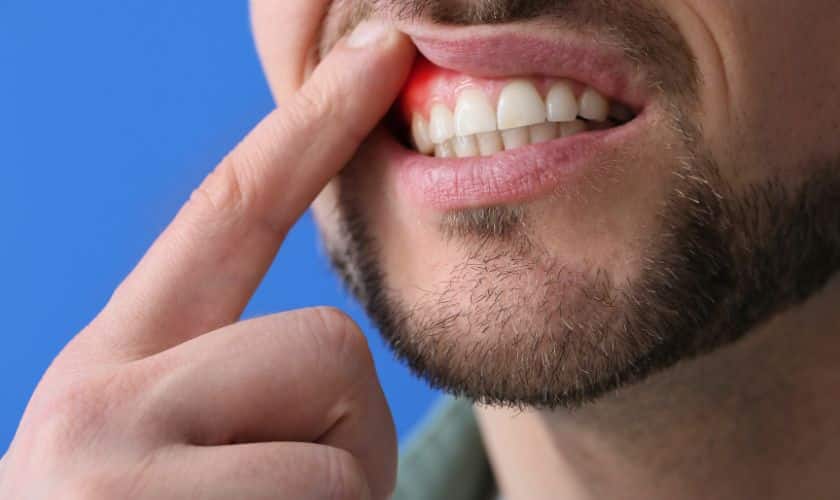
Welcome to the world of oral health where the journey from Gingivitis to Gleaming Gums unfolds. Gingivitis, often underestimated, marks the initial stage of gum disease, signaling the need for proactive intervention. In this comprehensive exploration, we delve into effective treatment paths, guiding you through the intricacies of oral care. From the fundamental commitment to consistent hygiene practices to advanced treatments like scaling and root planing, we unravel the steps that pave the way to healthier gums. Join us on this odyssey, as we navigate dietary adjustments, antibacterial mouthwashes, and lifestyle changes essential for maintaining optimal gum health. Let’s embark on a transformative quest towards a radiant smile and gleaming gums that reflect the vitality of your overall well-being.
Understanding Gingivitis
Gingivitis is characterized by inflammation of the gums, often accompanied by bleeding during brushing or flossing. It is primarily caused by plaque buildup, poor oral hygiene, and certain risk factors like smoking or diabetes. Early recognition is crucial for preventing progression to more severe forms of gum disease.
The Importance of Oral Hygiene
Holistic Well-being: Beyond the Smile
Oral health is more than just having a dazzling smile; it is a cornerstone of holistic well-being. A healthy mouth allows individuals to enjoy the pleasures of eating, speak clearly, and engage socially with confidence. The absence of oral discomfort contributes significantly to an overall sense of physical comfort and mental well-being.
Preventing Dental Woes: The Role of Oral Hygiene
Routine oral hygiene practices serve as a potent shield against common dental problems. Regular brushing and flossing, coupled with routine dental check-ups, are essential in preventing issues like cavities, gum disease, and bad breath. By establishing a robust oral care routine, individuals can mitigate the risk of painful dental conditions and maintain a high standard of oral health.
Oral Health as a Reflection of Systemic Wellness
The state of one’s oral health often mirrors broader systemic health. Research has linked poor oral health to various systemic conditions, including diabetes, cardiovascular diseases, and respiratory infections. A healthy mouth, conversely, contributes to better overall health. Regular dental check-ups can offer insights into potential systemic issues, emphasizing the interconnectedness of oral health and the well-being of the entire body.
Lifestyle Changes for Healthy Gums
Tobacco Cessation
Smoking is a significant risk factor for gingivitis and gum disease. Quitting smoking not only improves overall health but also contributes to better oral hygiene and gum health. Support programs and nicotine replacement therapies can assist in the cessation process.
Balanced Diet
A nutrient-rich diet supports overall health, including oral well-being. Foods rich in vitamins and minerals, such as fruits and vegetables, contribute to gum health. Calcium and vitamin D are particularly essential for maintaining strong teeth and gums.
Advanced Treatment Options
Scaling and Root Planing
In cases where gingivitis has progressed, scaling and root planing may be recommended. This deep cleaning procedure removes plaque and tartar from below the gumline, promoting gum healing and preventing further inflammation.
Antibacterial Therapy
Topical or oral antibiotics may be prescribed to target bacterial infection associated with gingivitis. These medications help control bacterial growth and reduce inflammation, supporting the body’s natural healing processes.
Laser Therapy
Laser therapy is an innovative approach to treating gingivitis. It involves the use of lasers to remove infected tissue and promote gum regeneration. This minimally invasive technique can result in faster healing and reduced discomfort.
Maintaining Gums’ Radiance
Consistent Oral Care
After undergoing treatment, maintaining consistent oral care is crucial. Following a regular brushing and flossing routine, along with scheduled dental checkups, helps prevent recurrence of gingivitis and ensures long-term gum health.
Addressing Underlying Health Conditions
Certain systemic conditions, like diabetes, can impact gum health. Managing these conditions with the guidance of healthcare professionals contributes to overall well-being, including oral health.
Gingivitis is a common oral health concern, but with proactive care and effective treatment, gleaming gums are within reach. By prioritizing oral hygiene, making lifestyle changes, and exploring advanced treatment options when needed, individuals can navigate the path from gingivitis to gleaming gums, ensuring a confident and radiant smile. Regular dental checkups and a commitment to ongoing oral care are the cornerstones of a healthy and vibrant oral environment.
by 110 Dental & Orthodontics | Aug 15, 2023 | Dental Care, Dental Health, Dental Hygiene, Oral Health
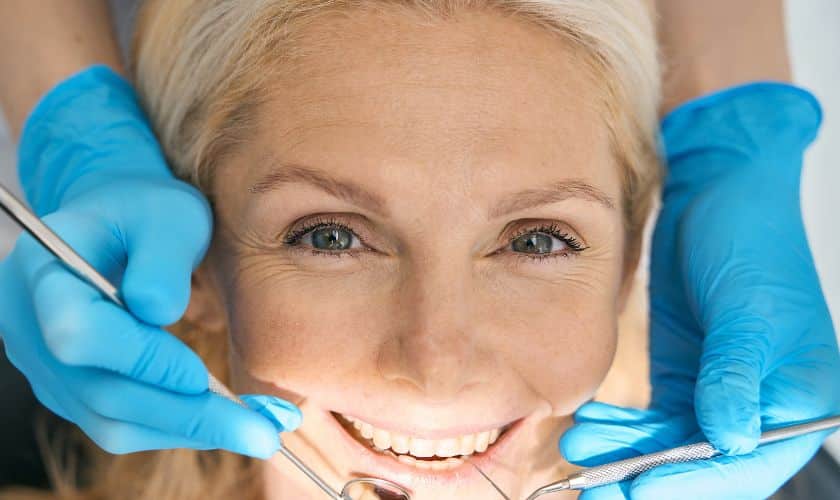
A healthy smile is a reflection of overall well-being, and regular dental visits play a pivotal role in maintaining that smile. In Whitehouse, a community that values good health and quality of life, our dedicated team of dentists is committed to providing exceptional care that goes beyond the surface. In this article, we’ll delve into the significance of regular dental visits and introduce you to our skilled Whitehouse dentists who are passionate about your oral health.
Beyond The Surface: Why Regular Dental Visits Matter
Preventive Care:
Regular dental visits are essential for preventive care. Dental professionals can detect early signs of oral issues such as cavities, gum disease, and oral cancer. Catching these problems early allows for timely intervention and prevents them from becoming more serious and costly.
Professional Cleaning:
Even the most diligent at-home oral hygiene routine cannot remove all the plaque and tartar buildup. Regular professional cleanings by our Whitehouse dentists help maintain healthy gums and prevent oral diseases.
Education and Guidance:
Our dentists are here to educate and guide you on proper oral care techniques. They provide personalized advice on brushing, flossing, and diet, ensuring that you have the tools to maintain optimal oral health at home.
Preventing Tooth Loss:
Gum disease is a leading cause of tooth loss. Regular dental visits can help identify and manage gum disease early, preventing tooth loss and preserving your natural smile.
Cosmetic Enhancement:
Regular dental visits aren’t just about health; they also contribute to your smile’s aesthetics. Our Whitehouse dentists offer cosmetic treatments that can enhance your smile’s appearance, boosting your confidence and self-esteem.
Experience Comprehensive Care in Whitehouse
Our team of experienced Whitehouse dentists is dedicated to providing comprehensive care that addresses not only your oral health but also your overall well-being. We understand that dental visits can be daunting for some, which is why we prioritize creating a comfortable and welcoming environment. Whether you’re visiting for a routine check-up or seeking specialized treatment, our dentists are here to ensure your experience is as stress-free as possible.
The Bottom Line
Regular dental visits are an investment in your oral health and overall quality of life. Our team of dedicated Whitehouse dentists is here to support you on your oral health journey, offering preventive care, personalized guidance, and a commitment to your well-being. Don’t underestimate the power of regular dental visits – they are the cornerstone of a healthy, confident smile that lasts a lifetime.

by 110 Dental & Orthodontics | Jul 3, 2023 | Dental Care, Oral Health
Independence Day is a time to celebrate the birth of our nation, a day filled with patriotism, parades, fireworks, and gatherings with family and friends. As we commemorate this special occasion, let’s not forget the importance of maintaining a healthy smile. After all, a healthy smile contributes to a healthy nation. In this blog post, we will explore how dental health plays a significant role in our overall well-being and share tips on how to celebrate Independence Day while keeping our smiles shining bright.
A Smile That Speaks Freedom
Your smile is a reflection of your confidence and vitality. Celebrate Independence Day by taking care of your oral health, as it directly contributes to your overall well-being. Remember to brush your teeth twice a day, floss regularly, and maintain a healthy diet. These simple habits will help keep your smile radiant and your teeth strong, allowing you to express your freedom with pride.
Dental Health for All
On this day of unity and togetherness, let’s remember that dental health is essential for people of all ages. Encourage your family, friends, and community to prioritize oral hygiene. Share oral health tips and educate them about the importance of regular dental check-ups, preventive treatments, and maintaining a healthy lifestyle. Together, we can build a nation with healthier smiles.
Watch Out for Independence Day Treats
Independence Day celebrations often include a wide array of sugary treats and beverages. While it’s tempting to indulge, it’s crucial to be mindful of the impact of excessive sugar on our dental health. Instead of sticky candies and sugary drinks, opt for healthier alternatives like fresh fruits, vegetables, and sugar-free options. Celebrate with treats that are both delicious and tooth-friendly, ensuring a happy smile throughout the festivities.
Smile-Safe Fireworks
Fireworks are a traditional part of Independence Day, but they can also pose risks to our dental health if proper precautions are not taken. Enjoy the dazzling displays while keeping your smile safe. Be cautious of flying debris and keep a safe distance from fireworks. It’s also a good idea to use ear protection to prevent jaw clenching, which can lead to dental injuries or discomfort.
Express Your Gratitude to Dental Professionals
Independence Day is an opportunity to acknowledge and express gratitude to the dedicated dental professionals who serve our community. Take a moment to appreciate the dentists, hygienists, and staff at dental practices in Whitehouse, TX, who work tirelessly to ensure our oral health. Thank them for their commitment to keeping our smiles healthy and beautiful.
Conclusion
As we come together to celebrate the glorious Independence Day, let’s not overlook the importance of maintaining a healthy smile. By prioritizing dental health, we contribute to a healthier nation. Embrace good oral hygiene habits, make mindful choices during celebrations, and express gratitude to dental professionals. Celebrate with pride, joy, and a bright smile, knowing that a healthy smile today will contribute to a healthier nation tomorrow. Happy Independence Day to all!

by 110 Dental & Orthodontics | May 3, 2021 | General Dentistry, Oral Health
Not only can dry mouth cause a lot of discomfort, but because saliva is your body’s way of naturally protecting and remineralizing teeth it can also contribute to conditions with your teeth and gums such as cavities, gum disease and more. Sometimes treating dry mouth is as simple as finding out what is causing it. Other times, it may need ongoing attention to help provide relief. Read on if you’d like to learn more with these 5 ways to treat dry mouth.
1. Drink Lots of Fluids
Hydration is key when suffering from dry mouth. Regardless of the cause, drinking adequate fluids is important to many functions of the body, including saliva production. It is generally recommended that you drink between a half an ounce to a full ounce for every pound that you weigh. This means that if you weigh 150 pounds, you should drink between 75 and 150 ounces a day, or around 10 to 19 cups. Remember that a drinking glass may be larger or smaller than an actual 8 ounce cup measurement, so it may be helpful to use a water bottle that displays measurements to keep track of your daily fluid intake.
Make sure to try to mostly choose drinks without ingredients that may cause staining or be harmful to teeth, such as dark teas or sugar that may lead to tooth decay.
2. Chew Sugar-Free Gum
Chewing sugar-free gum can be helpful to treat dry mouth especially if you’re looking for ways to treat dry mouth while on the go. Chewing gum can help because it stimulates the body’s saliva flow. Better yet, if you can find a gum with xylitol as the sweetening ingredient, it may actually benefit your teeth because xylitol has been shown to change the pH balance of the mouth to reduce the presence of bacteria and its ability to adhere to teeth, which can reduce the risk of cavities.
3. Suck on a Sugar-Free Hard Candy
Sucking on hard candy or throat lozenges can also help to stimulate saliva flow. Make sure the candy is also sugar-free so it won’t leave a sugary residue on your teeth that can cause tooth decay.
4. Check Your Medications
Beyond looking for ways to treat dry mouth, it may be helpful to find out if anything is contributing to it. A good place to start may be to look up any medications you take for possible side effects that may include dry mouth. Many common medications, both prescription and over-the-counter, can cause reduced saliva production and if dry mouth has become problematic for you while taking a medication then it might be helpful to talk to your doctor.
5. Talk to Your Dentist
If you’re searching for ways to treat dry mouth, it’s a good idea to make an appointment to talk to your dentist, who specializes in oral care and hygiene, about any possible causes and all your options available. If you’ve tried multiple ways to treat dry mouth and it’s still unresolved, your dentist may be able to recommend other treatments such as a special mouthwash or another product or treatment to help provide relief.
Call our Whitehouse dental office to make an appointment with a dentist who may be able to help you find out more about this topic, and improve your oral health.

by 110 Dental & Orthodontics | Jan 1, 2021 | Oral Health
You’ve done a quick breath check after your garlicky lunch. You’re short on time to run back to the office. It can seem like a quick and easy stand in for brushing to pop a stick of gum in your mouth to freshen your breath, but is chewing gum helpful or harmful to your teeth? Can chewing gum help oral health?
Clinical studies have shown that some types of chewing gum can help oral health! Chewing flavored gum can stimulate your mouth’s saliva production up to 10 fold which can help to rinse away bacteria and even neutralize the acids created by bacteria and plaque. It’s all about the type of chewing gum that you choose.
What to Look For
When it comes to choosing a chewing gum with your oral health in mind, it’s important to look for the right sweetener and avoid any harmful sugars. Check the full ingredients list and avoid any chewing gums that contain sugar or high fructose corn syrup. The chewing gums with sweeteners that are safer for your teeth will usually be advertised as “sugar-free” on the front of the packaging.
Xylitol
If you want to take it a step further towards using a chewing gum that can benefit your oral health, finding a kind that contains xylitol can be a great choice. Xylitol can neutralize the harmful bacteria, and the acid created by bacteria and plaque that causes tooth decay, and reduce the bacterias ability to attach to your teeth. Over time, using xylitol can actually change and possibly reduce the bacteria in your mouth to make it less harmful to your teeth.
When Not to Chew Gum
There are times, however, when you should avoid chewing gum. If you have a condition such as TMD or TMJ or are experiencing other discomfort in your jaw, you should see a dentist as soon as possible and avoid chewing gum or eating foods that require a lot of chewing such as bagels or tougher meats.
It’s Still Important to Brush!
One important thing to remember when considering the question, “Can chewing gum help oral health?” is that while chewing gum can benefit your oral health, it cannot replace the benefits of brushing and flossing 2-3 times a day, especially after meals and before you go to sleep at night, so you should always continue practicing your dentist’s recommended dental care routine.
Call our Whitehouse dental office to make an appointment with a dentist who may be able to help you find out more about this topic, and improve your oral health.