by 110 Dental & Orthodontics | Mar 20, 2024 | Dental Health
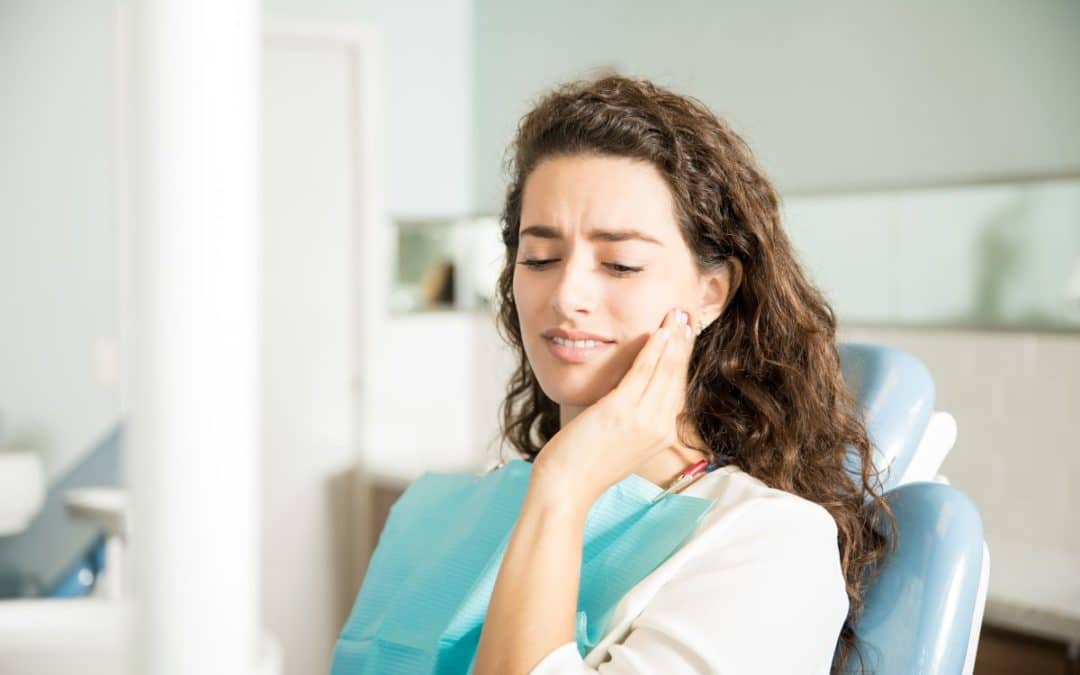
When you bite into something cold and your tooth hurts, it’s hard to ignore. Tooth sensitivity can be the source of a lot of discomfort. The good news is, there are things you can do about it. Let’s examine 5 things that cause tooth sensitivity so you can address it before it starts.
1. Extreme Temperature Changes
Cold or hot food or drinks are the most common things that cause tooth sensitivity. Some sensitivity can be normal, but if you’re noticing that your teeth feel extra sensitive or if you experience sudden or extreme discomfort, this can be a sign of an underlying issue and should be checked out by a dentist as soon as possible.
2. Sugary Sweets
Sugar can affect your teeth in a similar way to extreme temperature changes. If you experience tooth sensitivity in reaction to sweet foods, don’t hesitate to call your dentist.
3. Sinus Pressure
If you have allergies, a cold, sinus infection, or sinus pressure from weather changes, it can affect the nerves in your teeth. It can be helpful to take notes when you experience dental sensitivity and record any other symptoms you’re also experiencing to share with your dentist so that they can help you track down the source of your discomfort.
4. Teeth Whitening Products
Teeth whitening products offer great benefits: a brighter smile. But they can sometimes also have a downside: increased sensitivity. If you’ve been using at-home whitening products or other methods to whiten your teeth, it’s a good idea to check with your dentist to make sure that they are safe and being applied properly to minimize discomfort.
5. Teeth Grinding or Jaw Clenching
Sometimes stress can contribute to increased tooth sensitivity. Look for signs of jaw clenching by checking if the sides of your tongue are indented or if your jaw is tense at different times throughout the day. If your jaw is relaxed, your top and bottom teeth shouldn’t be touching while at rest.
Should You Call Your Dentist?
There are many things that cause tooth sensitivity, so how do you know if it’s something serious or that requires treatment? It’s always best to play it safe and visit your dentist to rule out cavities or gum recession as underlying causes. Your dentist will also be able to offer tips to help you find relief as quickly as possible so that you can get back to enjoying your favorite foods and drinks without discomfort.
Call our Whitehouse dental office to make an appointment with a dentist who may be able to help you find out more about this topic, and improve your oral health.
by 110 Dental & Orthodontics | Dec 28, 2023 | Dental Health, Oral Health
As we bid farewell to the old and welcome the promise of the new, it’s the perfect moment to embark on a journey towards improved health and well-being. While many resolutions focus on fitness, nutrition, or personal growth, one crucial aspect often overlooked is dental health. Our smiles are not only a reflection of happiness but also a barometer of our overall health. In this blog, we unveil a set of New Year’s resolutions tailored to ensure optimal dental health. These resolutions are practical, achievable, and designed to make a lasting impact on your oral well-being.
Join us on this journey as we explore the resolutions that will make a difference in your oral health, providing you with the tools and knowledge to bid adieu to dental woes.
Resolution 1: Regular Dental Check-ups
The cornerstone of good oral health is regular dental check-ups. Make a commitment to visit your dentist at least twice a year for routine examinations and cleanings. These appointments allow your dentist to identify potential issues early on, preventing them from escalating into more significant problems.Remember that maintaining good dental health mostly requires prevention.
Resolution 2: Brush and Floss Consistently
It’s a classic resolution, but one that cannot be overstated – commit to brushing your teeth at least twice a day and flossing once a day. Proper brushing and flossing remove plaque and bacteria, reducing the risk of cavities, gum disease, and bad breath. Consider using fluoride toothpaste to strengthen your enamel and invest in a high-quality toothbrush for effective cleaning.
Resolution 3: Upgrade Your Oral Care Products
Take a look at your toothbrush, toothpaste, and floss. Are they up to par? Consider upgrading to products that are endorsed by dental professionals and are tailored to your specific needs. Electric toothbrushes, for example, are known for providing a more thorough clean than manual ones. Don’t forget to replace your toothbrush or toothbrush head every three to four months for optimal performance.
Resolution 4: Kick the Tobacco Habit
If you’re a tobacco user, make quitting a priority in the new year. Smoking and chewing tobacco can lead to a myriad of dental issues, including gum disease, tooth decay, and even oral cancer. Seek support from friends, family, or a smoking cessation program to increase your chances of success. Your oral health will thank you, and so will your overall well-being.
Resolution 5: Mind Your Diet
What you eat directly impacts your oral health. Reduce your intake of sugary and acidic foods, as they contribute to tooth decay and erosion. Rather, go for a well-balanced diet full of dairy, fruits, vegetables, and lean proteins. Drinking plenty of water throughout the day also helps to flush away bacteria and food particles, contributing to a healthier mouth.
Resolution 6: Wear a Mouthguard
If you grind your teeth at night or play contact sports, you may need to think about getting a mouthguard. These protective devices can prevent injuries and protect your teeth from the damaging effects of grinding or clenching. Your dentist can recommend a custom-fit mouthguard for optimal comfort and protection.
Resolution 7: Stay Hydrated with Water
Water is a natural ally in maintaining good oral hygiene. Commit to staying hydrated throughout the day, as water helps rinse away debris, bacteria, and acids that can lead to tooth decay. This simple resolution not only benefits your teeth but also supports your overall health.
This New Year, let’s prioritize our oral health by adopting these resolutions. A healthy smile not only boosts confidence but also contributes to overall well-being. Make these dental resolutions a part of your routine, and say goodbye to dental woes for good. Here’s to a year filled with bright smiles and excellent oral health!
by 110 Dental & Orthodontics | Nov 28, 2023 | Dental Care, Dental Health
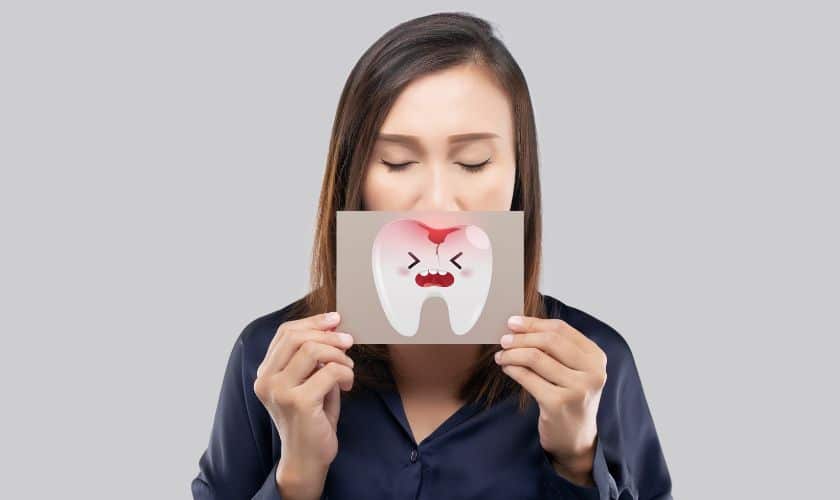
In the quest for a radiant and healthy smile, one of the most formidable adversaries is tooth decay. Cavities, those pesky holes that form in the enamel of our teeth, can wreak havoc on our oral health and undermine the confidence that comes with a beautiful smile. However, armed with the right knowledge and practices, we can fortify our dental defenses and strive for a cavity-free smile. In this guide, we will explore ten tips that serve as a robust defense against tooth decay, paving the way for optimal oral health and a brighter, cavity-resistant smile.
1. Master the Art of Brushing
The foundation of good oral hygiene lies in effective brushing.Apply fluoride toothpaste to your teeth and brush them at least twice a day. Ensure that you’re using a soft-bristled toothbrush to avoid damaging your enamel and gums. Take your time to brush thoroughly, reaching all surfaces of your teeth and gums. Incorporating circular motions can help dislodge plaque and debris effectively.
2. Don’t Forget to Floss
While brushing is essential, it doesn’t cover all bases. Flossing is a crucial step in your oral hygiene routine, reaching areas between teeth that a toothbrush might miss. Floss at least once a day as a habit.This helps remove plaque and prevents the buildup of bacteria in hard-to-reach places.
3. Choose the Right Mouthwash
A quality antimicrobial mouthwash can be a valuable addition to your oral care routine. Look for a mouthwash that contains fluoride and kills bacteria. This can help strengthen enamel, fight cavities, and provide an extra layer of protection against tooth decay. Consult with your dentist to find the best mouthwash for your specific needs.
4. Watch Your Sugar Intake
Diet plays a significant role in dental health. Sugary foods and beverages provide a breeding ground for harmful bacteria that lead to cavities. Limit your intake of sugary snacks and drinks, and when you do indulge, be sure to brush your teeth afterward. Opt for healthier alternatives like fruits and vegetables, which not only contribute to overall health but also promote saliva production, aiding in the natural cleansing of the mouth.
5. Stay Hydrated
Drinking water is not only good for your general health but also for your dental health. Drinking water helps rinse away food particles and neutralize acids in the mouth. Additionally, staying hydrated promotes saliva production, which acts as a natural defense against tooth decay by maintaining the pH balance in your mouth.
6. Regular Dental Checkups
Prevention is key, and regular dental checkups are crucial for identifying and addressing dental issues early on. Dentists can detect the early signs of tooth decay, provide professional cleanings, and offer personalized advice for maintaining optimal oral health. Make it a habit to schedule bi-annual dental appointments to stay on top of your dental care.
7. Consider Dental Sealants
The chewing surfaces of molars and premolars are coated with thin protective coatings known as dental sealants. These sealants act as a barrier, preventing bacteria and acids from settling in the crevices of your teeth. While commonly recommended for children, adults can also benefit from dental sealants in high-risk areas prone to decay.
8. Chew Sugar-Free Gum
Chewing sugar-free gum can be a fun and beneficial habit for your dental health. It stimulates saliva production. Saliva helps neutralize acids in the mouth and remove food particles from the mouth.. Choose gum with xylitol, a sugar substitute known for its ability to inhibit the growth of bacteria that cause cavities.
9. Invest in a Quality Toothbrush
Not all toothbrushes are created equal. Investing in a high-quality electric toothbrush can make a significant difference in your oral hygiene routine. Electric toothbrushes are designed to remove more plaque and bacteria than manual brushes, providing a more thorough clean. Additionally, many electric toothbrushes come with timers to ensure you brush for the recommended two minutes.
10. Practice Mindful Eating
Beyond choosing the right foods, how you eat matters. Avoid constant snacking throughout the day, as this exposes your teeth to a continuous cycle of acid attacks. Instead, practice mindful eating by having structured meals and allowing your mouth time to recover between eating sessions. This approach helps reduce the risk of cavities and promotes better overall digestion.
A healthy, cavity-free smile is within reach with consistent and mindful oral care practices. By mastering the basics of brushing and flossing, making informed dietary choices, and incorporating additional preventive measures, you can fortify your defenses against tooth decay. Remember, a proactive approach to oral health not only preserves your smile but also contributes to your overall well-being. Implement these tips into your daily routine, and you’ll be well on your way to maintaining a radiant, cavity-free smile for years to come.
by 110 Dental & Orthodontics | Nov 21, 2023 | Dental Health
In the realm of oral health, the decision of whether to consult an orthodontist or a dentist can be a pivotal one. While both professionals contribute significantly to the well-being of your teeth and gums, understanding their distinct roles is crucial in making an informed choice. In this blog, we’ll delve into the realms of dentistry and orthodontics, exploring the unique services they offer and helping you navigate the decision-making process for your specific oral health needs. So, whether you’re aiming for routine check-ups or contemplating the straightening of your smile, join us on this exploration of Orthodontist or Dentist: Who Should You See for Your Oral Health Needs?
Dentists: The Generalists of Oral Health
Role of Dentists:
Dentists are your primary oral health care providers, often considered the general practitioners of dentistry. They undergo extensive education and training to diagnose and treat a wide range of oral health issues.
Services Provided:
Routine Check-ups and Cleanings:
- Dentists excel in preventive care, conducting routine check-ups and cleanings to maintain overall oral health. These visits help detect and address issues like cavities, gum disease, and oral cancers in their early stages.
Restorative Procedures:
- From fillings and crowns to root canals, dentists specialize in restoring damaged teeth. They use various techniques to preserve the natural structure of teeth and prevent further deterioration.
Cosmetic Dentistry:
- Dentists can enhance the aesthetics of your smile through cosmetic procedures like teeth whitening, veneers, and bonding. Improving the appearance of teeth contributes to both confidence and overall oral health.
Orthodontists: Specialists in Tooth Alignment
Role of Orthodontists:
The prime focus of Orthodontists is on the alignment of teeth and jaws. After completing dental school, they pursue additional education and training in orthodontics to become specialists in this field.
Services Provided:
Braces and Aligners:
- Orthodontists are experts in designing and implementing orthodontic appliances, such as braces and clear aligners, to correct misalignments and achieve a straighter smile.
Jaw Alignment:
- Issues with jaw alignment, known as malocclusion, are addressed by orthodontists. They use various treatments, including braces and surgical interventions, to correct problems like overbites, underbites, and crossbites.
Treatment of Bite Issues:
- Orthodontists can address bite problems, such as open bites and deep bites, ensuring that the upper and lower teeth meet properly for improved function and aesthetics.
Choosing Between a Dentist and an Orthodontist
General Oral Health Concerns:
For routine dental care, preventive check-ups, and basic restorative procedures, a dentist is your go-to professional. Dentists are equipped to handle common oral health issues and can guide you on maintaining good oral hygiene practices.
Crooked Teeth and Bite Issues:
If you are specifically concerned about crooked teeth or bite problems, consulting with an orthodontist is advisable. Orthodontists have specialized training in diagnosing and treating these issues to enhance both the function and appearance of your smile.
Comprehensive Care:
For comprehensive oral care, collaboration between dentists and orthodontists is often essential. Dentists may refer patients to orthodontists for specialized treatments, and orthodontists may work closely with dentists to ensure that overall oral health is maintained throughout orthodontic treatment.
Age Considerations:
Dentists typically provide care for patients of all ages, while orthodontic treatment is often associated with adolescence. However, an increasing number of adults are seeking orthodontic care for aesthetic and functional reasons.
In the debate between orthodontists and dentists, the key lies in understanding your specific oral health needs. For routine check-ups, cleanings, and general oral health maintenance, dentists are your primary care providers. If you’re dealing with issues related to tooth alignment, jaw positioning, or bite problems, consulting an orthodontist is crucial for specialized care.
Remember, optimal oral health often involves a collaborative effort between dentists and orthodontists. Regular check-ups with a dentist can help prevent issues, while orthodontists can address specific concerns related to the alignment of teeth and jaws. Ultimately, the key to a healthy smile is a balanced approach that considers both general and specialized oral care.

by 110 Dental & Orthodontics | Oct 24, 2023 | Dental Health, Dental Implants
When it comes to replacing missing teeth, two common options are dental implants and dentures. Each option has its own set of advantages and considerations, making it essential to choose the right one for your specific needs. In this article, we’ll compare dental implants and dentures to help you make an informed choice.
Dental Implants
Advantages of Dental Implants:
Natural Appearance:
Dental implants closely resemble natural teeth, offering a highly realistic look and feel.
Durability:
Implants are a long-term solution and can last for decades with proper care.
Preservation of Bone:
Implants stimulate the jawbone, preventing bone loss, which can occur with dentures.
Strong and Stable:
Implants are anchored directly into the jawbone, providing excellent stability and allowing you to eat and speak without worry.
No Dietary Restrictions:
With implants, you can enjoy all your favorite foods without restrictions.
Considerations for Dental Implants:
Cost:
Dental implants tend to have a higher upfront cost compared to dentures.
Surgery:
Implant placement requires oral surgery, which might not be suitable for everyone.
Healing Time:
Implants may require a few months for osseointegration, the process of the implant fusing with the jawbone, to complete.
Dentures
Advantages of Dentures:
Affordability:
Dentures are often a more budget-friendly option initially.
Non-Invasive:
No surgical procedures are required to get dentures.
Versatility:
Dentures can replace multiple teeth or a full arch of teeth.
Adjustability:
If changes occur in your oral health, dentures can be adjusted or replaced more easily than implants.
Considerations for Dentures:
Aesthetic Differences:
Dentures may not look as natural as dental implants.
Oral Health:
Dentures do not stimulate the jawbone, and over time, this can lead to bone loss and changes in facial structure.
Maintenance:
Dentures require regular maintenance, including cleaning and periodic adjustments.
Dietary Restrictions:
Some foods may need to be avoided to prevent damage to dentures.
Stability:
Dentures may not be as stable as dental implants and can shift or slip, affecting speech and eating.
Making the Right Choice
Choosing between dental implants and dentures depends on various factors, including your oral health, budget, and personal preferences. It’s essential to consult with your dentist, who can assess your specific situation and provide expert guidance.
Consider Dental Implants If:
- You want a long-term, durable solution.
- You are willing to invest in a high-quality and natural-looking replacement.
- You want to avoid dietary restrictions and enjoy your favorite foods.
Consider Dentures If:
- You have budget constraints.
- You prefer a non-invasive option.
- You need a versatile solution for replacing multiple teeth or a full arch of teeth.
The Bottom Line
In conclusion, the choice between dental implants and dentures is a personal one that should be made with careful consideration of your individual needs and circumstances. Your dentist can play a pivotal role in helping you make the right choice, ensuring that your smile is restored with a solution that best suits you.
by 110 Dental & Orthodontics | Oct 3, 2023 | Dental Care, Dental Health, Dental Hygiene
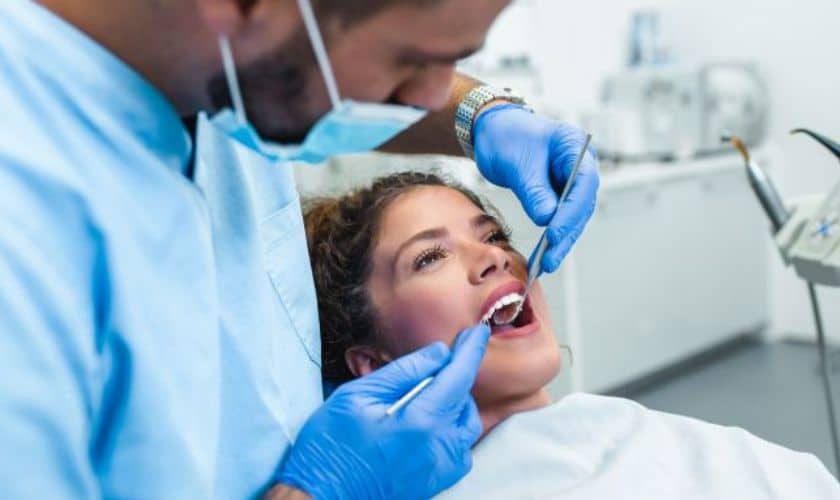
Your oral health is a critical component of your overall well-being, and choosing the right dental office in Whitehouse is paramount to ensure that you receive the best dental care possible. Whether you need routine check-ups, cosmetic treatments, or specialized care, our dental office is committed to providing top-notch dentistry services. Here’s why you can trust us with your dental needs:
1. Experienced and Skilled Dentists:
At our dental office in Whitehouse, you’ll find a team of experienced and skilled dentists dedicated to delivering high-quality care. Our dentists stay up-to-date with the latest advancements in dentistry to provide you with the best treatment options.
2. Comprehensive Services:
We offer a wide range of dental services to meet your needs, from preventive care like cleanings and exams to restorative procedures such as fillings and crowns. We also provide cosmetic dentistry, orthodontics, and oral surgery services, ensuring that all your dental needs are met under one roof.
3. State-of-the-Art Technology:
Our dental office is equipped with state-of-the-art technology and modern dental equipment. We use digital radiography, intraoral cameras, and computer-assisted treatment planning to enhance the accuracy and efficiency of your dental care.
4. Patient-Centered Approach:
Your comfort and satisfaction are our top priorities. We take a patient-centered approach to dentistry, listening to your concerns, explaining treatment options, and involving you in the decision-making process. We want you to feel informed and confident in your dental care.
5. Gentle and Compassionate Care:
We understand that visiting the dentist can be anxiety-inducing for some individuals. Our team is known for providing gentle and compassionate care to ensure your dental experience is as comfortable as possible. We offer sedation options for those who may need extra relaxation during their appointments.
6. Family-Friendly Environment:
Our dental office welcomes patients of all ages. We create a family-friendly environment where children and adults alike can receive quality dental care. We strive to make dental visits enjoyable and educational for our younger patients.
7. Emergency Dental Services:
Dental emergencies can happen at any time. Our dental office offers emergency dental services to address urgent dental issues promptly. You can count on us for immediate relief and expert care when you need it most.
8. Insurance and Payment Options:
We work with various dental insurance plans and offer flexible payment options to make dental care affordable for all our patients. Our knowledgeable staff can help you navigate insurance coverage and financing options.
9. Commitment to Excellence:
We are committed to providing excellence in dentistry. Our dentists and staff continuously pursue continuing education to stay at the forefront of dental advancements, ensuring that you receive the best possible care.
10. Convenient Location:
Our dental office is conveniently located in Whitehouse, making it easy for you to access quality dental care without long commutes or travel.
The Bottom Line
Your oral health deserves the best, and our dental office in Whitehouse is dedicated to delivering top dentistry services. We invite you to experience the difference of our patient-centered approach, advanced technology, and compassionate care. Whether you need a routine check-up or have specific dental concerns, you can trust us as your partner in maintaining a healthy and beautiful smile.