by 110 Dental & Orthodontics | Feb 6, 2026 | Root Canal Therapy
Have you ever bitten into something and felt a sharp twinge in a tooth that was fixed years ago? It’s frustrating when old dental work starts causing trouble. Many people face this issue, wondering if simple discomfort signals a bigger problem. This post dives into what happens when fillings go wrong and whether more advanced care is needed. We’ll cover symptoms, causes, and steps to take, helping you make informed choices for your smile.
Understanding Failed Fillings
Fillings repair cavities by sealing off decayed areas. They restore function and prevent further damage. Over time, though, they can weaken. Daily wear from chewing plays a role. Poor oral habits speed up the process. Bacteria sneak in through tiny gaps. This leads to new decay beneath the surface.
Causes vary widely. Cracks form from temperature changes in food. Grinding teeth at night adds stress. Even age affects durability. Metal types expand and contract, creating micro-fractures. Composite ones might shrink if not placed perfectly. Infection spreads if the original cavity was deep.
In East Texas communities, dentists see these issues often due to local diets high in sweets. Regular checkups catch problems early. Ignoring them risks deeper involvement. That’s when nerves inside the tooth get irritated.
Signs Your Filling Has Failed
Watch for persistent pain. It might throb after eating hot or cold items. Sensitivity lingers longer than usual. Swelling around the gum line appears. A bad taste signals infection.
Visible changes matter too. The tooth darkens or shows lines. Food gets stuck more easily. Loose feelings when biting down occur. Sometimes, no symptoms show until a routine exam.
X-rays reveal hidden decay. Dentists spot shadows under the material. Pus or abscesses form in severe cases. Don’t wait for extreme discomfort. Early signs save teeth from worse outcomes.
When Does a Failed Filling Require Further Treatment?
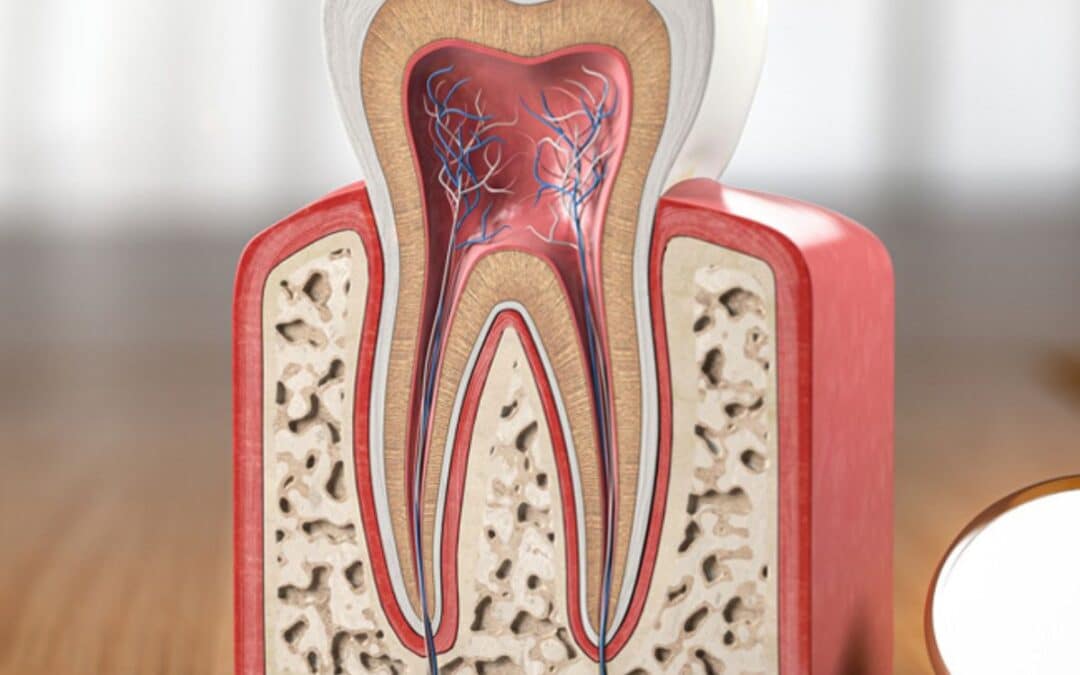
Not every issue needs drastic steps. Small cracks get refilled quickly. But if decay reaches the pulp, options change. The pulp holds nerves and blood vessels. Infection here causes intense pain.
Bacteria thrive in enclosed spaces. They inflame tissues inside. Without intervention, abscesses develop. This spreads to nearby areas. Saving the tooth becomes priority.
Professionals assess depth and spread. They use tools to check vitality. If unresponsive, treatment shifts. Root canal therapy in Whitehouse, TX, addresses these exact scenarios by cleaning out infected parts.
The Root Canal Procedure Explained
This process saves natural teeth. It starts with numbing the area. A small opening accesses the interior. Infected pulp gets removed carefully.
Canals are cleaned and shaped. Special files ensure thoroughness. Medicated material fills the space. A seal prevents re-entry of germs.
Often, a crown follows for strength. The whole visit takes one or two sessions. Modern techniques make it comfortable. Recovery involves mild soreness, managed with over-the-counter relief.
Benefits of Addressing the Issue Promptly
Acting fast preserves your bite. It stops pain from worsening. Natural teeth function better than replacements. Chewing stays efficient.
Infection control protects overall health. Untreated problems link to systemic issues. Heart and joint concerns arise rarely but seriously.
A treated tooth lasts years with care. It blends seamlessly. Confidence in smiling returns. Daily life improves without constant worry.
Trending FAQs on Failed Fillings and Root Canals
People often search for answers online. Here are some common questions based on frequent Google queries, with clear responses.
- What are the signs I need a root canal after a filling? Look for ongoing pain, swelling, or sensitivity. If decay has spread inward, these symptoms emerge. A dental exam confirms it.
- Why do fillings fail over time? Wear, cracks, or poor bonding allow bacteria in. Habits like grinding accelerate this. Regular maintenance helps prevent it.
- Can a root canal fix a failed filling? Yes, if infection reaches the pulp. It removes damaged tissue and seals the tooth. Success rates are high with proper follow-up.
- How long does recovery take after a root canal? Most feel better in a few days. Avoid hard foods initially. Full healing occurs within a week.
- Is a root canal painful? Modern anesthesia makes it similar to a filling. Post-procedure discomfort is minimal and temporary.
These address top concerns from searches on the topic.
Key Statistics on Dental Restorations
Data helps put things in perspective. Here’s a table showing relevant stats from studies on fillings and root canals.
| Restoration Type |
Average Longevity |
Failure Rate |
Success Rate |
| Dental Fillings |
5-15 years |
1-4% annually |
85-95% |
| Root Canals |
Lifetime with care |
Less than 10% |
Over 95% |
| Crowns After Treatment |
10-20 years |
3-5% annually |
90-95% |
These figures come from dental research, highlighting reliability when done well.
Prevention Strategies for Long-Lasting Dental Work
Brush twice daily with fluoride. Floss to remove hidden debris. Use mouthwash for extra protection.
Schedule cleanings every six months. They spot early wear. Avoid sugary snacks that feed bacteria.
Wear a night guard if you grind. It reduces pressure. Stay hydrated to maintain saliva flow.
Healthy habits extend restoration life. They keep minor issues from escalating.
If you’re noticing odd sensations in a previously filled tooth, it’s wise to get checked. Our team is here to guide you through options in a relaxed setting. Feel free to contact us for a consultation that fits your schedule.
In the end, tackling dental concerns head-on leads to lasting comfort. Your teeth deserve attention that keeps them strong. Stay proactive, and enjoy a pain-free smile for years ahead.

by 110 Dental & Orthodontics | Nov 4, 2025 | Root Canal Therapy
Imagine biting into your favorite meal only to wince from a sharp, unrelenting ache. That nagging discomfort isn’t just annoying—it’s your body’s alarm bell. Teeth issues sneak up fast, but catching them early can save your smile and spare you bigger headaches down the road. In this guide, we’ll unpack the subtle cues that scream for professional attention. You’ll walk away empowered to spot trouble before it escalates, blending everyday wisdom with proven dental know-how. Ready to decode your tooth’s SOS? Let’s dive in.
What Is a Root Canal, and Why Consider It?
Root canals often get a bad rap, but they’re lifesavers in disguise. At its core, this procedure targets the tooth’s inner pulp—the soft core housing nerves, blood vessels, and connective tissue. When decay, cracks, or injury let bacteria invade this space, inflammation or infection sets in. Left unchecked, it spreads, threatening the tooth’s root and even nearby bone.
Think of it as a strategic rescue mission. Dentists remove the damaged pulp, clean the canal thoroughly, and seal it to halt further harm. Modern tools make it precise and routine. Most folks return to normal eating within days. The goal? Preserve your natural tooth, maintaining bite function and facial structure. No more wondering if extraction looms—strategic intervention keeps things intact.
Key Signs Your Tooth Needs Urgent Attention
Your mouth whispers warnings long before it shouts. Pay attention to these red flags. They’re not random; they point to pulp distress demanding action.
Persistent Pain That Won’t Quit
Throbbing pain, especially at night or with pressure, tops the list. It might start mild but builds into a constant pulse. Chewing or tapping the tooth amplifies it. This signals nerve irritation from deep decay or trauma. Don’t pop painkillers endlessly—it’s masking a deeper issue.
Heightened Sensitivity to Heat and Cold
Ever sip coffee and feel a jolt shoot through one tooth? Or ice cream triggers zings that linger? This hypersensitivity means the pulp is inflamed. Enamel cracks or large fillings expose it. Unlike fleeting sensitivity from whitening, this sticks around, urging you toward relief.
Noticeable Tooth Discoloration
A once-bright tooth turning gray or pinkish? That’s the pulp dying inside, staining the dentin. Trauma or repeated insults cause this shift. It’s subtle at first but a clear marker. Early spotting prevents abscesses—pockets of pus that complicate everything.
Swelling or Tenderness in Gums
Puffy, tender gums around a tooth aren’t just from brushing too hard. They signal infection brewing below the surface. You might spot a pimple-like bump oozing pus—an abscess draining. Jaw swelling follows if ignored. This combo screams for intervention to avoid systemic spread.
Loose Tooth or Prolonged Bleeding
A wobbly tooth after minor impact? Or gums that bleed easily during flossing? These hint at root instability from untreated pulp problems. Cracks deepen, loosening the foundation. Act fast—stability hinges on timely care.
Why Timing Makes Root Canal Therapy Strategically Essential
Delaying amplifies risks. Bacteria multiply unchecked, eroding bone and inviting reinfection. Strategic necessity kicks in when symptoms cluster, confirming pulp involvement via X-rays or tests. For instance, if decay breaches the pulp chamber, extraction becomes the alternative—losing that tooth disrupts alignment and invites shifts.
In areas like Whitehouse, TX, where everyday wear from local diets or sports amps up dental stress, root canal therapy in Whitehouse, TX shines as a go-to for preserving structure. It’s not reactive; it’s proactive preservation. Pair it with crowns for reinforcement, and you’re set for years of solid function.
Here’s a quick look at success stats, backed by clinical studies:
| Time After Treatment |
Success Rate |
Key Factor |
| 10 Years |
93-94% |
Proper sealing and restoration |
| 20-30 Years |
80-85% |
Regular check-ups and hygiene |
| Long-Term (37+ Years) |
81% |
Crown placement post-procedure |
These numbers highlight reliability when done right. They underscore why spotting signs early pays off big.
Busting Myths: Easing Your Root Canal Worries
Fear often stems from outdated tales. One biggie? “Root canals cause systemic illness.” Science debunks this—studies show no link, and treated teeth even lower cancer risks by 45%. Another: “It’s excruciating.” Modern anesthetics match cavity fills in comfort. Post-op soreness? Mild, managed with ice and rest.
Concerns about durability? With LSI terms like dental pulp vitality and canal disinfection, advances ensure thorough cleaning. Irrigation solutions like sodium hypochlorite zap bacteria effectively. Natural language processing in diagnostics now predicts needs accurately, minimizing surprises.
What about alternatives? Pulp capping works for minor cases, but deep infections demand full endodontic treatment. It’s the gold standard for retention. Chat with pros to weigh options—knowledge dissolves doubt.
Trending FAQs on Root Canals
Curious what others ask? Google trends reveal hot queries. We’ve rounded up top ones with straightforward answers to cut through noise.
- Is a root canal painful? Not during—local anesthesia numbs everything. After? Mild discomfort fades in days, like post-filling tenderness.
- How long does a root canal take? Typically 60-90 minutes per tooth. Complex cases span two visits for monitoring.
- Can I eat normally after? Soft foods first, then resume by day two. Avoid extremes to protect the seal.
- What’s the recovery like? Quick—over-the-counter aids help swelling. Full function returns fast.
- Do root canals last forever? With care, yes—stats show 90%+ success over decades. Follow-ups seal the deal.
- Is it better than extraction? Absolutely—keeps your natural bite, avoiding bridges or implants.
These tackle real worries, arming you for chats with your dentist.
Spotting these cues early transforms dread into confidence. If you’re searching for a dentist in Whitehouse, look for those versed in gentle, precise care. They turn procedures into quick wins.
Action starts with a check-up. Track symptoms in a journal—pain patterns reveal truths. Brush, floss, and rinse daily to fortify defenses. Hydrate well; it supports healing. Remember, one tooth’s SOS affects the whole smile—proactive steps safeguard all.
In wrapping up, embracing these signs isn’t about fear—it’s about fierce protection for your grin. A strategic root canal isn’t defeat; it’s victory over decay, locking in health for smiles ahead. Ready to chat? Call 903-328-6577 to schedule that peace-of-mind appointment today. Your teeth thank you.

by 110 Dental & Orthodontics | Aug 13, 2025 | Root Canal Therapy
Have you ever bitten into something and felt a sharp pain in your tooth that comes and goes? It might be more than just sensitivity. This could be a sign of cracked tooth syndrome, a condition that often flies under the radar but can lead to serious dental issues if ignored. Many people brush it off as minor discomfort. Yet, it sneaks up and causes bigger problems. In this post, we’ll dive into what it is, why it happens, and how to handle it. Stick around for tips that could save your smile.
What is Cracked Tooth Syndrome?
Cracked tooth syndrome involves an incomplete fracture in a tooth. It often affects molars. The crack starts small and may not show on X-rays. Over time, it worsens with daily use. This makes it hard to spot early. Unlike a full break, it hides below the surface. It can involve the enamel, dentin, or even reach the pulp. Local dentists see this often in adults over 40. Grinding or clenching speeds it up. If untreated, it leads to infection.
The syndrome earns its “sneaky” label for good reason. Pain appears inconsistent. You might feel fine one day and ache the next. Bacteria can enter the crack. This sparks inflammation inside the tooth. Pulp damage follows. That’s when things get serious. Early awareness helps. Knowing the basics empowers you to act fast.
Common Causes of Cracked Tooth Syndrome
Several factors trigger cracked tooth syndrome. Chewing hard foods like nuts or ice is a big one. Large fillings weaken teeth over time. They expand and contract, creating stress. Teeth grinding, or bruxism, adds pressure. Trauma from accidents or sports plays a role too. Age matters as well. Teeth become brittle with years of wear.
In areas like East Texas, locals often report issues from habits like chewing on pens. Restorations from past procedures can contribute. Weakened structure invites cracks. Even temperature changes stress teeth. Hot coffee followed by cold water? That can do it. Avoiding these risks lowers chances. Simple changes make a difference.
Recognizing the Symptoms
Symptoms of cracked tooth syndrome vary. Sharp pain when biting is common. It often hits on release. Sensitivity to hot, cold, or sweet foods signals trouble. Swelling around the gum may appear. Some feel pain that radiates to the jaw. It mimics other issues like sinus problems.
Pain comes and goes, frustrating many. You might notice it more with certain foods. Chewy items worsen it. If the crack deepens, constant ache sets in. Infection brings fever or bad taste. Don’t ignore these signs. They point to deeper damage. Tracking when pain occurs helps during visits.
How Dentists Diagnose Cracked Tooth Syndrome
Diagnosis starts with your history. Tell about pain patterns. Visual checks follow. Dentists look for lines on the tooth. They use tools to highlight cracks. Transillumination shines light through the tooth. It reveals hidden fractures. Bite tests involve chewing on a stick. Pain pinpoints the spot.
X-rays help but may miss small cracks. Advanced imaging like CBCT scans shows more. Dye tests stain the fracture for visibility. These methods confirm the issue. Patience is key during exams. Accurate diagnosis guides treatment. Local practices emphasize thorough checks to catch it early.
Dentists rely on various types of dental exams to uncover these sneaky cracks. Combining them ensures nothing slips by.
The Connection to Root Canal Procedures
Cracked tooth syndrome often leads to root canals. Why? The crack allows bacteria in. This infects the pulp. Inflammation builds. Pain intensifies. Without action, abscess forms. Root canals remove the infected part. They clean the canal and seal it. This saves the tooth.
Studies show many root canals stem from untreated cracks. Survival rates post-treatment reach up to 100%. It preserves natural structure. Alternatives like extraction mean more work later. Understanding this link motivates quick care.
If the fracture extends deep, root canal therapy in Whitehouse, TX, becomes essential. It relieves pain and prevents spread.
Treatment Options for Cracked Tooth Syndrome
Treatment depends on crack severity. Minor ones get bonding. It seals the fracture. Crowns cover and protect larger cracks. They distribute force evenly. If pulp is involved, endodontic care follows. This involves cleaning the inner chamber.
In severe cases, extraction is needed. But saving the tooth is priority. Follow-up includes a crown for strength. Healing takes time. Soft foods aid recovery. Regular check-ups monitor progress. Options focus on function and comfort.
Prevention Tips to Avoid Cracked Tooth Syndrome
Preventing cracked tooth syndrome is straightforward. Wear a mouthguard for grinding. Avoid hard foods. Skip ice chewing. Get regular cleanings. They spot early wear.
Custom night guards help bruxism sufferers. Strengthen teeth with fluoride. Stay hydrated to avoid dry mouth. Address large fillings promptly. These steps reduce risks. Healthy habits pay off long-term.
Key Statistics on Cracked Tooth Syndrome
Here’s a quick look at some eye-opening stats. They highlight why awareness matters.
| Statistic |
Value |
Source Insight |
| Prevalence in dental patients |
Nearly 70% have at least one cracked posterior tooth |
Common in adults, often asymptomatic |
| Symptomatic cases |
21% of cracked teeth cause pain |
Leads to frequent dental visits |
| Most affected tooth |
Lower second molar |
Due to biting forces |
| Survival rate after root canal |
75.8% to 100% |
High success with proper care |
| Incidence trend |
Increased over the last decade |
Linked to aging populations and habits |
These numbers show cracks are widespread. Early intervention boosts outcomes.
Trending FAQs on Cracked Tooth Syndrome
People often search for answers on this topic. Here are some trending FAQs based on common Google queries, with clear responses.
- What are the symptoms of cracked tooth syndrome? Sharp pain on biting or releasing is key. Sensitivity to temperatures or sweets follows. Pain may come and go.
- Can a cracked tooth heal on its own? No, cracks don’t self-repair. They worsen over time. Professional treatment is essential to prevent infection.
- How is cracked tooth syndrome diagnosed? Through history, visual exams, bite tests, and imaging. Advanced tools like transillumination help spot hidden fractures.
- What happens if you leave a cracked tooth untreated? Infection spreads. This leads to abscess, severe pain, or tooth loss. Prompt care avoids complications.
- Is cracked tooth syndrome serious? Yes, if ignored. It can cause pulp damage and need extensive procedures. Early detection keeps it manageable.
These address top concerns. They guide readers toward informed decisions.
If you’re dealing with unexplained tooth pain, it could be this hidden issue at work. Taking steps now protects your oral health. Remember, a healthy smile boosts confidence. Don’t let a small crack turn into a big problem. Reach out to a dentist near you in Whitehouse, TX, today. Call (903) 328-6577 to schedule an appointment and get the care you need.
by 110 Dental & Orthodontics | Jun 13, 2024 | Root Canal Therapy
When it comes to dental procedures, few evoke fear and anxiety like the mention of a root canal. However, the truth is that root canal therapy is a pain-free and effective solution for saving a severely damaged or infected tooth. It is a procedure performed by dental professionals to remove the infected pulp within the tooth and restore its function and structure. In this blog, we will explore the process of root canal therapy, debunk common misconceptions, and highlight its benefits as a vital treatment for preserving your smile.
Understanding Root Canal Therapy
Definition and Purpose
Root canal therapy, also known as endodontic treatment, is a dental procedure that focuses on treating the infected or damaged inner portion of the tooth, known as the dental pulp. The purpose is to remove the infected pulp, clean the root canals, and seal them to prevent reinfection.
Causes of Dental Pulp Infection
Dental pulp infection can occur due to deep tooth decay, cracks or fractures in the tooth, traumatic injuries, or repeated dental procedures on the same tooth. Bacteria can enter the pulp, leading to infection, pain, and potential tooth loss if left untreated.
The Root Canal Therapy Process
- Diagnosis: Your dentist will perform a thorough examination, including X-rays, to diagnose the need for root canal therapy. Symptoms may include severe toothache, sensitivity to hot or cold, swelling, or abscess formation.
- Anesthesia and Isolation: Local anesthesia is administered to ensure a pain-free experience during the procedure. The affected tooth is isolated with a rubber dam to keep it clean and saliva-free.
- Pulp Removal: An access point is created in the tooth to reach the dental pulp. The infected or inflamed pulp is carefully removed using specialized instruments. This process eliminates the source of infection and alleviates pain.
- Cleaning and Shaping: The root canals are thoroughly cleaned and shaped to remove any remaining infected tissue and to create a space for the filling material.
- Filling and Sealing: The cleaned root canals are filled with a biocompatible material called gutta-percha, which seals the canals and prevents reinfection. In some cases, a temporary filling may be placed until a permanent restoration, such as a dental crown, can be placed.
- Restoration: To restore the tooth’s function and appearance, a dental crown is typically placed over the treated tooth. The crown provides strength and protection, allowing you to bite and chew normally.
Debunking Common Misconceptions
Pain Myth: The most common misconception about root canal therapy is that it is a painful procedure. However, with modern techniques and anesthesia, the treatment is generally pain-free and no more uncomfortable than getting a dental filling.
Tooth Extraction vs. Root Canal: Some may believe that extracting the tooth is a simpler solution. However, preserving the natural tooth through root canal therapy is preferable whenever possible, as it maintains the integrity of the bite, preserves the surrounding teeth, and avoids the need for more extensive dental work like tooth replacement options.
Benefits Of Root Canal Therapy
- Pain Relief: Root canal therapy eliminates the source of severe toothache and discomfort caused by dental pulp infection, providing immediate pain relief.
- Tooth Preservation: Root canal therapy saves your natural tooth, preventing the need for extraction and preserving your smile’s aesthetics and functionality.
- Efficient Chewing and Speaking: By preserving the natural tooth, root canal therapy allows for normal biting, chewing, and speaking, enhancing overall oral function.
- Preventing Further Complications: Untreated dental pulp infections can lead to abscess formation, bone loss, and the spread of infection to other parts of the body. Root canal therapy prevents these complications, promoting oral and systemic health.
The Bottom Line
Root canal therapy is a pain-free and essential dental procedure that saves severely damaged or infected teeth, providing relief and preserving your smile’s beauty and functionality. By debunking misconceptions and understanding the process and benefits of root canal therapy, you can approach this treatment with confidence and trust in your dental professional’s expertise. Don’t let fear stand in the way of saving your smile—root canal therapy is the solution to restore your oral health and wellbeing.

by 110 Dental & Orthodontics | May 13, 2024 | Root Canal Therapy
Are you one of those people who cringe at the mere mention of a root canal? Well, it’s time to dispel those fears and misconceptions because root canals play a crucial role in maintaining optimal oral health. Far from being a painful and scary procedure, a properly done root canal can save your natural tooth from extraction and prevent further damage to your teeth and gums. So sit back, relax (yes really!), and let’s dive into the world of root canals!
What Are Root Canals?
Root canals are an important part of maintaining optimal oral health. They are used to treat infections of the root canal system, which is the network of tissues and nerves that run from the tip of the root to the base of the tooth. Root canals are also used to treat damage to the root canal system, such as when a tooth is cracked or broken.
Root canals are typically performed by a dentist or endodontist, who will make an opening in the tooth so that they can access the root canal system. They will then clean out any infected tissue and fill the root canal with a sealing material. In some cases, a crown may also be placed on the tooth to protect it from further damage.
Root canals are usually safe and effective, but If you have any concerns about having a root canal, be sure to discuss them with your dentist beforehand.
Why Are Root Canals Important For Oral Health?
Root canals are important for oral health because they help to prevent tooth decay and keep the teeth healthy. Tooth decay is a serious problem that can lead to pain, infection, and even loss of teeth. Root canals help to remove the decaying tissue from the inside of the tooth and prevent further damage.
When Should I Get A Root Canal?
A root canal is a treatment used to save a tooth that is badly damaged or infected. The procedure involves removing the damaged or infected tissue from inside the tooth, then filling and sealing the tooth. Root canals are usually done by dentists, but sometimes endodontists (dentists who specialize in treating teeth) do them.
The most common reason for a root canal is an infection of the pulp (the soft tissue inside the tooth that contains blood vessels, nerves, and connective tissue). This can happen if the tooth is cracked or chipped, or if there is deep decay in the tooth. The infection can cause pain, swelling, and irritation. If it is not treated, it can spread to other parts of the body and make you very sick.
Root canals are usually done in one or two visits to the dentist. During the first visit, the dentist will clean out the infected pulp and put a temporary filling in the tooth. During the second visit, they will put a permanent filling in the tooth.
You should see your dentist regularly for checkups and cleanings. If you have a crack or chip in your tooth, or if you have deep decay, you should see your dentist as soon as possible so that they can decide if you need a root canal.
The Bottom Line
Root canals play an essential role in maintaining optimal oral health. By preserving infected and damaged teeth, root canal treatments allow for long-term dental care. If you have any questions about the procedure or are experiencing signs of infection or damage, we encourage you to consult your dentist as soon as possible to determine whether a root canal is necessary. With timely intervention and proper aftercare, your tooth can be saved and will continue to serve its important function for many years to come.
by 110 Dental & Orthodontics | Feb 20, 2024 | Root Canal Therapy
Welcome to our dental care blog! If you’ve recently undergone a root canal procedure, congratulations on taking the first step toward saving your natural tooth. While root canals may sound intimidating, they are actually quite common and have a high success rate of around 95%. However, proper aftercare is crucial in ensuring that your treated tooth remains healthy and pain-free. In this post, we’ll provide you with all the information you need to know about caring for your tooth after a root canal. So sit back, relax, and let’s get started!
Why Do You Need A Root Canal?
A root canal is a dental procedure that becomes necessary when the pulp, or innermost layer of your tooth, becomes infected or inflamed. This can occur due to deep decay, repeated dental procedures on the same tooth, or trauma to the tooth. If left untreated, an infected tooth can lead to severe pain and swelling as well as potentially serious health problems.
One common misconception about root canals is that they are painful and should be avoided at all costs. However, modern techniques and anesthesia have made this procedure relatively painless compared to what it used to be.
Another reason why you may need a root canal is if you experience sensitivity to hot and cold temperatures or prolonged discomfort in response to pressure being applied to your teeth while biting down. These symptoms could indicate nerve damage inside your tooth which requires prompt attention from a dentist.
If you suspect that you may need a root canal, don’t hesitate! The sooner you seek treatment for any oral health issues the better off your overall health will be in the long run.
How To Care For Your Tooth After A Root Canal?
After undergoing a root canal procedure, it’s essential to take care of your tooth to ensure proper healing and prevent any further damage. Here are some tips on how to care for your tooth after a root canal:
1. Avoid Chewing on the Treated Tooth-
It’s important not to chew or bite down on the treated tooth until you receive the permanent filling or crown. This will help avoid any damage or contamination.
2. Practice Good Oral Hygiene –
Maintaining good oral hygiene is crucial in preventing infection and promoting healing after a root canal. Brush and floss regularly, paying extra attention to the affected area.
3. Take Pain Medication as Prescribed –
You may experience some discomfort following the procedure. If so, take pain medication as prescribed by your dentist to alleviate any pain.
4. Attend Follow-Up Appointments –
Attending all follow-up appointments with your dentist is necessary for ensuring that there are no complications during recovery and that everything is proceeding well.
5. Be Mindful of Your Diet-
Stick to soft foods while recovering from a root canal procedure, avoiding hard or crunchy foods that can cause discomfort or dislodge temporary fillings.
Taking these simple steps will help promote proper healing, prevent further damage, and get you back to normal activities in no time!
What To Expect After A Root Canal?
After a root canal, you may experience some discomfort and
tenderness in your tooth for a few days. This is normal and can be managed with over-the-counter pain medications prescribed by your dentist.
It’s also important to avoid chewing on the affected tooth until it has been fully restored with a crown or filling. This will help prevent any further damage or infection.
You may also notice some sensitivity to hot and cold temperatures after the procedure. This should gradually improve as the area heals, but if it persists, you should contact your dentist.
In rare cases, complications such as persistent pain or infection may occur after a root canal. If this happens, it’s important to follow up with your dentist immediately to address any issues that arise.
While there may be some discomfort and sensitivity following a root canal procedure, most patients are able to resume their daily activities within a day or two of treatment. With proper care and attention from your dentist, you can expect to have long-lasting relief from the pain caused by an infected tooth.
The Bottom Line
Getting a root canal may seem daunting at first, but with the proper care and attention, you can help ensure that your tooth heals properly. From avoiding hard foods to keeping up with regular dental appointments, taking these steps can make all the difference in maintaining good oral health. By following the tips outlined in this article, you’ll be well on your way to keeping your teeth healthy and happy for years to come. Remember: prevention is key! So take care of your teeth today and avoid future dental issues down the line.