
by 110 Dental & Orthodontics | Sep 13, 2024 | Oral Health
When most of us think about our dental health, we think about our teeth, but our gums are also an important part of dental health. That’s why when you visit the dentist for an exam, they’ll examine and x-ray your teeth for signs of cavities, and they’ll also measure your gums for signs of inflammation which is a symptom of gum disease. Let’s talk about 5 reasons to keep your gums healthy.
1. Keep Your Heart Healthy
Gum disease has been linked to an increase in levels of inflammation throughout the body, specifically in relation to the heart. Studies have shown that more advanced stages of gum disease can raise the risk of heart disease and stroke.
2. Keep Your Lungs Healthy
Healthy gums are also important for healthy lungs. Gum disease has also been shown to have a correlation with an increased risk of pneumonia and other respiratory tract infections, too, likely due to an increased exposure to bacteria when breathing through the mouth.
3. Keep Your Mind Healthy
Keeping your gums healthy can also benefit your mental health. Studies suggest that the more you focus on self-care, such as caring for your whole body which includes your teeth and gums, the more likely you are to experience higher levels of confidence and lower rates of anxiety and depression.
4. Keep Your Smile Healthy
One of the most visible and also important reasons to keep your gums healthy is to keep your smile healthy. Not only is your smile often the first thing people notice about you, but it is an integral part of how you relate to people throughout both professional and personal relationships. A healthy smile has been linked to higher levels of self-esteem and social interaction.
5. Keep Your Whole Body Healthy
Last but not least of the reasons to keep your gums healthy is to ensure that your body gets the nutrients it needs. When your gums aren’t healthy, it can cause discomfort, damage or dental loss, which can make it more difficult and less enjoyable to eat healthy foods. Keeping your gums healthy can keep your whole body healthy.
When to See a Dentist
If you’ve noticed possible signs of gum disease, such as redness, swelling, tenderness, bleeding when you floss, or increased sensitivity when eating, talk to your dentist as soon as possible about what you can do to improve your gum health. It’s often as simple as brushing or flossing, but your dentist may also recommend a deep cleaning or prescribe you with a special mouthwash to give you a head start on fighting bacteria.
It’s also important to see your dentist regularly for an exam to catch early signs of gum disease that many people often miss, so if it’s been more than 6 months since your last visit, it’s the perfect time to make an appointment. Your gum health is important, so don’t ignore any symptoms of gum disease, see a dentist at the first sign!
Call our dental office in Whitehouse, TX to make an appointment with our dentist who may be able to help you find out more about this topic, and improve your oral health.
by 110 Dental & Orthodontics | Aug 27, 2024 | Emergency Dental Care
Dental emergencies are often unexpected, but it’s important to know what to do if you have one. While many people assume that the only option is a trip to the ER, an emergency dentist may be the better choice for many reasons. Emergency dentistry focuses on providing quick relief from pain and restoring your oral health and can provide comprehensive care for any dental issue. Read on to learn more about why you should see an emergency dentist and how to find one in your area.
Reasons You Need to See an Emergency Dentist
Fast Relief from Tooth Pain
The most common reason that people seek out an emergency dentist is that they are in pain. If you’re dealing with a toothache, it’s important to get help as soon as possible. An emergency dentist can provide quick relief from the pain and diagnose any underlying issues that could be causing it.
More Comprehensive Treatment Options
Emergency dentists are also able to provide more comprehensive treatment options than you would typically get at an ER. While ER doctors can often provide basic care for toothaches, they aren’t as well-equipped to deal with more serious dental issues. An emergency dentist, on the other hand, can provide a range of treatments, from root canals and crowns to extractions and implants.
Cost Savings
Finally, seeing an emergency dentist instead of going to the ER can save you money. Emergency rooms typically charge more than dentists, so you can save money by seeing an emergency dentist instead.
How to Find an Emergency Dentist
Ask Around
If you’re having a dental emergency, the first step is to find an emergency dentist in your area. One of the best ways to do this is to ask around. Talk to your friends, family members and colleagues who might have visited an emergency dentist in the past. They can provide you with recommendations and point you in the right direction.
Search Online
Another option is to search online for emergency dentists in your area. You can use search engines like Google to find local dentists who offer emergency dental services. Be sure to read reviews and compare the services of different dentists before making your decision.
Call Your Regular Dentist
If you already have a regular dentist, you can call them to see if they offer emergency services. Many dentists offer a limited number of emergency appointments, so they may be able to help you even if they’re not emergency dentists.
Conclusion
Dental emergencies can be painful and overwhelming, but the right care is essential for restoring your oral health. If you’re dealing with a dental emergency, make sure you seek out an emergency dentist as soon as possible. Emergency dentists can provide fast relief from pain, comprehensive treatment options, and cost savings compared to going to the ER.
FAQs
Q: How do I know if I need to see an emergency dentist?
A: If you’re experiencing pain in your teeth or gums, it’s a good idea to see an emergency dentist. Emergency dentists can provide fast relief from pain and diagnose any underlying issues that could be causing it.
Q: How do I find an emergency dentist?
A: The best way to find an emergency dentist is to ask around and get recommendations from friends, family members and colleagues. You can also search online for emergency dentists in your area. Finally, you can call your regular dentist to see if they offer any emergency appointments.
Q: What treatments do emergency dentists provide?
A: Emergency dentists are able to provide a range of treatments, from root canals and crowns to extractions and implants. The type of treatment you need will depend on the underlying cause of your dental emergency.
by 110 Dental & Orthodontics | Aug 18, 2024 | Dental Care
Are your gums showing signs of swelling, redness and bleeding? If so, you may need to get them checked by a dentist. In this article, we’re going to explore five signs that can indicate the need for a dental check-up. You should always visit your dentist if you are experiencing any kind of gum pain or discomfort. Dental check-ups are important for maintaining your oral health and keeping your gums in top shape.
Swelling & Redness
The first indication that you may need to get your gums checked is swelling and redness. If your gums are red, swollen and tender, it could be a sign of gum disease. Gum disease is an infection of the gums that can lead to serious oral health issues if left untreated.
Bleeding Gums
Another sign that you may need to get your gums checked is bleeding when you brush or floss your teeth. This type of bleeding can be a symptom of gingivitis, an early form of gum disease. If you notice that your gums are bleeding when you brush or floss, it’s important to make an appointment with a dentist for a check-up.
Receding Gums
If you notice that your gums are receding, it could be a sign that you need to get your gums checked. Receding gums can be caused by periodontal disease, which is an advanced form of gum disease. If your gums are receding, it’s important to make an appointment with a dentist as soon as possible.
Bad Breath
Bad breath is another indication that you may need to get your gums checked. If you have persistent bad breath, it could be an indication of gum disease. It’s important to make an appointment with a dentist if you are experiencing this symptom.
Loose Teeth
Another sign that you may need to get your gums checked is loose teeth. If you notice that your teeth are becoming loose or wiggly, it could be a sign of gum disease. It’s important to make an appointment with a dentist if you are experiencing this symptom.
Painful Chewing
If you are experiencing painful chewing, it could be an indication that you need to get your gums checked. Painful chewing can be a sign of gum disease. If you are experiencing this symptom, it’s important to make an appointment with a dentist as soon as possible.
Sensitivity
Increased sensitivity is another indication that you may need to get your gums checked. If your teeth are sensitive to cold and hot temperatures, it could be a sign of gum disease. It’s important to make an appointment with a dentist if you are experiencing this symptom.
Discoloration
Discoloration of the gums is another indication that you may need to get your gums checked. If your gums are discolored or have changed color, it could be a sign of gum disease. It’s important to make an appointment with a dentist as soon as possible if you are experiencing this symptom.
If you are experiencing any of the above signs, it’s important to make an appointment with a dentist for a check-up. Dental check-ups are an important part of maintaining your oral health and keeping your gums in top shape.
FAQs
Q: What should I do if my gums are bleeding?
A: If you are experiencing bleeding gums, it’s important to make an appointment with a dentist for a check-up. Dental check-ups are an important part of maintaining your oral health and keeping your gums in top shape.
Q: What should I do if my teeth are becoming loose?
A: If you are noticing that your teeth are becoming loose or wiggly, it’s important to make an appointment with a dentist as soon as possible. Dental check-ups can help diagnose any underlying issues and provide treatment if necessary.
Q: What should I do if my gums are discolored?
A: If your gums are discolored or have changed color, it’s important to make an appointment with a dentist as soon as possible. Dental check-ups can help diagnose any underlying issues and provide treatment if necessary.
by 110 Dental & Orthodontics | Aug 10, 2024 | Dental Implants
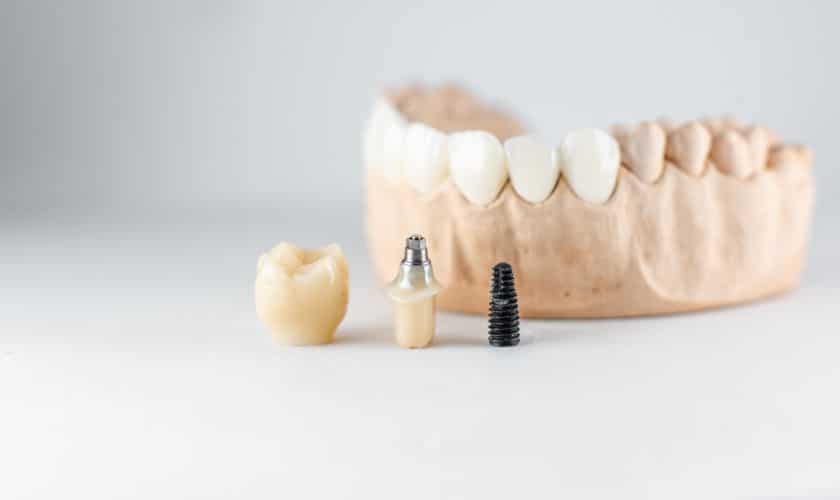
Dental implants are a great way to replace missing teeth and give you back your smile. This article will list some of the symptoms you need to look out for when getting dental implants.
1. Bleeding: One of the most common side effects of dental implant surgery is bleeding. If you notice any bleeding from your gums or mouth after surgery, be sure to contact your dentist right away.
2. Infection: Another potential complication of dental implant surgery is infection. If you notice any redness, swelling, or discharge around your implant site, be sure to contact your dentist right away.
3. Nerve damage: One of the more serious complications that can occur with dental implant surgery is nerve damage. This can cause numbness, tingling, or pain in your lips, gums, tongue, or chin. If you experience any of these symptoms after surgery, be sure to contact your dentist right away.
Swelling And Bruising Around The Gums
If you experience any swelling or bruising around your gums after getting dental implants, it’s important to call your dentist right away. While some degree of swelling and bruising is normal after surgery, excessive or prolonged bleeding could be a sign of infection.
Difficulty Eating Or Speaking
If you’re considering dental implants, it’s important to be aware of the potential complications and side effects. One of the most common complications is difficulty eating or speaking. This can occur if the implant is not placed correctly or if there is damage to the surrounding teeth. If you experience difficulty eating or speaking, it’s important to see your dentist right away so they can make any necessary adjustments.
Increased Pain Or Sensitivity Around The Implant Site
One common complication is increased pain or sensitivity around the implant site. This is usually temporary and can be treated with over-the-counter pain medication. However, if the pain is severe or lasts for more than a few days, you should see your dentist or oral surgeon. Other potential complications include infection, nerve damage, and sinus problems.
Loose Teeth
This can occur for a number of reasons, including improper placement of the implant, damage to the surrounding teeth, or infection. If you experience loose teeth, it’s important to see your dentist as soon as possible so that they can make the necessary adjustments.
Infection
Infection can occur at the implant site or in the surrounding tissue, and it can lead to serious health problems if left untreated.
The symptoms of an infection include:
- Pain at the implant site
- Swelling
- Redness
- Warmth to the touch
- Pus or drainage from the site
If you experience any of these symptoms, it’s important to see your dentist right away. An infection can quickly become serious, so it’s important to get treatment as soon as possible.
Allergic Reactions
When getting dental implants, it is important to be aware of the possibility of allergic reactions. Symptoms to look out for include:
- itchiness
- redness
- swelling
- hives
If you experience any of these symptoms, it is important to contact your dentist or implant specialist immediately. Allergic reactions can be serious and may require medical treatment.
The Bottom Line
Dental implants are a great way to improve your oral health and give you the smile that you have always dreamed of. Pay attention to any common symptoms such as swelling, pain or infection to ensure that your dental implants are successful. If you experience these symptoms, contact your dentist right away so they can treat the problem before it gets worse. With proper care and regular check-ups from your dentist, you should have no problems enjoying the benefits of having dental implants for many years!
by 110 Dental & Orthodontics | Aug 3, 2024 | Cosmetic Dentistry
Cosmetic dentistry is an increasingly popular way of improving the appearance of teeth and smiles and has become a vital part of many people’s dental care routines. Today, cosmetic dentistry is no longer seen as an unnecessary luxury, but rather an essential form of dental treatment that helps improve self-confidence and overall well-being. The time has come for everyone to prioritize their dental health and consider the cosmetic treatments available.
What is Cosmetic Dentistry?
Cosmetic dentistry refers to a range of treatments, procedures, and products which are used to improve the aesthetic appearance of teeth and smiles. This includes whitening, veneers, crowns and bridges, alignments, reshaping, and bonding. An experienced cosmetic dentist will create a tailored treatment plan to address any existing issues, as well as restore and enhance the natural beauty of your smile.
Teeth Whitening
Teeth whitening is one of the most popular forms of cosmetic dentistry. This simple procedure can make a huge difference to how you look and feel when you smile. It is relatively straightforward and the results can be seen almost immediately.
Veneers
Veneers are thin shells of either ceramic or composite material that are attached to the front of your teeth. They’re used to disguise chips, cracks, discoloration, and other minor imperfections in your teeth. Veneers are also great for repairing gaps between teeth, as well as restoring the natural shape and size of your teeth.
Benefits of Cosmetic Dentistry
Cosmetic dentistry can have a huge impact on both your physical and mental well-being. Not only will it improve the appearance of your teeth, but it will also address any underlying dental issues that may be present. This in turn can help to boost your confidence and self-esteem, as well as help you to feel more comfortable when smiling.
Improved Self-Confidence
Having a beautiful smile can do wonders for your self-confidence. Cosmetic dentistry can help to enhance your natural beauty and make it easier for you to smile without feeling embarrassed or self-conscious. This can help to improve your social life and make it easier for you to interact with others.
Improved Oral Health
Cosmetic dentistry can also benefit your oral health by addressing any underlying issues that may be present. For instance, if you have crooked or misaligned teeth, alignments can help to correct this and make it easier for you to maintain good oral hygiene.
Long-Lasting Results
Cosmetic dentistry treatments are designed to provide long-lasting results that can last for several years with proper care and maintenance. This means that you don’t have to worry about going back to the dentist every few months for touch-ups or additional treatments.
Why the Time Has Come for Cosmetic Dentistry
More and more people are choosing to invest in cosmetic dentistry treatments because of the many benefits they offer. Not only can it improve your physical appearance, but it can also boost your self-confidence and overall well-being. The time has come for everyone to prioritize their dental health and consider the cosmetic treatments available.
Advances in Technology
Recent advances in technology have made it easier and more affordable for people to access cosmetic dentistry treatments. This means that there are now plenty of options available, so you’re more likely to find a procedure that suits your individual needs and budget.
Benefits of Investing in Cosmetic Dentistry
Investing in cosmetic dentistry treatments can be hugely beneficial both physically and mentally. You can look forward to enjoying a beautiful smile, as well as improved oral health and an overall boost to your self-confidence.
Improved Accessibility
It’s now easier than ever to access cosmetic dentistry treatments thanks to the increasing number of clinics offering them. This means that you can find a dentist who is experienced in providing the treatment you require, giving you peace of mind that the procedure will be performed safely and effectively.
Conclusion
The time has come for everyone to consider the benefits of cosmetic dentistry and invest in treatment that can provide long-lasting results. With advances in technology, improved accessibility, and a range of treatments available, there is something to suit everyone’s individual needs and budget.
FAQs
Q1: Who is cosmetic dentistry suitable for?
A1: Cosmetic dentistry is suitable for anyone who would like to improve the appearance of their teeth and/or address any underlying dental issues.
Q2: Are cosmetic dentistry treatments expensive?
A2: This depends on the type of treatment you require. However, there are now plenty of options available so you’re more likely to find a procedure that suits your budget.
Q3: What is the recovery time after a cosmetic dentistry treatment?
A3: This depends on the type of treatment you have undergone, but most procedures don’t require any downtime and can be completed in a single appointment.