by 110 Dental & Orthodontics | Feb 13, 2026 | Dental Implants
As we age, our bodies change in ways that can make us wonder about certain procedures. Dental implant surgery stands out as a reliable way to restore smiles, but questions often arise about recovery for older adults. Let’s break down the facts, dispel myths, and offer practical guidance to help you feel confident.
Understanding Dental Implant Surgery
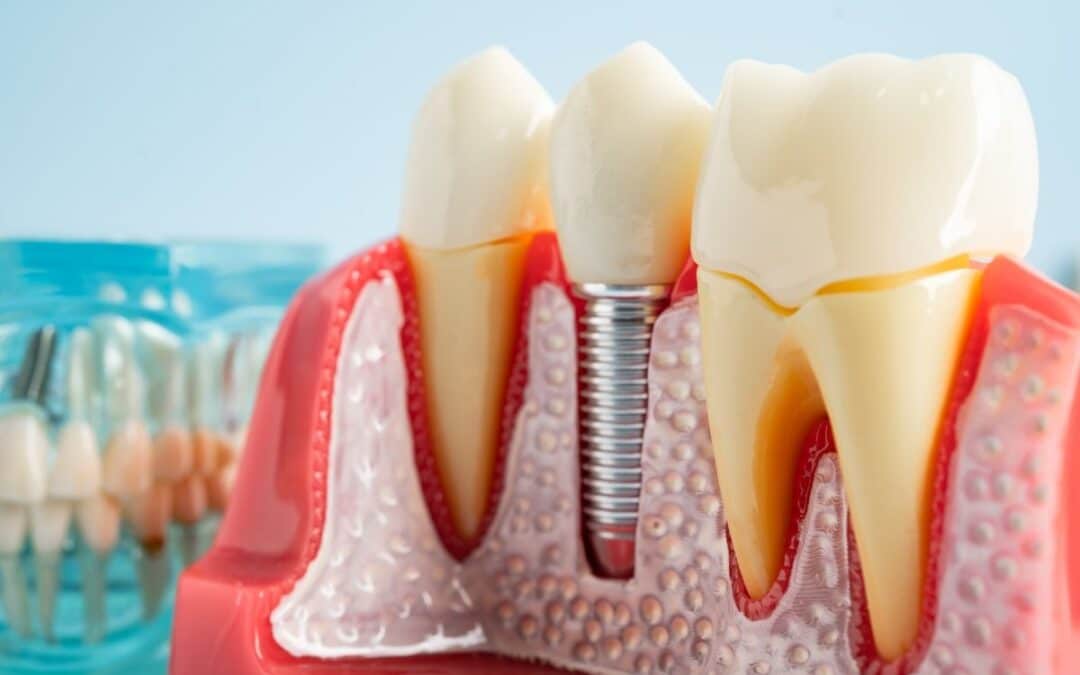
Dental implants replace missing teeth with titanium posts that fuse to the jawbone. This process, called osseointegration, creates a stable base for crowns or bridges. The surgery itself is straightforward and is often performed in one visit under local anesthesia. Most people return to normal activities within days.
Recovery initially involves managing swelling and discomfort. Over time, the implant integrates with bone. Factors like overall health play a big role in how smoothly this goes.
How Age Influences Healing
Age does impact healing, but not as drastically as some think. Younger folks often bounce back faster due to robust cell regeneration. For seniors, the process might take a bit longer due to natural slowdowns in tissue repair.
Studies show that while initial recovery can take longer, overall success remains high. Bone density tends to decrease with age, which could affect integration. Yet, many older patients achieve full fusion within months.
Health conditions common in later years, such as diabetes or osteoporosis, can slow things down more than age alone. Maintaining good nutrition and following care instructions helps counter this.
Key Factors Affecting Recovery in Seniors
Several elements determine how quickly seniors heal from this surgery.
Bone Health and Density
Jawbone quality is crucial. If the bone has thinned over time, a graft might be needed first. This adds steps but ensures stability.
Seniors with adequate bone often see integration within 3 to 6 months, similar to others.
Overall Health and Medications
Chronic issues like heart disease can influence blood flow, extending recovery. Some medications, including blood thinners, might require adjustments.
Staying active and managing conditions well speeds up the process.
Lifestyle Choices
Smoking hinders blood circulation, delaying healing. Quitting before surgery boosts outcomes.
A balanced diet rich in vitamins supports bone repair. Hydration matters too.
Common Concerns Addressed
Many worry about pain or complications. Discomfort is usually mild and managed with over-the-counter relief.
Infections are rare with proper hygiene. Regular check-ups catch issues early.
For upper jaw placements, proximity to sinuses can raise questions. It’s worth noting that some experience concerns around dental implants and sinus issues, but skilled placement minimizes risks through techniques like lifts when needed.
If you’re wondering about local options, dental implants in Whitehouse, TX offer reliable solutions tailored to individual needs.
Trending FAQs on the Topic
Based on frequent searches, here are some top questions people ask about seniors and dental implant healing, with clear answers:
- Does age affect healing after dental implant surgery? Yes, but minimally for healthy seniors. Recovery might add a week or two, yet success rates hover around 95%.
- Are you too old for dental implants? No, age isn’t a barrier. Many in their 80s succeed if health allows.
- Do dental implants work well for the elderly? Absolutely, with high survival rates. They improve chewing and confidence.
- What special considerations apply to dental implants for seniors? Focus on bone density and health management for best results.
- Am I too old for dental implants? What seniors should know before deciding? Consult a professional; most find the process manageable and rewarding.
Statistics on Healing and Success
Here’s a quick look at key data from studies on implant outcomes by age group.
| Age Group |
Average Healing Time (Months) |
Success Rate (%) |
Early Failure Rate (%) |
| Under 40 |
3-4 |
98 |
2 |
| 40-60 |
4-5 |
97 |
3 |
| 60-80 |
4-6 |
95 |
5 |
| Over 80 |
5-7 |
94 |
6 |
These figures show that while time increases slightly with age, success remains strong overall.
Tips for Faster Recovery
To optimize healing, follow these steps.
Rest adequately in the first few days. Use ice packs for swelling.
Stick to soft foods initially, then gradually reintroduce solids.
Keep the area clean with gentle rinsing. Avoid strenuous activity.
Attend all follow-ups. Report any unusual symptoms promptly.
If you are searching for dental implants near you, exploring trusted providers can address your specific situation effectively.
Potential Challenges and Solutions
Slower tissue repair in seniors might lead to extended discomfort. Counter this with anti-inflammatory foods like berries.
Bone loss is common; grafts resolve it in most cases.
Immune responses vary, so boosting with exercise helps.
Long-Term Benefits for Seniors
Once healed, implants feel natural. They prevent bone loss and support facial structure.
Eating favorites becomes easier. Speech improves, too.
Quality of life rises, with many reporting renewed energy.
In wrapping up, dental implant surgery offers lasting value for seniors, even if healing takes a touch longer. With the right approach, outcomes are excellent. Ready to discuss your options? Click here to schedule an appointment.
by 110 Dental & Orthodontics | Jan 29, 2026 | Dental Implants
Choosing a dentist for dental implants can feel overwhelming. After all, this decision impacts your smile, comfort, and long-term oral health. Implants offer a durable solution for missing teeth, blending seamlessly with your natural look. In this guide, we’ll walk through key steps to find the right professional. We’ll address common concerns, share insights from experts, and provide tips to make the process smoother. Let’s dive in and help you feel confident about your choice.
Understanding Dental Implants
Dental implants replace missing teeth with a strong, artificial root. They consist of a titanium post, an abutment, and a crown. The post fuses with your jawbone over time. This creates a stable base. Many people opt for them due to their natural feel and function.
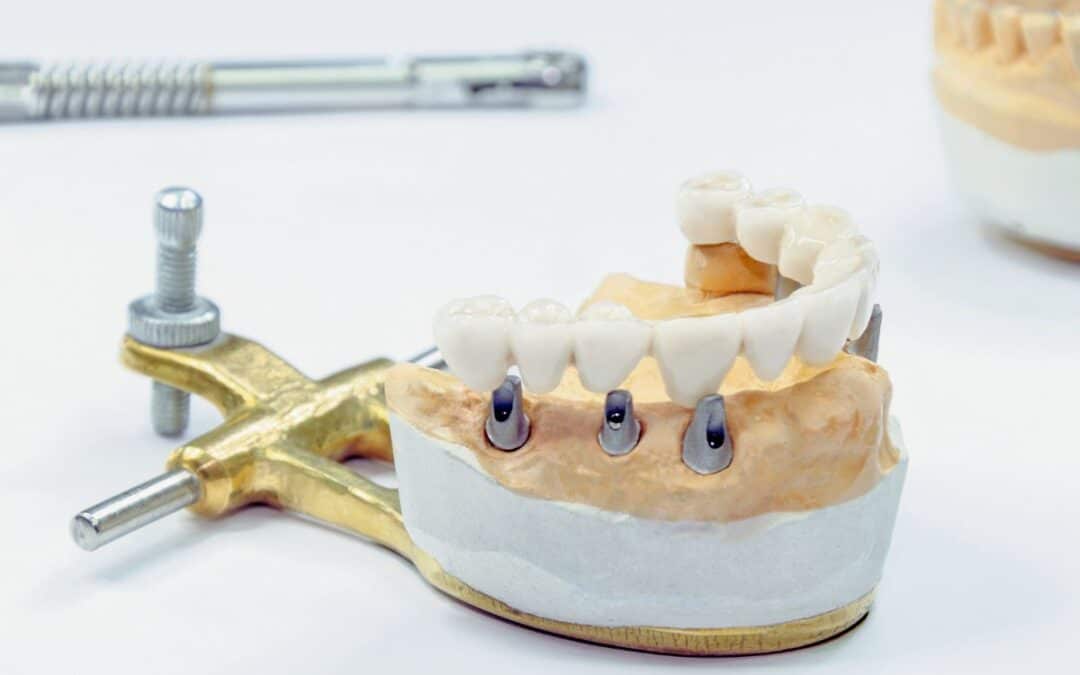
The process starts with a consultation. Your dentist assesses your oral health. They check bone density and gum condition. If needed, they may suggest bone grafting. The surgery places the post in the jaw. Healing takes a few months. Then, the abutment and crown are added.
Implants improve chewing and speaking. They prevent bone loss too. Success depends on proper placement and care. That’s why selecting an experienced provider matters.
Key Factors to Consider When Selecting a Dentist
Start with credentials. Look for advanced training in implant dentistry. Certifications from recognized organizations show expertise. Experience counts. Ask how many procedures they’ve done.
Technology plays a role. Modern tools like 3D imaging help plan accurately. This reduces risks and improves outcomes. Comfort during visits is key. A welcoming office eases anxiety.
Patient reviews offer insights. Read about others’ experiences. Positive feedback on results and care builds trust. Schedule consultations. Meet the team. Gauge their approach.
Questions to Ask Potential Dentists
Prepare a list. Inquire about their success rates. High numbers indicate skill. Ask about the types of implants they use. Quality materials last longer.
Discuss the timeline. Know what to expect step by step. Learn about aftercare. Good follow-up ensures healing. Ask if they handle complications in-house.
Probe their team. Collaborative care with specialists enhances results. Finally, clarify the warranty on the work. This shows confidence in their service.
In Whitehouse, TX, locals often seek providers familiar with regional needs. Our dental implant procedure in Whitehouse, TX, involves detailed planning to match the individual’s jaw structure. This ensures better integration and longevity.
Common Concerns and How to Address Them
Many worry about pain. Sedation options make it manageable. Healing varies by person. Follow instructions to speed recovery.
Bone health is crucial. If density is low, grafts help. Smoking can hinder success. Quitting improves chances. Age isn’t a barrier if health is good.
Infections are rare with proper hygiene. Regular check-ups catch issues early. Implants feel natural once settled. They boost confidence in daily life.
Trending FAQs on Choosing a Dentist for Dental Implants
People often search for answers to specific questions about this topic. Based on common Google queries, here are some trending FAQs with helpful responses:
- How do I know if a dentist is qualified for dental implants? Check for specialized training in implantology. Look for memberships in groups like the American Academy of Implant Dentistry. Experience with hundreds of cases signals reliability.
- What should I ask my dentist before getting implants? Inquire about their success rate, the materials used, and the full procedure timeline. Ask about potential risks and how they handle them.
- Are dental implants safe, and what is their success rate? Yes, they’re safe with proper placement. Studies show over 95% success over 10 years, depending on care and health factors.
- How long do dental implants last? With good maintenance, they can last a lifetime. The crown may need replacement after 10-15 years due to wear.
- What if I’m not a good candidate for implants? Alternatives like bridges or dentures exist. Your dentist can assess your jawbone and overall health and recommend the best option.
These address common concerns and help with decision-making.
Statistics on Dental Implant Success
Understanding data builds confidence. Here’s a table summarizing key stats from reliable studies:
| Factor |
Success Rate |
Notes |
| Overall 10-Year Success |
95-98% |
High with proper care; drops if smoking is involved. |
| 20-Year Survival |
75-88% |
Varies by implant length and bone quality. |
| Early Failure Rate |
3-5% |
Often due to infection or poor integration. |
| Maxilla vs. Mandible |
83% vs. 92% |
The upper jaw has a slightly higher risk due to bone density. |
| With Bone Grafting |
90% |
Improves outcomes in low-density cases. |
These figures highlight why expertise matters. Data from sources like the Journal of Oral and Maxillofacial Surgery.
The Importance of Aftercare and Maintenance
Post-procedure care ensures longevity. Brush and floss daily. Use antimicrobial rinses. Avoid hard foods initially.
Schedule regular visits. Cleanings prevent plaque buildup. Monitor for signs of issues like swelling. Healthy habits extend implant life.
Lifestyle choices help. A balanced diet supports bone health. Quitting tobacco reduces risks. Stay hydrated for gum vitality.
Making Your Final Decision
Weigh all factors. Trust your gut after meetings. A good fit feels right. Prioritize quality over convenience.
If you are searching for a reliable implant dentist near Whitehouse, consider those with strong local reputations for personalized care. They understand community needs and deliver tailored solutions.
Your journey to a better smile starts with the right choice. Implants transform lives by restoring function and aesthetics. Take time to research. Consult professionals. Soon, you’ll enjoy the benefits of a confident, complete smile. Your oral health deserves the best.
by 110 Dental & Orthodontics | Nov 11, 2025 | Dental Implants
Losing a tooth can feel like more than just a gap in your smile. It disrupts the foundation of your oral health. Your jawbone, once supported by natural roots, starts to weaken without that vital anchor. That’s where dental implants step in as a game-changer. They don’t just replace teeth—they revive the dynamic bond between your mouth and bone structure. In this post, we’ll dive into how these tiny titanium wonders work their magic. You’ll walk away with clear answers to your biggest worries, plus practical steps to ensure long-term success. Ready to reclaim that strong, healthy foundation? Let’s explore.
Understanding Osseointegration: The Key to Lasting Stability
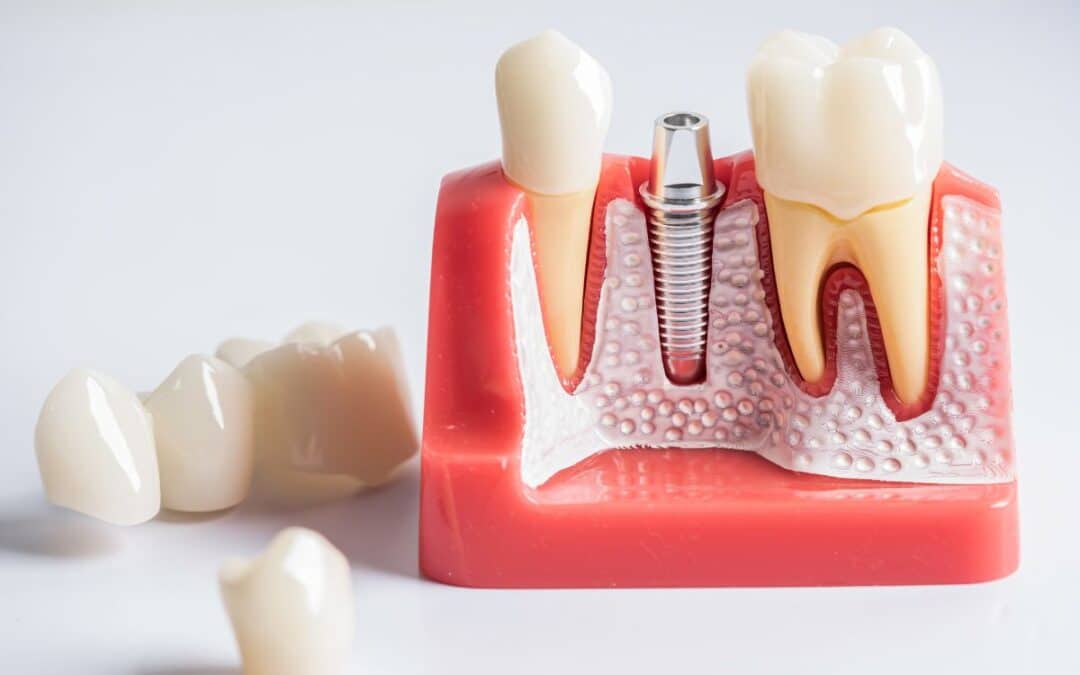
Osseointegration forms the heart of implant success. This biological marvel happens when the implant fuses directly with your jawbone. Titanium posts, biocompatible and strong, act like artificial roots. Over time, bone cells grow around them, creating a seamless lock.
Think of it as your jawbone welcoming a new neighbor. The process kicks off right after surgery. Blood vessels form. Nutrients flow in. Bone tissue remodels itself to embrace the implant. Studies show this fusion typically solidifies in 3 to 6 months. Without it, replacements like bridges or dentures fall short—they can’t mimic this deep-rooted stability.
Why does this matter? It keeps your jaw vital. Natural teeth constantly signal the bone to stay dense through chewing pressure. Implants do the same. No more gradual resorption, that sneaky bone loss stealing your facial contours.
Why Jawbone Health Matters for Your Overall Smile
A healthy jawbone isn’t just about teeth. It supports your face’s shape and function. Tooth loss triggers resorption, where the body breaks down unused bone. Up to 25% of bone height can vanish in the first year alone. This leads to sagging cheeks, a pointed chin, or even speech issues.
Implants halt this cycle. They distribute bite forces evenly, much like natural roots. Patients often notice firmer jawlines and easier eating within months. Plus, this integration boosts confidence. You bite into an apple without worry. Your smile feels authentic again.
Local factors play a role too. In areas like East Texas, where dry air can dry out mouths, maintaining moisture aids healing. Hydrate well. Use saliva substitutes if needed. These small habits amplify the implant’s protective power.
The Step-by-Step Process of Implant Integration
The journey starts with a thorough exam. X-rays reveal bone density. If it’s sufficient, surgery places the post. A small incision exposes the jaw. The titanium screw threads in precisely. Gums close over it for protection.
Healing follows. Osseointegration takes center stage here. Your body lays down new bone layers. Abutments connect later, supporting the crown. Full integration? Expect 4-6 months for lower jaw, slightly longer up top due to softer bone.
For those in Whitehouse seeking reliable care, the dental implant procedure in Whitehouse emphasizes precision. Skilled teams use 3D imaging to map every step. This ensures minimal disruption and faster recovery. Patients report returning to routines quickly, with swelling fading in days.
Factors That Influence Successful Jawbone Fusion
Not every case integrates smoothly. Bone quality tops the list. Dense, type I bone grips implants best. Softer types may need grafts—harvested from your chin or hip for natural fit.
Lifestyle counts too. Smoking constricts blood flow, slowing healing by 20%. Quit early for better odds. Diabetes? Control blood sugar to aid cell growth. Age isn’t a barrier—healthy adults over 60 succeed at rates near 95%.
Infection risks loom if hygiene slips. Brush gently around sites. Rinse with prescribed solutions. Early detection via checkups prevents peri-implantitis, a gum inflammation mimicking periodontitis.
| Factor |
Impact on Success Rate |
Key Tip |
| Bone Density (Type I-II) |
98%+ integration |
Prioritize pre-op scans |
| Non-Smoker Status |
97% overall survival |
Avoid tobacco 2 weeks pre/post-op |
| Controlled Diabetes |
95% fusion rate |
Monitor A1C under 7% |
| Posterior Mandible Placement |
98.9% success |
Ideal for strong bone |
These stats, drawn from long-term studies, highlight predictable outcomes with proactive care.
Caring for Your Jawbone After Implant Placement
Post-integration, maintenance seals the deal. Chew evenly to stimulate bone uniformly. Avoid hard foods initially—opt for soft proteins. Night guards protect against grinding, which stresses new bonds.
Regular cleanings matter. Plaque buildup invites bacteria. Professional scaling keeps tissues healthy. Monitor for signs like loose crowns or pain. Swift action preserves the fusion.
Nutrition fuels it all. Calcium-rich greens and vitamin D from sunlight support remodeling. Omega-3s reduce inflammation. These choices extend implant life, often decades long.
Trending FAQs on Dental Implants and Jawbone Integration
Curious minds search these often. Here’s what Google users ask most, with straightforward answers based on expert consensus:
- How long does osseointegration take for dental implants? Typically 3-6 months. Lower jaw fuses faster than upper due to denser bone. Patience pays off for stability.
- What if I don’t have enough jawbone for an implant? Bone grafting adds volume using your own tissue or synthetics. It integrates well, prepping sites in 4-9 months.
- Can dental implants prevent jawbone loss? Yes. They mimic roots, signaling bone to stay strong. Studies show up to 30% less resorption compared to dentures.
- What affects the success of jawbone integration? Bone health, smoking, and oral hygiene top the list. Non-smokers with good density hit 98% rates.
- Do dental implants hurt during integration? Minimal discomfort. Swelling peaks at day 3, managed with ice and meds. Most resume work in 1-2 days.
These insights address real concerns, empowering your decisions.
If you’re searching for an implant dentist in Whitehouse, look for providers with advanced imaging and patient-centered plans. They tailor approaches to your unique bone profile, ensuring seamless results.
Embracing implants means investing in more than teeth—it’s about vitality. Schedule that consult soon.
Dental implants restore harmony to your jawbone and beyond. They blend science with everyday joy, from hearty meals to radiant grins. You’ve got the tools now: understand the process, nurture your habits, and seek expert guidance. Your strongest smile awaits. Ready to start? Call 903-328-6577 to schedule an appointment today.
by 110 Dental & Orthodontics | Oct 28, 2025 | Dental Implants
Have you ever paused to think about how a single missing tooth might ripple through your daily life? It’s not just about the gap in your smile. That empty space can quietly affect your confidence, your eating habits, and even your energy levels. Dental implants offer a game-changing solution. They restore function and aesthetics while forging a deeper connection to your body’s well-being. In this post, we’ll explore how these innovative tooth replacements bridge oral care and total health. You’ll gain insights to empower your decisions and boost your vitality.
What Are Dental Implants and Why Do They Matter?
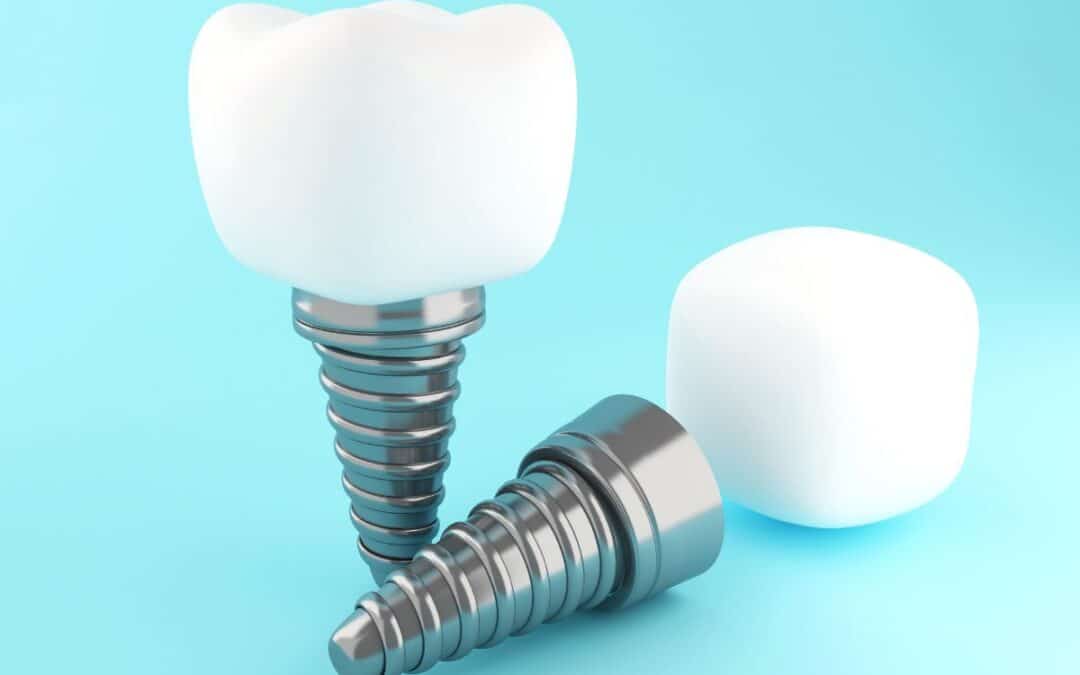
Dental implants mimic natural tooth roots. A titanium post anchors into the jawbone. It supports a crown that looks and feels real. This design sets implants apart from bridges or dentures. They integrate with bone through osseointegration. This process fuses the implant securely over months.
Why consider them? Missing teeth lead to shifts in bite alignment. Over time, this strains the jaw muscles. It invites wear on remaining teeth. Implants halt these issues. They promote stability. Patients often report easier chewing. This simple act enhances nutrition intake. Better diets fuel overall vigor.
Think about your routine. Struggling with tough foods? Implants let you enjoy steak or apples again. Such freedom ties directly to sustained energy and mood.
The Role of Implants in Jawbone Preservation
Your jawbone thrives on stimulation. Natural teeth provide constant pressure during bites. Without them, bone density fades. This resorption alters facial structure. It creates a sunken look. More critically, it weakens support for nearby teeth.
Implants reverse this trend. The post acts like a root. It signals the bone to regenerate. Studies show implants preserve up to 90% of bone volume post-placement. This maintenance extends to facial contours. You avoid that aged appearance from tooth loss.
Jaw health links to broader stability. A robust bone base supports clear speech. It reduces headaches from misalignment. Patients notice sharper focus too. Stable bites ease TMJ discomfort. These gains compound into daily comfort.
In areas like Whitehouse, residents value long-term solutions. For those exploring dental implants in Whitehouse, TX, local expertise ensures tailored fits. This preserves bone while aligning with active lifestyles.
How Dental Implants Boost Nutritional Health
Chewing efficiency matters more than you think. Tooth loss limits food choices. Soft diets often skimp on fiber and proteins. This pattern risks deficiencies. Over years, it hampers immunity and muscle tone.
Implants restore bite force. They match natural teeth closely. Research indicates implant users consume 20% more varied nutrients. Crunchy veggies become feasible. Nuts and grains return to meals. Such diversity combats fatigue and supports heart health.
Oral health ties to digestion too. Thorough chewing breaks down food better. It eases gut workload. Fewer digestive woes mean steadier energy. Imagine vibrant days without mid-afternoon slumps.
The Oral-Systemic Connection: Beyond the Mouth
Your mouth serves as a health gateway. Bacteria from poor oral states can enter the bloodstream. This fuels inflammation elsewhere. Conditions like diabetes worsen with gum issues. Heart disease risks rise too.
Implants disrupt this cycle. They minimize plaque traps. Unlike dentures, they don’t rub gums raw. Cleanings stay routine. A 2023 study linked implant restoration to 15% lower systemic inflammation markers. Stable mouths foster calm bodies.
Mental perks shine here. Restored smiles build self-esteem. Social ease follows. Less anxiety over appearances frees mental space. This holistic lift enhances life quality profoundly.
Navigating Potential Challenges with Implants
No procedure lacks hurdles. Integration requires patience. Swelling or minor discomfort lingers briefly. Adhering to aftercare curbs most woes. Brushing and flossing around implants prevents peri-implantitis. This infection mimics gum disease but responds well to early vigilance.
Upper jaw placements demand care. Proximity to sinuses raises questions. Dental implants and sinus problems can arise if the bone is thin. Perforation risks temporary congestion or pain. Yet, advanced imaging spots issues pre-surgery. Bone grafts or sinus lifts resolve them safely. Most cases heal without lingering effects. Choose providers versed in these techniques for peace of mind.
Lifestyle factors play in. Smoking delays healing. Dry mouth from meds slows recovery. Addressing these upfront maximizes success.
Key Statistics on Implant Outcomes
To grasp implants’ reliability, consider these figures. They highlight why experts endorse them for health integration.
| Statistic |
Value |
Source Insight |
| Overall Success Rate |
95-98% |
Long-term studies (NIH) |
| 10-Year Survival Rate |
96.8% |
Clinical performance data |
| Bone Preservation Benefit |
Up to 90% maintained |
Jaw density research |
| Inflammation Reduction |
15% lower markers |
Systemic health links |
| Nutrient Intake Improvement |
20% more varied |
Dietary habit surveys |
These numbers underscore implants’ track record. They deliver enduring gains when paired with diligent care.
Actionable Tips for Implant Longevity
Ready to thrive with implants? Start with hygiene. Use soft brushes and antimicrobial rinses. Floss daily to shield the base. Schedule biannual checkups. Early spotting keeps complications at bay.
Diet tweaks help. Opt for balanced meals. Calcium-rich foods bolster bone. Avoid extremes like constant hard candies. They stress the crown.
Monitor changes. Sensitivity or looseness warrants a visit. Prompt action preserves health ties.
Stay hydrated. It combats dry mouth. This saliva boost fights bacteria naturally.
Trending FAQs on Dental Implants and Health
Curious about what others ask? Here’s a roundup of top Google queries. These address real concerns with straightforward answers.
- Are dental implants safe for overall health?
Yes, with a 95-98% success rate. They enhance bone health and reduce infection risks when placed by skilled pros.
- How do dental implants affect nutrition?
They restore chewing power, boosting nutrient absorption by up to 20%. This supports immunity and energy.
- Can implants improve cognitive function?
Emerging studies suggest yes. They may increase cerebral blood flow, aiding memory in older adults.
- What makes someone a good candidate?
Healthy gums, sufficient bone, and controlled chronic conditions. Consultations assess fit precisely.
- Do implants prevent facial changes?
Absolutely. They stimulate the jawbone, maintaining structure and youthful contours.
These insights demystify the process. Knowledge empowers confident steps.
If you are searching for a dentist in Whitehouse, TX, look for one who prioritizes comprehensive evaluations. They should discuss your health history openly. This builds trust from day one.
Embracing implants means investing in vitality. They weave oral care into whole-body wellness seamlessly.
As we wrap up, remember: a healthy mouth paves the way for a vibrant life. Implants aren’t just fixes. They’re bridges to better days. Feeling inspired? Reach out today. Call 903-328-6577 to schedule an appointment and unlock your health potential.
by 110 Dental & Orthodontics | Sep 29, 2025 | Dental Implants
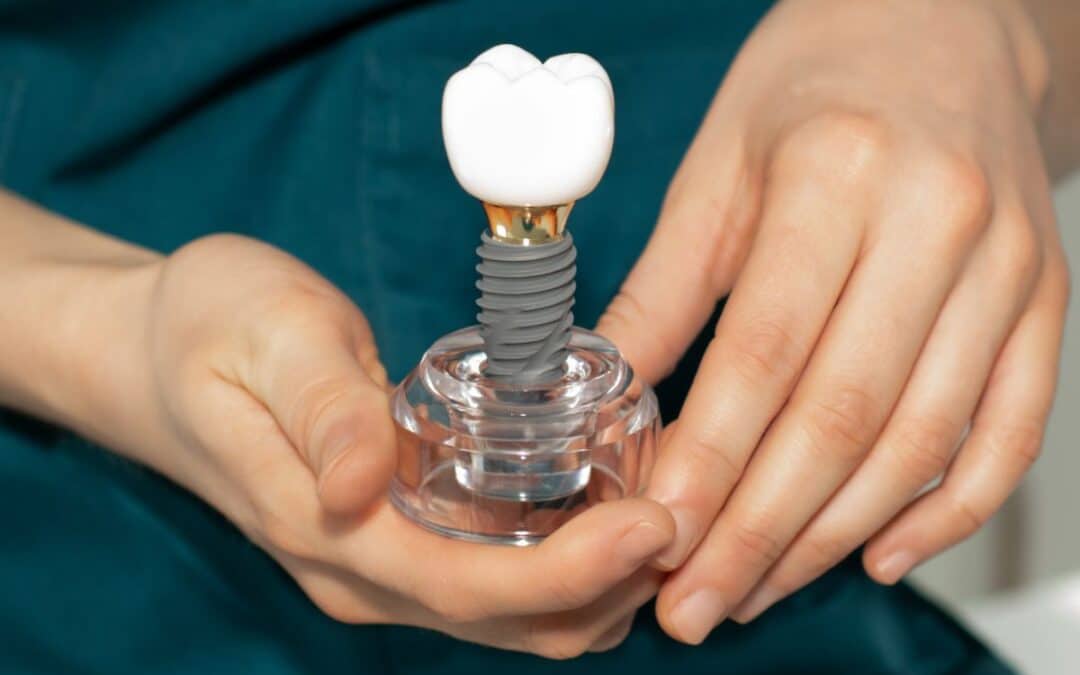
Imagine flashing a confident smile without a second thought. That’s the beauty of dental implants—they blend seamlessly with your natural teeth, restoring function and aesthetics. But like any investment in your health, they thrive with the right attention. Proper cleaning isn’t just a chore; it’s your ticket to decades of worry-free chewing and grinning. In this guide, we’ll walk through practical steps to keep those titanium posts and crowns in top shape. Let’s dive in and make your routine effortless.
Why Proper Care Matters for Your Implants
Dental implants mimic natural teeth, but their success hinges on vigilant maintenance. Without it, plaque can build up around the gum line, leading to peri-implantitis—an inflammatory condition that affects gum health and stability. Think of your implants as anchors in your jawbone. Neglect them, and risks climb.
Studies show strong outcomes with consistent habits. For instance, implants boast high survival rates when cared for well. Here’s a quick look at key stats:
| Care Factor |
Success Rate |
Notes |
| Daily Brushing & Flossing |
97% |
Reduces plaque buildup effectively. |
| Regular Professional Cleanings |
95% |
Every 3-6 months prevents complications. |
| Poor Hygiene (No Routine) |
77% |
Increases peri-implantitis risk by 20-30%. |
| Overall Long-Term Survival |
92-97% |
With combined habits over 10+ years. |
These figures highlight the payoff. Osseointegration—the fusion of implant to bone—stays strong when bacteria stay at bay. Local patients often share how simple tweaks transformed their confidence. Ready to build yours?
Your Daily Cleaning Routine
Consistency is key. Treat implants like natural teeth, but with gentle precision. Start small for big results.
Brushing Techniques That Protect
Grab a soft-bristled toothbrush. Harsh ones scratch the prosthetic surface. Use non-abrasive, fluoride toothpaste. Brush twice daily for two minutes.
Angle the brush at 45 degrees toward the gum line. Use short, circular strokes around each crown and post. Cover all sides: outer, inner, and chewing surfaces. Don’t forget the tongue—it harbors bacteria too.
Pro tip: Electric toothbrushes with sensitive modes work wonders. They vibrate away debris without force. Patients rave about how this keeps their smiles fresh all day.
Flossing and Interdental Tools
Flossing fights hidden plaque between implants and gums. Standard floss might snag on crowns, so try floss threaders or pre-threaded picks.
Slide gently under the gum line. Curve around each implant like a “C.” Do this once daily. For tighter spaces, interdental brushes shine. Choose sizes that fit snugly without pain.
Water flossers add a fun twist. They pulse water to flush out particles. Many find this easier than string floss. Aim for evenings—your reward after dinner.
Mouthwash and Rinse Essentials
Antimicrobial mouthwashes curb bacteria growth. Rinse for 30 seconds after brushing. Look for alcohol-free options to avoid dry mouth.
Chlorhexidine-based rinses suit short-term use, per dental advice. They target peri-implant pockets effectively. Pair with daily habits for a one-two punch against inflammation.
Long-Term Maintenance Strategies
Beyond daily habits, think ahead. Schedule checkups every three to six months. Pros spot subtle shifts early—like minor gum recession.
Monitor your diet. Crunchy veggies are fine, but skip excessive hard candies. They stress the abutments. Quit smoking if you can; it impairs healing and raises infection odds.
Watch for red flags: persistent bleeding, swelling, or looseness. These signal prompt visits. With dental implants in Whitehouse, TX, many locals enjoy 95% success thanks to tailored follow-ups. Tools like proxy brushes help in hard-to-reach spots, extending lifespan.
Stay hydrated. Saliva naturally cleanses. Chew sugar-free gum to boost it. These tweaks ensure your investment lasts 15-25 years or more.
Common Mistakes to Sidestep
Even pros slip up. Using medium-bristle brushes erodes enamel on crowns. Skip whitening pastes—they’re too gritty for titanium.
Over-flossing irritates gums. Gentle is better. Ignoring night guards for grinders? That invites cracks. And forgetting checkups? It lets issues fester.
Catch these early. Adjust habits now for smoother sailing.
Trending FAQs on Dental Implant Care
Curious what others ask? We pulled top Google queries for real insights. Here’s a roundup:
- How do you clean dental implants?
Brush with a soft toothbrush twice daily, floss using threaders, and rinse with antimicrobial mouthwash. Add a water flosser for thoroughness.
- Can I use regular toothpaste on implants?
Yes, but choose non-abrasive, fluoride formulas. Avoid whitening or tartar-control types—they’re too harsh on crowns.
- How often should I get professional cleanings for implants?
Every three to six months. This removes buildup floss misses and checks bone health.
- What if my dental implant feels loose?
Don’t panic—see your dentist ASAP. It could be gum irritation or a rare integration issue. Early fixes prevent bigger problems.
- Do dental implants need special floss?
Traditional floss works with threaders. Interdental brushes or picks suit bridges better for efficiency.
- How long do implants last with good care?
Up to 25 years or lifetime. Proper hygiene and checkups drive 95% success rates.
These cover the buzz. Got more? Your routine evolves with questions.
Maintaining implants feels empowering once it clicks. You’ve got the tools—now own that radiant smile.
If you’re searching for an implant dentist in Whitehouse, TX, look for someone who listens and customizes care. They turn concerns into confidence, ensuring your journey stays smooth.
Picture years of effortless meals and laughs. That’s the gift of well-tended implants. Questions linger? Dive deeper into habits that fit your life.
Ready to chat? Call 903-328-6577 to schedule an appointment. Your brighter tomorrow starts with one step. Keep shining!
by 110 Dental & Orthodontics | Aug 27, 2025 | Dental Implants
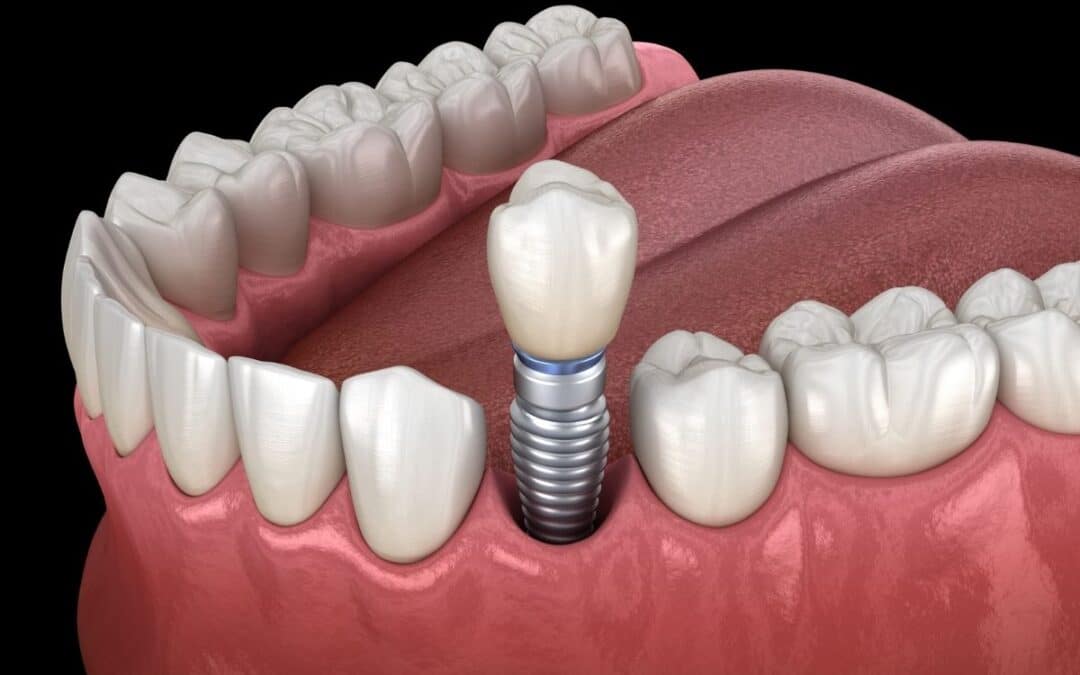
Have you ever wondered why some people breeze through dental procedures while others hit unexpected roadblocks? Implants can restore confidence and function, but not everyone qualifies right away. Hidden health issues often play a sneaky role, catching patients off guard. This post dives into those lesser-known factors. We’ll explore what might stand in your way and how to address them. By understanding these, you can make informed choices about your smile. Stick around for practical tips and expert insights that could change your approach.
Understanding Dental Implant Basics
Dental implants replace missing teeth with sturdy, artificial roots. They fuse to your jawbone for lasting support. Success depends on your body’s ability to heal and integrate the implant. Many assume they’re ideal candidates, but subtle issues can arise. A thorough evaluation uncovers these early.
Doctors check overall health first. Strong gums and bones form the foundation. Without them, implants may fail. Lifestyle habits matter too. Regular checkups help spot problems before they worsen.
Key Eligibility Criteria for Implants
Good candidates have healthy mouths. No active infections or decay. Jawbone must be dense enough to hold the implant. Age plays a part, but adults of most ages qualify if fit.
Commitment to aftercare is vital. Follow-up visits ensure everything heals right. Patients who maintain hygiene see better results.
Hidden Health Factors That May Disqualify You
Certain conditions quietly sabotage implant success. They impair healing or weaken bones. Knowing them helps you prepare.
Uncontrolled Diabetes
High blood sugar slows recovery. It raises infection risk. Well-managed diabetes often allows implants, but poor control disqualifies many. Regular monitoring keeps options open.
Smoking and Tobacco Use
Nicotine restricts blood flow. This hinders bone fusion. Smokers face higher failure rates. Quitting boosts chances significantly.
Gum Disease
Inflamed gums erode bone support. Untreated periodontitis blocks eligibility. Treatment clears the path for implants.
In areas like dental implants in Whitehouse, TX, local experts emphasize gum health during consultations.
Insufficient Bone Density
Thin jawbones can’t anchor implants. Causes include aging or tooth loss. Bone grafts may resolve this, but severe cases need alternatives.
Autoimmune Disorders
These attack healthy tissues. They disrupt integration. Stable conditions might work, but flare-ups pose risks.
Medications for these can suppress immunity, complicating healing.
Heart Conditions and Other Illnesses
Severe heart issues require caution. Blood thinners affect surgery. Cancer treatments like radiation weaken jaws. Discuss history with your doctor.
Osteoporosis meds, such as bisphosphonates, link to bone healing problems.
Recognizing Potential Issues Early
Pay attention to your body. Persistent swelling or pain signals trouble. Fatigue or slow-healing wounds hint at deeper problems.
Learn to spot implant warning signs like unusual bleeding or loose teeth. Early detection prevents disqualification.
Address habits now. Improve diet for better bone health. Exercise supports overall recovery.
Stats on Implant Success and Risks
Here’s a quick look at key statistics. These show how health factors impact outcomes.
| Health Factor |
Estimated Failure Rate Increase |
Source Notes |
| Smoking |
2-3 times higher |
Studies show 10-20% failure vs. 5% in non-smokers |
| Uncontrolled Diabetes |
Up to 15% failure |
Linked to poor healing in 5-10% of cases |
| Gum Disease |
20-30% risk boost |
Common cause in early failures |
| Low Bone Density |
10-15% complication rate |
Often requires grafts |
| Autoimmune Issues |
Variable, up to 25% |
Depends on disease control |
These numbers highlight why screening matters. Success rates overall hit 90-98% with proper health.
Trending FAQs on the Topic
Patients often search for clarity. Here are common questions from online trends, with straightforward answers.
- What medical conditions prevent dental implants?
Uncontrolled diabetes, autoimmune diseases, and severe heart issues top the list. They impair healing or raise infection risks.
- Can smokers get dental implants?
Yes, but success drops. Quitting for weeks before surgery helps. Long-term abstinence improves outcomes.
- Is age a factor for dental implant eligibility?
Not strictly. Teens may wait for jaw growth. Seniors qualify if healthy overall.
- How does gum disease affect implant candidacy?
It erodes bone support. Treatment must come first to ensure stability.
- What if I have low bone density?
Bone grafts often fix this. Evaluation determines if it’s feasible.
These address frequent concerns. Always consult a professional for personal advice.
Steps to Improve Your Candidacy
- Boost your odds with simple changes. Control chronic conditions through meds and lifestyle. Quit harmful habits early.
- Build bone health with calcium-rich foods. Exercise strengthens your frame.
- Regular dental visits catch issues fast. Cleanings maintain gum vitality.
- If you are searching for a dentist near you serving in Whitehouse, TX, consider one focused on comprehensive evaluations.
- Stay proactive. Track symptoms and discuss them openly.
Implants transform lives when conditions align. Don’t let hidden factors surprise you. Schedule a checkup to explore your options. Call 903-328-6577 today for an appointment. Your brighter smile awaits with the right preparation.