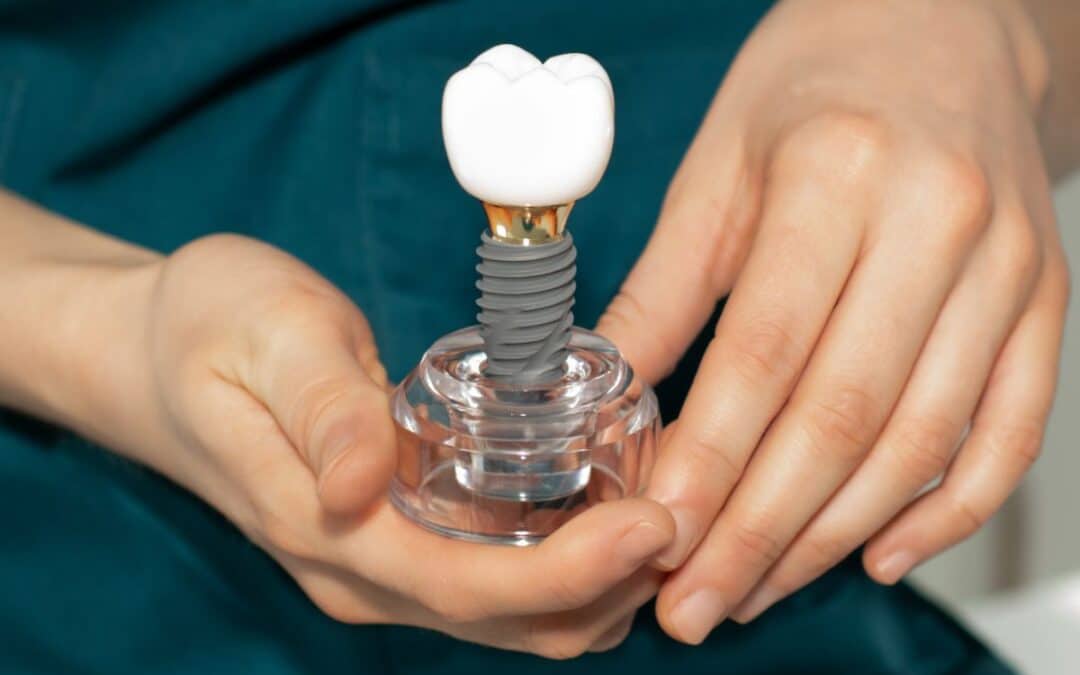
Imagine flashing a confident smile without a second thought. That’s the beauty of dental implants—they blend seamlessly with your natural teeth, restoring function and aesthetics. But like any investment in your health, they thrive with the right attention. Proper cleaning isn’t just a chore; it’s your ticket to decades of worry-free chewing and grinning. In this guide, we’ll walk through practical steps to keep those titanium posts and crowns in top shape. Let’s dive in and make your routine effortless.
Why Proper Care Matters for Your Implants
Dental implants mimic natural teeth, but their success hinges on vigilant maintenance. Without it, plaque can build up around the gum line, leading to peri-implantitis—an inflammatory condition that affects gum health and stability. Think of your implants as anchors in your jawbone. Neglect them, and risks climb.
Studies show strong outcomes with consistent habits. For instance, implants boast high survival rates when cared for well. Here’s a quick look at key stats:
| Care Factor | Success Rate | Notes |
|---|---|---|
| Daily Brushing & Flossing | 97% | Reduces plaque buildup effectively. |
| Regular Professional Cleanings | 95% | Every 3-6 months prevents complications. |
| Poor Hygiene (No Routine) | 77% | Increases peri-implantitis risk by 20-30%. |
| Overall Long-Term Survival | 92-97% | With combined habits over 10+ years. |
These figures highlight the payoff. Osseointegration—the fusion of implant to bone—stays strong when bacteria stay at bay. Local patients often share how simple tweaks transformed their confidence. Ready to build yours?
Your Daily Cleaning Routine
Consistency is key. Treat implants like natural teeth, but with gentle precision. Start small for big results.
Brushing Techniques That Protect
Grab a soft-bristled toothbrush. Harsh ones scratch the prosthetic surface. Use non-abrasive, fluoride toothpaste. Brush twice daily for two minutes.
Angle the brush at 45 degrees toward the gum line. Use short, circular strokes around each crown and post. Cover all sides: outer, inner, and chewing surfaces. Don’t forget the tongue—it harbors bacteria too.
Pro tip: Electric toothbrushes with sensitive modes work wonders. They vibrate away debris without force. Patients rave about how this keeps their smiles fresh all day.
Flossing and Interdental Tools
Flossing fights hidden plaque between implants and gums. Standard floss might snag on crowns, so try floss threaders or pre-threaded picks.
Slide gently under the gum line. Curve around each implant like a “C.” Do this once daily. For tighter spaces, interdental brushes shine. Choose sizes that fit snugly without pain.
Water flossers add a fun twist. They pulse water to flush out particles. Many find this easier than string floss. Aim for evenings—your reward after dinner.
Mouthwash and Rinse Essentials
Antimicrobial mouthwashes curb bacteria growth. Rinse for 30 seconds after brushing. Look for alcohol-free options to avoid dry mouth.
Chlorhexidine-based rinses suit short-term use, per dental advice. They target peri-implant pockets effectively. Pair with daily habits for a one-two punch against inflammation.
Long-Term Maintenance Strategies
Beyond daily habits, think ahead. Schedule checkups every three to six months. Pros spot subtle shifts early—like minor gum recession.
Monitor your diet. Crunchy veggies are fine, but skip excessive hard candies. They stress the abutments. Quit smoking if you can; it impairs healing and raises infection odds.
Watch for red flags: persistent bleeding, swelling, or looseness. These signal prompt visits. With dental implants in Whitehouse, TX, many locals enjoy 95% success thanks to tailored follow-ups. Tools like proxy brushes help in hard-to-reach spots, extending lifespan.
Stay hydrated. Saliva naturally cleanses. Chew sugar-free gum to boost it. These tweaks ensure your investment lasts 15-25 years or more.
Common Mistakes to Sidestep
Even pros slip up. Using medium-bristle brushes erodes enamel on crowns. Skip whitening pastes—they’re too gritty for titanium.
Over-flossing irritates gums. Gentle is better. Ignoring night guards for grinders? That invites cracks. And forgetting checkups? It lets issues fester.
Catch these early. Adjust habits now for smoother sailing.
Trending FAQs on Dental Implant Care
Curious what others ask? We pulled top Google queries for real insights. Here’s a roundup:
- How do you clean dental implants?
Brush with a soft toothbrush twice daily, floss using threaders, and rinse with antimicrobial mouthwash. Add a water flosser for thoroughness. - Can I use regular toothpaste on implants?
Yes, but choose non-abrasive, fluoride formulas. Avoid whitening or tartar-control types—they’re too harsh on crowns. - How often should I get professional cleanings for implants?
Every three to six months. This removes buildup floss misses and checks bone health. - What if my dental implant feels loose?
Don’t panic—see your dentist ASAP. It could be gum irritation or a rare integration issue. Early fixes prevent bigger problems. - Do dental implants need special floss?
Traditional floss works with threaders. Interdental brushes or picks suit bridges better for efficiency. - How long do implants last with good care?
Up to 25 years or lifetime. Proper hygiene and checkups drive 95% success rates.
These cover the buzz. Got more? Your routine evolves with questions.
Maintaining implants feels empowering once it clicks. You’ve got the tools—now own that radiant smile.
If you’re searching for an implant dentist in Whitehouse, TX, look for someone who listens and customizes care. They turn concerns into confidence, ensuring your journey stays smooth.
Picture years of effortless meals and laughs. That’s the gift of well-tended implants. Questions linger? Dive deeper into habits that fit your life.
Ready to chat? Call 903-328-6577 to schedule an appointment. Your brighter tomorrow starts with one step. Keep shining!