by 110 Dental & Orthodontics | Apr 24, 2026 | Invisalign
An underbite can affect more than appearance. Many adults experience jaw discomfort, uneven tooth wear, speech challenges, and difficulty chewing because of bite misalignment. Some people have lived with the issue for years without realizing how much it impacts their oral health and confidence.
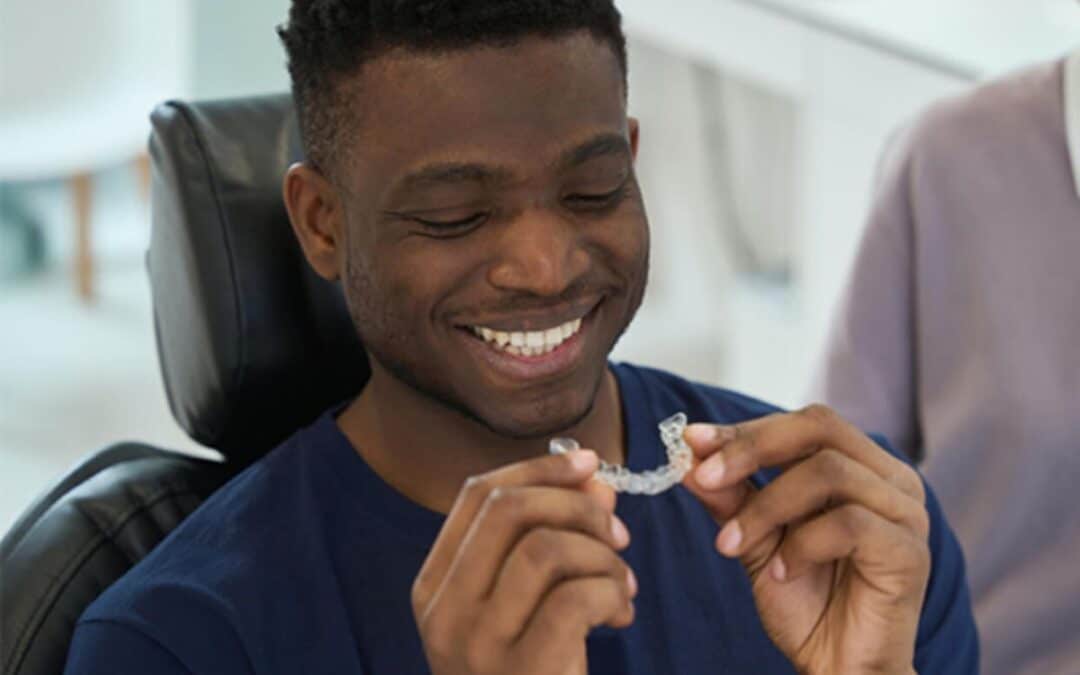
Modern orthodontic care offers more discreet options than traditional braces. Clear aligners have become a popular choice for adults who want a comfortable and less noticeable solution while maintaining their professional and social lifestyles. Understanding how Invisalign works for underbite correction can help patients make informed decisions about their smile and long-term dental health.
What Is an Underbite and Why Does It Matter?
An underbite occurs when the lower teeth sit in front of the upper teeth when the mouth is closed. This can range from mild to severe. Some adults develop underbites because of genetics, while others experience worsening bite alignment over time due to jaw growth, missing teeth, or oral habits.
Common symptoms include:
- Jaw pain or tension
- Difficulty biting into foods
- Tooth grinding
- Speech concerns
- Uneven tooth wear
- Facial imbalance
Ignoring an underbite may lead to additional stress on the teeth and jaw joints. Early orthodontic evaluation can help prevent further complications.
Can Clear Aligners Really Correct an Adult Underbite?
Yes, many mild to moderate underbite cases can be improved with Invisalign aligners. Orthodontists use digital scans and customized treatment planning to gradually reposition teeth into healthier alignment.
Unlike traditional braces, Invisalign aligners are removable and nearly invisible. Adults often prefer this option because it fits more comfortably into daily routines and professional settings.
The treatment works through controlled tooth movement. Each set of aligners slightly shifts the teeth until the bite improves over time.
How Does Invisalign Treatment Work for Underbite Correction?
Orthodontists begin with a complete examination of the teeth, bite, and jaw structure. Digital imaging helps map tooth movement step by step.
Treatment may include:
Customized Clear Aligners
Every aligner tray is designed specifically for the patient’s teeth. The trays apply gentle pressure to guide teeth into better alignment.
Consistent Wear
Patients usually wear aligners 20–22 hours daily. Consistency is important for achieving predictable results.
Many adults appreciate that aligners can be removed during meals and oral hygiene routines, making maintenance easier than traditional orthodontics.
Why Are Adults Choosing Clear Aligners More Often?
Adults often prioritize comfort, appearance, and flexibility when considering orthodontic care.
Here are some reasons why aligners continue to grow in popularity:
| Benefit |
Why Adults Like It |
| Nearly invisible appearance |
Less noticeable during work or social events |
| Removable trays |
Easier eating and brushing |
| Comfortable material |
No brackets or wires |
| Digital treatment planning |
Predictable tooth movement |
| Improved oral hygiene |
Better access for cleaning teeth |
Many adults also want treatments that fit into busy schedules without major lifestyle disruption.
During consultations, patients frequently ask about invisalign treatment in Whitehouse because they want a discreet solution that can address underbite concerns without changing their daily routines significantly.
What Types of Underbites Can Invisalign Improve?
Invisalign is often effective for:
- Mild underbites
- Moderate bite misalignment
- Crowding associated with underbite
- Spacing issues
- Minor jaw alignment concerns
Severe skeletal underbites may require additional orthodontic or surgical evaluation. A professional assessment helps determine whether clear aligners are the right approach.
How Long Does Treatment Usually Take?
Treatment timelines vary depending on the complexity of the underbite and patient compliance.
Factors influencing treatment duration include:
- Severity of bite misalignment
- Tooth crowding
- Jaw positioning
- Daily aligner wear consistency
- Oral health condition
Patients who wear aligners as instructed typically experience smoother progress and more predictable outcomes.
How Can Adults Maintain Their Results After Treatment?
One common concern among adults is relapse after orthodontic care. Proper retention plays a major role in maintaining alignment.
Orthodontists often recommend wearing retainers consistently to help preserve tooth positioning and support long-term bite stability. This is especially important for patients who want to reduce the chances of post-treatment movement and keep their smile aligned after completing clear aligner therapy.
Maintaining strong oral hygiene, attending routine dental visits, and following professional instructions can also help patients maintain their improved bite alignment over time.
Are There Lifestyle Benefits Beyond Straighter Teeth?
Yes. Correcting an underbite can improve several aspects of daily life.
Adults often report:
- Easier chewing
- Better speech clarity
- Reduced jaw strain
- Improved confidence
- More balanced smile appearance
- Better oral hygiene access
Many patients also experience improved comfort during eating and reduced stress on certain teeth.
What Should Adults Expect During the First Consultation?
An orthodontic consultation typically includes:
Digital Imaging
Scans and photographs help evaluate bite alignment and tooth positioning.
Bite Assessment
The orthodontist examines jaw function and underbite severity.
Customized Treatment Planning
Patients receive a personalized plan outlining expected tooth movement and aligner progression.
Oral Health Review
Healthy gums and teeth are important before beginning orthodontic treatment.
Patients often feel more confident once they understand their treatment options and expected outcomes.
Trending FAQs About Invisalign and Adult Underbites
- Can Invisalign fix an underbite in adults?
Yes. Invisalign can improve many mild to moderate adult underbite cases through gradual tooth movement.
- How long does Invisalign take for underbite correction?
Treatment time varies, but many adult patients wear aligners for several months to over a year depending on complexity.
- Does Invisalign help jaw discomfort caused by underbites?
Improving bite alignment may help reduce jaw strain and uneven pressure on teeth.
- Are aligners noticeable during treatment?
No. Invisalign aligners are designed to be discreet and nearly invisible.
- Do adults need retainers after Invisalign?
Yes. Retainers help maintain alignment and support long-term bite stability.
- Is Invisalign removable while eating?
Yes. Patients remove aligners during meals and while brushing or flossing.
Adults considering orthodontic treatment often want experienced guidance and personalized care throughout the process. If you are searching for an expert orthodontist near you, speaking with professionals who understand adult bite correction can help you feel more confident about your treatment journey. Many patients also value working with our local expert orthodontists because they understand the unique concerns adults face during aligner treatment.
Living with an underbite can affect comfort, confidence, and oral health more than many adults realize. Clear aligners offer a modern and discreet way to improve bite alignment while fitting comfortably into everyday life. With customized treatment planning, consistent aligner wear, and proper long-term retention, adults can achieve healthier function and a more balanced smile while helping minimize unwanted tooth movement after treatment. Schedule a consultation today to learn more about your orthodontic options and take the next step toward a healthier smile.
by 110 Dental & Orthodontics | Apr 21, 2026 | Kid-Friendly Dentistry
Gum inflammation in children is more common than many parents expect. Redness, swelling, or bleeding gums can appear even in young kids, often signaling early stages of gum disease. The good news is that with timely care and the right dental approach, these issues can be effectively managed and even reversed.
Understanding how child-focused dental care works is essential for parents who want to protect their child’s smile. Early intervention not only improves oral health but also builds habits that last a lifetime.
What Causes Gum Inflammation in Children?
Gum inflammation, also known as gingivitis, typically develops when plaque builds up along the gumline. Children are especially prone to this because their brushing habits are still developing.
Common causes include:
- Poor oral hygiene
- Plaque and bacterial buildup
- Frequent consumption of sugary snacks
- Mouth breathing
- Hormonal changes (in older children)
When plaque is not removed effectively, it irritates the gums, leading to swelling and bleeding. Over time, untreated inflammation can progress into more serious conditions.
Signs Parents Should Watch For
Early detection is key. Many symptoms are mild at first but can worsen if ignored.
Look out for:
- Red or swollen gums
- Bleeding during brushing or flossing
- Persistent bad breath
- Gum tenderness
- Receding gumline (in advanced cases)
If you notice any of these signs, it’s important to seek professional dental guidance promptly.
How Kid-Friendly Dentistry Helps Treat Gum Inflammation
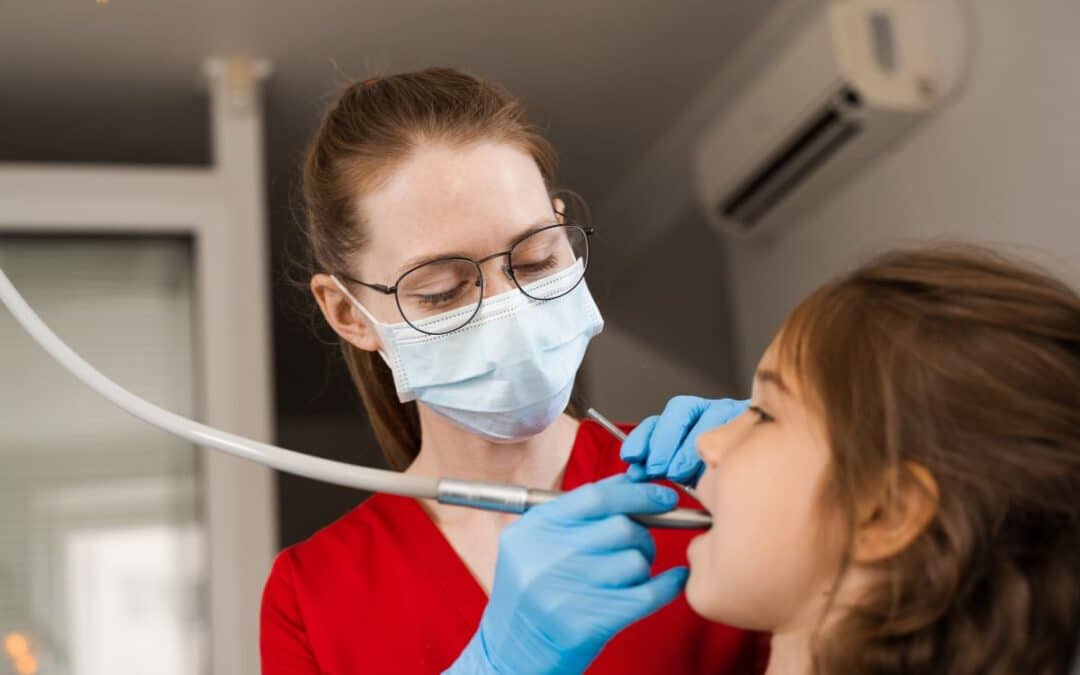
Child-focused dental care is designed to make treatment comfortable and effective. Dentists use gentle techniques and a welcoming environment to ensure children feel safe during visits.
A kid-friendly dentist in Whitehouse, TX can provide tailored care that addresses gum inflammation while considering a child’s comfort and emotional needs. Treatments often include professional cleanings, plaque removal, and guidance on improving oral hygiene routines at home.
Importance of Early Dental Intervention
Treating gum inflammation early prevents long-term complications. Children’s gums are more responsive to care, meaning early-stage gingivitis can often be reversed completely.
Dental professionals also educate both parents and children on proper oral care techniques. This includes demonstrating correct brushing and flossing methods in a way that children can easily understand and follow.
Developing consistent oral routines plays a crucial role. Encouraging effective daily care supports strong gums and helps maintain good brushing routines for children, which significantly reduces the risk of recurring inflammation.
Preventive Measures for Healthy Gums
Prevention is always better than treatment. Simple daily practices can make a big difference in maintaining gum health.
Key preventive tips:
- Brush twice daily using fluoride toothpaste
- Floss regularly (with supervision for younger kids)
- Limit sugary foods and drinks
- Encourage drinking water after meals
- Schedule regular dental checkups
These habits not only prevent gum inflammation but also promote overall oral health.
Information Table: Gum Health in Children
| Factor |
Impact on Gum Health |
| Poor brushing habits |
High risk of plaque buildup |
| Sugary diet |
Increases bacterial growth |
| Regular dental visits |
Early detection and prevention |
| Proper flossing |
Reduces gum inflammation |
| Hydration |
Supports saliva and gum health |
When Should You Visit a Dentist?
Parents should not wait until symptoms worsen. Early visits help prevent complications and make treatment easier for children.
A dental checkup is recommended if:
- Bleeding gums persist for more than a few days
- Swelling does not reduce
- Your child complains of discomfort
- There is visible plaque buildup
If you are searching for a children’s dentist near you, it’s important to choose a professional who understands how to handle young patients with care and patience.
Trending FAQs About Gum Inflammation in Children
1. Can gum inflammation in kids go away on its own?
Mild cases may improve with better oral hygiene, but professional care is often needed.
2. Is gum bleeding normal in children?
No, it usually indicates inflammation or improper brushing.
3. How do dentists treat gum inflammation in kids?
Through gentle cleaning, plaque removal, and oral hygiene guidance.
4. At what age can children get gum disease?
Even young children can develop early-stage gum issues.
5. How can I prevent gum problems in my child?
Maintain consistent brushing, flossing, and regular dental visits.
Building Lifelong Oral Health Habits
Helping children understand the importance of oral hygiene sets the foundation for lifelong health. When kids learn proper care early, they are more likely to maintain these habits into adulthood.
Parents play a crucial role by guiding daily routines and reinforcing positive behaviors. Dental visits should be seen as a normal and positive experience rather than something to fear.
Gum inflammation in children is manageable and often reversible with the right approach. Early detection, proper care, and consistent habits make a significant difference in maintaining healthy gums. Prioritizing your child’s oral health today can prevent more serious issues in the future.
Schedule an appointment today to ensure your child’s smile stays healthy and strong.
by 110 Dental & Orthodontics | Apr 16, 2026 | Cosmetic Dentistry, Teeth Whitening
Fluorosis stains can be frustrating. They often appear as white streaks, cloudy patches, or even brown discoloration on teeth. Many people assume that standard whitening treatments will fix the issue quickly. But the reality is more nuanced. Understanding how fluorosis affects enamel is key to choosing the right solution for a brighter smile.
What Is Dental Fluorosis?
Understanding the Condition
Dental fluorosis develops when teeth are exposed to excessive fluoride during early childhood, while enamel is still forming. This alters how enamel mineralizes, leading to visible changes in color and texture.
Common Signs
- White spots or streaks
- Chalky or opaque patches
- Yellow or brown stains in severe cases
- Slight surface irregularities
Unlike surface stains from coffee or tea, fluorosis is intrinsic, meaning it exists within the enamel itself.
Can Teeth Whitening Remove Fluorosis Stains?
The Honest Answer
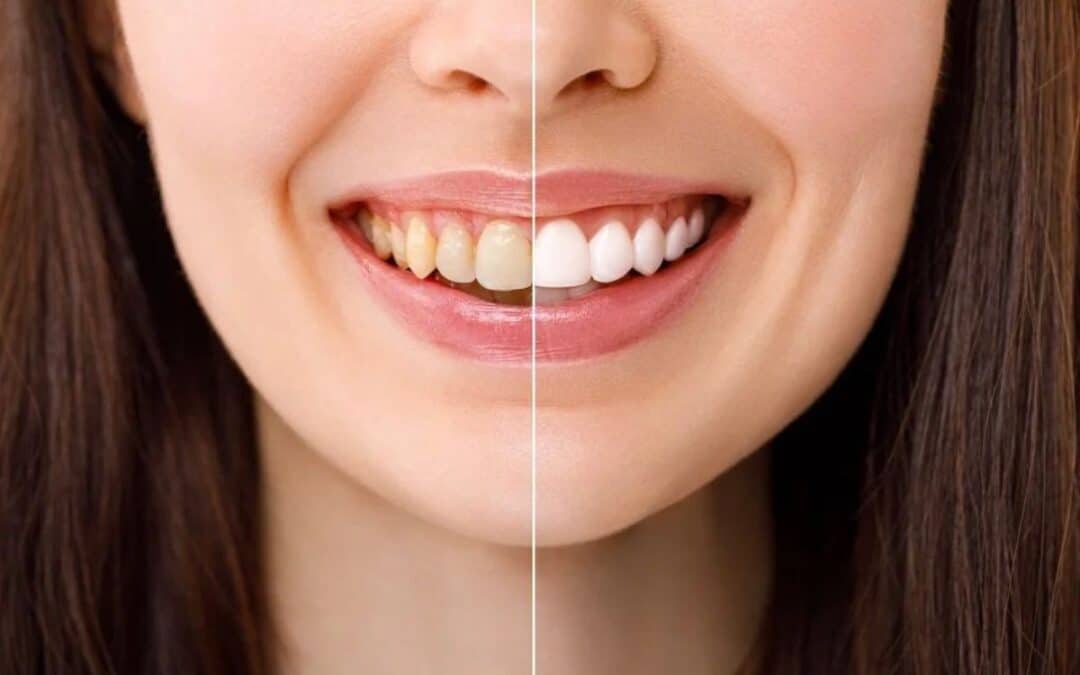
Teeth whitening can help—but it doesn’t always remove fluorosis stains completely.
Whitening treatments work by lightening the natural color of teeth. They are highly effective on external stains. However, since fluorosis is embedded within the enamel, results can vary.
What Whitening Can Do
- Reduce contrast between stained and unstained areas
- Brighten the overall tooth shade
- Improve the appearance of mild fluorosis
What Whitening Cannot Do
- Fully eliminate deep white or brown patches
- Reshape enamel irregularities
- Deliver uniform results in severe cases
This is why a personalized dental evaluation is essential before choosing any whitening method.
How Whitening Works on Fluorosis
Mild Fluorosis
In mild cases, whitening can significantly improve appearance. By brightening the surrounding enamel, the white spots become less noticeable.
Moderate Fluorosis
Results are mixed. Whitening may lighten the entire tooth but can sometimes make white spots more visible initially. Over time, blending improves.
Severe Fluorosis
Whitening alone is usually not enough. Additional cosmetic treatments may be needed to achieve a balanced look.
Factors That Affect Whitening Results
Several variables influence how well whitening works on fluorosis:
- Severity of discoloration
- Type of whitening treatment used
- Enamel thickness and health
- Consistency of aftercare habits
In clinical settings, professionals often customize whitening approaches based on these factors. For those considering teeth whitening in Whitehouse, TX, a consultation helps determine whether whitening alone will meet expectations or if a combined approach is better.
Lifestyle Habits That Influence Whitening Results
Daily habits play a big role in how long whitening results last. The impact of dietary choices—often described as the effects of food on teeth whitening—can’t be ignored. Dark-colored beverages, acidic foods, and sugary snacks can stain enamel or weaken it over time.
To maintain results:
- Limit coffee, tea, and red wine
- Rinse your mouth after meals
- Maintain consistent oral hygiene
- Use dentist-recommended products
These simple steps help preserve a brighter smile after treatment.
When to Seek Professional Guidance
Not all whitening solutions are equal. Over-the-counter products may not address fluorosis effectively and can sometimes lead to uneven results.
If you are searching for a cosmetic dentist near you, it’s important to choose someone who evaluates your enamel condition carefully and recommends a treatment tailored to your needs. Professional guidance ensures safer, more predictable outcomes.
Information Table: Whitening vs Fluorosis Effectiveness
| Fluorosis Severity |
Whitening Effectiveness |
Additional Treatment Needed |
| Mild |
High |
Rarely |
| Moderate |
Moderate |
Sometimes |
| Severe |
Low |
Often |
Trending FAQs
- Can teeth whitening remove white spots from fluorosis?
It can reduce their visibility but may not remove them completely.
- Does whitening make fluorosis worse?
Initially, spots may appear more noticeable, but blending improves over time.
- What is the best treatment for fluorosis stains?
It depends on severity. Mild cases respond to whitening; severe cases need additional treatments.
- Is fluorosis permanent?
Yes, but its appearance can be improved with cosmetic treatments.
- Can I use whitening strips for fluorosis?
They may help slightly, but are less effective than professional treatments.
Fluorosis stains can be challenging, but they are manageable with the right approach. Whitening can improve the overall look, especially in mild cases, while other treatments may be needed for deeper discoloration. The key is understanding your specific condition and choosing a solution that aligns with it. A professional evaluation ensures safe and effective results tailored to your smile goals. If you’re ready to explore your options, scheduling a consultation can help you take the next step toward a more confident smile.

by 110 Dental & Orthodontics | Apr 9, 2026 | Emergency Dental Care
That sharp pressure in your upper teeth can stop you cold. One moment you feel fine, and the next an ache spreads across your cheek and jaw. Many people mistake this for a simple tooth problem. In reality, it often stems from inflamed sinuses pressing on nearby nerves. The confusion leaves you wondering what to do next. Relief starts with clear answers and the right steps forward.
Understanding Sinus Toothaches
Sinus toothaches happen when the maxillary sinuses swell. These air-filled spaces sit right above your upper back teeth. Inflammation from allergies, colds, or infections builds pressure. That pressure squeezes the roots of your molars and premolars. Pain feels dull and widespread. It often affects several teeth at once rather than one spot.
You might notice the ache worsens when you bend forward or lie down. Other signs include nasal congestion, facial tenderness, and postnasal drip. Unlike a cavity, the discomfort ties directly to sinus changes. Dental infections can also spread upward and create similar pressure. Either way, the pain disrupts sleep, work, and daily comfort.
How to Tell Sinus Pain from a True Dental Problem
Distinguishing the source matters for fast relief. Sinus pain stays vague and spreads. Dental pain usually stays sharp and local. Here is a quick comparison to guide you.
| Symptom |
Sinus Toothache |
Dental Toothache |
| Pain location |
Multiple upper teeth, cheeks, forehead |
One specific tooth |
| Pain type |
Dull ache, pressure |
Sharp, throbbing, or stabbing |
| Triggers |
Bending over, lying down |
Hot or cold foods, chewing |
| Other signs |
Runny nose, congestion, headache |
Swollen gums, visible decay, bad taste |
| Duration |
Comes with sinus symptoms |
May appear without nasal issues |
Use this table to track your symptoms. Note patterns over a day or two. Accurate notes help any professional reach the right diagnosis quickly.
When Should You Seek Emergency Dental Care?
Act fast if pain intensifies or lasts beyond a day. Seek care right away for swelling around the eyes or face, fever, or difficulty swallowing. These signs point to possible infection that needs prompt attention. Emergency teams evaluate quickly. They rule out dental sources first because untreated infections can worsen fast.
Waiting rarely helps. Early visits prevent complications and bring targeted relief. Professionals perform gentle exams and imaging when needed. They focus on your comfort from the first moment.
The Role of Emergency Dentistry in Sinus-Related Tooth Pain
Emergency dentistry shines in these confusing cases. Dentists examine teeth and surrounding tissues with care. They use X-rays to check for hidden dental issues like abscesses or cracks. If the problem starts in a tooth, they provide immediate relief steps. If sinuses appear responsible, they guide you toward the right medical follow-up.
This clear process removes guesswork. You leave with a plan instead of lingering doubt. Local expertise makes the difference in timely care. Consulting with our emergency dentist in Whitehouse delivers that precise evaluation many need.
Simple Steps for Relief While You Wait
You can ease discomfort at home while arranging care. Drink plenty of water to thin mucus. Run a humidifier to moisten the air. Try warm compresses on your cheeks for ten minutes at a time. Saline nasal rinses clear passages gently. Over-the-counter decongestants help short term, but follow package directions closely.
Avoid extreme temperatures in food or drink. Rest with your head elevated. These actions reduce pressure and buy time until professional help arrives. They work best alongside proper diagnosis.
Trending FAQs
- Can a sinus infection cause a toothache? Yes. Inflammation in the maxillary sinuses presses on upper tooth roots and creates tooth-like pain.
- How do I know if my tooth pain comes from sinuses or teeth? Sinus pain affects several upper teeth and worsens with head position changes. Dental pain stays sharp and local to one tooth with sensitivity to temperature or biting.
- What relieves sinus tooth pain quickly? Hydration, humidifiers, saline rinses, and warm compresses reduce pressure. Professional evaluation confirms the cause.
- When should I see a dentist for sinus toothache? See one immediately if pain lasts over 24 hours, swelling appears, or fever develops.
- Can an emergency dentist help if sinuses cause the pain? Yes. They diagnose the source accurately and coordinate care if referral is needed.
- Does tooth infection ever spread to sinuses? Yes. Upper tooth infections can trigger sinus problems. Early dental care stops the spread.
Protecting Your Smile Long Term
Prevention keeps both sinus and dental issues at bay. Brush and floss daily with gentle technique. Stay current with routine check-ups. Manage allergies before they inflame sinuses. Address small dental concerns before they grow. These habits build resilience and reduce surprise pain episodes.
If you are searching for a dentist near you, expert evaluation brings quick answers and lasting comfort when symptoms arise.
Sinus toothaches prove tricky yet manageable with the right approach. You deserve clear answers and swift relief. Knowledge turns confusion into confidence. Take the next step toward comfort and peace of mind. Reach out today to schedule an appointment.
by 110 Dental & Orthodontics | Mar 27, 2026 | Invisalign
Clear aligners give you a straighter smile without the metal look of traditional braces. Yet many people pause before starting because they worry about how the trays might change their speech. You talk every day—at work, with family, or in social settings. A sudden shift in how you sound feels like a big deal. The truth is reassuring. Any effect on speech stays mild and short-lived for most users. Your mouth adapts fast. Within days, you speak clearly again. This guide walks you through exactly what happens, why it occurs, and simple steps to move past it smoothly.
How Invisalign Aligners Interact with Your Mouth
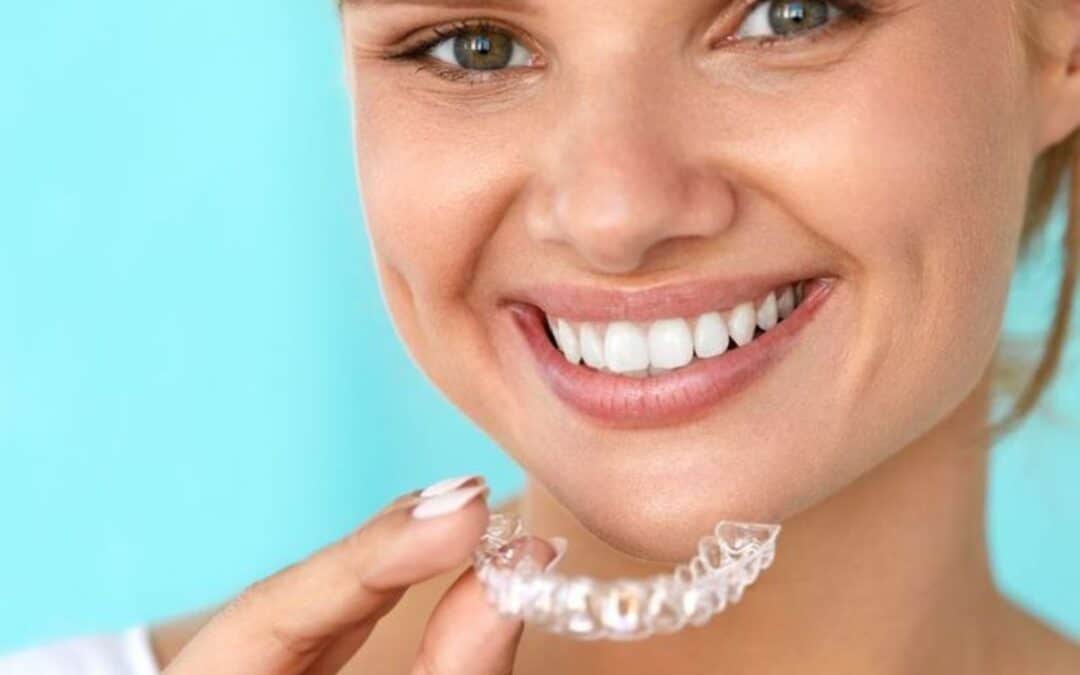
Invisalign trays fit snugly over your teeth. They are thin, smooth plastic. Still, they add a slight layer that your tongue notices at first. Your tongue presses against your teeth and the roof of your mouth to form sounds. The trays shift that contact just enough to create temporary changes.
Most people notice it right away with new trays. The effect feels more obvious to you than to anyone listening. Your brain and tongue simply need time to recalibrate. This adjustment mirrors how you adapted to other new things in your mouth, like a retainer or night guard.
Why a Temporary Lisp Often Appears
The most common change is a soft lisp. It usually shows up with sibilant sounds—those “s,” “z,” “sh,” and “th” letters. Air flows a little differently around the aligners. Your tongue may bump the plastic instead of your teeth.
This does not happen to everyone. Some feel nothing at all. Others notice it only for the first tray or two. The lisp stays mild. Listeners rarely pick up on it. Research and patient stories confirm the change stems from the new surface inside your mouth. It is not a permanent alteration.
How Long Until Speech Returns to Normal
Your tongue learns quickly. Most patients see big improvement in two to seven days. Full comfort arrives within one to two weeks. Each new tray may bring a brief reminder, but the adjustment shortens every time.
Consistent wear speeds the process. Take the trays out only for meals and cleaning. Practice speaking while wearing them. Your mouth gets used to the feel faster that way. One study noted slight differences even after two months in some lab tests, yet real-world feedback shows daily speech returns to normal much sooner for the vast majority.
Simple Ways to Speed Up Your Adjustment
Practice makes the difference. Read a book or article out loud for ten minutes each day. Speak slowly at first. Focus on the tricky sounds. Sing along to your favorite songs. The extra movement helps your tongue find its new groove.
Record yourself talking on your phone. Play it back. You will hear progress from day to day. Stay relaxed. Tension makes any lisp feel worse. Smile while you speak. The positive feeling helps your confidence bounce back fast.
Drink water often. It keeps your mouth moist and the trays clean. Avoid sticky or hard foods that might make you remove trays more than needed. These small habits turn the temporary phase into a quick story you laugh about later.
Patients considering invisalign in Whitehouse, TX, discover the same quick adaptation that others across the country report. Local experiences match the national pattern—short adjustment, long-term confidence.
Trending FAQs About Invisalign and Speech
Here are the questions people ask most often online and in dental offices. Answers stay direct and based on real patient outcomes.
- Does Invisalign cause a lisp?
Yes, many notice a mild temporary lisp at first. It usually fades in days.
- How long does the Invisalign lisp last?
Most people adjust in 3 to 14 days. Some see changes gone in hours.
- Will Invisalign affect the way I speak?
Minor changes can happen early on. Speech returns to normal quickly for almost everyone.
- Does the lisp come back with every new tray?
A slight echo may appear briefly. Your tongue adapts faster each time.
- Can I do anything to fix the lisp faster?
Read aloud daily, speak slowly, and wear trays consistently. Practice helps most.
If you are searching for a invisalign provider near Whitehouse, TX you will find caring teams ready to guide you through this easy transition with personalized tips.
Timeline of Typical Speech Adaptation
| Time Frame |
What Most Patients Experience |
Tip to Move Forward |
| Day 1–3 |
Mild lisp on s, z, th sounds |
Read aloud 10 minutes daily |
| Week 1 |
Noticeable improvement; speech feels natural |
Record and review yourself |
| Week 2 |
Full return to normal for daily conversation |
Stay consistent with wear |
| New tray changes |
Brief reminder that lasts hours, not days |
Repeat quick practice routine |
These patterns come from thousands of patient stories and clinical observations. Your results will likely fall right in line.
When to Check In with Your Provider
If the change feels stronger than expected or lasts beyond two weeks, reach out. Your provider can check tray fit and offer extra guidance. Most times, a simple adjustment or extra practice solves it. Open communication keeps your treatment on track and your confidence high.
Straight teeth bring more than a better smile. They support easier cleaning, better bite function, and lasting oral health. The short speech chapter passes fast. The rewards last for years.
You deserve to feel great about every part of your Invisalign journey. The temporary adjustment is small compared to the freedom of a confident, aligned smile. Take that next step forward. Reach out to schedule an appointment.