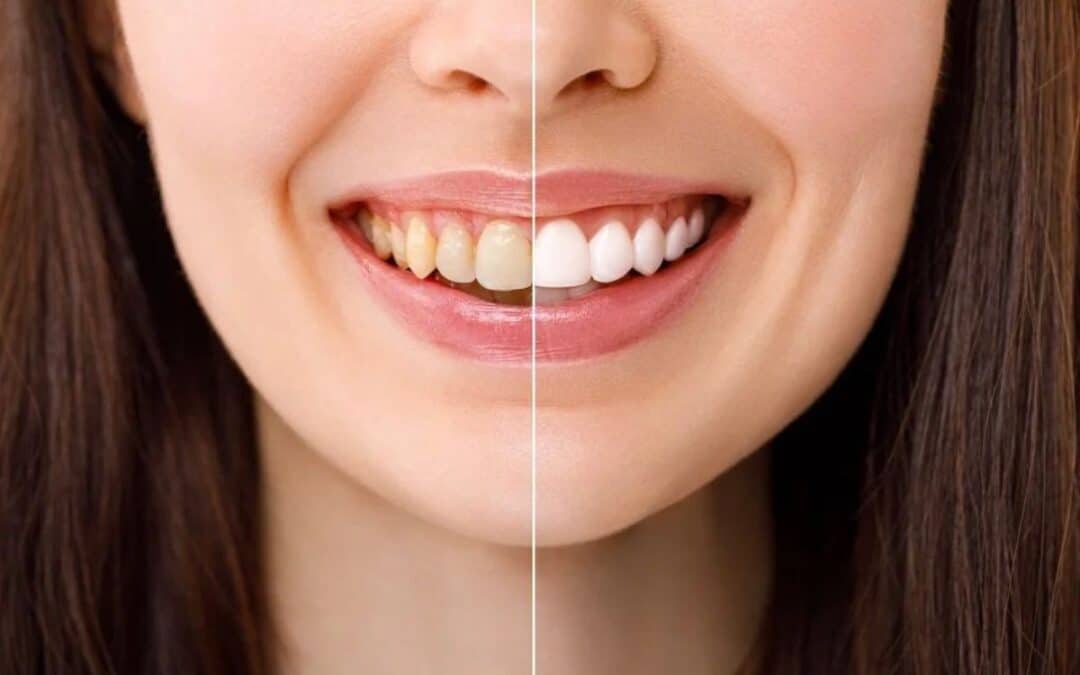
Fluorosis stains can be frustrating. They often appear as white streaks, cloudy patches, or even brown discoloration on teeth. Many people assume that standard whitening treatments will fix the issue quickly. But the reality is more nuanced. Understanding how fluorosis affects enamel is key to choosing the right solution for a brighter smile.
What Is Dental Fluorosis?
Understanding the Condition
Dental fluorosis develops when teeth are exposed to excessive fluoride during early childhood, while enamel is still forming. This alters how enamel mineralizes, leading to visible changes in color and texture.
Common Signs
- White spots or streaks
- Chalky or opaque patches
- Yellow or brown stains in severe cases
- Slight surface irregularities
Unlike surface stains from coffee or tea, fluorosis is intrinsic, meaning it exists within the enamel itself.
Can Teeth Whitening Remove Fluorosis Stains?
The Honest Answer
Teeth whitening can help—but it doesn’t always remove fluorosis stains completely.
Whitening treatments work by lightening the natural color of teeth. They are highly effective on external stains. However, since fluorosis is embedded within the enamel, results can vary.
What Whitening Can Do
- Reduce contrast between stained and unstained areas
- Brighten the overall tooth shade
- Improve the appearance of mild fluorosis
What Whitening Cannot Do
- Fully eliminate deep white or brown patches
- Reshape enamel irregularities
- Deliver uniform results in severe cases
This is why a personalized dental evaluation is essential before choosing any whitening method.
How Whitening Works on Fluorosis
Mild Fluorosis
In mild cases, whitening can significantly improve appearance. By brightening the surrounding enamel, the white spots become less noticeable.
Moderate Fluorosis
Results are mixed. Whitening may lighten the entire tooth but can sometimes make white spots more visible initially. Over time, blending improves.
Severe Fluorosis
Whitening alone is usually not enough. Additional cosmetic treatments may be needed to achieve a balanced look.
Factors That Affect Whitening Results
Several variables influence how well whitening works on fluorosis:
- Severity of discoloration
- Type of whitening treatment used
- Enamel thickness and health
- Consistency of aftercare habits
In clinical settings, professionals often customize whitening approaches based on these factors. For those considering teeth whitening in Whitehouse, TX, a consultation helps determine whether whitening alone will meet expectations or if a combined approach is better.
Lifestyle Habits That Influence Whitening Results
Daily habits play a big role in how long whitening results last. The impact of dietary choices—often described as the effects of food on teeth whitening—can’t be ignored. Dark-colored beverages, acidic foods, and sugary snacks can stain enamel or weaken it over time.
To maintain results:
- Limit coffee, tea, and red wine
- Rinse your mouth after meals
- Maintain consistent oral hygiene
- Use dentist-recommended products
These simple steps help preserve a brighter smile after treatment.
When to Seek Professional Guidance
Not all whitening solutions are equal. Over-the-counter products may not address fluorosis effectively and can sometimes lead to uneven results.
If you are searching for a cosmetic dentist near you, it’s important to choose someone who evaluates your enamel condition carefully and recommends a treatment tailored to your needs. Professional guidance ensures safer, more predictable outcomes.
Information Table: Whitening vs Fluorosis Effectiveness
| Fluorosis Severity | Whitening Effectiveness | Additional Treatment Needed |
|---|---|---|
| Mild | High | Rarely |
| Moderate | Moderate | Sometimes |
| Severe | Low | Often |
Trending FAQs
- Can teeth whitening remove white spots from fluorosis?
It can reduce their visibility but may not remove them completely. - Does whitening make fluorosis worse?
Initially, spots may appear more noticeable, but blending improves over time. - What is the best treatment for fluorosis stains?
It depends on severity. Mild cases respond to whitening; severe cases need additional treatments. - Is fluorosis permanent?
Yes, but its appearance can be improved with cosmetic treatments. - Can I use whitening strips for fluorosis?
They may help slightly, but are less effective than professional treatments.
Fluorosis stains can be challenging, but they are manageable with the right approach. Whitening can improve the overall look, especially in mild cases, while other treatments may be needed for deeper discoloration. The key is understanding your specific condition and choosing a solution that aligns with it. A professional evaluation ensures safe and effective results tailored to your smile goals. If you’re ready to explore your options, scheduling a consultation can help you take the next step toward a more confident smile.