by 110 Dental & Orthodontics | Apr 24, 2026 | Invisalign
An underbite can affect more than appearance. Many adults experience jaw discomfort, uneven tooth wear, speech challenges, and difficulty chewing because of bite misalignment. Some people have lived with the issue for years without realizing how much it impacts their oral health and confidence.
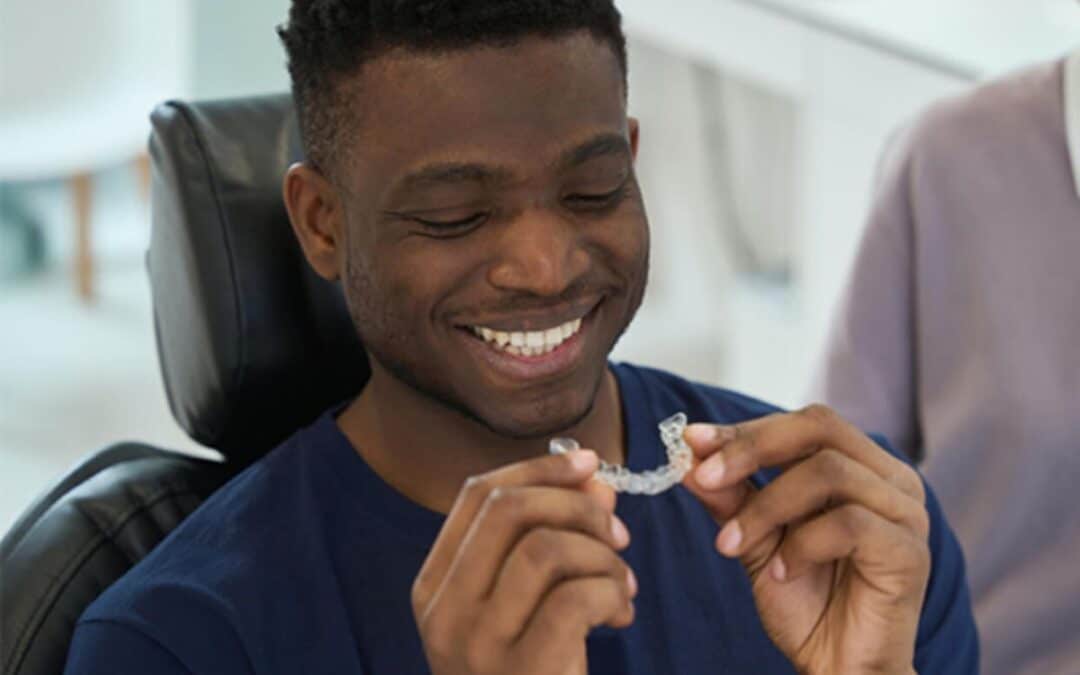
Modern orthodontic care offers more discreet options than traditional braces. Clear aligners have become a popular choice for adults who want a comfortable and less noticeable solution while maintaining their professional and social lifestyles. Understanding how Invisalign works for underbite correction can help patients make informed decisions about their smile and long-term dental health.
What Is an Underbite and Why Does It Matter?
An underbite occurs when the lower teeth sit in front of the upper teeth when the mouth is closed. This can range from mild to severe. Some adults develop underbites because of genetics, while others experience worsening bite alignment over time due to jaw growth, missing teeth, or oral habits.
Common symptoms include:
- Jaw pain or tension
- Difficulty biting into foods
- Tooth grinding
- Speech concerns
- Uneven tooth wear
- Facial imbalance
Ignoring an underbite may lead to additional stress on the teeth and jaw joints. Early orthodontic evaluation can help prevent further complications.
Can Clear Aligners Really Correct an Adult Underbite?
Yes, many mild to moderate underbite cases can be improved with Invisalign aligners. Orthodontists use digital scans and customized treatment planning to gradually reposition teeth into healthier alignment.
Unlike traditional braces, Invisalign aligners are removable and nearly invisible. Adults often prefer this option because it fits more comfortably into daily routines and professional settings.
The treatment works through controlled tooth movement. Each set of aligners slightly shifts the teeth until the bite improves over time.
How Does Invisalign Treatment Work for Underbite Correction?
Orthodontists begin with a complete examination of the teeth, bite, and jaw structure. Digital imaging helps map tooth movement step by step.
Treatment may include:
Customized Clear Aligners
Every aligner tray is designed specifically for the patient’s teeth. The trays apply gentle pressure to guide teeth into better alignment.
Consistent Wear
Patients usually wear aligners 20–22 hours daily. Consistency is important for achieving predictable results.
Many adults appreciate that aligners can be removed during meals and oral hygiene routines, making maintenance easier than traditional orthodontics.
Why Are Adults Choosing Clear Aligners More Often?
Adults often prioritize comfort, appearance, and flexibility when considering orthodontic care.
Here are some reasons why aligners continue to grow in popularity:
| Benefit |
Why Adults Like It |
| Nearly invisible appearance |
Less noticeable during work or social events |
| Removable trays |
Easier eating and brushing |
| Comfortable material |
No brackets or wires |
| Digital treatment planning |
Predictable tooth movement |
| Improved oral hygiene |
Better access for cleaning teeth |
Many adults also want treatments that fit into busy schedules without major lifestyle disruption.
During consultations, patients frequently ask about invisalign treatment in Whitehouse because they want a discreet solution that can address underbite concerns without changing their daily routines significantly.
What Types of Underbites Can Invisalign Improve?
Invisalign is often effective for:
- Mild underbites
- Moderate bite misalignment
- Crowding associated with underbite
- Spacing issues
- Minor jaw alignment concerns
Severe skeletal underbites may require additional orthodontic or surgical evaluation. A professional assessment helps determine whether clear aligners are the right approach.
How Long Does Treatment Usually Take?
Treatment timelines vary depending on the complexity of the underbite and patient compliance.
Factors influencing treatment duration include:
- Severity of bite misalignment
- Tooth crowding
- Jaw positioning
- Daily aligner wear consistency
- Oral health condition
Patients who wear aligners as instructed typically experience smoother progress and more predictable outcomes.
How Can Adults Maintain Their Results After Treatment?
One common concern among adults is relapse after orthodontic care. Proper retention plays a major role in maintaining alignment.
Orthodontists often recommend wearing retainers consistently to help preserve tooth positioning and support long-term bite stability. This is especially important for patients who want to reduce the chances of post-treatment movement and keep their smile aligned after completing clear aligner therapy.
Maintaining strong oral hygiene, attending routine dental visits, and following professional instructions can also help patients maintain their improved bite alignment over time.
Are There Lifestyle Benefits Beyond Straighter Teeth?
Yes. Correcting an underbite can improve several aspects of daily life.
Adults often report:
- Easier chewing
- Better speech clarity
- Reduced jaw strain
- Improved confidence
- More balanced smile appearance
- Better oral hygiene access
Many patients also experience improved comfort during eating and reduced stress on certain teeth.
What Should Adults Expect During the First Consultation?
An orthodontic consultation typically includes:
Digital Imaging
Scans and photographs help evaluate bite alignment and tooth positioning.
Bite Assessment
The orthodontist examines jaw function and underbite severity.
Customized Treatment Planning
Patients receive a personalized plan outlining expected tooth movement and aligner progression.
Oral Health Review
Healthy gums and teeth are important before beginning orthodontic treatment.
Patients often feel more confident once they understand their treatment options and expected outcomes.
Trending FAQs About Invisalign and Adult Underbites
- Can Invisalign fix an underbite in adults?
Yes. Invisalign can improve many mild to moderate adult underbite cases through gradual tooth movement.
- How long does Invisalign take for underbite correction?
Treatment time varies, but many adult patients wear aligners for several months to over a year depending on complexity.
- Does Invisalign help jaw discomfort caused by underbites?
Improving bite alignment may help reduce jaw strain and uneven pressure on teeth.
- Are aligners noticeable during treatment?
No. Invisalign aligners are designed to be discreet and nearly invisible.
- Do adults need retainers after Invisalign?
Yes. Retainers help maintain alignment and support long-term bite stability.
- Is Invisalign removable while eating?
Yes. Patients remove aligners during meals and while brushing or flossing.
Adults considering orthodontic treatment often want experienced guidance and personalized care throughout the process. If you are searching for an expert orthodontist near you, speaking with professionals who understand adult bite correction can help you feel more confident about your treatment journey. Many patients also value working with our local expert orthodontists because they understand the unique concerns adults face during aligner treatment.
Living with an underbite can affect comfort, confidence, and oral health more than many adults realize. Clear aligners offer a modern and discreet way to improve bite alignment while fitting comfortably into everyday life. With customized treatment planning, consistent aligner wear, and proper long-term retention, adults can achieve healthier function and a more balanced smile while helping minimize unwanted tooth movement after treatment. Schedule a consultation today to learn more about your orthodontic options and take the next step toward a healthier smile.
by 110 Dental & Orthodontics | Mar 27, 2026 | Invisalign
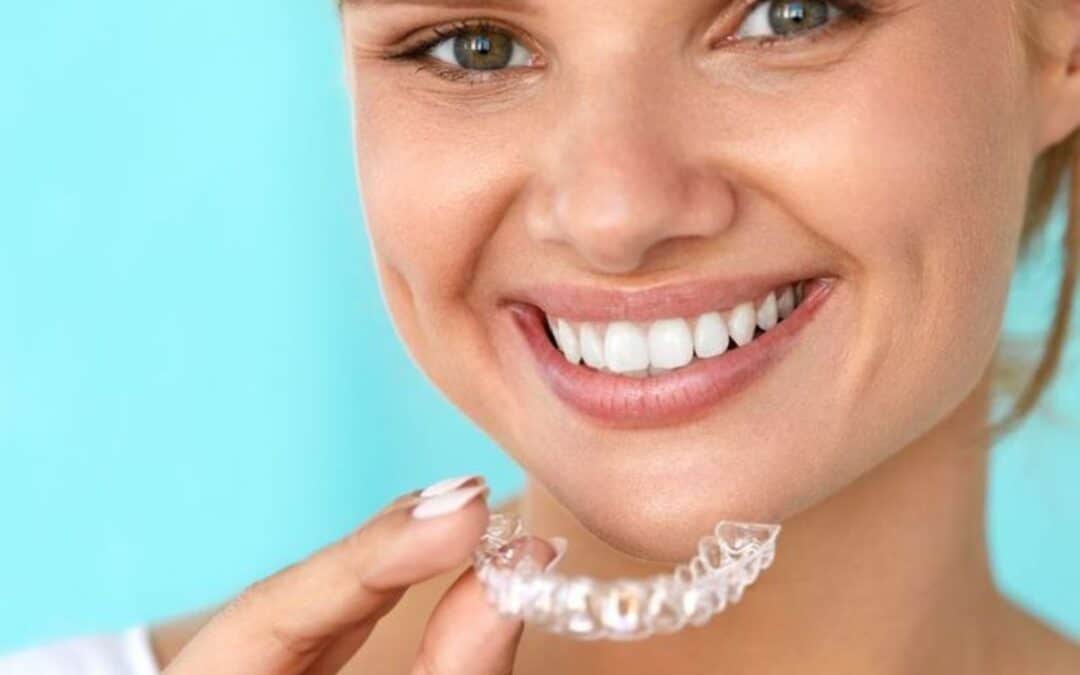
Clear aligners give you a straighter smile without the metal look of traditional braces. Yet many people pause before starting because they worry about how the trays might change their speech. You talk every day—at work, with family, or in social settings. A sudden shift in how you sound feels like a big deal. The truth is reassuring. Any effect on speech stays mild and short-lived for most users. Your mouth adapts fast. Within days, you speak clearly again. This guide walks you through exactly what happens, why it occurs, and simple steps to move past it smoothly.
How Invisalign Aligners Interact with Your Mouth
Invisalign trays fit snugly over your teeth. They are thin, smooth plastic. Still, they add a slight layer that your tongue notices at first. Your tongue presses against your teeth and the roof of your mouth to form sounds. The trays shift that contact just enough to create temporary changes.
Most people notice it right away with new trays. The effect feels more obvious to you than to anyone listening. Your brain and tongue simply need time to recalibrate. This adjustment mirrors how you adapted to other new things in your mouth, like a retainer or night guard.
Why a Temporary Lisp Often Appears
The most common change is a soft lisp. It usually shows up with sibilant sounds—those “s,” “z,” “sh,” and “th” letters. Air flows a little differently around the aligners. Your tongue may bump the plastic instead of your teeth.
This does not happen to everyone. Some feel nothing at all. Others notice it only for the first tray or two. The lisp stays mild. Listeners rarely pick up on it. Research and patient stories confirm the change stems from the new surface inside your mouth. It is not a permanent alteration.
How Long Until Speech Returns to Normal
Your tongue learns quickly. Most patients see big improvement in two to seven days. Full comfort arrives within one to two weeks. Each new tray may bring a brief reminder, but the adjustment shortens every time.
Consistent wear speeds the process. Take the trays out only for meals and cleaning. Practice speaking while wearing them. Your mouth gets used to the feel faster that way. One study noted slight differences even after two months in some lab tests, yet real-world feedback shows daily speech returns to normal much sooner for the vast majority.
Simple Ways to Speed Up Your Adjustment
Practice makes the difference. Read a book or article out loud for ten minutes each day. Speak slowly at first. Focus on the tricky sounds. Sing along to your favorite songs. The extra movement helps your tongue find its new groove.
Record yourself talking on your phone. Play it back. You will hear progress from day to day. Stay relaxed. Tension makes any lisp feel worse. Smile while you speak. The positive feeling helps your confidence bounce back fast.
Drink water often. It keeps your mouth moist and the trays clean. Avoid sticky or hard foods that might make you remove trays more than needed. These small habits turn the temporary phase into a quick story you laugh about later.
Patients considering invisalign in Whitehouse, TX, discover the same quick adaptation that others across the country report. Local experiences match the national pattern—short adjustment, long-term confidence.
Trending FAQs About Invisalign and Speech
Here are the questions people ask most often online and in dental offices. Answers stay direct and based on real patient outcomes.
- Does Invisalign cause a lisp?
Yes, many notice a mild temporary lisp at first. It usually fades in days.
- How long does the Invisalign lisp last?
Most people adjust in 3 to 14 days. Some see changes gone in hours.
- Will Invisalign affect the way I speak?
Minor changes can happen early on. Speech returns to normal quickly for almost everyone.
- Does the lisp come back with every new tray?
A slight echo may appear briefly. Your tongue adapts faster each time.
- Can I do anything to fix the lisp faster?
Read aloud daily, speak slowly, and wear trays consistently. Practice helps most.
If you are searching for a invisalign provider near Whitehouse, TX you will find caring teams ready to guide you through this easy transition with personalized tips.
Timeline of Typical Speech Adaptation
| Time Frame |
What Most Patients Experience |
Tip to Move Forward |
| Day 1–3 |
Mild lisp on s, z, th sounds |
Read aloud 10 minutes daily |
| Week 1 |
Noticeable improvement; speech feels natural |
Record and review yourself |
| Week 2 |
Full return to normal for daily conversation |
Stay consistent with wear |
| New tray changes |
Brief reminder that lasts hours, not days |
Repeat quick practice routine |
These patterns come from thousands of patient stories and clinical observations. Your results will likely fall right in line.
When to Check In with Your Provider
If the change feels stronger than expected or lasts beyond two weeks, reach out. Your provider can check tray fit and offer extra guidance. Most times, a simple adjustment or extra practice solves it. Open communication keeps your treatment on track and your confidence high.
Straight teeth bring more than a better smile. They support easier cleaning, better bite function, and lasting oral health. The short speech chapter passes fast. The rewards last for years.
You deserve to feel great about every part of your Invisalign journey. The temporary adjustment is small compared to the freedom of a confident, aligned smile. Take that next step forward. Reach out to schedule an appointment.
by 110 Dental & Orthodontics | Mar 13, 2026 | Invisalign
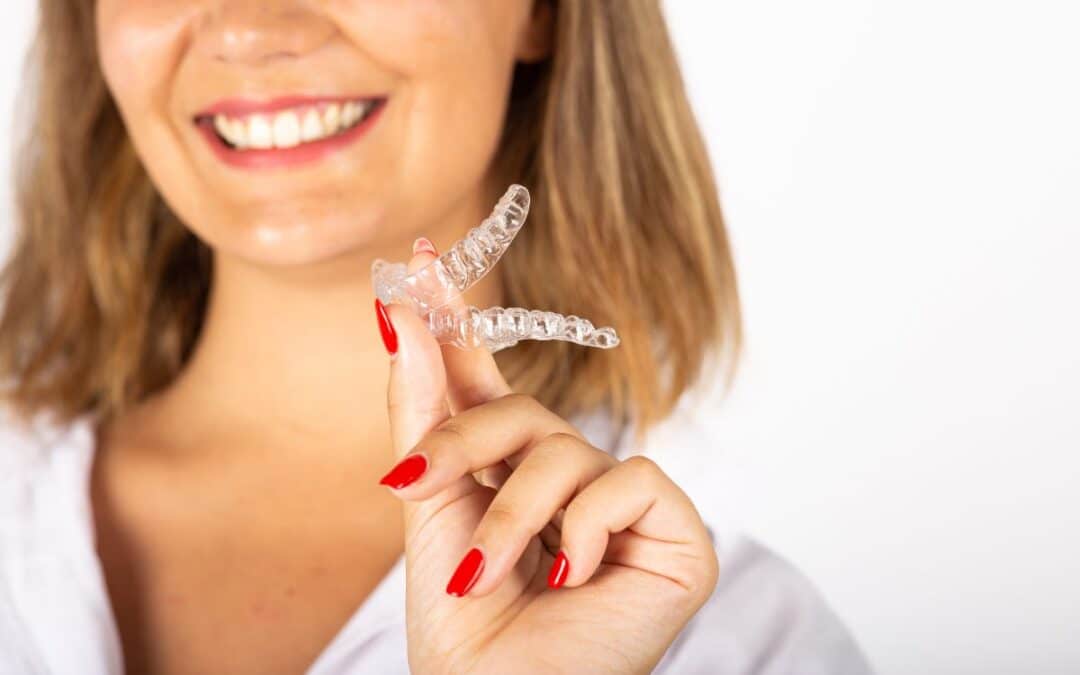
Finishing your Invisalign journey brings real excitement. You finally enjoy the straight, confident smile you worked so hard to create. Yet many people notice small changes months or years later. Teeth begin to drift slightly. This common experience stems from natural biological processes rather than any failure on your part.
Understanding the Biology Behind Tooth Movement
Teeth are not locked permanently in place. Each tooth sits in a socket held by flexible periodontal ligaments. During Invisalign treatment, these fibers stretch and reorganize. When aligners are removed, the ligaments still hold memory of the original positions. They continue to exert gentle pulling forces.
At the same time, the bone surrounding the roots needs time to fully remodel and harden in the new locations. This stabilization process can take 12 to 24 months or longer. During this period, even minor daily pressures can cause teeth to shift gradually.
Why Teeth Shifting After Invisalign Happens
Teeth shifting after invisalign is a natural response of the mouth returning toward its previous state. The ligaments and bone are still adapting. Without complete stabilization, everyday forces easily influence tooth positions.
Your tongue pushes against teeth thousands of times each day. Lips and cheeks apply constant light pressure. Chewing, speaking, and swallowing create subtle movements. When the bite is perfectly balanced, these forces remain even. Any imbalance concentrates stress on certain teeth and encourages drift over time.
Daily Habits That Accelerate Shifting
Certain habits increase the likelihood of movement after treatment. Nighttime teeth grinding or clenching delivers strong, repeated forces. Nail biting, using teeth to open packages, or tongue thrusting adds extra pressure. Even poor posture that changes head position can slowly affect jaw alignment.
These repeated actions compound. What starts as tiny shifts can become more noticeable over months if left unchecked.
The Role of Age and Genetics
Age plays an important part, too. As adults get older, jawbones slowly change in shape and density. Teeth naturally tend to drift forward a small amount each decade. Some people inherit a stronger genetic predisposition to movement due to bone structure or soft-tissue patterns.
If your original crowding or spacing was significant, the risk of later shifting rises. Teeth that require major rotation or expansion often need more time to settle securely.
Key Factors Contributing to Post-Invisalign Movement
| Factor |
How It Affects Teeth |
Typical Timeframe |
| Ligament Memory |
Fibers pull toward their original positions |
First 12–18 months |
| Bone Remodeling |
New bone hardens slowly around roots |
Up to 24 months |
| Daily Oral Pressures |
Tongue, lips, and cheeks push constantly |
Ongoing |
| Bruxism & Clenching |
Heavy nighttime forces on teeth |
Every night |
| Aging Jaw Changes |
Bone density and shape evolve |
Over many years |
Research indicates that some degree of orthodontic relapse occurs in a notable percentage of clear aligner cases during the early post-treatment phase. These numbers show how common minor movement can be.
Patients who receive our invisalign treatment in Whitehouse, TX, benefit from clear explanations about these processes. Understanding the “why” helps them recognize early signs and take simple protective steps.
Trending FAQs About Teeth Shifting After Invisalign
- How soon after Invisalign can teeth start shifting? Subtle changes can begin within a few weeks. Most noticeable movement usually appears within the first year as tissues adapt.
- Is some movement after Invisalign normal? Light settling is common while ligaments and bone stabilize. Larger shifts usually signal stronger ongoing forces.
- Do habits like grinding really cause teeth to move? Yes. Repeated heavy pressure from grinding or clenching can push corrected teeth out of alignment over time.
- Does age influence how much teeth shift? It does. Older jaws undergo gradual changes that can increase natural forward drifting.
- Can an imperfect bite speed up shifting? Definitely. An uneven bite creates focused pressure points that accelerate unwanted tooth movement.
Protecting Your Results Long Term
Your new smile deserves to stay beautiful for years to come. The reasons teeth shift after Invisalign come down to biology, daily forces, and personal habits. Staying aware of small changes and maintaining regular check-ins with your orthodontic provider in Whitehouse, TX, makes all the difference.
By understanding these natural processes, you gain the knowledge needed to protect your investment in a straighter smile. Small, consistent attention keeps your results looking their best.
Contact us today to review your smile and ensure it stays perfectly aligned for years ahead.
by 110 Dental & Orthodontics | Jan 23, 2026 | Invisalign
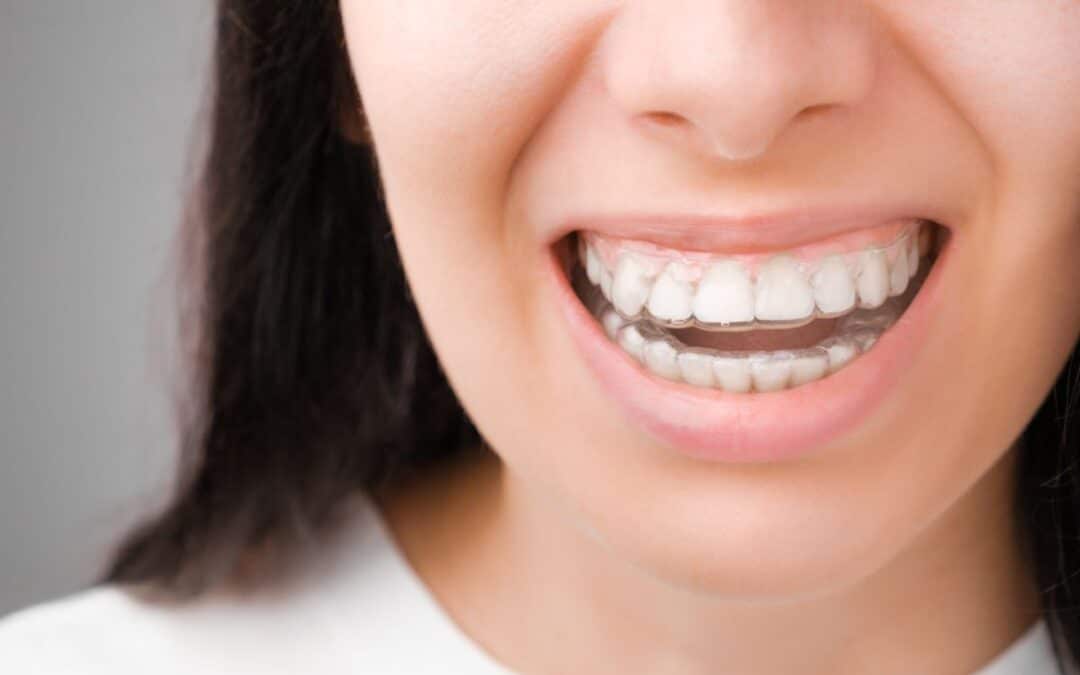
Have you ever caught yourself hiding your smile because of a few crooked teeth or small gaps? Many people face these minor alignment issues. They can affect confidence in daily life. The good news is modern options exist to fix them discreetly. Clear aligners like Invisalign offer a fresh approach. This post dives into whether this treatment truly works for mild cases. We’ll address your questions and concerns head-on.
Understanding Mild Orthodontic Issues
Mild orthodontic problems are common. They include slight crowding where teeth overlap a bit. Small gaps between teeth also count. Minor bite issues, like a subtle overbite, fit here too. These aren’t severe enough to impact jaw function much. Yet they can make you self-conscious.
People often wonder if such issues need treatment at all. Ignoring them might lead to uneven wear on teeth over time. Food can get trapped more easily. This raises the risk of decay or gum problems. Addressing them early keeps your oral health strong. It boosts your smile’s appeal as well.
Clear aligners target these concerns effectively. They use gentle pressure to shift teeth gradually. No metal wires or brackets involved. This makes the process less noticeable. Many adults prefer this for professional settings.
How Invisalign Works
Invisalign uses custom-made trays. These are clear and fit snugly over your teeth. You switch to a new set every one to two weeks. Each tray moves your teeth a tiny bit more.
The treatment starts with a scan of your mouth. This creates a 3D model. Your orthodontist plans the exact movements needed. Trays are then crafted based on this plan.
Wear them for 20 to 22 hours daily. Remove them only for eating or brushing. This ensures steady progress. Treatment time varies. For mild cases, it often wraps up in 6 to 12 months.
Comfort is a big plus. No sharp edges to irritate your cheeks. You can eat what you like without restrictions. Just clean the trays regularly.
Studies show high success for these aligners in mild scenarios. They straighten teeth without the hassle of traditional methods.
Benefits for Mild Cases
Discretion stands out. The trays are nearly invisible. Friends might not even notice you’re in treatment.
Convenience matters too. Fewer office visits compared to adjustments for braces. This saves time for busy schedules.
Hygiene is easier. Pop out the trays to brush and floss normally. This reduces plaque buildup risks.
Pain levels are lower. The gradual shifts cause less discomfort. Many report only mild pressure at first.
Results appear natural. Teeth move into place smoothly. Your smile looks enhanced, not altered drastically.
In areas like Whitehouse, TX, locals seek these perks. The warm community values subtle improvements. Invisalign treatment in Whitehouse, TX, is a good fit for those seeking effective, low-key care.
Potential Drawbacks to Consider
Not every mild case is ideal. If you forget to wear the trays enough, progress slows.
Some feel tempted to skip wearing them. Discipline is key here.
Attachments might be needed. These are small, tooth-colored bumps. They help with certain movements.
Refinements could extend treatment. Extra trays fine-tune the results.
Severe habits, such as teeth grinding, may complicate matters. Your orthodontist can advise on this.
Overall, these are minor compared to the benefits. Most users adapt quickly.
Comparing Invisalign to Traditional Braces
Braces use brackets and wires. They work well for all levels of issues.
For mild problems, aligners are often effective. But with added comfort.
Braces are fixed in place. This ensures constant force. Aligners rely on your compliance.
Treatment times can be similar. Aligners might finish faster in simple cases.
Aesthetics differ greatly. Metal braces show. Clear ones don’t.
Choose based on lifestyle. Active folks might prefer removable options.
Key Statistics on Invisalign Success
Data highlights strong outcomes for mild orthodontic treatments. Here’s a quick overview:
| Issue Type |
Success Rate |
Average Treatment Time |
| Mild Crowding |
85-95% |
6-12 months |
| Small Gaps |
80-90% |
6-18 months |
| Minor Overbite |
80-96% |
9-15 months |
| Overall Mild Cases |
90%+ |
12 months average |
These figures come from clinical studies. They show reliable results when followed properly. Patient satisfaction often exceeds 95%.
Trending FAQs on Invisalign for Mild Problems
Many search for quick answers online. Here are some frequently asked questions based on popular Google queries, with clear responses:
- Does Invisalign work for mild crowding? Yes, it’s highly effective. The aligners gently push teeth apart. Most see improvements in months.
- Is Invisalign worth it for minor crookedness of teeth? Absolutely, for those wanting discretion. It corrects slight misalignments comfortably. Results boost confidence without visible hardware.
- Can Invisalign fix mild overbites? Often, yes. It addresses minor bite issues well. Attachments help guide the correction.
- What is the success rate of Invisalign for mild cases? Around 80-96%, per studies. Compliance plays a big role.
- How long does Invisalign take for mild orthodontic issues? Typically 6-18 months. Milder problems resolve more quickly.
These cover common curiosities. They help you gauge if it fits your needs.
Tips for Successful Treatment
- Start with a consultation. Discuss your specific concerns openly.
- Follow the wear instructions strictly. Track your hours if needed.
- Maintain oral hygiene. Rinse trays after meals.
- Attend check-ups. These monitor progress.
- Eat a balanced diet. Avoid hard foods that might damage trays.
- Stay patient. Changes happen gradually but surely.
These steps maximize outcomes. They turn mild issues into a perfect smile.
If you are searching for a skilled orthodontist near you, consider one experienced in clear aligners. They can guide you through the process smoothly. It’s about finding a partner in your smile journey.
Straightening mild orthodontic problems doesn’t have to be complicated. Options like Invisalign provide effective, comfortable paths forward. You’ve got the info now. Take that first step toward the smile you deserve. Your confidence will thank you.
by 110 Dental & Orthodontics | Jan 16, 2026 | Invisalign, Orthodontics
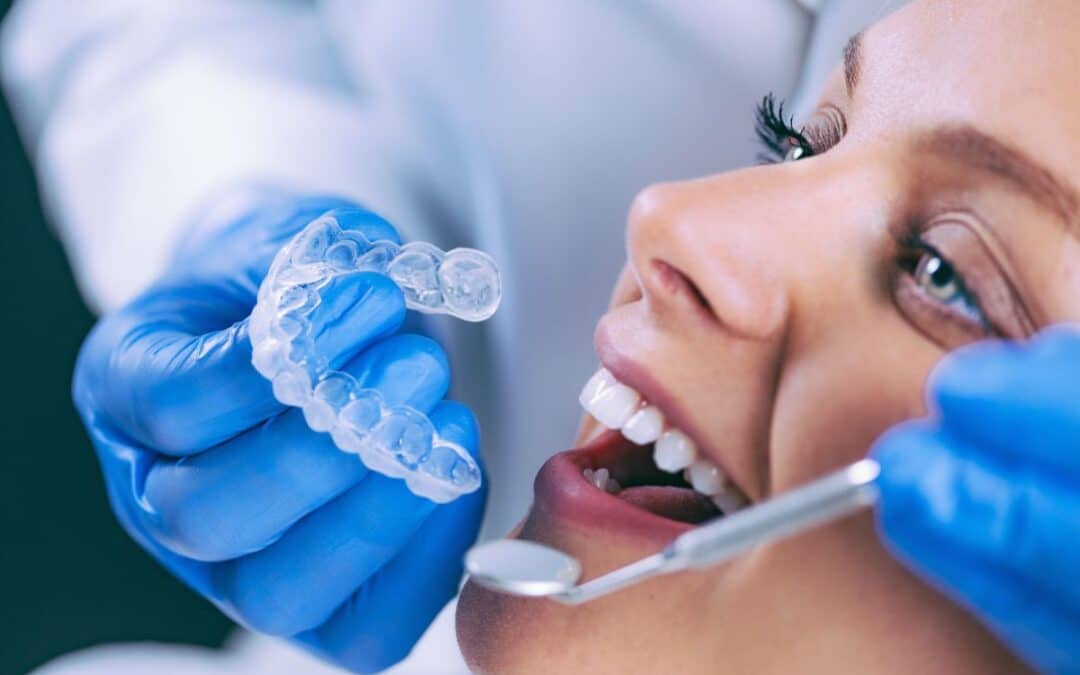
An overbite can affect your smile and daily life in subtle ways. Many people notice their upper teeth overlapping the lower ones more than usual. This common issue often leads to questions about comfort, chewing, and long-term dental health. Fortunately, modern options exist to address it discreetly. Let’s explore effective approaches that skip the metal wires.
Understanding Overbite Basics
Overbites happen when upper teeth extend too far over the lower ones. Genetics play a big role. Habits like thumb-sucking in childhood can worsen it. Jaw growth issues may contribute too.
Mild cases might not cause problems. Severe ones can lead to jaw pain or uneven tooth wear. Speech challenges sometimes arise. Early detection helps prevent complications.
Dentists measure overbite depth in millimeters. Normal range is 2-3 mm. Anything over 4 mm often needs attention. Self-checks involve looking in a mirror. Professional exams confirm severity.
Common Concerns About Overbite Treatment
People worry about visible changes during correction. Discomfort is another fear. Many ask if treatment disrupts eating or speaking.
Time commitment varies. Results depend on age and case complexity. Adults can achieve great outcomes too. Consistency matters most.
Some fear permanent fixes. Reversible methods ease this concern. Lifestyle impacts success. Good oral hygiene supports progress.
Non-Traditional Treatment Options
Several methods fix overbites without metal brackets. Clear aligners lead the pack. They shift teeth gradually.
Retainers work for minor adjustments. Nighttime wear often suffices. Palatal expanders widen upper jaws in growing patients.
Myofunctional therapy trains tongue and facial muscles. Exercises improve posture and bite. It’s non-invasive and supportive.
For skeletal issues, headgear might help. It’s worn at home. Combined approaches yield better results.
The Role of Clear Aligners in Overbite Correction
Clear aligners offer a popular choice. They are removable and nearly invisible. Custom trays fit snugly over teeth.
Treatment starts with digital scans. Plans map tooth movements. Aligners change every 1-2 weeks.
They apply gentle pressure. This realigns teeth and jaws. Attachments sometimes enhance grip.
Wear time is 20-22 hours daily. Remove for meals and cleaning. Compliance ensures timely results.
Many see improvements in 6-18 months. Follow-ups track progress. Adjustments keep things on course.
Benefits of Aligners Over Traditional Methods
Aligners blend into daily life. No food restrictions apply. Brushing remains easy.
Comfort levels are high. Smooth plastic avoids irritation. Aesthetics appeal to adults and teens.
Predictable outcomes come from advanced planning. Software simulates final smiles. This builds confidence.
Maintenance is straightforward. Clean with lukewarm water. Avoid hot drinks to prevent warping.
Potential Challenges and How to Overcome Them
Some experience initial soreness. It fades quickly. Over-the-counter relief helps.
Aligners require discipline. Forgetting to wear them delays progress. Set reminders.
Speech may lisp at first. Practice speaking aloud. Adaptation happens fast.
Lost aligners need quick replacements. Contact your provider promptly. Backups prevent setbacks.
Regular check-ins address issues early. Open communication ensures smooth sailing.
If you’re seeking invisalign treatment in Whitehouse, TX, local experts can guide you through the process seamlessly.
Trending FAQs on Overbite Treatment
Here are some frequently asked questions based on what people often search for on Google:
- Can clear aligners fix a severe overbite? For mild to moderate cases, yes. Severe ones may need additional tools like elastics. Consult a specialist for assessment.
- How long does it take to correct an overbite without braces? Typically 6-24 months. Factors include severity and adherence. Younger patients often see faster results.
- Is overbite correction painful? Mild discomfort occurs initially. It lessens as you adjust. Aligners are gentler than wires.
- Can adults fix an overbite without surgery? Absolutely. Non-surgical options work well for many. Age isn’t a barrier with modern techniques.
- What happens if an overbite goes untreated? It can cause tooth wear, jaw strain, or TMJ issues. Early intervention prevents escalation.
Success Rates of Overbite Treatments
Here’s a table summarizing key statistics on treatment success from reliable studies:
| Treatment Method |
Success Rate (%) |
Notes on Effectiveness |
| Clear Aligners (e.g., Invisalign) |
33-60 |
Achieves about half of planned overbite reduction; best for mild cases. |
| Fixed Appliances |
80-93 |
High for positive overbite post-treatment; includes extractions in some. |
| Orthognathic Surgery |
90+ |
Most effective for severe skeletal issues; higher than non-surgical. |
| Myofunctional Therapy |
40-70 |
Supportive; improves with combined orthodontic care. |
These figures highlight that while clear aligners are effective, outcomes vary by case.
Preparing for Your Treatment Journey
Start with a thorough exam. X-rays reveal jaw structure. Impressions or scans create models.
Discuss goals openly. Understand timelines. Ask about daily routines.
Home care includes regular brushing. Floss daily. Use provided cleaners.
Track progress with photos. Celebrate small wins. Patience pays off.
Support from family helps. Share experiences. Stay positive.
Lifestyle Tips for Better Results
Maintain balanced nutrition. Chew evenly. Avoid hard foods initially.
Posture affects jaw alignment. Sit upright. Sleep on your back.
Quit habits like nail-biting. They hinder progress. Stress management aids compliance.
Exercise facial muscles. Simple yawns strengthen jaws. Consistency enhances outcomes.
Follow provider advice. Attend all visits. Adjustments optimize treatment.
Long-Term Maintenance After Correction
Retainers preserve results. Wear as directed. Nighttime use often suffices long-term.
Routine cleanings prevent issues. Monitor for shifts. Early tweaks maintain alignment.
Healthy habits sustain smiles. Brush twice daily. Limit sugary snacks.
Periodic check-ups catch changes. Vigilance ensures lasting success.
If you are searching for an orthodontist near you, consider options that prioritize personalized care in a welcoming environment.
Your journey to a balanced bite starts with informed choices. Explore these methods to find what suits you best.
Embrace the change for a confident smile. Remember to schedule an appointment today and take that first step toward transformation.
by 110 Dental & Orthodontics | Dec 26, 2025 | Invisalign
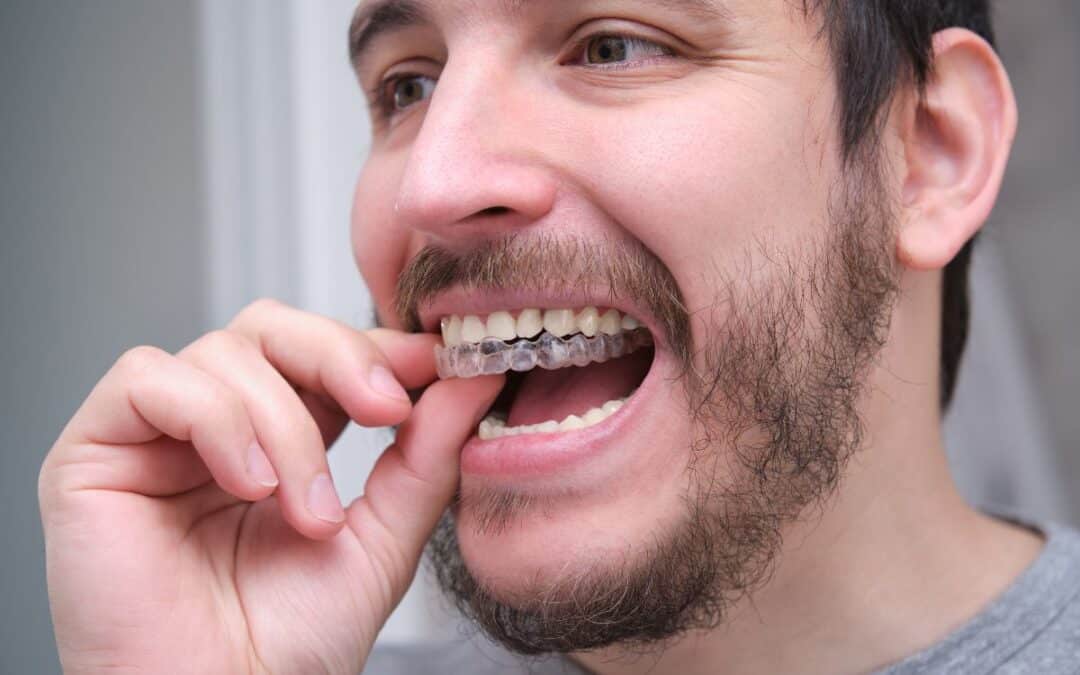
Crowded teeth often sneak up on us over time. They might start small, but soon impact how we smile or even chew. Many people hide their grins in photos or feel self-conscious during conversations. The good news? Modern options exist to straighten things out without major hassle. This post explores one popular choice that could transform your smile subtly and effectively.
Understanding Crowded Teeth
Crowded teeth happen when there’s not enough space in the jaw for all teeth to align properly. This leads to overlapping or twisting. Genetics plays a big role, but habits like thumb-sucking in childhood can contribute too. Over time, crowding worsens bite issues or makes cleaning harder. Plaque builds up in tight spots, raising risks for cavities or gum problems. Early signs include uneven wear on teeth or jaw discomfort. Addressing it sooner prevents bigger complications down the line.
Many wonder if crowding fixes itself. It rarely does without help. Orthodontic treatments step in to create space and guide teeth into better positions. Options range from traditional methods to newer, less visible ones. Each has pros based on severity and lifestyle needs.
What Is Invisalign?
Invisalign uses clear, removable aligners to straighten teeth. Made from smooth plastic, they fit snugly over your teeth. Unlike metal brackets, these aligners stay nearly invisible. You switch to a new set every one to two weeks. Each set nudges teeth a bit more toward the goal. Dentists customize them using 3D scans for precision.
This system suits adults and teens who want discretion. It avoids wires that poke or restrict food. Aligners come out for meals and brushing, keeping oral care simple. Treatment plans vary but often last 12 to 18 months for moderate cases. Regular check-ins ensure progress stays on track.
How Invisalign Works for Crowded Teeth
Invisalign tackles crowding by applying gentle pressure to shift teeth. It creates space where needed, easing overlaps. For mild to moderate cases, it proves highly effective. Severe crowding might need extra steps, like minor reshaping between teeth. This helps without pulling any out in many situations.
The process starts with a detailed scan. Your dentist maps out movements step by step. Aligners then guide teeth gradually. Changes show up in weeks, with full results building over months. Success hinges on wearing them 20-22 hours daily. Skipping time slows things down.
Studies show high success for alignment issues like this. Clear aligners handle crowding well, often matching traditional braces in outcomes. Patients report smoother experiences, too.
If you’re seeking invisalign treatment in Whitehouse, TX, local options make it accessible. Providers here focus on personalized plans. They use advanced tools for accurate fits. This ensures comfort and reliable results.
Benefits of Choosing Invisalign for Crowding
Invisalign offers comfort over metal braces. No sharp edges irritate cheeks or lips. Aligners feel smooth from day one. You eat what you like since they remove easily. This means no food traps or restrictions.
Aesthetics shine here. Clear design hides the process. Friends might not notice you’re in treatment. It’s ideal for professionals or social folks. Oral hygiene stays straightforward. Brush and floss as usual without special tools.
Predictability stands out. 3D planning lets you preview the end smile. This builds excitement and trust. Shorter visits fit busy schedules. Most check-ups take just minutes.
Research backs its edge. Over 90% of users feel satisfied with the results. It moves teeth efficiently for crowding fixes.
The Invisalign Treatment Process
Start with a consultation. Your dentist examines your teeth and discusses goals. A quick scan captures details without messy molds. Software then designs your custom series.
Once ready, you get the first aligners. Wear them full-time, except for eating or cleaning. Change sets as directed. Progress checks happen every six to eight weeks. Adjustments keep everything aligned.
Midway, refinements might tweak the plan. This ensures optimal shifts. At the end, retainers hold the new positions. Nighttime wear prevents relapse.
Throughout, tips help: Clean aligners daily with mild soap. Avoid hot drinks to prevent warping. Track wear time diligently.
Addressing Common Concerns
Worried about discomfort? Initial pressure feels mild, like after a workout. It fades quickly as teeth adjust. Each new set brings a brief adaptation.
What if aligners affect speech? A slight lisp might occur at first, but it vanishes in days. Practice helps speed it up.
Maintenance is key. Lost or damaged aligners? Contact your provider promptly for replacements. Consistency drives success.
Lifestyle fits well. Play sports? Remove them for safety. Travel often? Portable cases keep things easy.
Trending FAQs on Invisalign for Crowded Teeth
Here are some frequently asked questions based on what people search online, with clear answers:
- Can Invisalign fix crowded teeth? Yes, it effectively straightens mild to moderate crowding by gradually creating space and aligning teeth without visible braces.
- Is Invisalign suitable for severe crowding? In many cases, yes, though extreme issues might need additional techniques like interproximal reduction for best results.
- How long does Invisalign take for crowded teeth? Treatment often lasts 6 to 18 months, depending on crowding severity and compliance with wearing aligners.
- Does Invisalign hurt when fixing crowding? You may feel temporary pressure with new aligners, but it’s generally less painful than traditional braces.
- Can Invisalign fix crowded teeth without extractions? Often, yes, as it expands arches or reshapes enamel slightly to make room without removing teeth.
These cover the top queries from search trends.
Key Statistics on Invisalign Success
Here’s a quick table highlighting stats from reliable studies:
| Aspect |
Invisalign Statistic |
Notes |
| Success Rate |
80-96% for mild-moderate cases |
Effective for crowding fixes |
| Patient Satisfaction |
Over 90% |
Users report worth the effort |
| Treatment Duration |
As little as 6 months |
For simpler crowding issues |
| Predictability |
High with 3D planning |
Matches or exceeds braces |
These figures come from clinical reviews and user surveys.
Why Local Expertise Matters
Choosing a nearby provider simplifies the journey. Regular visits become convenient. They understand regional needs, like active lifestyles here. Personalized care builds confidence.
As an orthodontist in Whitehouse, TX, we blend skill with a welcoming approach. Conversations flow easily during appointments. This makes the experience feel supportive and tailored.
Taking the Next Step
Ready to explore options? Contact us to discuss your smile goals. Our team listens and guides without pressure.
In wrapping up, Invisalign opens doors to the straight smile you’ve dreamed of. It blends innovation with ease for real change. Don’t let crowding hold you back. Schedule an appointment today and start your transformation.