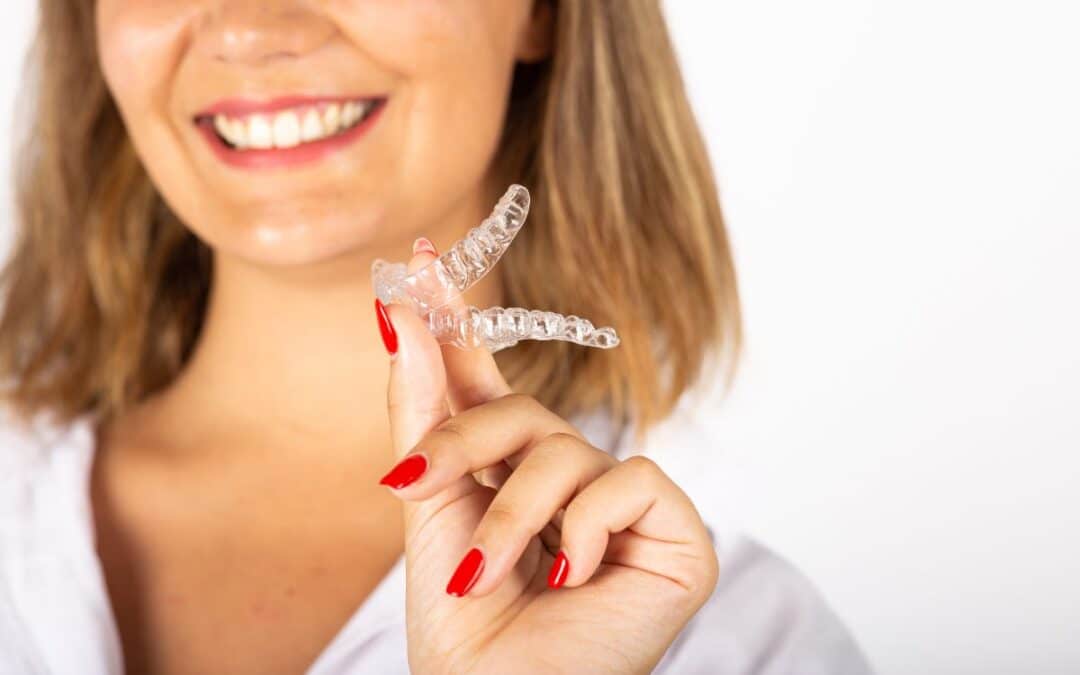
Finishing your Invisalign journey brings real excitement. You finally enjoy the straight, confident smile you worked so hard to create. Yet many people notice small changes months or years later. Teeth begin to drift slightly. This common experience stems from natural biological processes rather than any failure on your part.
Understanding the Biology Behind Tooth Movement
Teeth are not locked permanently in place. Each tooth sits in a socket held by flexible periodontal ligaments. During Invisalign treatment, these fibers stretch and reorganize. When aligners are removed, the ligaments still hold memory of the original positions. They continue to exert gentle pulling forces.
At the same time, the bone surrounding the roots needs time to fully remodel and harden in the new locations. This stabilization process can take 12 to 24 months or longer. During this period, even minor daily pressures can cause teeth to shift gradually.
Why Teeth Shifting After Invisalign Happens
Teeth shifting after invisalign is a natural response of the mouth returning toward its previous state. The ligaments and bone are still adapting. Without complete stabilization, everyday forces easily influence tooth positions.
Your tongue pushes against teeth thousands of times each day. Lips and cheeks apply constant light pressure. Chewing, speaking, and swallowing create subtle movements. When the bite is perfectly balanced, these forces remain even. Any imbalance concentrates stress on certain teeth and encourages drift over time.
Daily Habits That Accelerate Shifting
Certain habits increase the likelihood of movement after treatment. Nighttime teeth grinding or clenching delivers strong, repeated forces. Nail biting, using teeth to open packages, or tongue thrusting adds extra pressure. Even poor posture that changes head position can slowly affect jaw alignment.
These repeated actions compound. What starts as tiny shifts can become more noticeable over months if left unchecked.
The Role of Age and Genetics
Age plays an important part, too. As adults get older, jawbones slowly change in shape and density. Teeth naturally tend to drift forward a small amount each decade. Some people inherit a stronger genetic predisposition to movement due to bone structure or soft-tissue patterns.
If your original crowding or spacing was significant, the risk of later shifting rises. Teeth that require major rotation or expansion often need more time to settle securely.
Key Factors Contributing to Post-Invisalign Movement
| Factor | How It Affects Teeth | Typical Timeframe |
|---|---|---|
| Ligament Memory | Fibers pull toward their original positions | First 12–18 months |
| Bone Remodeling | New bone hardens slowly around roots | Up to 24 months |
| Daily Oral Pressures | Tongue, lips, and cheeks push constantly | Ongoing |
| Bruxism & Clenching | Heavy nighttime forces on teeth | Every night |
| Aging Jaw Changes | Bone density and shape evolve | Over many years |
Research indicates that some degree of orthodontic relapse occurs in a notable percentage of clear aligner cases during the early post-treatment phase. These numbers show how common minor movement can be.
Patients who receive our invisalign treatment in Whitehouse, TX, benefit from clear explanations about these processes. Understanding the “why” helps them recognize early signs and take simple protective steps.
Trending FAQs About Teeth Shifting After Invisalign
- How soon after Invisalign can teeth start shifting? Subtle changes can begin within a few weeks. Most noticeable movement usually appears within the first year as tissues adapt.
- Is some movement after Invisalign normal? Light settling is common while ligaments and bone stabilize. Larger shifts usually signal stronger ongoing forces.
- Do habits like grinding really cause teeth to move? Yes. Repeated heavy pressure from grinding or clenching can push corrected teeth out of alignment over time.
- Does age influence how much teeth shift? It does. Older jaws undergo gradual changes that can increase natural forward drifting.
- Can an imperfect bite speed up shifting? Definitely. An uneven bite creates focused pressure points that accelerate unwanted tooth movement.
Protecting Your Results Long Term
Your new smile deserves to stay beautiful for years to come. The reasons teeth shift after Invisalign come down to biology, daily forces, and personal habits. Staying aware of small changes and maintaining regular check-ins with your orthodontic provider in Whitehouse, TX, makes all the difference.
By understanding these natural processes, you gain the knowledge needed to protect your investment in a straighter smile. Small, consistent attention keeps your results looking their best.
Contact us today to review your smile and ensure it stays perfectly aligned for years ahead.