by 110 Dental & Orthodontics | Jul 24, 2025 | Dental Sealants
A bright, healthy smile is a treasure for both kids and grown-ups. But keeping teeth free from cavities can be a challenge, especially with those hard-to-reach back molars. Dental sealants have become a popular preventive measure, offering a protective shield against decay. If you’re wondering whether sealants are safe and effective for you or your child, you’re not alone. This blog dives into the safety, benefits, and key considerations of dental sealants, addressing common concerns with clarity and care.
What Are Dental Sealants?
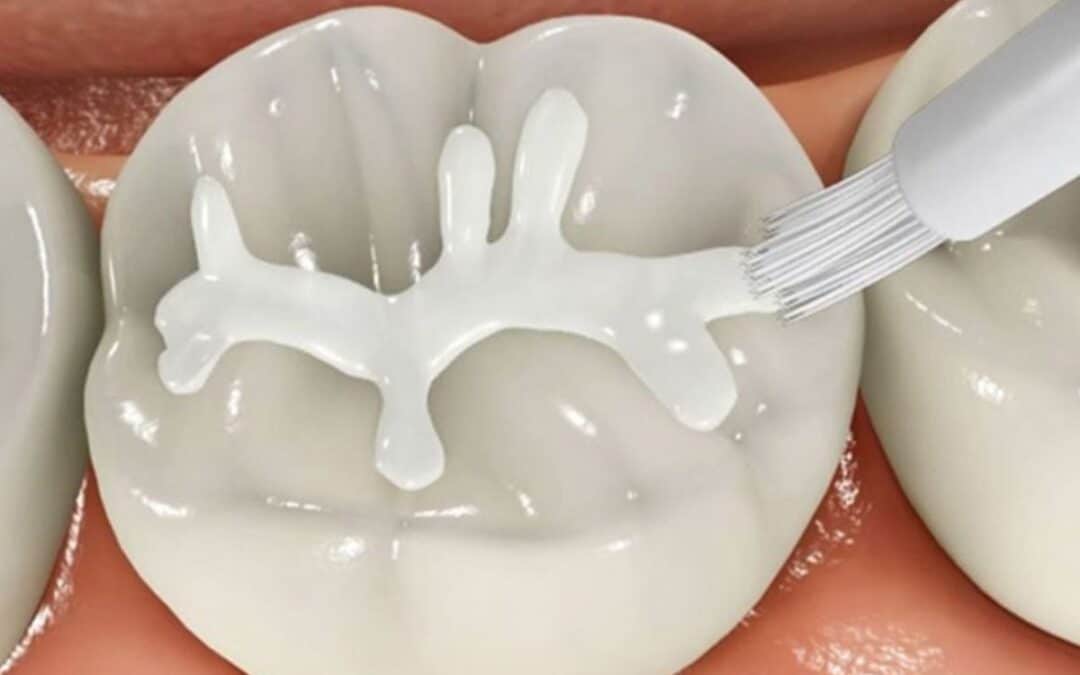
Dental sealants are thin, protective coatings applied to the chewing surfaces of molars and premolars. Made from a safe, plastic-based resin, they bond to tooth enamel, creating a barrier that blocks food particles and bacteria. These coatings target the grooves and pits where cavities often form, especially in children whose brushing skills are still developing. The application is quick, painless, and non-invasive, making it a go-to option for preventive dental care.
Are Dental Sealants Safe?
Safety is a top concern for anyone considering dental treatments, especially for children. The materials used in sealants, typically resin-based, are FDA-approved and have been studied for decades. They show no significant side effects when applied correctly. Some worry about chemicals like BPA in sealants, but studies confirm that any exposure is minimal and far below safety thresholds. For those seeking dental sealants in Whitehouse, TX, rest assured that modern sealants are designed with safety in mind, offering peace of mind for parents and adults alike.
Benefits of Dental Sealants
Sealants are a powerhouse in cavity prevention. According to the American Dental Association, they can reduce cavity risk on permanent molars by up to 80%. This is especially valuable for children, whose molars often have deep grooves that trap food. Adults with similar tooth anatomy or a history of cavities can also benefit. Sealants are durable, lasting up to 10 years with proper care, and they complement regular brushing and flossing. They’re a simple way to strengthen your oral health defenses.
Who Should Get Dental Sealants?
Sealants are most commonly recommended for children and teenagers, particularly between ages 4 and 15, when cavities are more likely. However, adults with deep grooves in their teeth or no prior fillings can also benefit. A dentist in Whitehouse, TX, will assess factors like tooth anatomy, dental history, and oral hygiene habits to determine if sealants are right for you. Even baby teeth may get sealants if a child is prone to cavities, ensuring early protection.
The Application Process: What to Expect
Getting sealants is straightforward. The dentist cleans and dries the teeth, applies a mild gel to prepare the enamel, and then paints on the sealant. A special curing light hardens it in under a minute, forming a strong barrier. There’s no need for sedation, and patients can eat or drink right after. Regular checkups ensure sealants remain intact, especially for those who grind their teeth, which can wear them down faster.
Trending FAQs on Dental Sealants
Here are answers to some frequently asked questions about dental sealants, based on what people often search for:
-
Are dental sealants safe for kids? Yes, sealants are safe for children. They use FDA-approved materials with minimal risks, extensively studied for decades.
-
Can adults get dental sealants? Absolutely, adults with healthy molars or deep grooves can benefit, especially if they’re cavity-prone.
-
Do dental sealants hurt? No, the process is painless, quick, and doesn’t require drilling or anesthesia.
-
How long do dental sealants last? With proper care, sealants can protect teeth for up to 10 years, though regular dental visits help monitor their condition.
-
Can sealants replace brushing and flossing? No, sealants complement oral hygiene routines. Brushing, flossing, and fluoride use remain essential.
-
Are dental sealants visible? Sealants are typically clear, white, or slightly tinted, blending naturally with teeth.
Addressing Common Concerns
Some worry that sealants might interfere with chewing or feel unnatural. In reality, they’re thin and smooth, preserving normal tooth function. Another concern is whether sealants can trap bacteria if they chip. Regular dental visits catch any wear early, ensuring the sealant remains effective. For those hesitant about plastic-based materials, non-plastic options may be available, though they’re less common. Always discuss preferences with your dentist for tailored advice.
Maintaining Dental Sealants
Sealants are low-maintenance but benefit from good oral hygiene. Brush twice daily, floss regularly, and avoid sticky or hard foods that could damage the coating. Routine dental checkups allow professionals to inspect for chips or wear, especially if you have habits like teeth grinding. Pairing sealants with fluoride treatments strengthens enamel, offering a robust defense against decay. This combination is particularly effective for kids still mastering their brushing habits.
Why Choose Sealants for Your Family?
Sealants offer a proactive way to protect smiles, especially for children during their cavity-prone years. They’re a non-invasive, safe solution that saves time and effort compared to treating cavities. For adults, they provide an extra layer of protection for vulnerable teeth. By addressing decay early, sealants support long-term oral health, helping you and your family maintain radiant smiles with confidence.
Protecting your smile or your child’s doesn’t have to be complicated. Dental sealants offer a safe, effective way to prevent cavities, giving you peace of mind and a healthier future. Whether you’re a parent or an adult seeking extra protection, this simple treatment can make a big difference. To learn more or schedule an appointment, contact 110 Dental and Orthodontics at 903-328-6577. Your trusted dentist in Whitehouse, TX is ready to help you achieve a cavity-free smile!
by 110 Dental & Orthodontics | May 2, 2025 | Dental Sealants, General Dentistry
When it comes to protecting your child’s teeth—or even your own—from cavities, brushing and flossing are essential. But what about those tiny grooves on the chewing surfaces of molars where plaque and bacteria love to hide? That’s where dental sealants come into play. This simple yet powerful solution has helped millions maintain healthier smiles with minimal effort.
What Are Dental Sealants?
Dental sealants are thin, plastic-like coatings applied to the chewing surfaces of the back teeth (molars and premolars). These surfaces have deep pits and grooves that can be difficult to clean with a toothbrush alone. Over time, food particles and bacteria settle in these grooves, increasing the risk of tooth decay.
Sealants act as a barrier, sealing off these vulnerable areas and preventing plaque and food from becoming trapped. Think of them as raincoats for your teeth—offering long-lasting protection against decay.
How Do Dental Sealants Work?
The science behind dental sealants is surprisingly simple. After cleaning and drying the tooth, a dentist applies a special gel that slightly roughens the surface, helping the sealant bond better. The gel is rinsed off, and the sealant is painted onto the tooth. A curing light then hardens the sealant into place.
Once hardened, the sealant creates a smooth surface that’s easier to keep clean and less likely to trap food. This protective layer can last for several years, reducing the risk of cavities significantly.
Who Needs Dental Sealants?
Sealants are most commonly recommended for children and teenagers, especially those just getting their first set of permanent molars. However, adults without cavities or fillings in their molars can also benefit from sealants.
If your child is prone to cavities or struggles with oral hygiene, sealants offer an extra layer of defense. It’s a quick, painless process that could save them from future dental work.
Advantages of Sealants You Shouldn’t Ignore
-
Prevent Cavities Early: Sealants can reduce the risk of decay in molars by up to 80%.
-
Quick and Non-Invasive: The process is painless and usually takes just a few minutes per tooth.
-
Long-Lasting Protection: Sealants can last five years or more with proper care.
-
Cost-Effective Prevention: Preventing cavities is easier (and cheaper) than treating them.
Midway through your journey to better dental health, it’s worth noting the value of dental sealants in Whitehouse for both children and adults. It’s one of the simplest ways to prevent future dental problems and maintain a healthy, confident smile.
How to Care for Teeth with Sealants
Sealants are strong but not indestructible. To get the most out of them:
-
Avoid biting down on hard objects like ice or pens.
-
Continue brushing and flossing daily to protect other parts of the tooth.
-
Visit your dentist regularly so they can check the condition of your sealants.
-
Ask your dental provider about reapplication if a sealant wears down or falls off.
Dental sealants are a straightforward and highly effective way to protect teeth against decay. Their application is quick, painless, and incredibly beneficial, especially for growing children and teens. If you’re looking for an easy way to safeguard your family’s oral health, consult with a dentist in Whitehouse to see if sealants are right for you.
by 110 Dental & Orthodontics | Oct 14, 2024 | Dental Sealants
Keeping your mouth healthy is key to overall wellness, and one proven way to prevent cavities is by using dental sealants. At My 110 Dental & Orthodontics, we recommend dental sealants as a protective coating applied to the chewing surfaces of teeth, especially molars and premolars. These areas are highly prone to decay due to their natural grooves and pits, which can trap food particles and bacteria. In this blog, we’ll discuss what dental sealants are, how they work, their benefits, and why they play an essential role in preventative dental care.
What Are Dental Sealants?
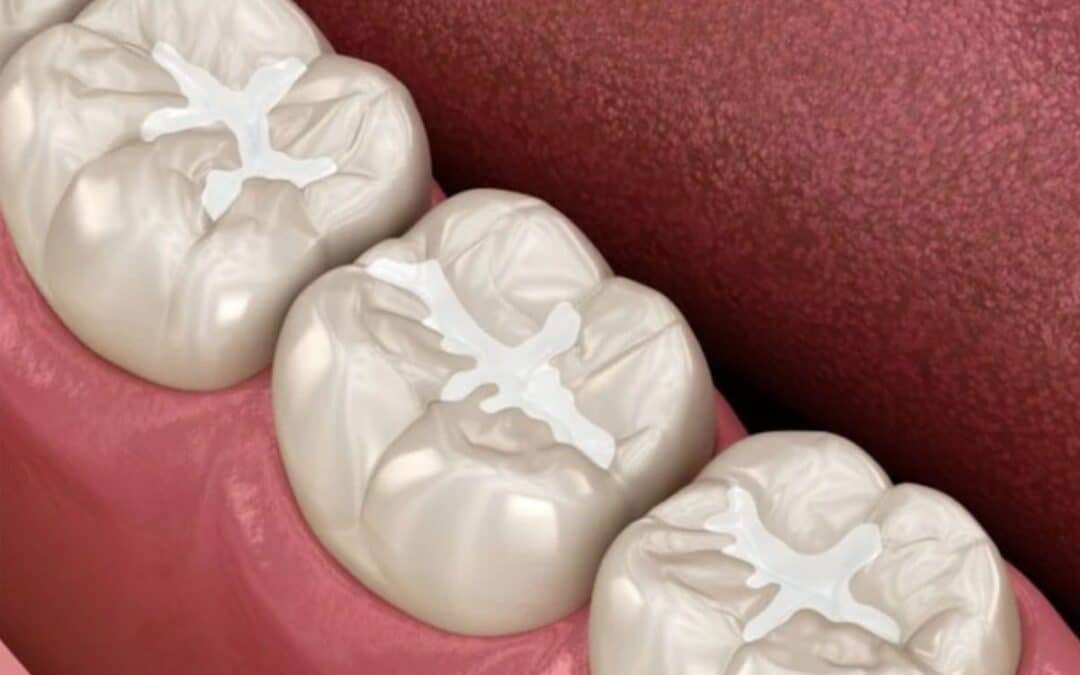
Dental sealants are thin plastic coatings that are applied to the back teeth’s chewing surfaces. They are typically put in the molars and premolars, which have deep grooves and fissures that might be difficult to fully clean with regular brushing and flossing. Sealants act as a barrier, protecting the enamel from plaque and acids that cause decay of tooth.
The process of applying dental sealants in Whitehouse is simple, quick, and painless. Here’s how it works:
- Cleaning the Teeth: The teeth receiving the sealants are thoroughly cleaned to remove any plaque or food particles.
- Preparing the Teeth: To give the chewing surfaces a rough texture, an acid-based solution is administered after the teeth have been cleaned and allowed to dry. This texture helps the sealant bond to the teeth.
- Applying the Sealant: The teeth are rinsed and dried again before the sealant material is painted onto the chewing surfaces. The sealant quickly bonds to the enamel and hardens, often with the help of a special curing light.
- Final Check: The dentist or dental hygienist will check the sealants to ensure they are properly placed and fully hardened.
How Do Dental Sealants Prevent Cavities?
Dental sealants work by creating a smooth, protective shield over the tooth’s surface. This barrier prevents food particles and bacteria from getting trapped in the grooves and fissures of the teeth, where they can cause decay. Sealants lower the incidence of cavities and make it simpler to maintain proper dental hygiene by covering these susceptible areas.
Benefits of Dental Sealants
Dental sealants offer numerous benefits, making them an excellent choice for cavity prevention:
- Effective Protection: Sealants provide a protective layer that shields teeth from harmful bacteria and acids that cause decay.
- Long-Lasting: With proper care, dental sealants can last for several years before needing to be reapplied. Regular dental check-ups can help monitor their condition.
- Cost-Effective: Sealants are a cost-effective preventative measure. They are typically less expensive than fillings and other treatments for tooth decay.
- Painless Application: The process of applying sealants is quick, easy, and painless, making it an ideal choice for children and adults alike.
- Promotes Oral Health: By preventing cavities, sealants help maintain overall oral health and reduce the need for more invasive dental treatments.
Who Should Get Dental Sealants?
Although dental sealants are frequently thought of as being for kids, everyone can benefit from them. Here’s a look at who should consider getting dental sealants:
- Children and Teens: Sealants are most commonly applied to children’s molars and premolars shortly after they erupt. This early protection helps prevent cavities during the cavity-prone years of childhood and adolescence.
- Adults: Sealants can also help adults whose molars are free of decay or fillings. Teeth with deep grooves or those that are more susceptible to decay may benefit from their protection.
- Those with a History of Cavities: Individuals who have had cavities in the past may be more susceptible to future decay. Sealants can provide an extra layer of protection.
Dental sealants are a powerful tool in preventing tooth decay. By forming a protective layer over the chewing surfaces of teeth, they effectively block out cavity-causing bacteria and support long-term oral health. Ideal for children, teens, and adults, dental sealants offer a safe, affordable solution for maintaining a healthy smile. If you’d like to explore whether dental sealants are right for you or your child, the team at My 110 Dental & Orthodontics in Whitehouse, TX, is here to help. Talk to your dentist at your next visit and take a proactive step toward a healthier future!