by 110 Dental & Orthodontics | May 2, 2025 | Dental Sealants, General Dentistry
When it comes to protecting your child’s teeth—or even your own—from cavities, brushing and flossing are essential. But what about those tiny grooves on the chewing surfaces of molars where plaque and bacteria love to hide? That’s where dental sealants come into play. This simple yet powerful solution has helped millions maintain healthier smiles with minimal effort.
What Are Dental Sealants?
Dental sealants are thin, plastic-like coatings applied to the chewing surfaces of the back teeth (molars and premolars). These surfaces have deep pits and grooves that can be difficult to clean with a toothbrush alone. Over time, food particles and bacteria settle in these grooves, increasing the risk of tooth decay.
Sealants act as a barrier, sealing off these vulnerable areas and preventing plaque and food from becoming trapped. Think of them as raincoats for your teeth—offering long-lasting protection against decay.
How Do Dental Sealants Work?
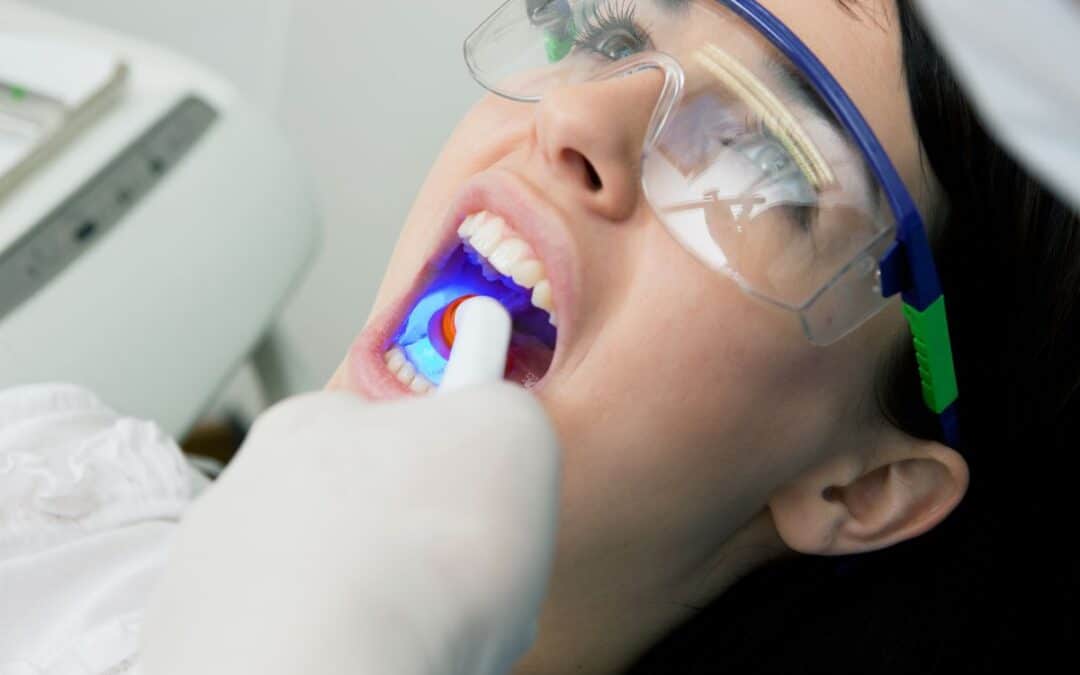
The science behind dental sealants is surprisingly simple. After cleaning and drying the tooth, a dentist applies a special gel that slightly roughens the surface, helping the sealant bond better. The gel is rinsed off, and the sealant is painted onto the tooth. A curing light then hardens the sealant into place.
Once hardened, the sealant creates a smooth surface that’s easier to keep clean and less likely to trap food. This protective layer can last for several years, reducing the risk of cavities significantly.
Who Needs Dental Sealants?
Sealants are most commonly recommended for children and teenagers, especially those just getting their first set of permanent molars. However, adults without cavities or fillings in their molars can also benefit from sealants.
If your child is prone to cavities or struggles with oral hygiene, sealants offer an extra layer of defense. It’s a quick, painless process that could save them from future dental work.
Advantages of Sealants You Shouldn’t Ignore
-
Prevent Cavities Early: Sealants can reduce the risk of decay in molars by up to 80%.
-
Quick and Non-Invasive: The process is painless and usually takes just a few minutes per tooth.
-
Long-Lasting Protection: Sealants can last five years or more with proper care.
-
Cost-Effective Prevention: Preventing cavities is easier (and cheaper) than treating them.
Midway through your journey to better dental health, it’s worth noting the value of dental sealants in Whitehouse for both children and adults. It’s one of the simplest ways to prevent future dental problems and maintain a healthy, confident smile.
How to Care for Teeth with Sealants
Sealants are strong but not indestructible. To get the most out of them:
-
Avoid biting down on hard objects like ice or pens.
-
Continue brushing and flossing daily to protect other parts of the tooth.
-
Visit your dentist regularly so they can check the condition of your sealants.
-
Ask your dental provider about reapplication if a sealant wears down or falls off.
Dental sealants are a straightforward and highly effective way to protect teeth against decay. Their application is quick, painless, and incredibly beneficial, especially for growing children and teens. If you’re looking for an easy way to safeguard your family’s oral health, consult with a dentist in Whitehouse to see if sealants are right for you.
by 110 Dental & Orthodontics | Apr 10, 2025 | General Dentistry
Let’s be honest—hearing the words “you need a filling” during a dental checkup might make your stomach flip. But the truth is, fillings are one of the most common ways to prevent small dental issues from becoming big ones. So, how exactly does your general dentist decide if you need one?
If you’ve ever been curious about how your dentist spots trouble before it starts, you’re not alone. Let’s walk through the process so you can feel more informed and confident the next time you’re in the chair.
It Starts With a Conversation
Believe it or not, your path to a filling may begin before you even sit in the dental chair. Your general dentist will first ask you a few questions: Are you experiencing any pain? Do you notice sensitivity to hot, cold, or sweets? Have you had trouble chewing on one side?
Even if you’re not in pain, small signs like sensitivity or food getting stuck between your teeth can clue your dentist in on potential issues. Open and honest communication makes a big difference in early detection.
Next Comes the Visual Exam
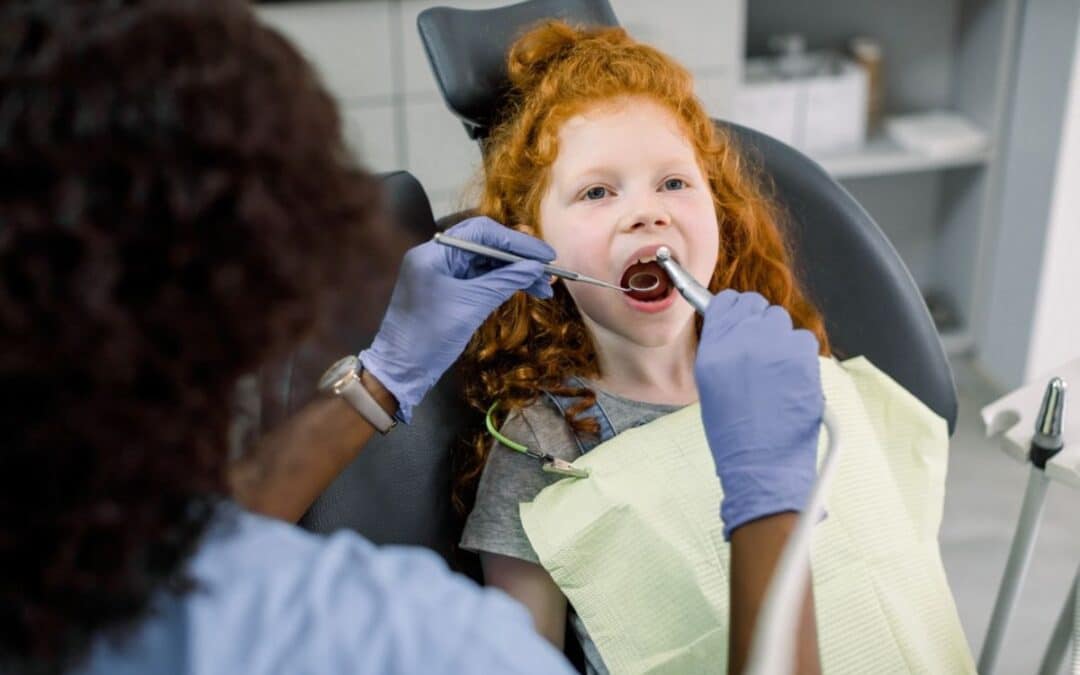
Once you’re reclined in the chair, your dentist will perform a careful visual exam. They’ll look for visible signs of decay, like discoloration or tiny holes in the enamel. Your dentist will also use a dental instrument called an explorer—kind of like a tiny metal pick—to gently check the surface of each tooth.
If the explorer catches on a soft or rough spot, it could be a sign of decay forming beneath the surface.
The Role of Dental X-Rays
Some cavities hide in places that even the best eyes can’t see, like between teeth or under existing fillings. That’s where X-rays come in. These images give your dentist a complete view of what’s happening beneath the enamel, helping to catch early-stage decay before it becomes painful or problematic.
X-rays can also show if a previously filled tooth is breaking down or if new decay has developed around old dental work.
Cavities Aren’t the Only Reason for Fillings
While tooth decay is the most common reason for a filling, it’s not the only one. Your general dentist might recommend a filling if:
- A tooth is chipped or cracked
- There’s minor wear from grinding (bruxism)
- Small gaps or damaged enamel causing discomfort
These types of restorations don’t just fix the issue—they prevent it from becoming worse. That’s why dental fillings are such an essential part of preventive care.
Your Dentist’s Final Decision
After reviewing your symptoms, visual exam, and X-rays, your dentist will determine if a filling is necessary. They’ll also choose the best type of material—composite, amalgam, or another option—based on your needs and the location of the tooth.
Ultimately, fillings restore the shape and function of your teeth, seal out bacteria, and help you maintain a healthy bite. Skipping treatment when it’s needed can allow decay to spread deeper, potentially leading to more serious issues like root canals or tooth loss.
So, if your dentist recommends a filling, it’s all about keeping your smile strong and pain-free.
Getting a filling might not be your favorite part of a dental visit, but it’s a proactive step in preserving your oral health. Whether you’re noticing new sensitivity or just due for your routine checkup, trust that your dentist is trained to spot early signs of trouble and offer the best solution.
And if you’re looking for support with dental fillings in Whitehouse, know that timely care can make all the difference.
Need help deciding what’s right for your smile? Visit a general dentist near you who understands your unique needs and will guide you toward long-term dental wellness.

by 110 Dental & Orthodontics | Jun 20, 2024 | General Dentistry
A regular dental checkup is not merely a cursory glance at your teeth; it’s a comprehensive examination that goes beneath the surface to safeguard your oral health. Understanding the array of exams involved in a standard dental checkup is crucial for informed healthcare decisions. In this in-depth guide, we’ll navigate through the essential examinations that constitute a thorough dental checkup, unraveling their significance in preserving your smile and overall well-being. From X-rays and periodontal assessments to oral cancer screenings, join us on a journey to discover the pivotal role these exams play in maintaining optimal oral health and preventing potential issues.
I. Comprehensive Oral Examination
Visual Inspection of Teeth and Gums
The foundation of any dental checkup is a thorough visual examination of your teeth and gums. Dentists inspect for signs of decay, gum disease, or other abnormalities that might require attention.
Evaluation of Bite and Jaw Function
Dentists assess your bite and jaw function to identify issues like misalignments or temporomandibular joint (TMJ) disorders. Potential complications can be avoided with early detection because it enables prompt intervention.
II. Dental X-rays
Bitewing X-rays
Bitewing X-rays capture a detailed view of the upper and lower back teeth. They are instrumental in detecting cavities between teeth, assessing bone density, and evaluating the overall health of the supporting structures.
Panoramic X-rays
Panoramic X-rays provide a broader view of the entire mouth, including the jaw, sinuses, and nasal area. This exam aids in diagnosing issues such as impacted teeth, cysts, or tumors.
III. Periodontal Examination
Gum Health Assessment
Periodontal examinations evaluate the health of your gums, checking for signs of inflammation, bleeding, or recession. Early detection of gum disease is crucial for effective intervention and prevention.
Measurement of Periodontal Pockets
Dentists measure the depth of the spaces between your teeth and gums, known as periodontal pockets. Deeper pockets can indicate gum disease, and monitoring these measurements helps track the progression of the condition.
IV. Oral Cancer Screening
Examination of Soft Tissues
Routine dental checkups include an examination of the soft tissues in your mouth, including the tongue, cheeks, and throat. Dentists look for any abnormalities, discolorations, or suspicious lesions that may warrant further investigation.
Palpation of Neck and Jaw
Dentists also palpate the neck and jaw areas to detect any lumps, swelling, or tenderness. These could be indicators of underlying issues, and early identification is crucial for prompt treatment.
V. Occlusal Analysis
Evaluation of Tooth Alignment
Dentists assess the alignment of your teeth to identify issues such as crowding, spacing, or irregularities. Proper alignment is essential for both oral health and overall aesthetics.
Check for Signs of Bruxism
Excessive teeth grinding or clenching, known as bruxism, can lead to various dental problems. Dentists look for signs of wear, fractures, or muscle tenderness that may indicate bruxism during your checkup.
VI. Digital Impressions and Imaging
3D Digital Impressions
Advanced technology allows for the creation of 3D digital impressions of your teeth. These precise impressions are useful for planning treatments such as crowns, bridges, or orthodontic procedures.
Intraoral Cameras
Intraoral cameras provide a close-up view of your teeth and gums, enabling dentists to share real-time images with you. This visual aid improves patient comprehension and makes treatment options discussions easier.
VII. Personalized Treatment Plan
Discussion of Findings
Following the exams, dentists discuss their findings with you. They explain any issues detected, the recommended course of action, and the importance of preventive measures to maintain optimal oral health.
Tailored Oral Care Advice
A crucial aspect of a dental checkup is receiving personalized advice on oral care practices. Dentists provide guidance on proper brushing, flossing techniques, and any specific recommendations based on your individual needs.
Regular dental checkups encompass a range of exams designed to comprehensively evaluate and maintain your oral health. From visual inspections and X-rays to periodontal assessments and oral cancer screenings, these exams play a vital role in early detection and prevention. By staying committed to routine dental checkups, you not only preserve your smile but also contribute to your overall well-being. Remember, proactive dental care is the key to a healthy and radiant smile that lasts a lifetime.
by 110 Dental & Orthodontics | Jul 22, 2022 | General Dentistry
Are you worried about your oral health? Are you looking for a good dentist who can handle all your unique dental issues? The best dentist will recommend the appropriate treatment plan for your dental problems and give you the best version of your smile.
Keys Points to Keep in Mind While Choosing Dentist in Whitehouse
Get Referrals
To get a list of potential dentists, you can always ask your friends, family, or other healthcare providers for recommendations. You can always create a list of the dental offices and schedule an office tour, which will help you know the workings of the dental office, understand the environment, and you can always consult the dentist.
Dentist’s Credentials
While searching for a good dentist, make sure the dentist is qualified with a board certification and has the necessary training, skills, and experience to provide dental care. You can find the dentist’s medical schools, training, certifications, etc., on the website, which will make sure you are making the right choice.
Experience
Practice makes one perfect, therefore, it is vital to make sure the expert you visit has had enough practice. You need to get a good dentist in Whitehouse who can handle your unique dental issue. When facing an oral health condition, an experienced dentist can provide you with the proper treatment. You can always ask questions to the dentist about the patients who suffered from your specific condition.
If you have dental anxiety, you can always ask about the alternative treatments provided by the dental office and how successful these approaches have been on other anxious patients. You can always enquire about any specific procedure, its complications, and how many times the dentist has performed the procedure.
Communication Style
With any dental treatment or procedure, it is only natural to have questions. When you first meet, you can always ask different questions and notice how they respond to your queries. Do they make you feel comfortable? Do they respond to you calmly and in detail? Do you feel the answers were rushed or engaged? A good Dentist in Whitehouse, TX, is always ready to answer your questions.
Read Reviews
In today’s world, one can access any information regarding any service online. If you are looking for a dentist near you, you can always Google, ‘how to find the best dentist near me.’ This alone will give you a detailed list of options you can consider. Along with the list, one can also read the reviews of the different dental offices and their dental services provided. Reading such reviews will provide, a good insight into the dentist practices, general dentistry, and how their dental practice is operated. The reviews often reflect patients’ experience, appointments, the office environment, and the staff and doctors’ friendliness. You can learn how long the dentist takes and how they answer their patient’s questions.
Know What Your Insurance Covers
Your dental insurance is an important aspect of selecting a dentist. You need to select a good dentist in Whitehouse, who will work with you to create the best treatment plan, which will be budget-friendly and provide optimal oral health.
The Best Dentist In Whitehouse, TX
A good dentist will understand your concerns, whether financial or dental concerns, and suggest you the appropriate treatment. Moreover, a good dentist will help you maintain your teeth with regular dental checkups and cleanings.
At 110 Dental Orthodontics, our experts in Whitehouse, TX, will work with you to create your ideal treatment plan and respect your decisions. Contact us or book an appointment with the best dentist in Whitehouse, TX.

by 110 Dental & Orthodontics | Jun 1, 2021 | General Dentistry
If you’re looking for ways to protect your teeth from decay and cavities, reducing sugar intake can be an important step to take towards that goal. In addition to keeping an eye out for sugar-free options, xylitol can be an alternative sweetener that may actually be beneficial to your teeth dental health. Let’s talk about what’s so sweet about xylitol and how it can benefit you.
What is Xylitol?
Xylitol is a sugar alcohol that is naturally found in small amounts in many fruits and vegetables and is even produced by the human body’s normal metabolism. It can be processed from trees such as birch or a plant fiber known as xylan. Xylitol has less calories at just 2.4 calories per gram than traditional table sugar at 4 calories per gram — a 40% decrease! Xylitol also doesn’t raise your blood sugar levels, although it looks and tastes similar to regular sugar. But what’s so sweet about xylitol is that it can actually benefit your teeth, in contrast to regular sugar, and in addition to all these other advantages.
How Can Xylitol Benefit My Teeth?
With use over time, xylitol has been shown to neutralize the pH environment of your mouth to reduce bacteria content and its ability to adhere to your teeth. While regular table sugar helps to feed bacteria, producing an acidic environment in your mouth that is more prone to the development of cavities, xylitol may actually help to slow down and even reverse tooth decay and enable your enamel to rebuild, preventing future cavities.
How Can I Replace Sugar with Xylitol?
Xylitol has been shown to be safe for all ages, so it can replace sugar in most products. The sweetener is becoming more and more common in toothpastes, floss, mouthwash, gum, mints, packaged foods and even candies.
Many bakers and cooks have said that xylitol stacks up better than other alternative sweeteners in baking recipes, too, which means that you can try it as a replacement for sugar in many of your favorite recipes. What’s so sweet about xylitol is that the possibilities are endless!
Ask Your Dentist About Xylitol
If you’re curious to know more about xylitol and how it can be added to your oral care regimen to benefit your teeth, it’s a great topic to bring up with your dentist. Dentists are experts in caring for teeth and are always happy to help you find ways that you can better your oral health while enjoying the food, drinks and lifestyle that brings you joy.
Call our Whitehouse dental office to make an appointment with a dentist who may be able to help you find out more about this topic, and improve your oral health.

by 110 Dental & Orthodontics | May 3, 2021 | General Dentistry, Oral Health
Not only can dry mouth cause a lot of discomfort, but because saliva is your body’s way of naturally protecting and remineralizing teeth it can also contribute to conditions with your teeth and gums such as cavities, gum disease and more. Sometimes treating dry mouth is as simple as finding out what is causing it. Other times, it may need ongoing attention to help provide relief. Read on if you’d like to learn more with these 5 ways to treat dry mouth.
1. Drink Lots of Fluids
Hydration is key when suffering from dry mouth. Regardless of the cause, drinking adequate fluids is important to many functions of the body, including saliva production. It is generally recommended that you drink between a half an ounce to a full ounce for every pound that you weigh. This means that if you weigh 150 pounds, you should drink between 75 and 150 ounces a day, or around 10 to 19 cups. Remember that a drinking glass may be larger or smaller than an actual 8 ounce cup measurement, so it may be helpful to use a water bottle that displays measurements to keep track of your daily fluid intake.
Make sure to try to mostly choose drinks without ingredients that may cause staining or be harmful to teeth, such as dark teas or sugar that may lead to tooth decay.
2. Chew Sugar-Free Gum
Chewing sugar-free gum can be helpful to treat dry mouth especially if you’re looking for ways to treat dry mouth while on the go. Chewing gum can help because it stimulates the body’s saliva flow. Better yet, if you can find a gum with xylitol as the sweetening ingredient, it may actually benefit your teeth because xylitol has been shown to change the pH balance of the mouth to reduce the presence of bacteria and its ability to adhere to teeth, which can reduce the risk of cavities.
3. Suck on a Sugar-Free Hard Candy
Sucking on hard candy or throat lozenges can also help to stimulate saliva flow. Make sure the candy is also sugar-free so it won’t leave a sugary residue on your teeth that can cause tooth decay.
4. Check Your Medications
Beyond looking for ways to treat dry mouth, it may be helpful to find out if anything is contributing to it. A good place to start may be to look up any medications you take for possible side effects that may include dry mouth. Many common medications, both prescription and over-the-counter, can cause reduced saliva production and if dry mouth has become problematic for you while taking a medication then it might be helpful to talk to your doctor.
5. Talk to Your Dentist
If you’re searching for ways to treat dry mouth, it’s a good idea to make an appointment to talk to your dentist, who specializes in oral care and hygiene, about any possible causes and all your options available. If you’ve tried multiple ways to treat dry mouth and it’s still unresolved, your dentist may be able to recommend other treatments such as a special mouthwash or another product or treatment to help provide relief.
Call our Whitehouse dental office to make an appointment with a dentist who may be able to help you find out more about this topic, and improve your oral health.