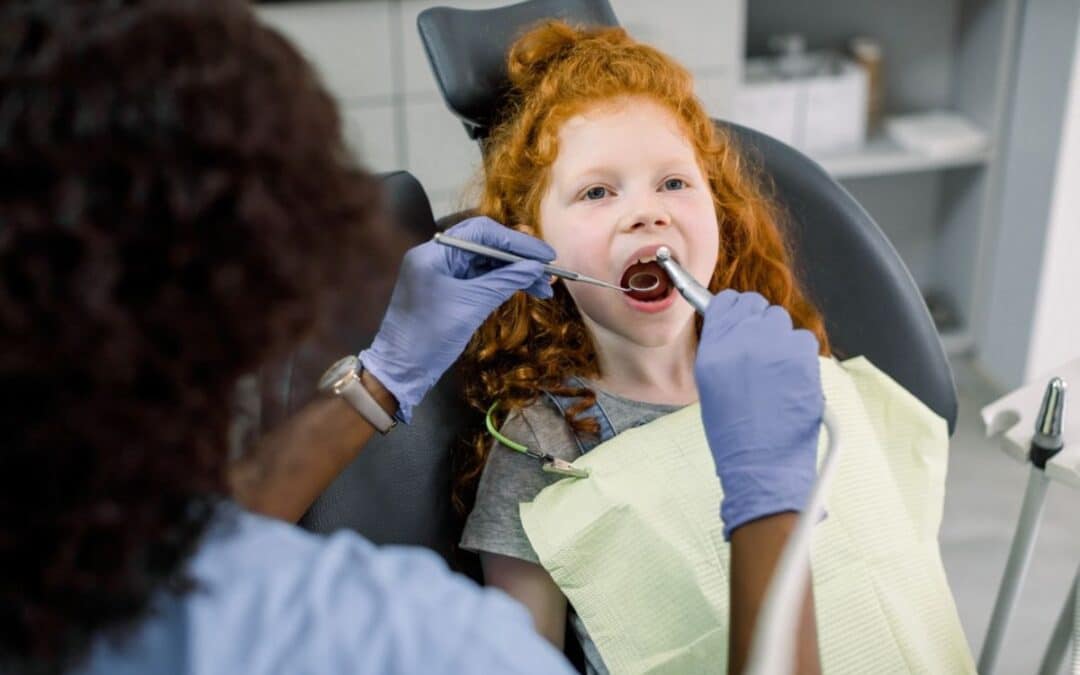
When it comes to protecting your child’s teeth—or even your own—from cavities, brushing and flossing are essential. But what about those tiny grooves on the chewing surfaces of molars where plaque and bacteria love to hide? That’s where dental sealants come into play. This simple yet powerful solution has helped millions maintain healthier smiles with minimal effort.
What Are Dental Sealants?
Dental sealants are thin, plastic-like coatings applied to the chewing surfaces of the back teeth (molars and premolars). These surfaces have deep pits and grooves that can be difficult to clean with a toothbrush alone. Over time, food particles and bacteria settle in these grooves, increasing the risk of tooth decay.
Sealants act as a barrier, sealing off these vulnerable areas and preventing plaque and food from becoming trapped. Think of them as raincoats for your teeth—offering long-lasting protection against decay.
How Do Dental Sealants Work?
The science behind dental sealants is surprisingly simple. After cleaning and drying the tooth, a dentist applies a special gel that slightly roughens the surface, helping the sealant bond better. The gel is rinsed off, and the sealant is painted onto the tooth. A curing light then hardens the sealant into place.
Once hardened, the sealant creates a smooth surface that’s easier to keep clean and less likely to trap food. This protective layer can last for several years, reducing the risk of cavities significantly.
Who Needs Dental Sealants?
Sealants are most commonly recommended for children and teenagers, especially those just getting their first set of permanent molars. However, adults without cavities or fillings in their molars can also benefit from sealants.
If your child is prone to cavities or struggles with oral hygiene, sealants offer an extra layer of defense. It’s a quick, painless process that could save them from future dental work.
Advantages of Sealants You Shouldn’t Ignore
-
Prevent Cavities Early: Sealants can reduce the risk of decay in molars by up to 80%.
-
Quick and Non-Invasive: The process is painless and usually takes just a few minutes per tooth.
-
Long-Lasting Protection: Sealants can last five years or more with proper care.
-
Cost-Effective Prevention: Preventing cavities is easier (and cheaper) than treating them.
Midway through your journey to better dental health, it’s worth noting the value of dental sealants in Whitehouse for both children and adults. It’s one of the simplest ways to prevent future dental problems and maintain a healthy, confident smile.
How to Care for Teeth with Sealants
Sealants are strong but not indestructible. To get the most out of them:
-
Avoid biting down on hard objects like ice or pens.
-
Continue brushing and flossing daily to protect other parts of the tooth.
-
Visit your dentist regularly so they can check the condition of your sealants.
-
Ask your dental provider about reapplication if a sealant wears down or falls off.
Dental sealants are a straightforward and highly effective way to protect teeth against decay. Their application is quick, painless, and incredibly beneficial, especially for growing children and teens. If you’re looking for an easy way to safeguard your family’s oral health, consult with a dentist in Whitehouse to see if sealants are right for you.