by 110 Dental & Orthodontics | Jul 9, 2025 | Crowns
Your smile is one of your greatest assets, but damaged or weakened teeth can dim its shine. Dental crowns offer a reliable solution to restore and protect your teeth, blending strength with aesthetics. Whether you’re dealing with a cracked tooth, severe decay, or a root canal, crowns act like a shield, preserving your natural tooth while enhancing its appearance. In this blog, we’ll explore how dental crowns work, their benefits, and practical ways to ensure they last, all while addressing your most pressing questions in a friendly, professional way.
What Are Dental Crowns?
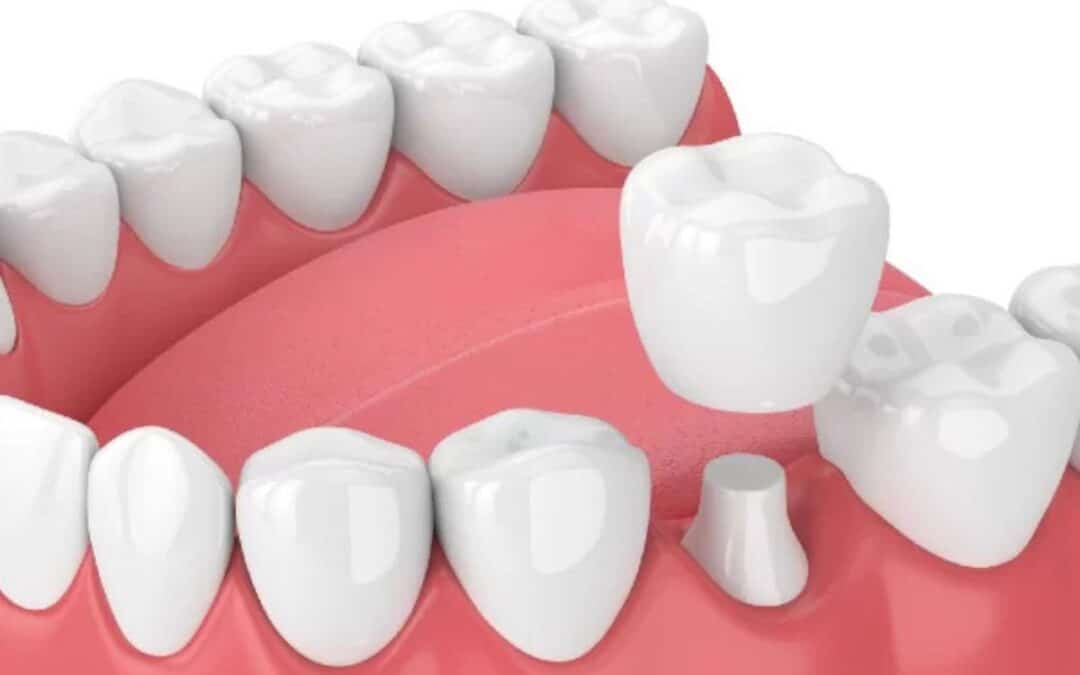
Dental crowns are custom-made caps that fit over a damaged or weakened tooth. They restore its shape, size, and strength while improving its appearance. Think of a crown as a protective helmet for your tooth—it covers the entire visible portion above the gum line. Crowns are versatile, addressing issues like cracks, large fillings, or cosmetic imperfections. They’re crafted from materials like porcelain, ceramic, metal, or a combination, ensuring durability and a natural look.
Why Do You Need a Dental Crown?
Crowns serve multiple purposes. They protect teeth weakened by decay or injury, preventing further damage. After a root canal, a crown provides essential support to the treated tooth. They also cover discolored or misshapen teeth, boosting your smile’s appeal. By acting as a barrier, crowns help maintain your tooth’s integrity, allowing you to chew and speak confidently.
How Do Dental Crowns Protect Your Teeth?
Dental crowns work by encasing the entire visible portion of a tooth, providing a sturdy layer that absorbs the stress of chewing and biting. This protection is crucial for teeth that are cracked, worn down, or structurally compromised. Crowns distribute pressure evenly, reducing the risk of fractures. They also shield the tooth from bacteria and decay, especially after procedures like root canals where the tooth’s natural defenses are weakened.
The Process of Getting a Dental Crown
Getting a crown typically involves two visits to your dentist. First, the dentist examines and prepares the tooth by removing any decay and shaping it to fit the crown. An impression of your tooth is taken to create a custom crown that matches your bite and smile. A temporary crown protects your tooth while the permanent one is made, usually in a lab. On your second visit, the dentist secures the permanent crown with dental cement, ensuring a snug fit. For patients seeking dental crowns in Whitehouse, TX, this process is streamlined with advanced technology for precision and comfort.
Materials Used in Dental Crowns
Crowns come in various materials, each with unique benefits. Porcelain and ceramic crowns mimic the natural color of teeth, making them ideal for front teeth. Metal crowns, like gold or stainless steel, offer unmatched strength for back teeth. Porcelain-fused-to-metal crowns combine aesthetics and durability. Your dentist will recommend the best material based on the tooth’s location and your needs, ensuring both function and a natural appearance.
Benefits of Dental Crowns
Dental crowns offer more than just protection. They restore your ability to chew comfortably, improve speech clarity, and enhance your smile’s aesthetics. Crowns are long-lasting, often enduring 10-15 years with proper care. They also prevent further dental issues, like tooth loss, by stabilizing weakened teeth. For those worried about maintenance, tips for affordable dental crowns include brushing twice daily, flossing, and visiting your dentist regularly to keep your crown in top shape.
Are Dental Crowns Comfortable?
Many patients worry about discomfort, but modern crowns are designed for a seamless fit. The preparation process may cause temporary sensitivity, but once the crown is placed, it feels like a natural tooth. Dentists use precise measurements to ensure your bite aligns perfectly, minimizing any awkwardness. If you experience prolonged discomfort, consult your dentist to adjust the crown’s fit.
Trending FAQs About Dental Crowns
Patients often have questions about dental crowns. Here are answers to some of the most frequently asked questions, sourced from common Google searches:
-
What is the lifespan of a dental crown?
With proper care, crowns can last 10-15 years or longer. Regular dental checkups and good oral hygiene extend their durability.
-
Can a dental crown be replaced?
Yes, if a crown becomes damaged or worn, your dentist can replace it with a new one, following the same process.
-
Do dental crowns require special care?
No special care is needed beyond standard oral hygiene. Brush, floss, and avoid chewing hard objects to protect the crown.
-
Are dental crowns painful to get?
The procedure is typically painless with local anesthesia. Some sensitivity may occur post-treatment but usually subsides quickly.
-
Can crowns get cavities?
The crown itself can’t decay, but the tooth underneath can. Proper hygiene prevents decay at the crown’s base.
How to Care for Your Dental Crowns
Maintaining your crowns is straightforward. Brush twice daily with a soft-bristled toothbrush and use non-abrasive toothpaste to avoid scratching. Floss daily, ideally with floss threaders, to clean around the crown’s edges. Avoid biting down on hard foods like ice or nuts, as these can chip or loosen the crown. Regular dental checkups catch issues early, ensuring your crown stays secure and functional.
Common Misconceptions About Dental Crowns
Some believe crowns are noticeable or unnatural, but modern materials blend seamlessly with your teeth. Others think crowns are only for older adults, yet they benefit anyone with damaged teeth. Another myth is that crowns are permanent; while durable, they may need replacement over time. Understanding these facts helps you make informed decisions about your dental health.
When to Consider a Dental Crown
If you have a cracked tooth, large filling, or recent root canal, a crown may be necessary. Cosmetic concerns, like severe discoloration, also warrant crowns. Your dentist will assess your tooth’s condition and recommend a crown if it’s at risk of further damage. Acting promptly prevents complications like tooth loss or infection, preserving your smile’s health and beauty.
Choosing the Right Dentist for Your Crown
Selecting a skilled dentist in Whitehouse ensures your crown fits perfectly and lasts. Look for a provider with experience in restorative dentistry and access to modern technology. A good dentist will explain the process, answer your questions, and tailor the crown to your needs. Reading reviews and asking for recommendations can guide you to a trustworthy professional.
Why Dental Crowns Are a Smart Choice
Dental crowns combine functionality with aesthetics, offering a versatile solution for damaged teeth. They protect your natural tooth, restore your confidence, and prevent future dental issues. With proper care, crowns provide long-term benefits, making them a worthwhile investment in your oral health. By addressing both structural and cosmetic concerns, crowns help you smile with ease.
Dental crowns are a game-changer for anyone looking to protect and enhance their smile. By encasing weakened teeth, they provide strength, durability, and a natural look that boosts confidence. With straightforward care and regular dental visits, crowns can serve you for years, safeguarding your oral health. If you’re considering crowns, consult your dentist to explore how they can address your unique needs and keep your smile shining bright.
by 110 Dental & Orthodontics | Nov 11, 2024 | Crowns
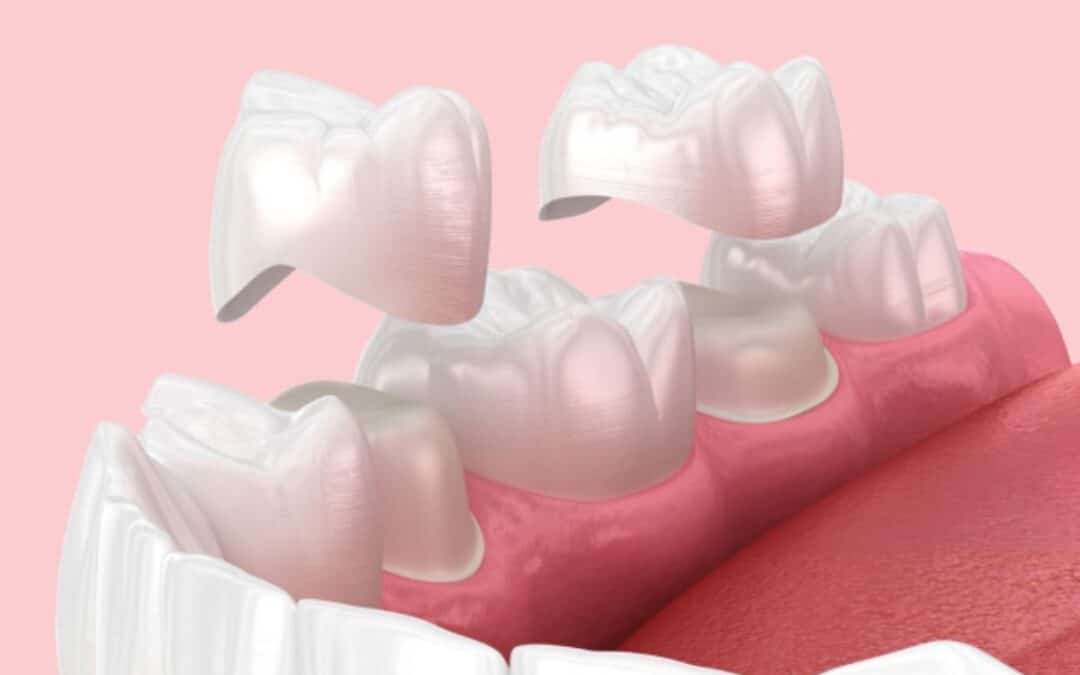
Dental crowns serve as crucial restorative solutions. They are designed not only to enhance the appearance of your smile but also to help restore function and protect weakened teeth. Whether you need coverage after doing a root canal or need to repair a damaged tooth, this dental prosthetic gives the required strength and durability required for long-term results. With so many material options available, each offering distinct benefits and limitations, choosing the best choice for the needs requires careful consideration.
Understanding the durability of different types of tooth caps is vital to making an informed decision. Let’s dive into what makes each option of dental crowns in Whitehouse unique and how long they’ll last in your mouth.
Types of Dental Crown Materials
Metal Material
If longevity and durability are your priority, metal dental caps are a fantastic option. Made from gold, platinum, or other alloys, they are strong and resistant to wear. While not the most aesthetic choice, these crowns are ideal for back teeth, where function is more important than appearance.
Porcelain-Fused-to-Metal Material
Porcelain-fused-to-metal (PFM) crowns combine a strong metal core with an outer layer of porcelain. This blend of strength and aesthetics makes them popular for front and back teeth. The porcelain looks natural and mimics the appearance of your real teeth, while the metal provides the durability needed to withstand the daily wear and tear of biting and chewing.
Ceramic Material
Ceramic dental crowns in Whitehouse are an excellent choice if you’re looking for a crown that closely resembles your natural teeth. They are entirely made from ceramic, offering a highly aesthetic solution for front teeth. This material is durable, biocompatible, and an excellent option for those sensitive to metals.
Composite Resin Material
Composite crowns are an affordable alternative to porcelain or metal counterparts. They are made of a tooth-colored material that can be efficiently designed to match the contours of your natural tooth. While these materials blend seamlessly with your smile, composite resin crowns are less durable than other options.
Durability of Each Crown Material
Metal
Metal crowns lead the pack in durability. They are built to last 10 to 15 years or more with proper care. Their resistance to wear, cracking, and staining makes them perfect for areas that undergo heavy grinding, like the molars. While they may not be the first choice for visible teeth, their longevity makes them a reliable option for long-term dental restoration.
Porcelain-Fused-to-Metal
PFM crowns offer an outstanding balance of strength and aesthetics. They last longer depending on factors like oral hygiene and damage percentage. The metal core provides excellent stability, while the porcelain can be prone to chipping or wearing down over time, especially in patients who grind their teeth or have a misaligned bite. Still, PFM options are versatile and durable for many patients.
Ceramic
Ceramic crowns offer an attractive alternative for those seeking a more natural-looking solution, especially for front teeth. They’re durable, typically lasting 10 to 15 years with proper care, though they are not as resistant to damage from biting hard foods or grinding as metal crowns. If you’re looking for a crown that blends seamlessly with your smile, the ceramic dental caps are an excellent choice, but be mindful of potential chipping.
Composite Resin
Composite resin crowns are typically the least durable option, lasting 5 to 7 years on average. While they can look great initially, they are more prone to staining, wear, and fracturing. These tooth caps are best suited for temporary restorations or areas of the mouth that don’t experience much biting pressure. They’re a cost-effective option but may require more frequent replacement.
Factors Influencing the Longevity of Dental Crowns
The lifespan of your dental crown is not only determined by the material but also by several external factors. Here’s what affects the durability:
- Oral Hygiene: The better care you take of your oral health, the longer your crown will last. Neglecting to brush and floss properly can lead to plaque buildup, decay around the edges of the crown, and the need for early replacement.
- Bite Alignment: Faulty teeth cause uneven pressure on dental appliances, causing them to wear out or even break much earlier than necessary. Ensuring your bite is aligned correctly can significantly increase the lifespan of your crown.
- Grinding and Clenching: Habitual teeth grinding or clenching can severely damage your crown, especially if made from ceramic or composite resin. If this is an issue for you, talk to your dentist about wearing a night guard to protect your crown.
- Dietary Habits: Eating hard or sticky foods can damage specific teeth coverings. For example, ceramic crowns can chip under heavy pressure, and composite resin may wear down faster with constant exposure to staining substances like coffee or tobacco.
What to Expect if You Ignore Crown Care
Failing to maintain your crowns properly can lead to a variety of problems, such as:
- Decay and Gum Disease: Without regular brushing and flossing, decay can develop around the edges of the crown, leading to the need for a replacement.
- Crown Damage: Teeth grinding, poor oral hygiene, and eating hard foods can all damage the crown, causing cracks, chips, or complete breakage.
- Gum Inflammation: Poor care can lead to inflammation of the gums surrounding the crown, which can affect the fit and cause discomfort.
- Frequent Replacements: With proper maintenance, you may be able to replace your crown much sooner than expected, leading to additional costs and time spent at the dentist.
Choosing the suitable dental crown material is crucial for your restoration’s appearance and durability. Whether you opt for a long-lasting metal crown or a more aesthetic ceramic solution, understanding the strengths and limitations of each material will help you make the best decision for your needs. Maintaining good oral hygiene, protecting your crown from excessive pressure, and visiting your dentist as prescribed ensure that your dental crowns in Whitehouse stay strong for many years.
For those considering dental crowns, trust 110 Dental & Orthodontics of Whitehouse, TX, to guide you in selecting the best option for your smile. Contact us today to schedule your consultation and experience the best dental care.

by 110 Dental & Orthodontics | May 25, 2023 | Crowns, Dental Care, Dental Health
Are you tired of the discomfort and inconvenience that comes with traditional dental crowns and bridges? Well, there’s good news! Digital dentistry is changing the game when it comes to restorative dental procedures. With advanced technology, digital dentistry offers a more efficient and comfortable experience for patients undergoing crown and bridge treatments. Let’s dive in!
What Is Digital Dentistry?
Digital dentistry is a term used to describe the use of advanced technology in dental procedures. This involves the replacement of traditional tools with digital devices, such as computer-aided design (CAD) and computer-aided manufacturing (CAM).
With digital dentistry, dental professionals can create accurate 3D representations of patients’ teeth using intraoral scanners. These scans are then used to design and manufacture restorations like crowns and bridges. The use of this technology has revolutionized the way these treatments are done by creating more precise measurements, reducing discomfort for patients, and improving overall treatment outcomes.
In addition to increasing precision in treatment planning, digital dentistry has also improved communication between dental professionals. With digital imaging systems that allow for easy sharing of patient information across different platforms, it’s now much easier for specialists like orthodontists or periodontists to work together on complex cases.
Digital dentistry offers many benefits over traditional methods including greater accuracy in diagnosis and treatment planning, increased comfort during procedures for patients, improved communication between providers – all leading to better oral health outcomes for those seeking restorative care.
Benefits Of Digital Dentistry
Digital dentistry has revolutionized the way dental treatments are performed. It offers numerous benefits that traditional methods cannot match. Here are some of the advantages you can enjoy if you choose digital dentistry for your crowns and bridges.
Accuracy: With digital scans, a dentist can create a highly accurate model of your teeth, providing better fitting crowns and bridges.
Efficiency: The use of technology reduces the amount of time it takes to produce custom restorations by creating them in-house with specialized software and hardware.
Comfort: Digital impressions eliminate the need for messy impression materials, making it more comfortable for patients during their dental appointments.
Cost-effective: Although there is an upfront investment in equipment costs for clinics, digital dentistry saves money over time since fewer visits are required due to greater accuracy leading to reduced corrections required.
Eco-friendly: With less waste generated from traditional impression materials and disposable items used in labs, there is much less impact on our environment which means that digital dentistry is also sustainable!
Types Of Crowns And Bridges
When it comes to crowns and bridges, there are a few different types available depending on your needs. The most common type of crown is made from porcelain fused to metal, which provides both durability and an aesthetically pleasing appearance.
For those who prefer a more natural look, all-ceramic or all-porcelain crowns can be used instead. These options have become increasingly popular in recent years due to their ability to blend seamlessly with the surrounding teeth.
Another option for tooth replacement is a bridge, which can be supported by either natural teeth or dental implants. Traditional bridges are anchored by the two adjacent teeth using crowns, while implant-supported bridges use dental implants as support instead.
Each type of crown and bridge has its own advantages and disadvantages that should be discussed with your dentist before deciding on the best option for you. By working together with your dentist and utilizing digital dentistry techniques, you can achieve optimal results that meet both your functional needs and aesthetic preferences.
Precautions To Take When Getting Dental Crowns and Bridges
When getting dental crowns or bridges, there are a few precautions that you should take to ensure the best possible outcome. First and foremost, make sure that your dentist is experienced in placing crowns and bridges. Ask for referrals from friends or family members who have had successful procedures done.
It is important to maintain good oral hygiene before and after the procedure. Brushing twice a day and flossing regularly can help prevent gum disease which can lead to further complications with your crown or bridge.
Be cautious when eating hard or sticky foods as they may damage your restoration. Chewing on ice, popcorn kernels, or using your teeth as a tool can also cause damage.
If you experience any discomfort after the procedure such as pain while biting down, sensitivity to hot or cold temperatures, contact your dentist right away.
Attend regular check-ups with your dentist so they can monitor the health of your restoration over time.
By taking these precautions when getting dental crowns or bridges, you will be able to enjoy a healthy smile for years to come!
The Bottom Line
Digital Dentistry has revolutionized the way crowns and bridges are created and installed. It offers numerous benefits such as accuracy, speed, convenience, and comfort for patients. With the use of advanced technology like CAD/CAM systems and 3D printers, dental professionals can now create customized restorations that perfectly fit a patient’s oral cavity.
However, it is still important to take precautions when getting dental crowns or bridges to ensure their longevity. Regular check-ups with your dentist can help monitor their condition and address any issues before they worsen.
Digital dentistry has paved the way for more efficient and effective dental treatments that benefit both patients and practitioners alike. If you’re looking into getting crowns or bridges in the future, consider choosing a dentist who utilizes digital dentistry techniques to experience its many advantages firsthand.
by 110 Dental & Orthodontics | Mar 13, 2023 | Crowns
Are you curious about dental crowns? Perhaps you’ve been advised to get one or maybe you just want to know more about this common dental procedure. Whatever your reason, we’ve got you covered! In this blog post, we’ll delve into what to expect when getting dental crowns – from the initial consultation all the way through recovery. So sit back and relax as we take you on a journey of everything there is to know about dental crowns!
What are Dental Crowns?
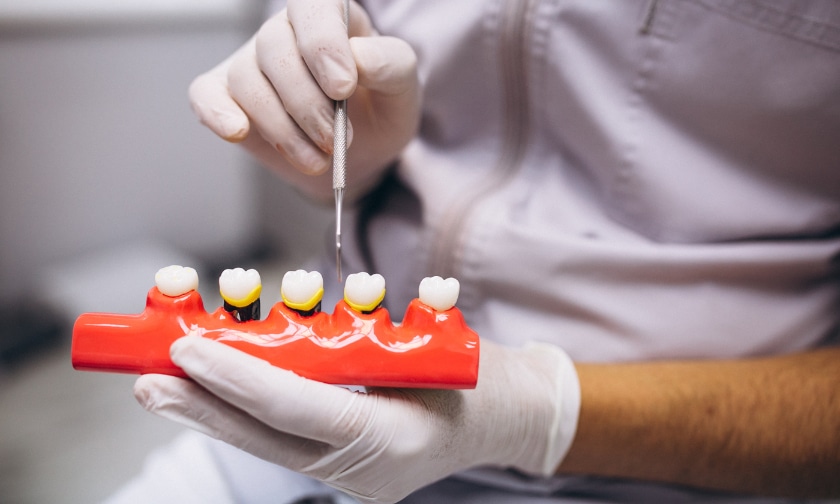
Dental crowns are one of the most common dental procedures. They are used to restore a tooth’s function and appearance after damage or decay. Crowns can also be used to support a dental bridge or cover a dental implant.
The procedure for getting a dental crown usually takes two visits to the dentist. During the first visit, the tooth will be prepared for the crown and an impression will be taken. This impression will be used to create your custom-made crown. The second visit will involve placing the crown on your tooth and making any final adjustments.
Dental crowns are made from a variety of materials, including porcelain, ceramic, metal, or a combination of these materials. Your dentist will help you choose the right material for your needs based on aesthetics, function, and cost.
Porcelain and ceramic crowns are popular because they offer a natural look that closely resembles your other teeth. Metal crowns are strong and durable, but they can be more noticeable than other types of crowns. Composite resin crowns are made from a mixture of plastic and glass, so they offer both strength and aesthetic appeal.
The lifespan of a dental crown depends on the material it is made from as well as how well you take care of it. With proper care, most dental crowns can last for many years before they need to be replaced.
Reasons for Getting a Dental Crown
There are many reasons why you might need a dental crown. If you have a tooth that is cracked or broken, a dental crown can help to protect it and keep it from getting worse. If you have a tooth that is severely decayed, a dental crown can help to restore it. A dental crown can also be used to support a dental bridge.
The Procedure for Getting a Dental Crown
A dental crown is a tooth-shaped “cap” that is placed over a tooth to cover the tooth and restore its shape and size. Crowns are used to protect a weak or damaged tooth from breaking, to support a tooth with a large filling when there isn’t enough tooth remaining, or to cover misshapen or severely discolored teeth.
Getting a dental crown usually takes two visits to the dentist. During the first visit, the dentist will take an impression (mold) of your teeth, which will be used to make the crown. The impression is sent to a dental laboratory, where your crown will be made.
While you wait for your permanent crown, you’ll be fitted with a temporary one. The temporary crown protects your tooth until your permanent crown is ready, which usually takes about two weeks.
During your second visit, the dentist will remove the temporary crown and check the fit of your permanent crown. Once he or she is satisfied with the fit, the permanent crown will be cemented into place.
What to Expect After the Procedure
After the procedure, you can expect your teeth to feel a bit sensitive. This is normal and will go away after a few days. You may also have some soreness in your gums. Again, this is normal and will go away with time. Be sure to take it easy for the first few days after the procedure and avoid eating hard or crunchy foods.
Benefits of Dental Crowns
Dental crowns are a type of dental restoration that can be used to improve the function, appearance, and health of your teeth. Crowns can be made from a variety of materials, including porcelain, ceramic, metal, or composite resin. They are typically used to restore a tooth that has been damaged by decay, injury, or wear and tear.
There are many benefits of dental crowns. Crowns can:
- Protect a weak tooth from breaking or further damage
- Cover and support a tooth with a large filling when there isn’t enough tooth remaining
- Hold together parts of a cracked tooth
- Attach to a dental implant
- Improve the appearance of misshapen or discolored teeth
- Cover up a tooth that has undergone root canal treatment
Crowns are an important tool in restorative dentistry and can greatly improve the function and appearance of your smile. If you have any questions about whether or not dental crowns are right for you, please contact our office. We would be happy to help you make an informed decision about your oral health care.
Conclusion
Dental crowns can be a great way to restore a damaged tooth or improve its appearance. Although it is a relatively straightforward procedure, there are still some things you need to know before getting one. Be sure to discuss all of your options with your dentist and ask questions if you have any in order to ensure that you get the best result possible. With proper care, dental crowns can last for many years and help keep your smile looking its best!
FAQs
Q: How long does it take to get a dental crown?
A: It usually takes two visits to the dentist to get a dental crown. The first visit is to have the tooth prepared and impressions taken. The second visit is to have the crown fitted and cemented in place.
Q: How much does a dental crown cost?
A: The cost of a dental crown varies depending on the material used and the Dentist’s fee. Porcelain or ceramic crowns are more expensive than metal crowns. The price also depends on whether you have dental insurance.
Q: Will my insurance cover the cost of a dental crown?
A: Most insurance plans will cover some of the cost of a dental crown. However, you will likely have to pay a portion of the costs yourself. Check with your insurance company to see what coverage you have for dental crowns.
by 110 Dental & Orthodontics | Feb 13, 2023 | Crowns
Dental crowns are an important part of dental care, but they can be expensive. In this article, we’ll explore 4 tips on how to get the most value out of your dental crowns without breaking the bank. Get ready to learn how to make informed decisions that will save you money and keep your teeth looking great!
What is a Dental Crown?
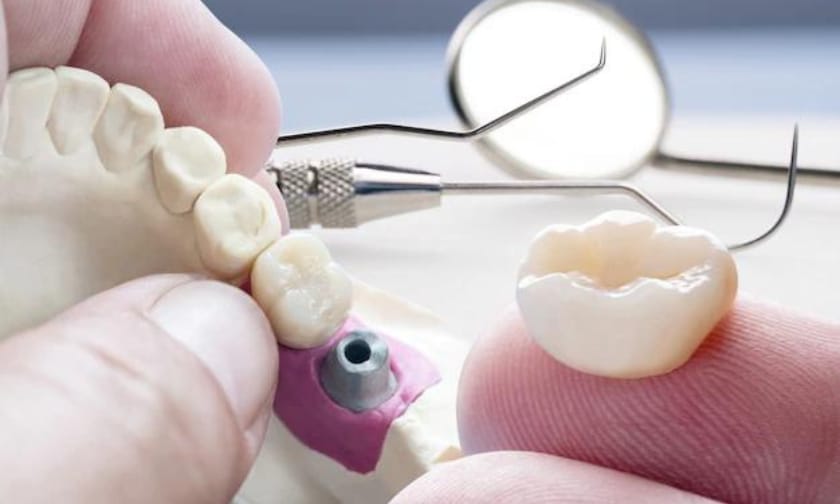
A dental crown is a common procedure that can be used to improve the appearance of your smile. It involves placing a porcelain or ceramic cap over your existing tooth. Crowns can be used to restore the function and strength of your teeth, as well as improve their appearance.
The cost of dental crowns can vary depending on the material used, the number of crowns needed, and the dentist you choose. However, there are several ways you can save money on dental crowns.
Here are a few tips to help you get the most affordable dental crowns:
- Shop around – Get quotes from multiple dentists before choosing one.
- Consider different materials – Porcelain or ceramic may be more expensive than other options, but they can also last longer.
- Ask about discounts – Some dentists offer discounts for cash payments or if you have insurance coverage.
- Look into financing options – If you need multiple crowns, ask about financing options to make the process more affordable.
Shop Around for the Best Prices
When you’re considering dental crowns, it’s important to shop around for the best prices. There are many dentists who offer different price points for this procedure, so it’s important to compare and find the one that’s right for you.
There are a few things you should keep in mind when shopping for the best price on dental crowns. First, be sure to ask about any discounts that may be available. Many dentists offer discounts for cash paying customers or for those who have insurance. Second, be sure to ask about financing options. Many dentists offer financing plans which can make the cost of dental crowns more affordable.
Third, be sure to ask about the quality of materials used. Some dentists use high quality materials while others use lower quality materials. Be sure to ask about this so that you know what you’re getting for your money. Finally, be sure to check out reviews online before choosing a dentist. This can give you an idea of what other patients have experienced with a particular dentist.
By following these tips, you can be sure to find the best prices on dental crowns. Be sure to compare dentists and their prices before making a final decision.
Look into Insurance Options
There are a few things to keep in mind when looking for dental insurance. First, make sure that the plan covers the procedure you need. Second, check to see if there is a waiting period for the procedure. Some plans have a waiting period of up to 12 months. Third, check to see if there is a maximum benefit amount for the procedure. Most plans have a maximum benefit of $1,000-$1,500. fourth, make sure you understand what the deductible is and if you will be responsible for any portion of the procedure.
Once you have considered all of these factors, you can start comparing dental insurance plans to find the most affordable option for you. There are a variety of ways to compare dental insurance plans. You can use an online comparison tool, speak with a representative from each company, or consult with your dentist.
Consider Other Treatment Alternatives
When considering dental crowns, be sure to explore all of your treatment options. In some cases, a less expensive alternative such as a dental veneer or dental bonding may be a better choice for you. Be sure to discuss all of your options with your dentist to ensure that you choose the best possible treatment for your needs.
Ask Your Dentist About Financial Options
If you’re considering dental crowns, be sure to ask your dentist about all of the financial options available to you. Many dentists offer financing plans that can make dental crowns more affordable. In addition, some dental insurance plans cover the cost of dental crowns. Be sure to ask your dentist about all of your options so that you can make the best decision for your smile.
Conclusion
We hope these tips have been helpful in guiding you to the most affordable dental crowns. Dental crowns can be an expensive investment, but with a bit of research and knowledge, you can find the perfect solution for your budget. Don’t forget to always consult with your dentist before making any decisions regarding your oral health and work closely with them to create a payment plan that fits within your means. Ultimately, finding the best possible solution for both price and quality is essential when it comes to dental care!
FAQs
Q: How much do dental crowns cost?
A: The cost of dental crowns can vary depending on the type of material used and the dentist you visit. However, on average, dental crowns can range from $500 to $3,000 per tooth.
Q: How often do I need to get a dental crown?
A: A dental crown typically lasts for about 5 to 15 years before it needs to be replaced. However, the lifespan of a dental crown can vary depending on the individual’s oral hygiene habits and how well they take care of their teeth.
Q: What are the benefits of getting a dental crown?
A: There are many benefits that come with getting a dental crown, such as improved appearance, strengthened tooth structure, and better bite alignment. Additionally, a dental crown can also help protect a tooth that has been damaged or is at risk for further damage.

by 110 Dental & Orthodontics | Jan 13, 2023 | Crowns
Do you want to restore the look of your smile with dental crowns? Many people turn to dental crowns when they’re looking to repair damaged, decayed, or discolored teeth. Dental crowns can also be used to support dental bridges, cover implants, and protect weak teeth from breaking. Dental crowns can greatly improve the look of your smile in a very short amount of time.
But not everyone is an ideal candidate for dental crowns. In this article, we will discuss who is eligible for a dental crown procedure and what to expect throughout the process.
What Are Dental Crowns?
Dental crowns are hollow, tooth-shaped caps that cover the entire visible part of your teeth. Dental crowns are typically made from porcelain or ceramic and can be custom-made to match the color of your natural teeth. Dental crowns can be used to restore the shape, size, and strength of a damaged or decayed tooth. Dental crowns can also be used to protect weak teeth from breaking.
Who Is an Ideal Candidate for Dental Crowns?
Generally, if you have severely decayed, chipped, cracked, or misshapen teeth, you are a good candidate for dental crowns. Dental crowns can also be used to protect weak teeth from breaking. Dental crowns can be used to restore the look of a damaged tooth, making it look and feel just like your original tooth. Dental crowns can also be used to support dental bridges or cover dental implants.
The Dental Crown Procedure
The dental crown procedure typically takes two visits to complete. During the first visit, your dentist will examine your teeth and gums to make sure you are a good candidate for dental crowns. Your dentist may also take x-rays to ensure that the tooth is healthy and that there is no underlying decay.
Next, your dentist will prepare the tooth for a crown by removing any damaged or decayed portions of the tooth. Then an impression of your teeth will be taken so that a custom-fitted dental crown can be created in a lab. During this time, you may receive a temporary crown to protect the prepared tooth until your permanent crown is ready.
On the second visit, your dentist will remove the temporary crown and replace it with a permanent dental crown. Your dentist may also adjust the fit and size of the dental crown to ensure a comfortable fit in your mouth.
Dental crowns can be an effective way to restore the look of a damaged or decayed tooth. Dental crowns can also be used to protect weak teeth from breaking and support dental bridges and implants. However, not everyone is an ideal candidate for dental crowns. If you’re considering getting a dental crown, speak with your dentist to make sure that it’s the right choice for you.
FAQs
Q: How long does a dental crown last?
A: Dental crowns can last for many years with proper care and maintenance. The average lifespan of a dental crown is 5-15 years, depending on the type of material used to make it.
Q: Are dental crowns painful?
A: Dental crowns are not usually painful. Your dentist will numb the area before getting started to help make the procedure more comfortable. You may experience some discomfort afterward, but this should subside with time.
Q: How often do I need to have my dental crown checked?
A: Dental crowns should be checked by your dentist once a year to ensure that they are still in good condition. Your dentist may also recommend periodic cleanings and x-rays to monitor the health of the tooth underneath the dental crown.