Your smile is one of your greatest assets, but damaged or weakened teeth can dim its shine. Dental crowns offer a reliable solution to restore and protect your teeth, blending strength with aesthetics. Whether you’re dealing with a cracked tooth, severe decay, or a root canal, crowns act like a shield, preserving your natural tooth while enhancing its appearance. In this blog, we’ll explore how dental crowns work, their benefits, and practical ways to ensure they last, all while addressing your most pressing questions in a friendly, professional way.
What Are Dental Crowns?
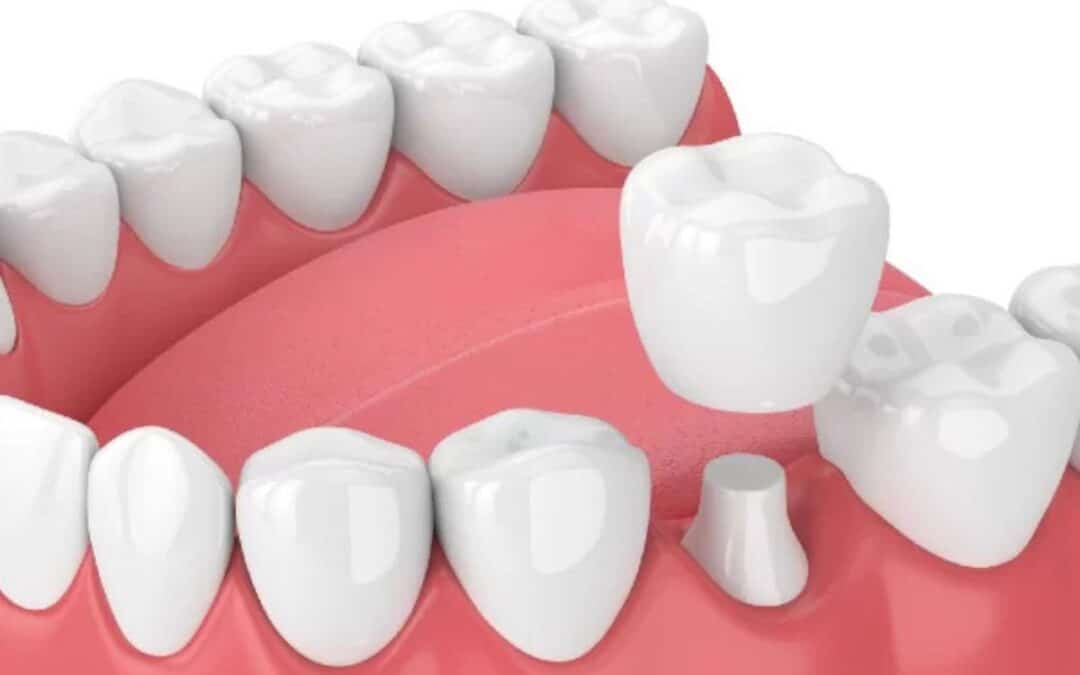
Dental crowns are custom-made caps that fit over a damaged or weakened tooth. They restore its shape, size, and strength while improving its appearance. Think of a crown as a protective helmet for your tooth—it covers the entire visible portion above the gum line. Crowns are versatile, addressing issues like cracks, large fillings, or cosmetic imperfections. They’re crafted from materials like porcelain, ceramic, metal, or a combination, ensuring durability and a natural look.
Why Do You Need a Dental Crown?
Crowns serve multiple purposes. They protect teeth weakened by decay or injury, preventing further damage. After a root canal, a crown provides essential support to the treated tooth. They also cover discolored or misshapen teeth, boosting your smile’s appeal. By acting as a barrier, crowns help maintain your tooth’s integrity, allowing you to chew and speak confidently.
How Do Dental Crowns Protect Your Teeth?
Dental crowns work by encasing the entire visible portion of a tooth, providing a sturdy layer that absorbs the stress of chewing and biting. This protection is crucial for teeth that are cracked, worn down, or structurally compromised. Crowns distribute pressure evenly, reducing the risk of fractures. They also shield the tooth from bacteria and decay, especially after procedures like root canals where the tooth’s natural defenses are weakened.
The Process of Getting a Dental Crown
Getting a crown typically involves two visits to your dentist. First, the dentist examines and prepares the tooth by removing any decay and shaping it to fit the crown. An impression of your tooth is taken to create a custom crown that matches your bite and smile. A temporary crown protects your tooth while the permanent one is made, usually in a lab. On your second visit, the dentist secures the permanent crown with dental cement, ensuring a snug fit. For patients seeking dental crowns in Whitehouse, TX, this process is streamlined with advanced technology for precision and comfort.
Materials Used in Dental Crowns
Crowns come in various materials, each with unique benefits. Porcelain and ceramic crowns mimic the natural color of teeth, making them ideal for front teeth. Metal crowns, like gold or stainless steel, offer unmatched strength for back teeth. Porcelain-fused-to-metal crowns combine aesthetics and durability. Your dentist will recommend the best material based on the tooth’s location and your needs, ensuring both function and a natural appearance.
Benefits of Dental Crowns
Dental crowns offer more than just protection. They restore your ability to chew comfortably, improve speech clarity, and enhance your smile’s aesthetics. Crowns are long-lasting, often enduring 10-15 years with proper care. They also prevent further dental issues, like tooth loss, by stabilizing weakened teeth. For those worried about maintenance, tips for affordable dental crowns include brushing twice daily, flossing, and visiting your dentist regularly to keep your crown in top shape.
Are Dental Crowns Comfortable?
Many patients worry about discomfort, but modern crowns are designed for a seamless fit. The preparation process may cause temporary sensitivity, but once the crown is placed, it feels like a natural tooth. Dentists use precise measurements to ensure your bite aligns perfectly, minimizing any awkwardness. If you experience prolonged discomfort, consult your dentist to adjust the crown’s fit.
Trending FAQs About Dental Crowns
Patients often have questions about dental crowns. Here are answers to some of the most frequently asked questions, sourced from common Google searches:
-
What is the lifespan of a dental crown?
With proper care, crowns can last 10-15 years or longer. Regular dental checkups and good oral hygiene extend their durability. -
Can a dental crown be replaced?
Yes, if a crown becomes damaged or worn, your dentist can replace it with a new one, following the same process. -
Do dental crowns require special care?
No special care is needed beyond standard oral hygiene. Brush, floss, and avoid chewing hard objects to protect the crown. -
Are dental crowns painful to get?
The procedure is typically painless with local anesthesia. Some sensitivity may occur post-treatment but usually subsides quickly. -
Can crowns get cavities?
The crown itself can’t decay, but the tooth underneath can. Proper hygiene prevents decay at the crown’s base.
How to Care for Your Dental Crowns
Maintaining your crowns is straightforward. Brush twice daily with a soft-bristled toothbrush and use non-abrasive toothpaste to avoid scratching. Floss daily, ideally with floss threaders, to clean around the crown’s edges. Avoid biting down on hard foods like ice or nuts, as these can chip or loosen the crown. Regular dental checkups catch issues early, ensuring your crown stays secure and functional.
Common Misconceptions About Dental Crowns
Some believe crowns are noticeable or unnatural, but modern materials blend seamlessly with your teeth. Others think crowns are only for older adults, yet they benefit anyone with damaged teeth. Another myth is that crowns are permanent; while durable, they may need replacement over time. Understanding these facts helps you make informed decisions about your dental health.
When to Consider a Dental Crown
If you have a cracked tooth, large filling, or recent root canal, a crown may be necessary. Cosmetic concerns, like severe discoloration, also warrant crowns. Your dentist will assess your tooth’s condition and recommend a crown if it’s at risk of further damage. Acting promptly prevents complications like tooth loss or infection, preserving your smile’s health and beauty.
Choosing the Right Dentist for Your Crown
Selecting a skilled dentist in Whitehouse ensures your crown fits perfectly and lasts. Look for a provider with experience in restorative dentistry and access to modern technology. A good dentist will explain the process, answer your questions, and tailor the crown to your needs. Reading reviews and asking for recommendations can guide you to a trustworthy professional.
Why Dental Crowns Are a Smart Choice
Dental crowns combine functionality with aesthetics, offering a versatile solution for damaged teeth. They protect your natural tooth, restore your confidence, and prevent future dental issues. With proper care, crowns provide long-term benefits, making them a worthwhile investment in your oral health. By addressing both structural and cosmetic concerns, crowns help you smile with ease.
Dental crowns are a game-changer for anyone looking to protect and enhance their smile. By encasing weakened teeth, they provide strength, durability, and a natural look that boosts confidence. With straightforward care and regular dental visits, crowns can serve you for years, safeguarding your oral health. If you’re considering crowns, consult your dentist to explore how they can address your unique needs and keep your smile shining bright.