by 110 Dental & Orthodontics | Feb 27, 2026 | Veneers
Picture this: You’ve finally decided to transform your smile with veneers, envisioning that confident grin lighting up every conversation and meal. But then doubt creeps in—what if these thin porcelain shells throw off your words or how you chomp into your favorite foods? It’s a valid worry. Many folks hesitate right at this crossroads, fearing the unknown. The good news? With modern techniques, these concerns are often short-lived blips on the road to a radiant smile. Let’s dive into the facts, ease your mind, and arm you with what you need to step forward boldly.
What Are Dental Veneers, Anyway?
Dental veneers are custom-made facades, usually crafted from durable porcelain or composite resin, that bond to the front of your teeth. They mask chips, gaps, discoloration, or minor misalignments, delivering a natural, polished look. Think of them as tailored armor for your smile—sleek and unobtrusive.
In cosmetic dentistry, veneers shine for their minimally invasive prep. Your dentist lightly etches the enamel for adhesion, preserving most of your natural tooth. This approach sets them apart from bulkier options like crowns, which cover the entire tooth. Results? A brighter, more even smile without drastic reshaping.
How Veneers Can Influence Your Speech
Speech tweaks top the list of pre-treatment jitters. The tongue dances with teeth edges during sounds like “s,” “th,” or “f.” New veneers add a whisper of thickness, potentially nudging your tongue into unfamiliar territory. This might spark a temporary lisp or slight slur, especially in the first days.
Rest easy—it’s rarely permanent. Studies show most patients adapt swiftly as the brain recalibrates. The key? Precise design. Skilled providers mimic your natural contours, minimizing disruption. If changes linger beyond two weeks, a quick polish often fixes it. Remember, this phase passes, leaving you to chat freely again.
The Real Scoop on Veneers and Your Bite
Biting down feels intuitive until something shifts. Veneers aim to enhance, not overhaul, your occlusion—the way teeth meet. Properly fitted ones distribute pressure evenly, potentially easing strain from uneven wear. Yet, initial sensitivity or a “high spot” can make chewing feel off-kilter at first.
Here’s the upside: Veneers often refine bite harmony. For instance, they can level worn edges, promoting smoother jaw function. Complications like persistent misalignment are rare when starting with a thorough exam. Your dentist evaluates your current bite via impressions and digital scans, ensuring seamless integration.
When exploring our veneers treatment in Whitehouse, TX, you’ll find options tailored to preserve that natural chew. Local expertise ensures adjustments align perfectly with your daily habits, from crisp apple bites to hearty steak slices.
Navigating the Adjustment Period After Veneers
Day one post-placement? Your mouth buzzes with novelty. Saliva flow might spike as nerves settle, and textures feel amplified. This honeymoon haze typically fades in 24-48 hours. By week one, speech flows smoother, and bites land true.
Patience pays off. Hydrate well, opt for soft foods like yogurt or smoothies, and practice enunciation with tongue twisters. If discomfort persists, flag it—minor tweaks restore balance fast. Long-term? Over 95% of patients report no ongoing issues, per dental research.
| Common Veneer Concern |
Typical Impact |
Adaptation Timeline |
Success Insight |
| Speech Alteration |
Temporary lisp or slurring |
1-2 weeks |
98% resolve without intervention |
| Bite Discomfort |
Mild sensitivity or uneven feel |
3-7 days |
Improves occlusion in 85% of cases |
| Overall Satisfaction |
High confidence boost |
Immediate post-adjustment |
95.5% 10-year survival rate |
This table draws from clinical data, highlighting how fleeting hurdles lead to lasting wins.
Practical Tips to Ease Into Your New Smile
Preparation sets the tone. Before treatment, discuss speech patterns and bite quirks with your provider. They might suggest phonetic tests to fine-tune shapes.
Post-care matters too. Skip sticky candies that tug at bonds. Brush gently with a soft toothbrush, and floss daily to shield edges. Regular check-ins catch tweaks early. These steps not only safeguard your investment but amplify comfort from the get-go.
If you are searching for a cosmetic dentist near you, prioritize those versed in smile simulations—digital previews let you “try on” results, spotting potential speech or bite snags upfront.
Trending FAQs on Veneers, Speech, and Bite
Curious minds flock to these queries online. Based on popular searches, here’s the lowdown in quick bites:
- Do veneers cause a permanent lisp? No, lisps are transient. Your tongue adapts as muscle memory kicks in, usually within days. Persistent cases? A simple edge adjustment resolves it.
- How long until my bite feels normal after veneers? Most notice full comfort by week’s end. Start with softer eats to bridge the gap smoothly.
- Can veneers fix an existing bite problem? Absolutely, if minor. They even surfaces for better alignment, but severe issues might pair with orthodontics.
- Will veneers make my teeth feel bulkier when talking? Initially, yes—a subtle shift. But custom fits ensure they blend like your originals.
- What if speech changes bother me right away? Contact your dentist pronto. Early refinements prevent worry and speed recovery.
These answers stem from patient forums and expert insights, proving veneers prioritize function alongside flair.
Veneers aren’t just about aesthetics—they’re a gateway to unhindered expression and enjoyment. You’ve got the tools now to tackle fears head-on, knowing any ripples are ripples, not waves. Ready to claim that effortless smile? Schedule an appointment today and let your words—and bites—shine without a second thought.
by 110 Dental & Orthodontics | Nov 18, 2025 | Veneers
Imagine flashing a smile that turns heads without a second thought. Yet, everyday wear or a minor mishap leaves your teeth looking less than perfect. If chipped edges or faded surfaces dim your confidence, you’re not alone. Many face these issues from years of grinding, sports, or just life. The good news? Modern dentistry offers ways to reclaim that vibrant grin. Let’s explore if veneers could be your ticket to a flawless smile.
What Are Dental Veneers?
Dental veneers are thin shells of porcelain or composite material. They bond to the front of teeth. Think of them as custom-fitted armor for your smile. These shells mimic natural enamel. They hide flaws while blending seamlessly.
Professionals craft them in labs for precision. Porcelain types shine for durability. Composites offer quick application. Both restore shape and color. Users love their lifelike look. No one spots the difference.
How Veneers Tackle Worn-Down Teeth
Worn teeth often stem from bruxism or acid erosion. Edges thin. Surfaces flatten. This invites sensitivity and cracks. Veneers rebuild lost structure. They add thickness where enamel faded.
The process starts with a gentle shave of the tooth surface. This creates space for the veneer. No deep drilling needed. Results? Teeth regain height and bite alignment. Chewing feels normal again. Smiles appear youthful.
Patients report less discomfort post-treatment. Daily habits like brushing protect the new layer. Avoid hard foods at first. Soon, your worn teeth transform.
Fixing Chipped Teeth with Veneers
A chip from a fall or nut can haunt your look. Jagged edges trap food. They spark embarrassment. Veneers cover these spots perfectly. The shell extends over the damage. It smooths contours for even alignment.
Unlike fillings, veneers handle larger chips. They prevent further breakage. Strength returns to the tooth. Bite balance improves too. Many choose this for front teeth flaws.
Recovery is swift. Mild soreness fades in days. Your chipped tooth? Now a seamless part of your smile.
The Veneer Procedure Step by Step
Curious about the journey? It unfolds over two visits. First, consult your dentist. They assess your teeth. Digital scans map the plan.
Prep day involves light enamel removal. About half a millimeter. Local numbing keeps it comfy. Impressions go to the lab. Temporary covers protect in between.
Final visit bonds the veneers. Etch, rinse, adhere. Lights cure the seal. Adjustments ensure fit. Walk out smiling.
Key Benefits and What to Consider
Veneers boost confidence fast. They resist stains from coffee or wine. Natural light passes through for realism. Durability lasts years with care.
Not for everyone, though. Healthy gums matter. Avoid if you grind heavily—night guards help. Maintenance mirrors routine hygiene. Floss daily. Skip biting nails.
| Dental Veneers Statistics |
Value |
| Americans with Veneers |
8% |
| Procedure Growth (Recent Years) |
250% |
| U.S. Market Size (2024) |
$2.47 Billion |
| Average Failure Rate |
7.2% |
These numbers show rising trust in the treatment.
Trending FAQs on Veneers for Worn or Chipped Teeth
People often turn to search engines with real questions. Based on common Google queries, here are top ones answered simply:
- Can veneers fix chipped front teeth? Yes, they cover chips beautifully. The thin layer restores shape without bulk. Ideal for visible damage.
- How long do veneers last on worn teeth? Porcelain ones endure 10-15 years. Composites may need touch-ups sooner. Good habits extend life.
- Do veneers hurt during application? Minimal discomfort. Numbing eases prep. Post-fit sensitivity is rare and short-lived.
- Are veneers reversible for damaged teeth? Not fully—slight enamel removal happens. But they’re conservative compared to crowns.
- Who qualifies for veneers on chipped teeth? Most with healthy mouths. Dentists check for underlying issues first.
These insights clear up doubts. Knowledge empowers choices.
Ever wondered if a subtle tweak could redefine your daily interactions? Veneers do that for many. They align with cosmetic dentistry trends in smaller towns. For instance, veneers treatment in Whitehouse, TX draws locals seeking expert touch. Professionals here use advanced labs for custom fits. Results feel personal.
Switching gears, consider how veneers pair with whitening. Pre-treatment brightens naturals. Post-veneer, harmony reigns. No mismatched shades.
If you are searching for cosmetic dentist in Whitehouse, start with a smile analysis. It uncovers tailored options. Confidence builds from informed steps.
Daily care seals the deal. Soft brushes preserve edges. Routine check-ups catch wear early.
Ready to explore? Veneers might just be the gentle nudge your smile needs. They address root concerns while enhancing appeal. Picture effortless laughs and bold photos.
In Whitehouse, dedicated teams await. Call 903-328-6577 to schedule an appointment. Your brighter tomorrow starts with one call. Reclaim the smile you deserve—today.
by 110 Dental & Orthodontics | Oct 21, 2025 | Cosmetic Dentistry, Veneers
Have you ever caught yourself hiding your smile in photos because of stubborn stains on your teeth? You’re not alone. Many people deal with tooth discoloration that affects their confidence in everyday situations, like chatting with friends or speaking at work. The good news is modern dentistry offers effective ways to brighten things up. In this post, we’ll explore one popular solution that can give you a fresh, natural-looking grin.
Understanding Tooth Discoloration
Tooth discoloration comes in two main types. Extrinsic stains sit on the surface from foods, drinks, or smoking. Intrinsic stains go deeper into the enamel due to factors like medications or aging.
Common causes include coffee, tea, red wine, and tobacco. Some people face discoloration from fluoride exposure or trauma. These issues can make teeth look yellow, brown, or gray.
Whitening treatments work for mild cases. But severe discoloration often needs more advanced options. That’s where cosmetic procedures step in to restore appearance.
What Are Dental Veneers?
Dental veneers are thin shells that cover the front of teeth. They mimic natural enamel in look and feel. Porcelain veneers resist stains well. Composite ones use resin material for quicker application.
These shells bond directly to teeth. They hide imperfections like chips or gaps too. Many choose them for a uniform smile makeover.
Porcelain options last longer due to durability. They reflect light like real teeth. Composite veneers suit minor fixes and can be repaired easily.
How Veneers Address Discolored Teeth
Veneers work by masking stains completely. A dentist prepares the tooth surface lightly. Then, they attach the custom shell.
This covers even deep intrinsic discoloration. Whitening can’t always reach those. Veneers provide a barrier against future stains.
The color matches surrounding teeth perfectly. Labs craft them for a seamless fit. Patients see immediate results after placement.
In areas like East Texas, locals often seek these treatments for lasting brightness. For instance, veneers in Whitehouse, TX, help many regain their sparkle amid busy lifestyles.
The Veneer Application Process
It starts with a consultation. Your dentist examines teeth and discusses goals. They take impressions for custom design.
Next comes preparation. A small enamel layer gets removed. This ensures a snug fit without bulkiness.
Temporary veneers protect teeth while waiting. The final ones bond using special adhesive. Light cures the bond for strength.
Follow-up adjusts for comfort. The whole process takes two to three visits usually.
Benefits Beyond Discoloration
Veneers do more than hide stains. They strengthen weakened teeth. This helps with minor alignment issues too.
For those with wear from habits, they restore shape. Veneers for teeth grinding offer protection by rebuilding enamel lost to bruxism, preventing further damage.
They boost self-esteem in social settings. A brighter smile encourages more interactions. Many report feeling more outgoing after treatment.
Potential Drawbacks and Considerations
Veneers aren’t reversible. Enamel removal is permanent. Good candidates have healthy gums and enough enamel.
They may chip if you bite hard objects. Night guards help if grinding is an issue. Regular check-ups maintain them.
Sensitivity can occur initially. It fades as teeth adjust. Choose an experienced provider for best outcomes.
Trending FAQs on Veneers for Discolored Teeth
People often search for answers to common questions about this topic. Here are some frequently asked ones based on popular Google queries, with straightforward responses:
- Do veneers permanently fix discolored teeth? Veneers provide a long-term cover for discoloration, but they’re not indestructible. With proper care, they can last 10-20 years before needing replacement.
- Can veneers be placed on severely stained teeth? Yes, they’re ideal for stubborn stains that whitening skips. They mask deep discoloration effectively for a natural appearance.
- How long do dental veneers last? On average, porcelain veneers endure 10-15 years, while composite ones may need touch-ups sooner, depending on habits like diet or grinding.
- Are veneers better than whitening for discoloration? For mild stains, whitening works fine. But veneers excel at covering permanent or intrinsic discoloration that resists bleaching.
- Can you get veneers if you have crooked teeth? Veneers can improve minor misalignments along with discoloration, but severe cases might need orthodontics first for optimal results.
These address key concerns and help in decision-making.
Veneers Success Statistics
Here’s a quick table with key stats on veneers, drawn from clinical studies. It shows their reliability over time.
| Aspect |
Statistic |
Insight |
| Survival Rate at 5 Years |
96% |
Most remain functional without issues. |
| Survival Rate at 10 Years |
93% |
High durability with proper care. |
| Success on Vital Teeth |
96% |
Better outcomes on healthy teeth. |
| Overall Longevity |
10-20 Years |
Depends on material and maintenance. |
These numbers highlight why veneers are a trusted choice.
Maintenance Tips for Lasting Results
Keep veneers shining with daily habits. Brush twice a day with non-abrasive toothpaste. Floss to prevent gum issues.
Avoid staining foods in excess. Use a straw for dark drinks. Quit smoking for better oral health.
Wear a night guard if grinding persists. Schedule cleanings every six months. This extends veneer life.
Touch-ups might be needed over time. Follow your dentist’s advice for personalized care.
If you are searching for a “cosmetic dentist near you“, consider one who specializes in smile enhancements. They can guide you through options tailored to your needs. A quick chat can clarify if veneers suit your situation.
Many find the transformation worthwhile. It opens doors to more confident days. Remember, a healthy smile starts with informed choices.
Ready to brighten your grin? Call 903-328-6577 today to schedule an appointment and discuss your options. Your journey to a radiant smile awaits.
by 110 Dental & Orthodontics | Jul 17, 2025 | Dental Implants, Veneers
Choosing between dental implants and veneers can feel overwhelming. Both options promise a brighter, more confident smile, but which one suits women best? This blog dives into the differences, benefits, and considerations to help you make an informed decision. Whether you’re seeking durability or a quick aesthetic fix, we’ll explore what works for your lifestyle and dental needs.
Understanding Dental Implants
Dental implants are a long-term solution for missing teeth. They involve a titanium post surgically placed into the jawbone, acting as a tooth root. A custom crown is then attached, mimicking a natural tooth. Implants are sturdy, functional, and blend seamlessly with your smile. They’re ideal for women who want a permanent fix that feels natural.
Implants require a healthy jawbone and good oral health. The process takes several months, including healing time. However, the result is a durable tooth replacement that can last decades with proper care. Women often choose implants for their reliability and ability to restore full chewing function.
Exploring Dental Veneers
Veneers are thin, custom-made shells bonded to the front of your teeth. They’re designed to enhance aesthetics, covering imperfections like stains, chips, or gaps. Made from porcelain or composite resin, veneers offer a quick transformation, often completed in just a couple of visits. They’re popular among women seeking a radiant smile for social or professional reasons.
Unlike implants, veneers don’t replace missing teeth. They’re best for cosmetic enhancements rather than functional restoration. Veneers require minimal tooth enamel removal, making them less invasive. However, they may need replacement every 10-15 years, depending on wear and tear.
Key Differences Between Implants and Veneers
Purpose and Functionality
Implants address missing teeth, restoring both function and appearance. They’re a go-to for women who’ve lost a tooth due to injury or decay. Veneers, on the other hand, focus on aesthetics. They’re perfect for covering surface flaws, but don’t replace teeth. If you need dental implants in Whitehouse, TX, consult a trusted dentist to assess your needs.
Durability and Longevity
Implants are built to last. With proper care, they can endure a lifetime, making them a favorite for women seeking permanence. Veneers, while durable, typically last 10-20 years. Lifestyle factors like teeth grinding or acidic diets can shorten their lifespan. Regular check-ups help maintain both options.
Procedure and Recovery
Implants involve surgery, requiring a longer recovery period. The process includes consultations, surgery, and follow-ups. Veneers are less invasive, with minimal discomfort and quicker results. For women with busy schedules, veneers might seem more appealing due to the shorter timeline.
Health Considerations for Women
Women’s dental health can be influenced by unique factors like hormonal changes or pregnancy. These can affect gum health, which is critical for implants. For instance, sinus issues due to dental implants can occur if upper jaw implants are near sinus cavities, requiring careful planning by your dentist. Veneers, being surface-level, don’t typically pose such risks but may not suit women with severe tooth damage.
Bone density is another consideration. Women, especially post-menopause, may experience bone loss, impacting implant eligibility. Your dentist will evaluate your jawbone health to ensure implants are viable. Veneers don’t require bone support, making them a versatile option for cosmetic fixes.
Aesthetic Outcomes for Confidence
Both implants and veneers boost confidence, but in different ways. Implants provide a natural look and feel, ideal for women wanting a seamless smile. Veneers offer a Hollywood-worthy transformation, perfect for those prioritizing aesthetics. If you’re aiming for a polished look for events or daily life, veneers might edge out. However, implants shine for overall functionality.
Lifestyle Compatibility
Your lifestyle plays a big role in this decision. Active women who enjoy sports or crunchy foods may prefer implants for their strength. Veneers require caution with hard foods to avoid chipping. If you’re a coffee or wine enthusiast, veneers resist stains better than natural teeth, but implants with porcelain crowns are equally stain-resistant.
If you are searching for a dentist serving in Whitehouse, TX, and surrounding communities, finding one experienced in both procedures is key. They can guide you based on your daily habits and long-term goals.
Trending FAQs on Dental Implants vs. Veneers
Here are answers to common questions women ask about implants and veneers, sourced from popular Google queries:
-
Can veneers fix crooked teeth?
Veneers can mask mild misalignment, creating the appearance of straighter teeth. However, they don’t correct the underlying position. Orthodontics or implants may be better for functional alignment issues.
-
Are dental implants painful?
The procedure involves local anesthesia, so discomfort is minimal during surgery. Post-procedure soreness is manageable with prescribed medications. Most women report mild discomfort during recovery.
-
How long do veneers last compared to implants?
Veneers typically last 10-20 years, while implants can last a lifetime with proper care. Maintenance, like regular cleanings, extends the life of both.
-
Can anyone get dental implants?
Not everyone is a candidate. Healthy gums and sufficient jawbone density are necessary. Women with certain health conditions may need alternative solutions like veneers.
-
Do veneers ruin your teeth?
Veneers require minimal enamel removal, which is irreversible but doesn’t “ruin” teeth if done properly. A skilled dentist ensures the process is safe.
Maintenance and Care Tips
Implants require diligent oral hygiene, similar to natural teeth. Brush twice daily, floss, and attend regular dental check-ups. Veneers also need care to prevent staining or damage. Avoid biting hard objects, and use a mouthguard if you grind your teeth. Both options benefit from a consistent oral care routine to maintain their look and function.
Making the Right Choice
Choosing between implants and veneers depends on your goals. Want a permanent fix for missing teeth? Implants are likely your best bet. Seeking a quick cosmetic upgrade? Veneers could be the answer. Discuss your options with a dentist to align the choice with your dental health and lifestyle.
Your Smile, Your Choice
Your smile is a powerful asset, and whether you choose dental implants or veneers, the goal is a confident, healthy you. Both options offer unique benefits tailored to different needs. Take the first step by consulting a trusted dentist to explore what’s right for you. To schedule an appointment, call (903) 328-6577 and start your journey to a radiant smile today.
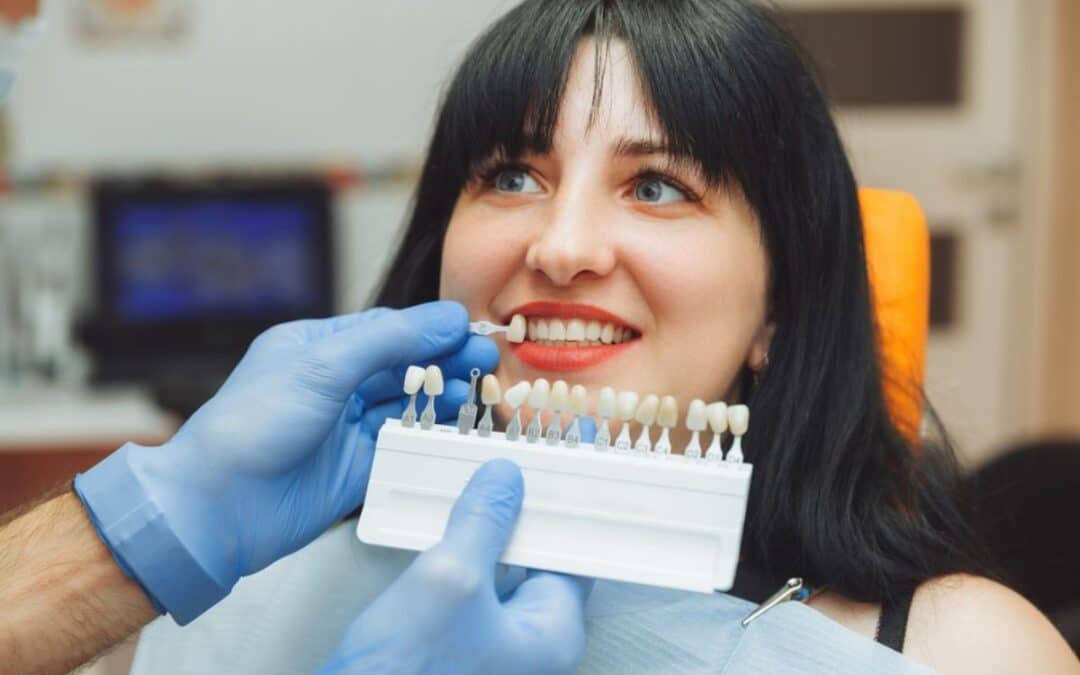
by 110 Dental & Orthodontics | Apr 24, 2025 | Veneers
Veneers are a fantastic way to achieve a bright, symmetrical smile, especially if you’re dealing with discoloration, chips, or gaps in your teeth. These thin shells of porcelain or composite material are bonded to the front surface of your teeth, delivering long-lasting aesthetic results. However, like any dental investment, veneers require proper care to ensure they stay beautiful and functional for years to come. Whether you’re new to veneers or have had them for years, understanding how to care for them can help preserve your stunning smile.
Understanding the Basics of Veneer Maintenance
Before diving into tips and tricks, it’s essential to understand what makes veneers unique. Unlike natural enamel, veneers are not porous, so they resist staining better than your natural teeth. However, they can still be damaged by poor oral habits or a lack of maintenance. Daily care and mindful habits can go a long way in keeping your veneers looking their best.
Daily Oral Hygiene Is Non-Negotiable
Just because veneers can’t get cavities doesn’t mean you can slack on brushing and flossing. The teeth underneath and the gums surrounding your veneers still need daily care.
-
Brush twice daily using a soft-bristled toothbrush and non-abrasive toothpaste to avoid scratching the veneer surface.
-
Floss daily to remove plaque and food debris from between your teeth and along the gumline.
-
Rinse with an alcohol-free mouthwash to maintain gum health and minimize bacteria buildup.
Maintaining this routine not only protects your veneers but also supports your overall oral health.
Watch What You Eat and Drink
Although veneers are durable, they aren’t indestructible. Certain foods and drinks can weaken the adhesive or discolor your natural teeth around the veneers.
-
Avoid chewing hard items like ice, pens, or fingernails that could crack or dislodge a veneer.
-
Limit highly pigmented beverages such as coffee, red wine, and dark teas, which can stain the edges of your veneers over time.
-
Sticky or overly hard candies should also be avoided, as they can pull or stress your veneers.
By making a few mindful choices in your diet, you can help your veneers last longer.
Routine Checkups Matter
Visiting your dentist regularly is just as important after getting veneers as it was before. A dental professional can spot any early signs of wear or damage and perform professional cleanings that help maintain the appearance and integrity of your veneers. If you have veneers in Whitehouse, regular dental visits are crucial to ensuring they stay strong and beautiful.
Avoid Harmful Habits
Certain habits can reduce the lifespan of your veneers. For instance, grinding your teeth at night (bruxism) puts excessive pressure on veneers. If you tend to clench or grind, your dentist may recommend a night guard to protect your teeth while you sleep. Similarly, using your teeth as tools, such as opening bottles or packages, can be disastrous for your veneers. Breaking these habits can go a long way in maintaining your smile.
Be Gentle with Your Smile
Treat your veneers with the same care and attention you would give to natural teeth—if not more. Use a gentle touch while brushing, avoid aggressive flossing, and always be cautious when biting into tough or chewy foods. Taking these extra steps can significantly extend the life of your veneers and protect your smile investment.
Caring for your veneers doesn’t require complicated routines or special tools—it just takes consistency, mindfulness, and regular professional care. Your beautiful smile deserves the best, and a little effort every day goes a long way. If you’re unsure about any aspect of veneer care or need personalized guidance, don’t hesitate to consult with your local cosmetic dentist in Whitehouse, TX. Your smile will thank you!