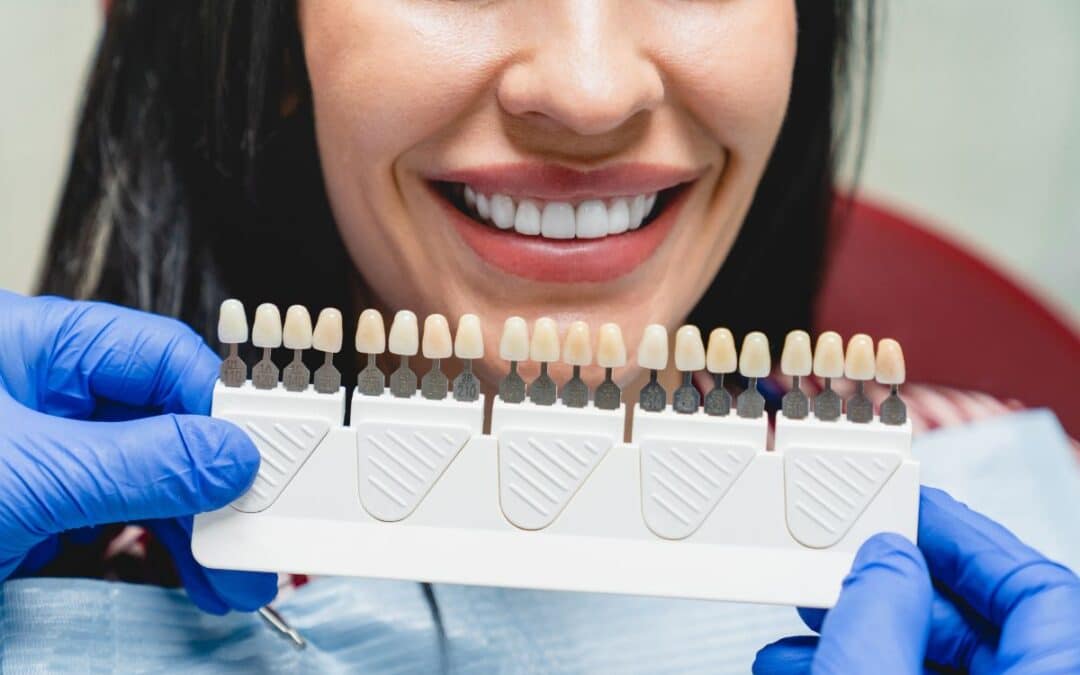
Many folks dream of a brighter, straighter smile. Yet, teeth grinding often raises doubts about cosmetic fixes. This post dives into whether veneers are suitable for those with bruxism. We’ll cover basics, risks, and smart steps forward. Stick around for helpful tips.
Understanding Bruxism
Bruxism means grinding or clenching teeth. It happens during sleep or awake times. Stress, sleep issues, or misaligned bites often trigger it. Over time, it wears down enamel. This leads to sensitivity or cracks. In Whitehouse, TX, locals face similar stressors as anywhere. Spotting signs early helps. Jaw pain or headaches signal trouble. Dentists check for flattened teeth or tight muscles.
What Are Dental Veneers?
Veneers are thin shells bonded to teeth. They hide chips, stains, or gaps. Made from porcelain or composite, they mimic natural looks. The process involves minor enamel removal. Then, custom fits get placed. Results last year with care. People choose them for quick smile boosts.
The Link Between Bruxism and Veneers
Grinding puts heavy force on teeth. Normal chewing uses 20-40 pounds. Bruxism ramps that to hundreds. Veneers might chip or crack under stress. Studies show lower success without protection. One report notes 60% survival in grinders. Yet, many succeed with safeguards. Dentists assess severity first.
Can Veneers Work for You?
Yes, often with planning. Mild cases allow veneers if managed. Severe grinding needs addressing first. Night guards shield during sleep. These custom devices absorb force. A study found only 1.1% failure with splints. In areas like Whitehouse, TX, patients report good outcomes. Always consult pros for tailored advice.
Dental veneers in Whitehouse, TX, offer locals a way to restore worn smiles from grinding.
Managing Bruxism Before Veneers
Control grinding first. Stress reduction helps. Try yoga or therapy. Bite adjustments fix alignment. Botox relaxes jaw muscles in tough cases. Regular check-ups monitor progress. Once stable, veneers become viable. This approach boosts longevity.
Alternatives to Veneers for Grinders
If veneers seem risky, consider crowns. They cover the whole tooth for more strength. Bonding repairs minor wear. Orthodontics straightens bites to cut grinding. Invisalign works well for mild issues. Each option suits different needs. Discuss with your dentist.
A local cosmetic dentist can guide you through choices based on your habits.
Trending FAQs on Veneers and Bruxism
People often search for quick answers on this topic. Here are some frequently asked questions from online trends, with clear replies:
- Can veneers fix teeth worn down from grinding?
Yes, they restore shape and look. But treat bruxism first to avoid new damage. - Do night guards protect veneers from bruxism?
Absolutely. Custom guards worn at night prevent grinding forces from harming veneers. - Are there special veneers for people who grind their teeth?
Porcelain ones are durable. Some dentists use stronger materials for bruxers. - What happens if I start grinding after getting veneers?
It could cause chips. See your dentist right away for a protective splint. - Is bruxism a deal-breaker for veneers?
Not always. Many patients succeed with proper management and follow-up care.
Key Statistics on Bruxism and Veneers
Bruxism affects many. Check this table for quick facts:
| Aspect | Statistic |
|---|---|
| Adult prevalence | 10-15% grind regularly |
| Force during grinding | Up to hundreds of pounds |
| Veneer success overall | 91% over 20 years |
| Success with bruxism | Drops to 60% without guards |
| With a protective splint | 98.9% success rate |
These numbers highlight why protection matters.
If you are searching for a cosmetic dentist near you serving in Whitehouse, TX, options abound for personalized care.
Wrapping Up
Teeth grinding doesn’t have to block your smile goals. With the right steps, veneers can transform looks. Stay informed and proactive. Ready for the next moves? Call 903-328-6577 to schedule an appointment today.