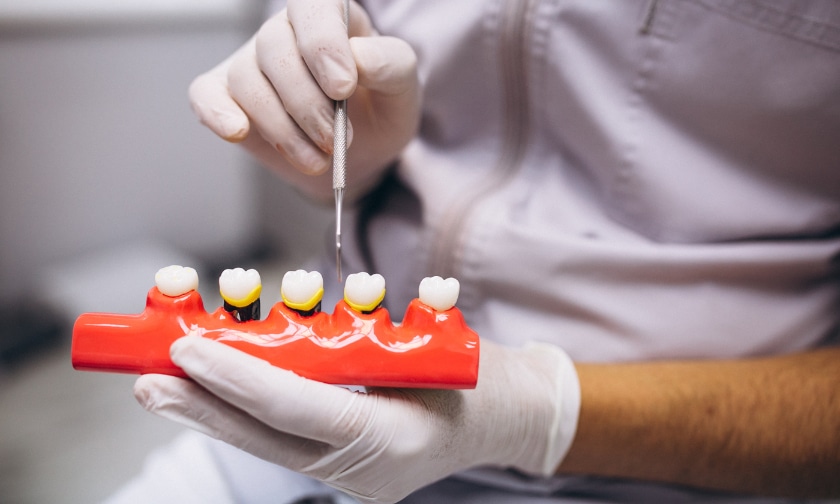
Are you curious about dental crowns? Perhaps you’ve been advised to get one or maybe you just want to know more about this common dental procedure. Whatever your reason, we’ve got you covered! In this blog post, we’ll delve into what to expect when getting dental crowns – from the initial consultation all the way through recovery. So sit back and relax as we take you on a journey of everything there is to know about dental crowns!
What are Dental Crowns?
Dental crowns are one of the most common dental procedures. They are used to restore a tooth’s function and appearance after damage or decay. Crowns can also be used to support a dental bridge or cover a dental implant.
The procedure for getting a dental crown usually takes two visits to the dentist. During the first visit, the tooth will be prepared for the crown and an impression will be taken. This impression will be used to create your custom-made crown. The second visit will involve placing the crown on your tooth and making any final adjustments.
Dental crowns are made from a variety of materials, including porcelain, ceramic, metal, or a combination of these materials. Your dentist will help you choose the right material for your needs based on aesthetics, function, and cost.
Porcelain and ceramic crowns are popular because they offer a natural look that closely resembles your other teeth. Metal crowns are strong and durable, but they can be more noticeable than other types of crowns. Composite resin crowns are made from a mixture of plastic and glass, so they offer both strength and aesthetic appeal.
The lifespan of a dental crown depends on the material it is made from as well as how well you take care of it. With proper care, most dental crowns can last for many years before they need to be replaced.
Reasons for Getting a Dental Crown
There are many reasons why you might need a dental crown. If you have a tooth that is cracked or broken, a dental crown can help to protect it and keep it from getting worse. If you have a tooth that is severely decayed, a dental crown can help to restore it. A dental crown can also be used to support a dental bridge.
The Procedure for Getting a Dental Crown
A dental crown is a tooth-shaped “cap” that is placed over a tooth to cover the tooth and restore its shape and size. Crowns are used to protect a weak or damaged tooth from breaking, to support a tooth with a large filling when there isn’t enough tooth remaining, or to cover misshapen or severely discolored teeth.
Getting a dental crown usually takes two visits to the dentist. During the first visit, the dentist will take an impression (mold) of your teeth, which will be used to make the crown. The impression is sent to a dental laboratory, where your crown will be made.
While you wait for your permanent crown, you’ll be fitted with a temporary one. The temporary crown protects your tooth until your permanent crown is ready, which usually takes about two weeks.
During your second visit, the dentist will remove the temporary crown and check the fit of your permanent crown. Once he or she is satisfied with the fit, the permanent crown will be cemented into place.
What to Expect After the Procedure
After the procedure, you can expect your teeth to feel a bit sensitive. This is normal and will go away after a few days. You may also have some soreness in your gums. Again, this is normal and will go away with time. Be sure to take it easy for the first few days after the procedure and avoid eating hard or crunchy foods.
Benefits of Dental Crowns
Dental crowns are a type of dental restoration that can be used to improve the function, appearance, and health of your teeth. Crowns can be made from a variety of materials, including porcelain, ceramic, metal, or composite resin. They are typically used to restore a tooth that has been damaged by decay, injury, or wear and tear.
There are many benefits of dental crowns. Crowns can:
- Protect a weak tooth from breaking or further damage
- Cover and support a tooth with a large filling when there isn’t enough tooth remaining
- Hold together parts of a cracked tooth
- Attach to a dental implant
- Improve the appearance of misshapen or discolored teeth
- Cover up a tooth that has undergone root canal treatment
Crowns are an important tool in restorative dentistry and can greatly improve the function and appearance of your smile. If you have any questions about whether or not dental crowns are right for you, please contact our office. We would be happy to help you make an informed decision about your oral health care.
Conclusion
Dental crowns can be a great way to restore a damaged tooth or improve its appearance. Although it is a relatively straightforward procedure, there are still some things you need to know before getting one. Be sure to discuss all of your options with your dentist and ask questions if you have any in order to ensure that you get the best result possible. With proper care, dental crowns can last for many years and help keep your smile looking its best!
FAQs
Q: How long does it take to get a dental crown?
A: It usually takes two visits to the dentist to get a dental crown. The first visit is to have the tooth prepared and impressions taken. The second visit is to have the crown fitted and cemented in place.
Q: How much does a dental crown cost?
A: The cost of a dental crown varies depending on the material used and the Dentist’s fee. Porcelain or ceramic crowns are more expensive than metal crowns. The price also depends on whether you have dental insurance.
Q: Will my insurance cover the cost of a dental crown?
A: Most insurance plans will cover some of the cost of a dental crown. However, you will likely have to pay a portion of the costs yourself. Check with your insurance company to see what coverage you have for dental crowns.