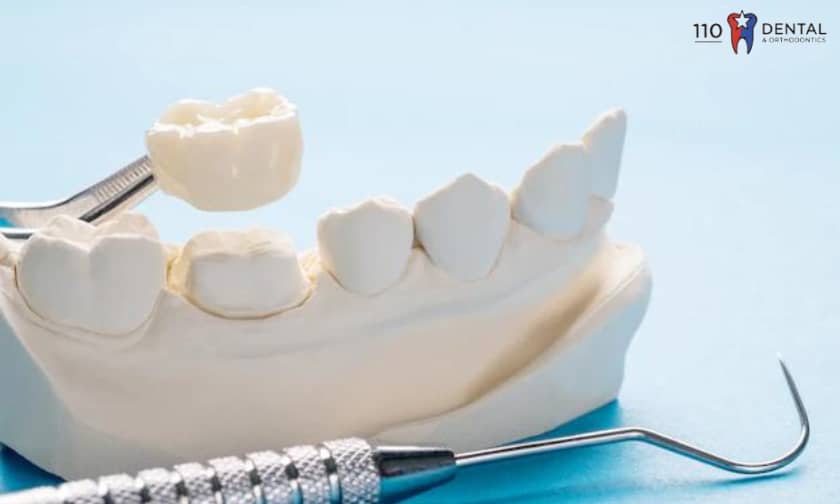
Everything You Need to Know About Dental Crowns
The value of our teeth is the same as that of any other organ in our bodies. It facilitates both eating and the range of facial expressions we may produce. How would you feel if your precious teeth experienced severe harm? The result is not only unpleasant but also upsetting because it prevents you from eating properly. Dentists in Whitehouse frequently prefer to utilize dental crowns in these situations to heal damaged teeth and lessen patient discomfort. Here are some details available regarding dental crowns that we bet you didn’t know.
What are dental crowns?
To be able to recover your damaged tooth is the primary objective of a dental crown. You may give your teeth their natural shape again with the use of a dental crown, avoiding tooth dysfunction in every way possible. According to the American Dental Association’s publications, when dental crowns can successfully cover and protect your teeth, their presence is thought to be crucial. It becomes the most effective especially when dental fillings are unable to solve the problem effectively.
Why would I need a dental crown?
Before understanding the basic concepts of dental crowns, it is imperative that we need to know why this dental procedure is used in the very first place. It is believed that for the protection of a weak tooth, the use of dental crowns is considered to be necessary. Through this process, you can hold together the parts of your fake tooth in an effective manner. Such aspects are considered effective for the restoration of the teeth that have been damaged, thereby contributing to better oral health. If you realize that even dental fillings can ease your toothache, then you have to rest assured that you are in urgent need of a dental crown.
What are dental crowns made of?
Metal
Some of the notable metal dental crowns that are prevalent tend to include nickel, as well as chromium, and palladium. Sometimes you might find people with gold dental crowns, which also come with better and long-lasting provisions. If you want to treat your out-of-sight molars, then dental crowns made of metal are considered to be the best option for you.
All-Ceramic or All-Porcelain
Another major element with which dental crowns are made tends to include either all-porcelain or all-ceramic. It is believed that these types of dental crowns are capable of providing a color match, which looks natural in your teeth. Also, if you are allergic to metals, then opting for ceramic or porcelain dental crowns is just the right one.
Types Of Dental Crowns
All Porcelain Crowns
The use of porcelain crowns is considered to be the most preferred type of crown that is used by orthodontists. One of the major benefits related to this type of dental crown is that it facilitates tooth restoration and is toxic-free, providing a natural look to you.
CEREC Crowns
This type of dental crown tends to use cutting-edge technology and computer-aided design. This is made of strong and durable ceramic materials, which helps in the strengthening of appearance.
Zirconia Crowns
Dental crowns composed of zirconia are gaining popularity gradually and provide strength and durability to your teeth. In terms of longevity, Zirconia crowns are persistent and durable to a great extent.
How is my tooth prepared for a dental crown?
A vast majority of people have the mistaken notion that installing a dental crown is painful. This is not quite true, as the orthodontist usually administers an anesthetic to your mouth before the dental crown making. Your gum tissues become numb as a result, making the entire process somewhat painless. The tooth that will receive the crown is then filed down to ensure correct placement. You could feel some little discomfort or soreness after receiving the dental crown, but it should go away gradually in 24 to 48 hours.
What problems can develop with a dental crown?
- Once the dental crowns have been administered, the patients are found to experience sensitivity and discomfort, especially when the anesthesia wears off.denta
- It often happens that people are allergic to metal or ceramic. If they are unable to locate this, then the dental crowns made with either of these elements might cause an allergic reaction to it. Such a process will affect their damaged teeth and might make the situation worse.
- The fitting of the crown is very important, and this is why orthodontists tend to prefer taking impressions of your teeth. Sometimes, the cement used in the dental crowns are found to get washed out, which makes the crown a bit loose. In such situations, the bacteria seep in and make things complicated largely.
How much do dental crowns cost?
Generally, dental crowns cost range from $500 to $3,000 per tooth. This is however dependent on the type of material on which the dental crowns are made. For instance. Porcelain crowns cost between $800 to $3,000 per tooth. On the other hand, the metal crowns range from $800 to $2,500 per tooth.
Schedule an appointment with an orthodontist in Whitehouse
Are you still unsure about what to do with your broken teeth? We think you should make an appointment with an orthodontist straight away. Getting the correct dental crown for your broken teeth paves the way to your recovery since you may now experience long-awaited oral comfort. We at 110 Dental & Orthodontics in Whitehouse believe that your damaged teeth need assistance, and we give you the comfort you want with our dental crowns. Come along on this adventure with us as we repair your broken, little teeth by placing a “crown” on them!