by 110 Dental & Orthodontics | Sep 6, 2024 | Cosmetic Dentistry
Your smile is one of the first things people notice about you, and it plays a crucial role in creating a positive first impression. However, dental imperfections such as crooked teeth, stains, or gaps can make you self-conscious and hesitant to show off your smile. Thankfully, modern dentistry offers a solution through cosmetic dentistry. A cosmetic dentist specializes in enhancing the aesthetics of your teeth, giving you a smile that you can confidently flaunt. In this blog, we will explore how a cosmetic dentist can transform your smile and help you achieve the dazzling set of teeth you’ve always desired.
How A Cosmetic Dentist Can Transform Your Smile
I. Assessing Your Dental Imperfections
The first step in your journey to a perfect smile begins with a comprehensive evaluation by a cosmetic dentist. During this initial consultation, the dentist will carefully examine your teeth and identify the specific imperfections that need to be addressed. Whether it’s discoloration, misalignment, chips, cracks, or any other issues, the dentist will create a personalized treatment plan tailored to your unique needs.
II. Teeth Whitening for a Radiant Smile
One of the most common complaints people have about their teeth is discoloration or stains. Years of consuming coffee, tea, wine, or tobacco products can take a toll on the brightness of your smile. A cosmetic dentist can perform professional teeth whitening procedures that effectively remove stubborn stains, revealing a whiter and more radiant smile. With options like in-office bleaching or take-home kits, you can choose the method that suits you best.
III. Straightening Teeth with Orthodontic Treatments
Crooked or misaligned teeth not only affect your appearance but also impact your oral health. Fortunately, cosmetic dentists can offer orthodontic treatments that straighten your teeth and correct any bite issues you may have. Traditional braces or clear aligners like Invisalign can be used to gradually move your teeth into the desired position. By undergoing orthodontic treatment, you can achieve a straight, symmetrical smile and improve your overall dental health.
IV. Dental Veneers for a Flawless Smile
Dental veneers are a popular cosmetic dentistry solution for transforming smiles. These thin, custom-made shells are bonded to the front surface of your teeth, effectively hiding imperfections such as chips, cracks, stains, or gaps. Veneers are highly versatile and can be designed to match the color, shape, and size of your natural teeth, creating a seamless and natural-looking smile. Whether you need to enhance a single tooth or multiple teeth, dental veneers can provide a dramatic improvement in your smile’s aesthetics.
V. Restoring Teeth with Dental Bonding
If you have minor dental imperfections like small chips, cracks, or gaps, dental bonding can be an excellent solution. During the bonding procedure, a tooth-colored resin material is applied to the affected area and then shaped and polished to blend seamlessly with your natural teeth. Dental bonding is a quick and cost-effective way to improve the appearance of your smile, offering immediate results with minimal preparation.
The Bottom Line
A cosmetic dentist has the expertise and tools to address a wide range of dental imperfections and help you achieve the smile of your dreams. Through treatments like teeth whitening, orthodontics, dental veneers, and bonding, they can transform your smile and boost your self-confidence. If you’re tired of hiding your teeth and want to say goodbye to dental imperfections, don’t hesitate to consult with a cosmetic dentist. You deserve a smile that reflects your true beauty, and with the help of a skilled professional, you can achieve just that. Take the first step towards your smile makeover today and unlock a world of new possibilities.

by 110 Dental & Orthodontics | Jun 20, 2024 | General Dentistry
A regular dental checkup is not merely a cursory glance at your teeth; it’s a comprehensive examination that goes beneath the surface to safeguard your oral health. Understanding the array of exams involved in a standard dental checkup is crucial for informed healthcare decisions. In this in-depth guide, we’ll navigate through the essential examinations that constitute a thorough dental checkup, unraveling their significance in preserving your smile and overall well-being. From X-rays and periodontal assessments to oral cancer screenings, join us on a journey to discover the pivotal role these exams play in maintaining optimal oral health and preventing potential issues.
I. Comprehensive Oral Examination
Visual Inspection of Teeth and Gums
The foundation of any dental checkup is a thorough visual examination of your teeth and gums. Dentists inspect for signs of decay, gum disease, or other abnormalities that might require attention.
Evaluation of Bite and Jaw Function
Dentists assess your bite and jaw function to identify issues like misalignments or temporomandibular joint (TMJ) disorders. Potential complications can be avoided with early detection because it enables prompt intervention.
II. Dental X-rays
Bitewing X-rays
Bitewing X-rays capture a detailed view of the upper and lower back teeth. They are instrumental in detecting cavities between teeth, assessing bone density, and evaluating the overall health of the supporting structures.
Panoramic X-rays
Panoramic X-rays provide a broader view of the entire mouth, including the jaw, sinuses, and nasal area. This exam aids in diagnosing issues such as impacted teeth, cysts, or tumors.
III. Periodontal Examination
Gum Health Assessment
Periodontal examinations evaluate the health of your gums, checking for signs of inflammation, bleeding, or recession. Early detection of gum disease is crucial for effective intervention and prevention.
Measurement of Periodontal Pockets
Dentists measure the depth of the spaces between your teeth and gums, known as periodontal pockets. Deeper pockets can indicate gum disease, and monitoring these measurements helps track the progression of the condition.
IV. Oral Cancer Screening
Examination of Soft Tissues
Routine dental checkups include an examination of the soft tissues in your mouth, including the tongue, cheeks, and throat. Dentists look for any abnormalities, discolorations, or suspicious lesions that may warrant further investigation.
Palpation of Neck and Jaw
Dentists also palpate the neck and jaw areas to detect any lumps, swelling, or tenderness. These could be indicators of underlying issues, and early identification is crucial for prompt treatment.
V. Occlusal Analysis
Evaluation of Tooth Alignment
Dentists assess the alignment of your teeth to identify issues such as crowding, spacing, or irregularities. Proper alignment is essential for both oral health and overall aesthetics.
Check for Signs of Bruxism
Excessive teeth grinding or clenching, known as bruxism, can lead to various dental problems. Dentists look for signs of wear, fractures, or muscle tenderness that may indicate bruxism during your checkup.
VI. Digital Impressions and Imaging
3D Digital Impressions
Advanced technology allows for the creation of 3D digital impressions of your teeth. These precise impressions are useful for planning treatments such as crowns, bridges, or orthodontic procedures.
Intraoral Cameras
Intraoral cameras provide a close-up view of your teeth and gums, enabling dentists to share real-time images with you. This visual aid improves patient comprehension and makes treatment options discussions easier.
VII. Personalized Treatment Plan
Discussion of Findings
Following the exams, dentists discuss their findings with you. They explain any issues detected, the recommended course of action, and the importance of preventive measures to maintain optimal oral health.
Tailored Oral Care Advice
A crucial aspect of a dental checkup is receiving personalized advice on oral care practices. Dentists provide guidance on proper brushing, flossing techniques, and any specific recommendations based on your individual needs.
Regular dental checkups encompass a range of exams designed to comprehensively evaluate and maintain your oral health. From visual inspections and X-rays to periodontal assessments and oral cancer screenings, these exams play a vital role in early detection and prevention. By staying committed to routine dental checkups, you not only preserve your smile but also contribute to your overall well-being. Remember, proactive dental care is the key to a healthy and radiant smile that lasts a lifetime.
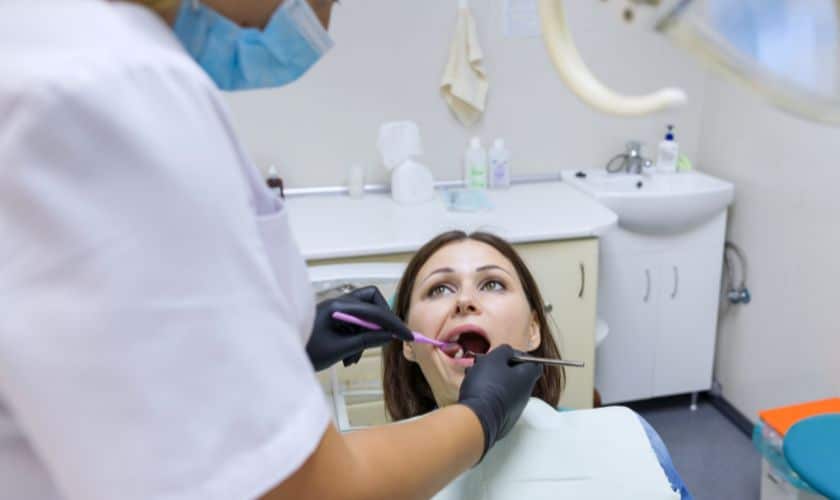
by 110 Dental & Orthodontics | Jun 13, 2024 | Root Canal Therapy
When it comes to dental procedures, few evoke fear and anxiety like the mention of a root canal. However, the truth is that root canal therapy is a pain-free and effective solution for saving a severely damaged or infected tooth. It is a procedure performed by dental professionals to remove the infected pulp within the tooth and restore its function and structure. In this blog, we will explore the process of root canal therapy, debunk common misconceptions, and highlight its benefits as a vital treatment for preserving your smile.
Understanding Root Canal Therapy
Definition and Purpose
Root canal therapy, also known as endodontic treatment, is a dental procedure that focuses on treating the infected or damaged inner portion of the tooth, known as the dental pulp. The purpose is to remove the infected pulp, clean the root canals, and seal them to prevent reinfection.
Causes of Dental Pulp Infection
Dental pulp infection can occur due to deep tooth decay, cracks or fractures in the tooth, traumatic injuries, or repeated dental procedures on the same tooth. Bacteria can enter the pulp, leading to infection, pain, and potential tooth loss if left untreated.
The Root Canal Therapy Process
- Diagnosis: Your dentist will perform a thorough examination, including X-rays, to diagnose the need for root canal therapy. Symptoms may include severe toothache, sensitivity to hot or cold, swelling, or abscess formation.
- Anesthesia and Isolation: Local anesthesia is administered to ensure a pain-free experience during the procedure. The affected tooth is isolated with a rubber dam to keep it clean and saliva-free.
- Pulp Removal: An access point is created in the tooth to reach the dental pulp. The infected or inflamed pulp is carefully removed using specialized instruments. This process eliminates the source of infection and alleviates pain.
- Cleaning and Shaping: The root canals are thoroughly cleaned and shaped to remove any remaining infected tissue and to create a space for the filling material.
- Filling and Sealing: The cleaned root canals are filled with a biocompatible material called gutta-percha, which seals the canals and prevents reinfection. In some cases, a temporary filling may be placed until a permanent restoration, such as a dental crown, can be placed.
- Restoration: To restore the tooth’s function and appearance, a dental crown is typically placed over the treated tooth. The crown provides strength and protection, allowing you to bite and chew normally.
Debunking Common Misconceptions
Pain Myth: The most common misconception about root canal therapy is that it is a painful procedure. However, with modern techniques and anesthesia, the treatment is generally pain-free and no more uncomfortable than getting a dental filling.
Tooth Extraction vs. Root Canal: Some may believe that extracting the tooth is a simpler solution. However, preserving the natural tooth through root canal therapy is preferable whenever possible, as it maintains the integrity of the bite, preserves the surrounding teeth, and avoids the need for more extensive dental work like tooth replacement options.
Benefits Of Root Canal Therapy
- Pain Relief: Root canal therapy eliminates the source of severe toothache and discomfort caused by dental pulp infection, providing immediate pain relief.
- Tooth Preservation: Root canal therapy saves your natural tooth, preventing the need for extraction and preserving your smile’s aesthetics and functionality.
- Efficient Chewing and Speaking: By preserving the natural tooth, root canal therapy allows for normal biting, chewing, and speaking, enhancing overall oral function.
- Preventing Further Complications: Untreated dental pulp infections can lead to abscess formation, bone loss, and the spread of infection to other parts of the body. Root canal therapy prevents these complications, promoting oral and systemic health.
The Bottom Line
Root canal therapy is a pain-free and essential dental procedure that saves severely damaged or infected teeth, providing relief and preserving your smile’s beauty and functionality. By debunking misconceptions and understanding the process and benefits of root canal therapy, you can approach this treatment with confidence and trust in your dental professional’s expertise. Don’t let fear stand in the way of saving your smile—root canal therapy is the solution to restore your oral health and wellbeing.

by 110 Dental & Orthodontics | Jun 6, 2024 | Orthodontics
A well-aligned smile is not only aesthetically pleasing but also plays a crucial role in maintaining optimal oral health. Orthodontics, a specialized field of dentistry, focuses on aligning teeth and correcting bite issues. In this article, we’ll delve into the importance of orthodontics, how it contributes to oral well-being, and the transformative effects it can have on both appearance and health.
Significance Of Orthodontics
Orthodontics is more than just about creating a beautiful smile – it’s about achieving proper alignment and functionality of teeth and jaws. Misaligned teeth, overbites, underbites, and crowded teeth can lead to a host of oral health problems if left untreated. Orthodontic treatments aim to address these issues, improving both oral function and overall well-being.
How Orthodontics Impacts Oral Well-being?
Improved Oral Hygiene
Crooked or crowded teeth can be difficult to clean effectively, increasing the risk of plaque buildup, cavities, and gum disease. Straight teeth are easier to clean, leading to better oral hygiene.
Reduced Wear and Tear
Misaligned teeth can cause uneven wear on tooth surfaces, leading to premature enamel erosion and potential dental problems. Orthodontic treatment helps distribute bite forces evenly.
Gum Health
Properly aligned teeth create a healthier environment for gums. Misaligned teeth can lead to gum irritation, inflammation, and an increased risk of periodontal disease.
Jaw Alignment
Orthodontics can address bite issues, such as overbites and underbites, which can cause discomfort, difficulty in chewing, and jaw joint problems (TMJ disorders).
Speech Improvement
In some cases, misaligned teeth can affect speech clarity. Orthodontic treatment can improve speech patterns and articulation.
Self-esteem and Confidence
A well-aligned smile can boost self-esteem and confidence. Feeling comfortable with your smile can positively impact social interactions and overall quality of life.
Types Of Orthodontic Treatment
Traditional Braces
Metal braces consist of brackets and wires that gradually move teeth into alignment. They are effective for correcting various orthodontic issues.
Clear Aligners
Clear aligner systems, like Invisalign, use a series of transparent aligners to gradually shift teeth. They are virtually invisible and can be removed for eating and oral hygiene.
Lingual Braces
These braces are placed on the backside of teeth, making them less visible. They are suitable for individuals who desire a discreet treatment option.
Functional Appliances
These appliances are used to correct bite issues and guide jaw growth in growing children.
The Orthodontic Journey
Consultation
The orthodontic journey begins with a consultation, during which the orthodontist assesses your oral health, discusses your goals, and recommends a suitable treatment plan.
Treatment Plan
A personalized treatment plan is created based on your unique needs and desired outcomes.
Treatment Phase
Whether using traditional braces or clear aligners, the treatment phase involves regular adjustments or changing aligners as teeth gradually move into alignment.
Retention
After active treatment, a retainer is typically worn to maintain the new alignment of teeth and prevent them from shifting back.
The Bottom Line
Orthodontics goes beyond creating a straight smile; it plays a pivotal role in oral well-being and overall health. Properly aligned teeth contribute to improved oral hygiene, reduced risk of dental issues, and enhanced self-esteem. Whether through traditional braces or modern aligner systems, orthodontic treatment can transform not only your smile but also your overall oral health and quality of life. Consulting with an orthodontist can set you on a path toward a healthier, more confident future.

by 110 Dental & Orthodontics | Feb 27, 2024 | Orthodontics
A straight and beautiful smile can boost your confidence and improve your oral health. In the past, metal braces were the go-to option for correcting misaligned teeth. However, with advances in orthodontic technology, Invisalign has emerged as a popular alternative to traditional braces. Invisalign offers a clear and discreet way to straighten teeth, making it an appealing choice for both teens and adults. In this article, we will explore the reasons why Invisalign is the perfect choice for those seeking a more comfortable, convenient, and aesthetic orthodontic treatment.
Why Invisalign Is The Recent Choice?
1. Clear and Virtually Invisible
One of the most significant advantages of Invisalign is its transparent appearance. The aligners are made from clear plastic, making them virtually invisible when worn. Unlike metal braces that are noticeable and may draw unwanted attention, Invisalign allows you to undergo orthodontic treatment discreetly, preserving your natural smile throughout the process.
2. Comfortable and Customized Fit
Invisalign aligners are custom-made for each patient using advanced 3D scanning and computer technology. The aligners are designed to fit snugly over your teeth, providing a comfortable and precise fit. The smooth edges of the aligners also reduce the risk of irritation and sores, which are common with traditional braces.
3. Removable for Easy Oral Hygiene
Invisalign aligners are removable, allowing you to maintain excellent oral hygiene throughout your treatment. Unlike traditional braces, which can make brushing and flossing challenging, Invisalign lets you easily clean your teeth as you normally would. You can remove the aligners before eating, ensuring that food particles do not get trapped, and then place them back in after your meal.
4. No Dietary Restrictions
With traditional braces, certain foods like sticky candies or hard nuts must be avoided to prevent damage to the brackets and wires. In contrast, Invisalign aligners are removable, so there are no dietary restrictions during treatment. You can enjoy all your favorite foods without worrying about damaging your orthodontic appliance.
5. Shorter Treatment Time
Invisalign treatment typically requires fewer visits to the dentist or orthodontist compared to traditional braces. The treatment time with Invisalign varies based on individual needs, but in some cases, it can be completed faster than traditional braces. Additionally, the use of advanced technology in designing Invisalign aligners ensures a more accurate and efficient teeth-straightening process.
6. Reduced Discomfort
While all orthodontic treatments may cause some discomfort as the teeth shift, many patients find Invisalign to be more comfortable than traditional braces. Invisalign aligners exert a gentler force on the teeth, which can result in less soreness and discomfort during the adjustment period.
7. Clear Treatment Plan
Before starting Invisalign treatment, your dentist or orthodontist will create a clear treatment plan using advanced software that shows the expected progression of your teeth over time. This gives you a glimpse of the final result before you even begin, providing reassurance and motivation throughout your orthodontic journey.
8. Suitable for Various Orthodontic Issues
Invisalign is suitable for correcting a wide range of orthodontic issues, including crowding, spacing, crossbite, overbite, and underbite. Whether you require minor adjustments or more complex realignment, Invisalign can address your specific dental needs effectively.
9. Virtual Monitoring and Convenience
Invisalign treatment may involve fewer in-person visits compared to traditional braces. Through virtual monitoring, your dentist or orthodontist can keep track of your progress and make necessary adjustments remotely. This convenience is especially beneficial for those with busy schedules or limited access to dental offices.
The Bottom Line
Say goodbye to metal braces and choose Invisalign for a comfortable, convenient, and aesthetically pleasing orthodontic treatment. With its transparent appearance, customized fit, and removable design, Invisalign offers a discreet way to achieve the smile of your dreams. From shorter treatment time to reduced discomfort, Invisalign addresses various orthodontic issues while providing an enhanced dental experience. Consult with your dentist or orthodontist to see if Invisalign is the right option for you, and embark on your journey towards a straighter and more confident smile.