White spots on teeth can make many people wonder if their smile is healthy or at risk for cavities. These chalky areas often appear after braces, poor enamel development, or early tooth decay. Parents and adults in Whitehouse, TX, frequently ask whether dental sealants can still protect teeth when these spots are already present. The good news is that, in many cases, sealants may still be an effective preventive option when evaluated by a dental professional.
Understanding White Spots on Teeth
White spots are usually signs of enamel changes. They can appear smooth, chalky, or dull compared to the surrounding tooth surface. Some white spots are harmless. Others may indicate weakened enamel or early-stage demineralization.
Common Causes of White Spots
- Poor oral hygiene
- Early cavity formation
- Fluorosis
- Enamel hypoplasia
- Plaque buildup around braces
- Acidic foods and drinks
- Dry mouth conditions
Dentists evaluate the depth and condition of these areas before recommending preventive treatment. Not every white spot means a cavity is forming. However, weakened enamel needs attention before it progresses.
What Are Dental Sealants?
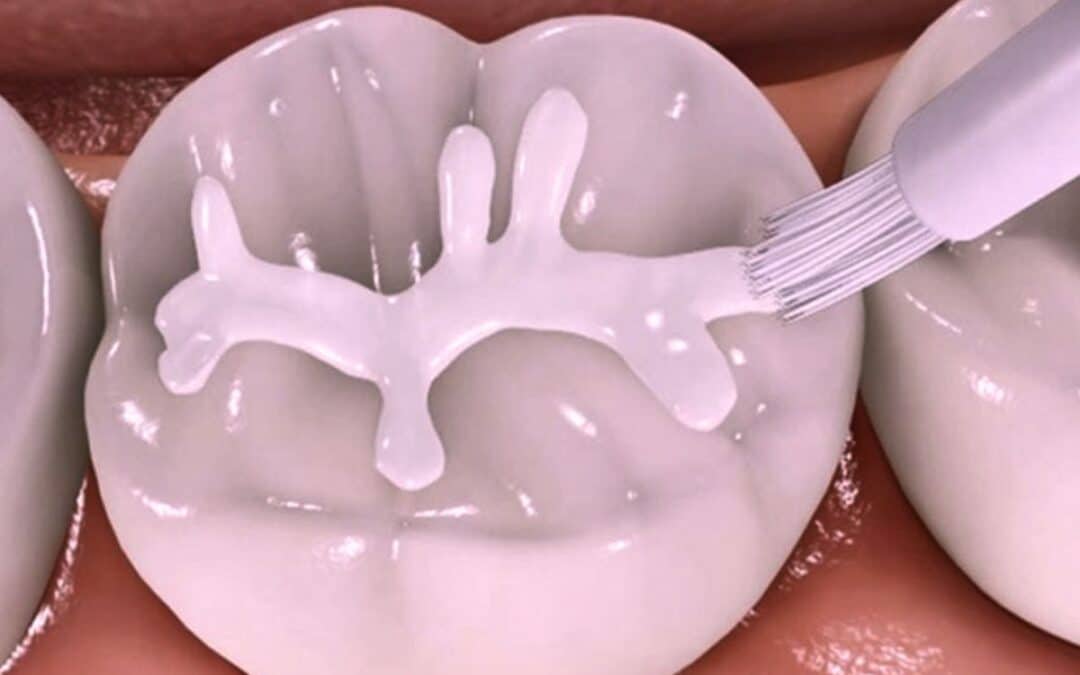
Dental sealants are thin protective coatings placed on the chewing surfaces of molars and premolars. These areas contain grooves that easily trap food and bacteria.
Sealants help:
- Reduce cavity risk
- Protect deep grooves in teeth
- Make cleaning easier
- Prevent plaque buildup
- Support long-term enamel protection
Sealants are most commonly recommended for children and teens. However, adults without fillings or major decay may also benefit from them.
Can Sealants Be Applied Over White Spots?
In many situations, yes. Dentists can place sealants on teeth with white spots if the enamel is stable and there is no active decay underneath. The tooth must first be carefully examined to determine the severity of the enamel changes.
If the white spot is only a surface-level demineralization area, a sealant may actually help stop bacteria and food particles from worsening the condition.
When Sealants May Be Recommended
A dentist may suggest sealants if:
- The white spots are non-cavitated
- There are no holes in the enamel
- The tooth structure remains strong
- The grooves are difficult to clean
- The patient has a higher cavity risk
The goal is to create a protective barrier before deeper decay develops.
Situations Where Sealants May Not Work
Not all white spots are suitable for sealants. If the area has already developed into active decay, additional treatment may be needed first.
Sealants May Not Be Ideal If:
- Cavities are already present
- The enamel is breaking down
- There are deep pits or fractures
- Moisture control during treatment is difficult
- The tooth needs restorative care
Dentists often use diagnostic tools and visual exams to determine whether a sealant is appropriate.
How Dentists Evaluate White Spot Lesions
Dental professionals in Whitehouse carefully assess enamel conditions before sealing teeth. Many modern practices focus heavily on preventive dentistry and conservative treatment planning.
The Examination Process
Visual Inspection
Dentists look for texture changes, discoloration, and signs of decay progression.
Digital Imaging
X-rays may help identify hidden decay beneath the enamel surface.
Risk Assessment
Factors like age, oral hygiene habits, dry mouth, and diet are considered.
Enamel Strength Testing
Some offices use advanced technology to monitor enamel health and cavity activity.
This detailed evaluation helps ensure sealants are placed only when beneficial.
Benefits of Early Preventive Treatment
Preventive dental care continues to be one of the most recommended approaches for maintaining oral health. Sealants are widely recognized for helping reduce cavities in vulnerable areas of the mouth.
Protective Benefits of Sealants
| Preventive Benefit | Why It Matters |
|---|---|
| Blocks food particles | Reduces bacterial growth |
| Covers deep grooves | Helps prevent cavities |
| Supports enamel | Minimizes further weakening |
| Improves cleaning | Makes brushing more effective |
| Long-lasting protection | Helps preserve natural teeth |
According to preventive dentistry research, sealants can significantly lower cavity risk on chewing surfaces when properly maintained.
White Spots After Braces: Can Sealants Help?
White spots commonly appear after orthodontic treatment. Braces create areas where plaque easily accumulates. Once braces are removed, patients may notice uneven enamel coloration.
In some cases, sealants may help protect vulnerable molars after orthodontic care. Dentists often recommend a preventive plan that includes:
- Professional cleanings
- Fluoride support
- Improved home care
- Monitoring enamel changes
- Sealants for cavity-prone grooves
This combination helps reduce future enamel damage.
The Importance of Proper Oral Hygiene
Sealants are not a substitute for brushing and flossing. Patients still need strong daily habits to maintain healthy enamel.
Healthy Habits That Support Sealants
Brush Twice Daily
Use fluoride toothpaste to strengthen enamel.
Limit Sugary Snacks
Frequent sugar exposure increases acid attacks.
Stay Hydrated
Saliva helps naturally protect enamel.
Schedule Routine Dental Visits
Professional monitoring helps detect early changes.
Many families searching online for preventive dentistry solutions also want long-term guidance from experienced providers. If you are searching for a reliable dentist near you, choosing a practice that focuses on education, prevention, and conservative care can make a meaningful difference.
How Long Do Dental Sealants Last?
Sealants can remain effective for several years with proper care. Dentists check them during routine appointments to ensure they remain intact.
Factors That Affect Longevity
- Teeth grinding
- Oral hygiene habits
- Diet
- Chewing hard foods
- Regular dental maintenance
If a sealant chips or wears down, it can often be repaired or replaced quickly.
Why Preventive Dentistry Matters in Whitehouse
Many dental practices in Whitehouse emphasize preventive care because early treatment helps patients avoid larger oral health concerns later. Families increasingly seek treatments that preserve natural enamel and support healthier smiles over time.
Patients exploring preventive options often ask about our dental sealants treatment in Whitehouse because protecting vulnerable teeth early may help reduce future complications. Sealants are especially useful for children, teens, and cavity-prone adults who need extra enamel protection.
Trending FAQs About Dental Sealants and White Spots
- Can white spots on teeth turn into cavities?
Yes. Some white spots are early signs of enamel demineralization and may progress if untreated. - Are dental sealants only for children?
No. Adults with healthy molars and cavity-prone grooves may also benefit from sealants. - Can sealants stop early tooth decay?
Sealants may help prevent early enamel weakening from worsening when decay has not fully formed. - Do sealants damage teeth?
No. Sealants are non-invasive and designed to protect natural enamel. - How do dentists know if a white spot is serious?
Dentists evaluate the texture, location, and depth using visual exams and imaging tools. - Can fluoride remove white spots?
Fluoride may help strengthen enamel and improve early demineralization in some cases. - Are sealants visible on teeth?
Most sealants are clear or tooth-colored and blend naturally with teeth. - Should adults with sensitive teeth consider sealants?
Some adults with enamel weakness or cavity risk may benefit after a dental evaluation.
Protecting enamel early can make a significant difference in long-term oral health. White spots do not always mean a tooth is beyond preventive care. A professional dental evaluation can determine whether sealants are appropriate and whether additional enamel support is needed. If you have concerns about white spots, weakened enamel, or cavity prevention, contact us to learn more about preventive dental solutions designed to help maintain a healthier smile for years to come.