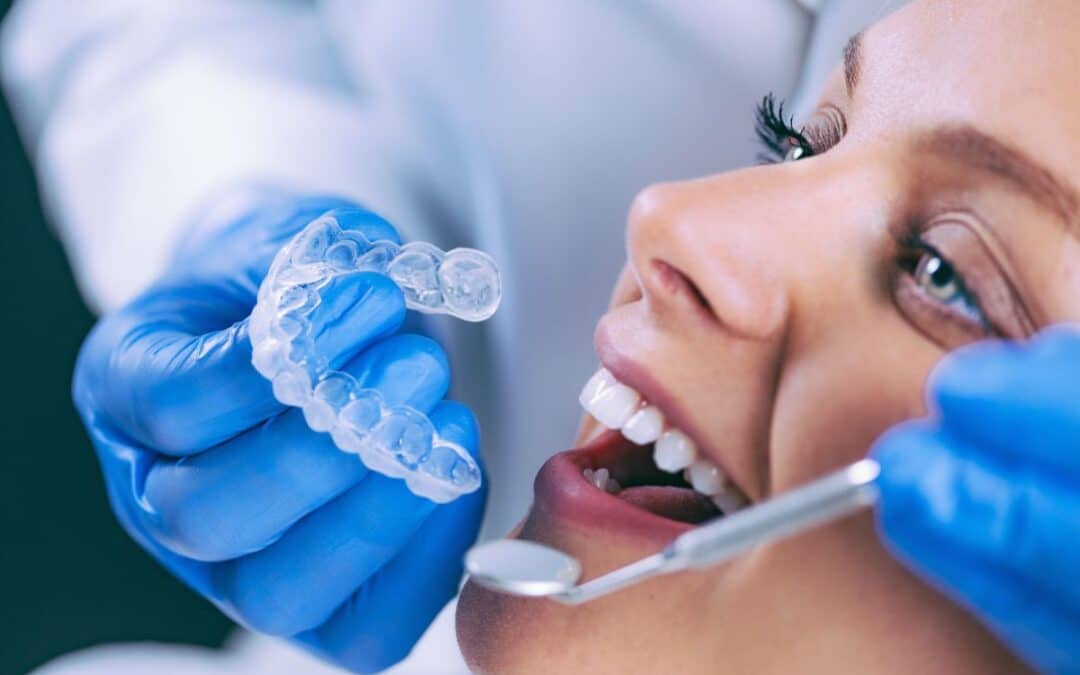
An overbite can affect your smile and daily life in subtle ways. Many people notice their upper teeth overlapping the lower ones more than usual. This common issue often leads to questions about comfort, chewing, and long-term dental health. Fortunately, modern options exist to address it discreetly. Let’s explore effective approaches that skip the metal wires.
Understanding Overbite Basics
Overbites happen when upper teeth extend too far over the lower ones. Genetics play a big role. Habits like thumb-sucking in childhood can worsen it. Jaw growth issues may contribute too.
Mild cases might not cause problems. Severe ones can lead to jaw pain or uneven tooth wear. Speech challenges sometimes arise. Early detection helps prevent complications.
Dentists measure overbite depth in millimeters. Normal range is 2-3 mm. Anything over 4 mm often needs attention. Self-checks involve looking in a mirror. Professional exams confirm severity.
Common Concerns About Overbite Treatment
People worry about visible changes during correction. Discomfort is another fear. Many ask if treatment disrupts eating or speaking.
Time commitment varies. Results depend on age and case complexity. Adults can achieve great outcomes too. Consistency matters most.
Some fear permanent fixes. Reversible methods ease this concern. Lifestyle impacts success. Good oral hygiene supports progress.
Non-Traditional Treatment Options
Several methods fix overbites without metal brackets. Clear aligners lead the pack. They shift teeth gradually.
Retainers work for minor adjustments. Nighttime wear often suffices. Palatal expanders widen upper jaws in growing patients.
Myofunctional therapy trains tongue and facial muscles. Exercises improve posture and bite. It’s non-invasive and supportive.
For skeletal issues, headgear might help. It’s worn at home. Combined approaches yield better results.
The Role of Clear Aligners in Overbite Correction
Clear aligners offer a popular choice. They are removable and nearly invisible. Custom trays fit snugly over teeth.
Treatment starts with digital scans. Plans map tooth movements. Aligners change every 1-2 weeks.
They apply gentle pressure. This realigns teeth and jaws. Attachments sometimes enhance grip.
Wear time is 20-22 hours daily. Remove for meals and cleaning. Compliance ensures timely results.
Many see improvements in 6-18 months. Follow-ups track progress. Adjustments keep things on course.
Benefits of Aligners Over Traditional Methods
Aligners blend into daily life. No food restrictions apply. Brushing remains easy.
Comfort levels are high. Smooth plastic avoids irritation. Aesthetics appeal to adults and teens.
Predictable outcomes come from advanced planning. Software simulates final smiles. This builds confidence.
Maintenance is straightforward. Clean with lukewarm water. Avoid hot drinks to prevent warping.
Potential Challenges and How to Overcome Them
Some experience initial soreness. It fades quickly. Over-the-counter relief helps.
Aligners require discipline. Forgetting to wear them delays progress. Set reminders.
Speech may lisp at first. Practice speaking aloud. Adaptation happens fast.
Lost aligners need quick replacements. Contact your provider promptly. Backups prevent setbacks.
Regular check-ins address issues early. Open communication ensures smooth sailing.
If you’re seeking invisalign treatment in Whitehouse, TX, local experts can guide you through the process seamlessly.
Trending FAQs on Overbite Treatment
Here are some frequently asked questions based on what people often search for on Google:
- Can clear aligners fix a severe overbite? For mild to moderate cases, yes. Severe ones may need additional tools like elastics. Consult a specialist for assessment.
- How long does it take to correct an overbite without braces? Typically 6-24 months. Factors include severity and adherence. Younger patients often see faster results.
- Is overbite correction painful? Mild discomfort occurs initially. It lessens as you adjust. Aligners are gentler than wires.
- Can adults fix an overbite without surgery? Absolutely. Non-surgical options work well for many. Age isn’t a barrier with modern techniques.
- What happens if an overbite goes untreated? It can cause tooth wear, jaw strain, or TMJ issues. Early intervention prevents escalation.
Success Rates of Overbite Treatments
Here’s a table summarizing key statistics on treatment success from reliable studies:
| Treatment Method | Success Rate (%) | Notes on Effectiveness |
|---|---|---|
| Clear Aligners (e.g., Invisalign) | 33-60 | Achieves about half of planned overbite reduction; best for mild cases. |
| Fixed Appliances | 80-93 | High for positive overbite post-treatment; includes extractions in some. |
| Orthognathic Surgery | 90+ | Most effective for severe skeletal issues; higher than non-surgical. |
| Myofunctional Therapy | 40-70 | Supportive; improves with combined orthodontic care. |
These figures highlight that while clear aligners are effective, outcomes vary by case.
Preparing for Your Treatment Journey
Start with a thorough exam. X-rays reveal jaw structure. Impressions or scans create models.
Discuss goals openly. Understand timelines. Ask about daily routines.
Home care includes regular brushing. Floss daily. Use provided cleaners.
Track progress with photos. Celebrate small wins. Patience pays off.
Support from family helps. Share experiences. Stay positive.
Lifestyle Tips for Better Results
Maintain balanced nutrition. Chew evenly. Avoid hard foods initially.
Posture affects jaw alignment. Sit upright. Sleep on your back.
Quit habits like nail-biting. They hinder progress. Stress management aids compliance.
Exercise facial muscles. Simple yawns strengthen jaws. Consistency enhances outcomes.
Follow provider advice. Attend all visits. Adjustments optimize treatment.
Long-Term Maintenance After Correction
Retainers preserve results. Wear as directed. Nighttime use often suffices long-term.
Routine cleanings prevent issues. Monitor for shifts. Early tweaks maintain alignment.
Healthy habits sustain smiles. Brush twice daily. Limit sugary snacks.
Periodic check-ups catch changes. Vigilance ensures lasting success.
If you are searching for an orthodontist near you, consider options that prioritize personalized care in a welcoming environment.
Your journey to a balanced bite starts with informed choices. Explore these methods to find what suits you best.
Embrace the change for a confident smile. Remember to schedule an appointment today and take that first step toward transformation.