
Have you ever caught yourself hiding your smile because of a few crooked teeth or small gaps? Many people face these minor alignment issues. They can affect confidence in daily life. The good news is modern options exist to fix them discreetly. Clear aligners like Invisalign offer a fresh approach. This post dives into whether this treatment truly works for mild cases. We’ll address your questions and concerns head-on.
Understanding Mild Orthodontic Issues
Mild orthodontic problems are common. They include slight crowding where teeth overlap a bit. Small gaps between teeth also count. Minor bite issues, like a subtle overbite, fit here too. These aren’t severe enough to impact jaw function much. Yet they can make you self-conscious.
People often wonder if such issues need treatment at all. Ignoring them might lead to uneven wear on teeth over time. Food can get trapped more easily. This raises the risk of decay or gum problems. Addressing them early keeps your oral health strong. It boosts your smile’s appeal as well.
Clear aligners target these concerns effectively. They use gentle pressure to shift teeth gradually. No metal wires or brackets involved. This makes the process less noticeable. Many adults prefer this for professional settings.
How Invisalign Works
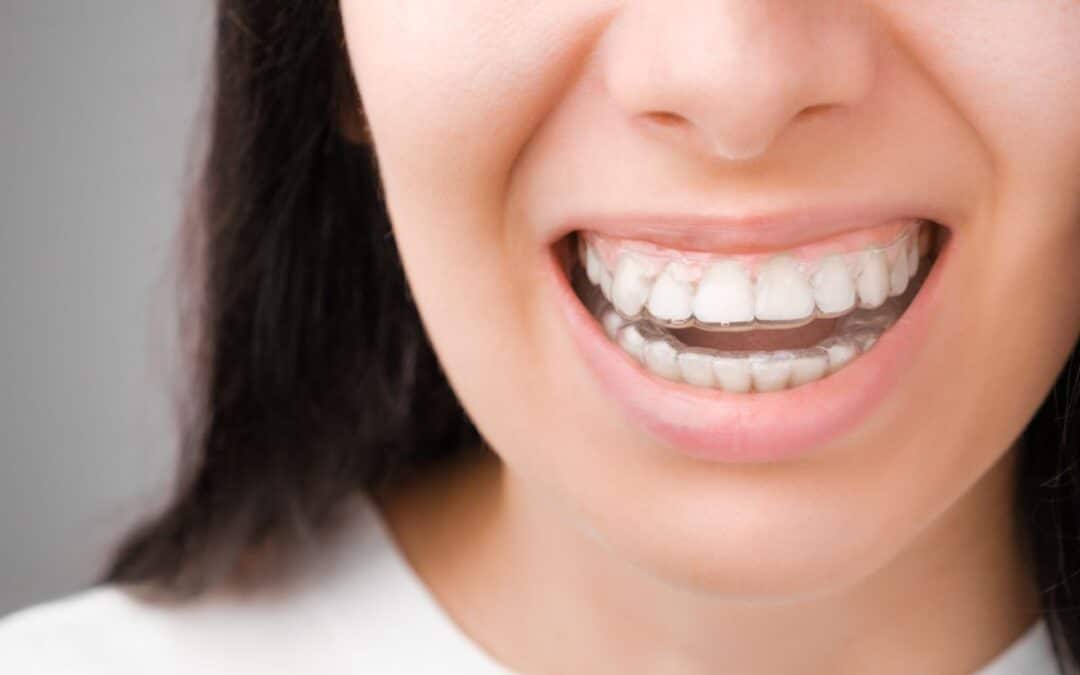
Invisalign uses custom-made trays. These are clear and fit snugly over your teeth. You switch to a new set every one to two weeks. Each tray moves your teeth a tiny bit more.
The treatment starts with a scan of your mouth. This creates a 3D model. Your orthodontist plans the exact movements needed. Trays are then crafted based on this plan.
Wear them for 20 to 22 hours daily. Remove them only for eating or brushing. This ensures steady progress. Treatment time varies. For mild cases, it often wraps up in 6 to 12 months.
Comfort is a big plus. No sharp edges to irritate your cheeks. You can eat what you like without restrictions. Just clean the trays regularly.
Studies show high success for these aligners in mild scenarios. They straighten teeth without the hassle of traditional methods.
Benefits for Mild Cases
Discretion stands out. The trays are nearly invisible. Friends might not even notice you’re in treatment.
Convenience matters too. Fewer office visits compared to adjustments for braces. This saves time for busy schedules.
Hygiene is easier. Pop out the trays to brush and floss normally. This reduces plaque buildup risks.
Pain levels are lower. The gradual shifts cause less discomfort. Many report only mild pressure at first.
Results appear natural. Teeth move into place smoothly. Your smile looks enhanced, not altered drastically.
In areas like Whitehouse, TX, locals seek these perks. The warm community values subtle improvements. Invisalign treatment in Whitehouse, TX, is a good fit for those seeking effective, low-key care.
Potential Drawbacks to Consider
Not every mild case is ideal. If you forget to wear the trays enough, progress slows.
Some feel tempted to skip wearing them. Discipline is key here.
Attachments might be needed. These are small, tooth-colored bumps. They help with certain movements.
Refinements could extend treatment. Extra trays fine-tune the results.
Severe habits, such as teeth grinding, may complicate matters. Your orthodontist can advise on this.
Overall, these are minor compared to the benefits. Most users adapt quickly.
Comparing Invisalign to Traditional Braces
Braces use brackets and wires. They work well for all levels of issues.
For mild problems, aligners are often effective. But with added comfort.
Braces are fixed in place. This ensures constant force. Aligners rely on your compliance.
Treatment times can be similar. Aligners might finish faster in simple cases.
Aesthetics differ greatly. Metal braces show. Clear ones don’t.
Choose based on lifestyle. Active folks might prefer removable options.
Key Statistics on Invisalign Success
Data highlights strong outcomes for mild orthodontic treatments. Here’s a quick overview:
| Issue Type | Success Rate | Average Treatment Time |
|---|---|---|
| Mild Crowding | 85-95% | 6-12 months |
| Small Gaps | 80-90% | 6-18 months |
| Minor Overbite | 80-96% | 9-15 months |
| Overall Mild Cases | 90%+ | 12 months average |
These figures come from clinical studies. They show reliable results when followed properly. Patient satisfaction often exceeds 95%.
Trending FAQs on Invisalign for Mild Problems
Many search for quick answers online. Here are some frequently asked questions based on popular Google queries, with clear responses:
- Does Invisalign work for mild crowding? Yes, it’s highly effective. The aligners gently push teeth apart. Most see improvements in months.
- Is Invisalign worth it for minor crookedness of teeth? Absolutely, for those wanting discretion. It corrects slight misalignments comfortably. Results boost confidence without visible hardware.
- Can Invisalign fix mild overbites? Often, yes. It addresses minor bite issues well. Attachments help guide the correction.
- What is the success rate of Invisalign for mild cases? Around 80-96%, per studies. Compliance plays a big role.
- How long does Invisalign take for mild orthodontic issues? Typically 6-18 months. Milder problems resolve more quickly.
These cover common curiosities. They help you gauge if it fits your needs.
Tips for Successful Treatment
- Start with a consultation. Discuss your specific concerns openly.
- Follow the wear instructions strictly. Track your hours if needed.
- Maintain oral hygiene. Rinse trays after meals.
- Attend check-ups. These monitor progress.
- Eat a balanced diet. Avoid hard foods that might damage trays.
- Stay patient. Changes happen gradually but surely.
These steps maximize outcomes. They turn mild issues into a perfect smile.
If you are searching for a skilled orthodontist near you, consider one experienced in clear aligners. They can guide you through the process smoothly. It’s about finding a partner in your smile journey.
Straightening mild orthodontic problems doesn’t have to be complicated. Options like Invisalign provide effective, comfortable paths forward. You’ve got the info now. Take that first step toward the smile you deserve. Your confidence will thank you.