by 110 Dental & Orthodontics | Jul 25, 2024 | Invisalign, Orthodontics
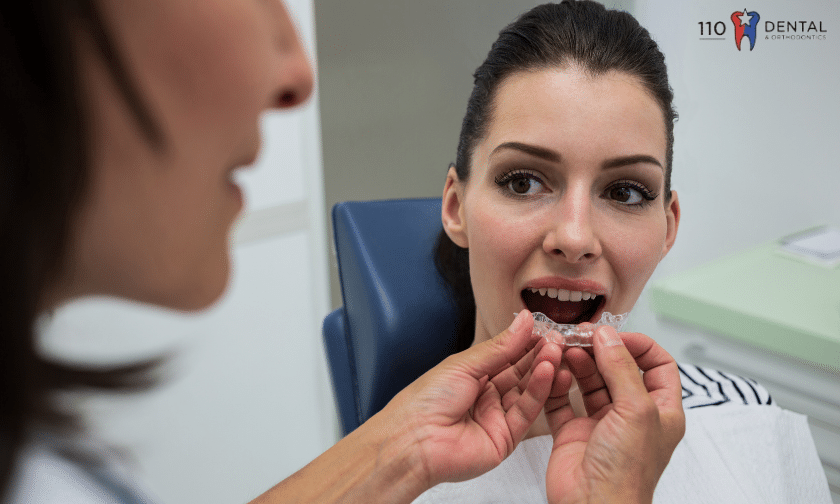
Few Benefits of Invisalign for Teens
About four million people opt for braces and Invisalign to fix their smiles. If you notice that your kid requires some orthodontic care for correcting crooked teeth, then they are not the only ones. Although both the options help in fixing crooked teeth, Invisaligns offer some unique benefits. Here are some of the benefits that an adult can expect to get from them.
Low Maintenance Option
It is important to understand that the traditional braces need a lot of maintenance during the treatment. Wearing a traditional brace comes with a lot of responsibility since you have to clean it with water and brush thoroughly. The worst part is the brackets can pop off anytime if your kid is not careful while eating. As a result, they have to visit the orthodontist frequently for maintaining and tightening sessions. Due to this reason, Invisalign is one of the best solutions as it becomes easy to take care of it.
The only responsibility that your kid has to take is cleaning the trays and wearing them during the treatment. Moreover, as the Invisalign in Whitehouse is sent directly to your house, you no longer have to worry about visiting frequently to the orthodontist. On top of that, you won’t require tightening or missed school days.
Easy to Detect
A lot of parents love the concept of traditional braces as they don’t have to worry about their kids wearing them. The reason behind this is traditional braces remain permanently fixed and only an orthodontist can remove them. As the Invisalign trays can be removed, it is obvious for the parents to worry whether the kids are wearing the trays in your absence. As a result, they also have to wear indicators installed.
Wearing the trays like they are supposed to will definitely remove the indicators. If your kid is not wearing the tray, you will notice small blue dots on the back of the tray as soon as they remove it. Make sure to schedule an appointment with your orthodontist in Whitehouse in case your kid is not wearing the Invisalign.
Gives Confidence to the Teens
Unfortunately, both kids and teens get bullied for wearing traditional braces. All these things make them self-conscious and refuse to smile. Not only that, such things can make them shy while they try to be outgoing. Hence, dentists recommend Invisalign to teens since they are virtually invisible.
As soon as they get used to speaking with the Invisalign, people won’t even notice anything. Due to the Invisalign, they feel confident and they smile more often. If things are already socially challenging, with Invisalign you can give proper orthodontic care to your kids and make things stressful.
A Comfortable Option
Traditional braces have brackets that have sharp edges, which can cause discomfort even after kids get used to them. Braces sit against the cheek skin and it rubs against the lips while talking. All these things can cause sores. The discomfort gets even more problematic in the tightening appointments.
Invisalign in Whitehouse
If your teen requires orthodontic work and you are confused between Invisalign and traditional braces, it is vital to consider some of its benefits. However, never forget that every case is unique and few teens get more benefit from the traditional braces, Invisaligns are worth considering. Contact us and book your schedule!

by 110 Dental & Orthodontics | Jul 18, 2024 | Oral Health
You may have heard about fluoride from your dentist or seen it advertised on products at the store like toothpaste and mouthwash. Why is it added to dental products? What are its benefits to your teeth? Is it a necessary ingredient in toothpaste? Fluoride can have a big impact on your dental health so let’s talk about fluoride and why it’s important.
What Does Fluoride Do?
Fluoride is a mineral that is found in many foods and naturally occurs in some water sources as well. A man named Dr. Frederick McKay began to study its effects on children’s teeth because of the low rate of cavities in areas where high levels of fluoride were in the water supply. In 1945, Grand Rapids, Michigan added fluoride to its water supply. The rate of cavities in children dropped by 60% as a result! It was a huge advancement and the beginning of preventative dentistry.
After this, many cities’ began to add it to their water supplies. Subsequent studies have shown that fluoride can actually help with the remineralization and protection of teeth as well as help reduce tooth sensitivity so it has benefits for people of all ages. Now, it is added to many dental products and recommended by dentists worldwide.
Where Can I Find Fluoride?
Fluoride seems to be everywhere once you start looking for it! It is naturally occurring in foods like spinach, grapes, wine, potatoes, black tea, coffee, shrimp and fruit. It’s added to toothpastes, mouthwashes and floss. Once you realize the benefits of fluoride and why it’s important, it’s vital to ensure that you and your family are getting enough.
Fluoride Treatments
If you’re at risk for cavities, suffer from sensitive teeth or simply want to prevent problems in the future, you can talk with your dentist about fluoride treatments. Fluoride varnishes or sealants are much more concentrated than other sources of fluoride and can help give your teeth a great head start with meeting their fluoride needs.
Fluoride treatments are usually applied to your teeth after a professional dental cleaning by painting them with a clear liquid in your choice of flavoring. Dentists typically recommend doing this every 6 months or after each professional cleaning.
Ask Your Dentist
Too much fluoride is also not helpful, so if you’re unsure whether you or your family members are getting the right amount of fluoride, make an appointment with your dentist. Your dentist can help answer questions you may have about fluoride and why it’s important. They can consult with you about a plan to ensure that each member of your family gets the optimum amount of fluoride tailored to their specific needs to help keep everyone’s teeth healthy, strong and cavity-free.
Call our Whitehouse dental office to make an appointment with a dentist who may be able to help you find out more about this topic, and improve your oral health.
by 110 Dental & Orthodontics | Jul 3, 2024 | Orthodontics
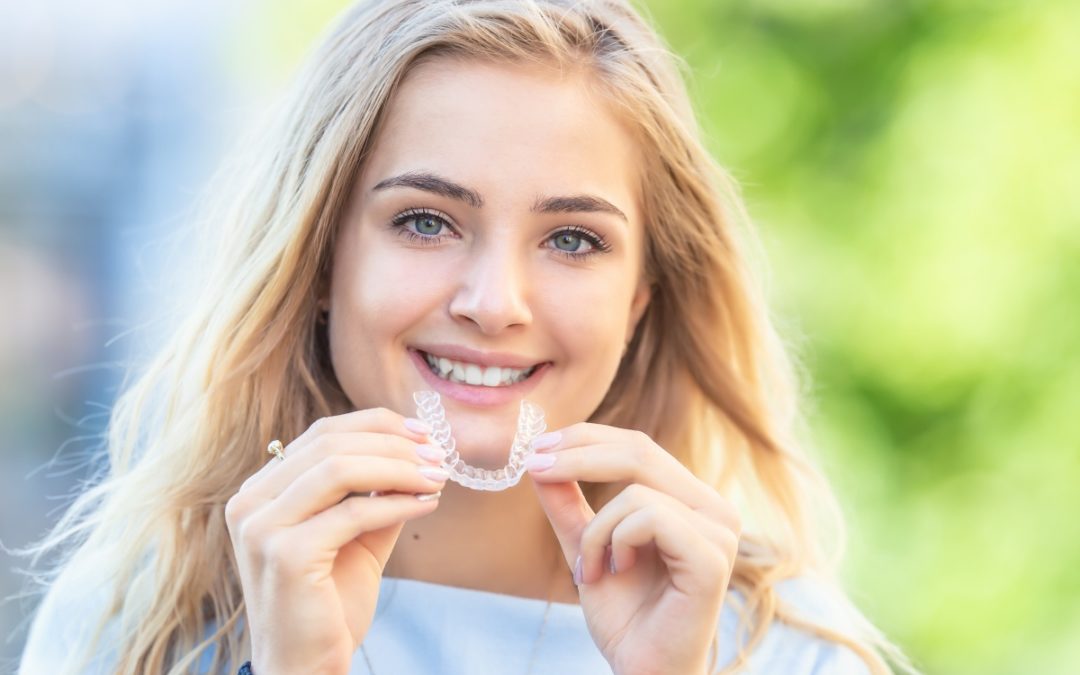
To choose invisalign or not is a big decision, and an important one to discuss with your dentist and orthodontist. If you’re wondering if Invisalign is right for you, here are 7 reasons that may help along the conversation with the dental professionals in your life, and help you determine why it is worth considering.
1. A Good Solution for Many Orthodontic Problems
Invisalign can resolve a lot of bite and cosmetic treatment needs quickly and simply. While there are times when traditional braces may be more appropriate, Invisalign does have excellent outcomes for many different needs.
2. May Be Shorter Treatment Time
Invisalign can mean a shorter treatment period than traditional braces, and for this reason alone, some people would prefer to choose invisalign. Getting teeth straightened is well worth any time put into the effort, but if the treatment time can be shorter, why not?
3. More Control Over Outcome
This is both a benefit and a drawback. How long you wear your invisalign can help keep your teeth on target or delay the treatment outcome, if you aren’t wearing them long enough often enough. This is a good thing for adults who want to be able to take their aligners out for meals and dental care. But this may be a drawback for kids and teens who will not keep aligners in for long periods of time.
4. Dental Hygiene Concerns
Another reason to choose invisalign, dental Hygiene is more likely what you were used to before invisalign aligners. Just take your aligner out and brush and floss as usual. The same applies to dental cleanings or cavity fillings. Don’t let this fool you though, into being any less diligent with dental hygiene. While aligners make it easier, they do encase the teeth, which in itself is an increased risk for tooth decay. Diligent dental hygiene is more important than ever with Invisalign
5. Cost Effective
Generally more cost effective than traditional braces, Invisalign may be a bit lighter on the wallet, if your orthodontist finds you are a good candidate for such a treatment.
6. Aesthetically Pleasing
Clear, subtle, discreet, invisalign is more aesthetically pleasing, and can be harder to notice in social situations. This can be a plus depending on your day to day life.
7. You Can Eat Anything You Like
No dietary restrictions on popcorn or gum. You can enjoy these treats as long as you brush well afterward!
Call our dental office to make an appointment with a dentist who may be able to help you find out more about this topic, and improve your oral health.
by 110 Dental & Orthodontics | May 13, 2024 | Root Canal Therapy
Are you one of those people who cringe at the mere mention of a root canal? Well, it’s time to dispel those fears and misconceptions because root canals play a crucial role in maintaining optimal oral health. Far from being a painful and scary procedure, a properly done root canal can save your natural tooth from extraction and prevent further damage to your teeth and gums. So sit back, relax (yes really!), and let’s dive into the world of root canals!
What Are Root Canals?
Root canals are an important part of maintaining optimal oral health. They are used to treat infections of the root canal system, which is the network of tissues and nerves that run from the tip of the root to the base of the tooth. Root canals are also used to treat damage to the root canal system, such as when a tooth is cracked or broken.
Root canals are typically performed by a dentist or endodontist, who will make an opening in the tooth so that they can access the root canal system. They will then clean out any infected tissue and fill the root canal with a sealing material. In some cases, a crown may also be placed on the tooth to protect it from further damage.
Root canals are usually safe and effective, but If you have any concerns about having a root canal, be sure to discuss them with your dentist beforehand.
Why Are Root Canals Important For Oral Health?
Root canals are important for oral health because they help to prevent tooth decay and keep the teeth healthy. Tooth decay is a serious problem that can lead to pain, infection, and even loss of teeth. Root canals help to remove the decaying tissue from the inside of the tooth and prevent further damage.
When Should I Get A Root Canal?
A root canal is a treatment used to save a tooth that is badly damaged or infected. The procedure involves removing the damaged or infected tissue from inside the tooth, then filling and sealing the tooth. Root canals are usually done by dentists, but sometimes endodontists (dentists who specialize in treating teeth) do them.
The most common reason for a root canal is an infection of the pulp (the soft tissue inside the tooth that contains blood vessels, nerves, and connective tissue). This can happen if the tooth is cracked or chipped, or if there is deep decay in the tooth. The infection can cause pain, swelling, and irritation. If it is not treated, it can spread to other parts of the body and make you very sick.
Root canals are usually done in one or two visits to the dentist. During the first visit, the dentist will clean out the infected pulp and put a temporary filling in the tooth. During the second visit, they will put a permanent filling in the tooth.
You should see your dentist regularly for checkups and cleanings. If you have a crack or chip in your tooth, or if you have deep decay, you should see your dentist as soon as possible so that they can decide if you need a root canal.
The Bottom Line
Root canals play an essential role in maintaining optimal oral health. By preserving infected and damaged teeth, root canal treatments allow for long-term dental care. If you have any questions about the procedure or are experiencing signs of infection or damage, we encourage you to consult your dentist as soon as possible to determine whether a root canal is necessary. With timely intervention and proper aftercare, your tooth can be saved and will continue to serve its important function for many years to come.

by 110 Dental & Orthodontics | Apr 25, 2024 | Pediatric Dentistry
As parents, we all want our children to have healthy teeth and beautiful smiles. However, cavities can be a major obstacle to achieving this goal. Cavities not only cause pain and discomfort for children but also affect their overall health and well-being. Fortunately, there are many ways you can prevent cavities in your child’s teeth.
The Importance Of Eating A Variety Of Foods
One of the most important ways to prevent cavities in children is by encouraging them to eat a variety of healthy foods. A balanced diet that includes fruits, vegetables, whole grains, and lean proteins can help maintain good oral health.
Fruits and vegetables contain vitamins and minerals such as calcium and vitamin C which are essential for strong teeth. They also help raise saliva production which helps to wash away food debris from the mouth.

Whole grains like brown rice, quinoa or whole wheat bread have less sugar compared to refined carbohydrates, making it an excellent choice over sugary snacks like chips or cookies. Lean protein sources such as chicken or tofu can also benefit teeth as they provide phosphorus – another mineral that promotes dental health.
Dairy products like milk and cheese are great choices for your child’s diet because they’re rich in calcium. Calcium strengthens tooth enamel – the outer layer of our teeth protecting against decay.
By incorporating a variety of nutritious foods into your child’s diet you’ll not only promote their overall well-being but also ensure their dental hygiene remains intact!
The Role Of Fluoride In Preventing Cavities
Fluoride is an essential mineral that plays a significant role in preventing cavities, particularly in children. It works by strengthening the tooth enamel and making it more resistant to decay caused by acid-producing bacteria. Fluoride can be found naturally in some foods and water sources, but it’s also added to many dental products such as toothpaste, mouthwash, and professional treatments.
When fluoride is applied topically on teeth through dental products or treatments, it creates a protective barrier against harmful bacteria. This method of application has been proven effective in reducing cavity formation by up to 40%. In addition to topical applications, ingesting fluoride through drinking water or supplements can strengthen developing teeth from the inside out.
It’s important for parents to monitor their children’s fluoride intake because too much of this mineral can lead to fluorosis – a condition that causes discoloration and pitting of the teeth. Dentists recommend using only pea-sized amounts of fluoridated toothpaste for young children under six years old and supervising them while they brush.
In areas where community water supplies are not fluoridated or contain low levels of natural fluoride, dentists may recommend prescription-strength fluoride supplements for children at high risk for cavities. However, these should only be used under professional guidance.
Incorporating adequate amounts of fluoride into your child’s oral care routine is an effective way to prevent cavities and promote healthy teeth development.
The Importance Of Brushing And Flossing
Maintaining good oral hygiene practices is crucial for preventing cavities in children. Brushing and flossing are two essential habits that help to remove plaque, the main cause of cavities.
Brushing should be done at least twice a day using fluoride toothpaste. Make sure to use gentle circular motions on all surfaces of your child’s teeth and brush along the gum line. Children under six years old may need some assistance from an adult with brushing.
Flossing helps to remove food particles and plaque between teeth where a toothbrush cannot reach. It is recommended that you floss your child’s teeth at least once a day, especially before bedtime.
Good brushing and flossing practices not only help to prevent cavities but also promote healthy gums, fresh breath, and overall oral health. Encourage your child to make dental care part of their daily routine by setting a positive example yourself!
Remember that regular visits to the dentist are also important for maintaining optimal oral health. A dentist can identify potential problems early on before they become more serious issues requiring costly treatment.
Incorporating consistent brushing and flossing into your child’s daily routine can go a long way towards preventing cavities and promoting lifelong dental health!
The Bottom Line
Preventing cavities in children is a crucial aspect of promoting their overall health and wellbeing. Encouraging a varied diet that limits sugary and acidic foods, ensuring adequate fluoride intake through water or supplements, as well as implementing consistent brushing and flossing habits are all essential ways to prevent cavities in children.
By taking these preventative measures early on, parents can help ensure their child’s teeth remain healthy and strong for years to come. Remember to schedule regular dental check-ups with your child’s dentist to catch any potential issues before they become more serious problems.
With some effort and consistency from both parents and children alike, preventing cavities can be easily achievable!