by 110 Dental & Orthodontics | Apr 4, 2024 | Invisalign
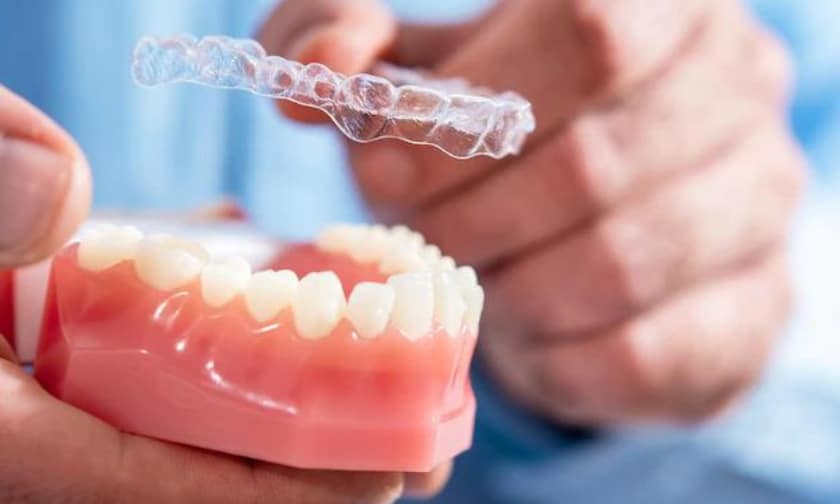
Do you want to improve your smile without having to worry about metal braces? If so, Invisalign could be the perfect solution for you! In this blog post, we will discuss three reasons why you should consider getting Invisalign and what makes it different from traditional braces.
The Benefits of Invisalign
Invisalign is an increasingly popular alternative to traditional metal braces for straightening teeth. While Invisalign may cost more up-front, there are several clear benefits that make this treatment worth considering:
Invisalign is virtually invisible. Traditional metal braces are highly visible, and can be difficult to hide, especially for adults. Invisalign’s clear aligners are nearly undetectable, so you can smile with confidence knowing that your treatment is not on display.
Invisalign is removable. This means that you can take them out to eat, brush, and floss as normal. With traditional braces, food restrictions are common, and it can be difficult to keep your teeth clean. With Invisalign, you can maintain good oral hygiene without any extra effort.
Invisalign treatment is shorter than traditional braces. On average, Invisalign treatment takes about a year, while braces typically take two years or more. This means you can achieve your goal of straighter teeth in less time.
If you’re considering straightening your teeth but are unhappy with the idea of wearing traditional braces, Invisalign may be the right choice for you. These clear aligners offer many advantages that make them worth considering for anyone looking for an inconspicuous way to achieve a straighter smile.
Invisalign is Discreet and Comfortable
Invisalign is a great choice for people who are looking for a discreet way to straighten their teeth. The clear aligners are virtually invisible, so no one will know that you’re wearing them unless you tell them. In addition, Invisalign is much more comfortable than traditional metal braces. The aligners are made of smooth plastic, so they won’t rub against your gums or cheeks the way metal brackets and wires can.
Invisalign is Convenient and Easy to Maintain
If you’re looking for a convenient and easy-to-maintain teeth straightening option, Invisalign is a great choice. Unlike traditional braces, Invisalign aligners are removable, so you can eat and drink whatever you want without worrying about damaging your braces. Plus, you can brush and floss normally to maintain good oral hygiene.
Invisalign Offers Fast Results
If you’re looking for a quick and easy way to improve your smile, Invisalign is definitely worth considering. In most cases, treatment with Invisalign takes about 12 months, which is much shorter than traditional braces. Additionally, since Invisalign aligners are made from clear plastic, they’re practically invisible – so you can straighten your teeth without anyone even knowing you’re wearing them.
What to Expect When Getting Invisalign
If you’re considering getting Invisalign, you may be wondering what the treatment process is like. Here’s what you can expect:
First, you’ll need to consult with dentist to see if Invisalign is right for you. If it is, they’ll take impressions of your teeth and create a treatment plan.
Next, you’ll be fitted with a series of clear, custom-made aligners. You’ll wear each aligner for about two weeks before moving on to the next one in the series.
As you progress through the treatment, your teeth will gradually shift into their new positions. You’ll need to visit your dentist periodically so they can check on your progress.
Once your treatment is complete, you’ll need to wear a retainer to keep your teeth in their new positions.
The entire process usually takes about a year, but it can vary depending on the individual case.
Conclusion
Invisalign provides many benefits to those who want straight teeth without the frustration of traditional braces. The convenience, comfort, and discretion that comes with an Invisalign treatment are just a few of the reasons why so many people choose this option for their orthodontic needs. Whether you need minor corrections or major adjustments, Invisalign is a great way to get your smile looking its best in no time at all.
by 110 Dental & Orthodontics | Mar 25, 2024 | Dental Implants
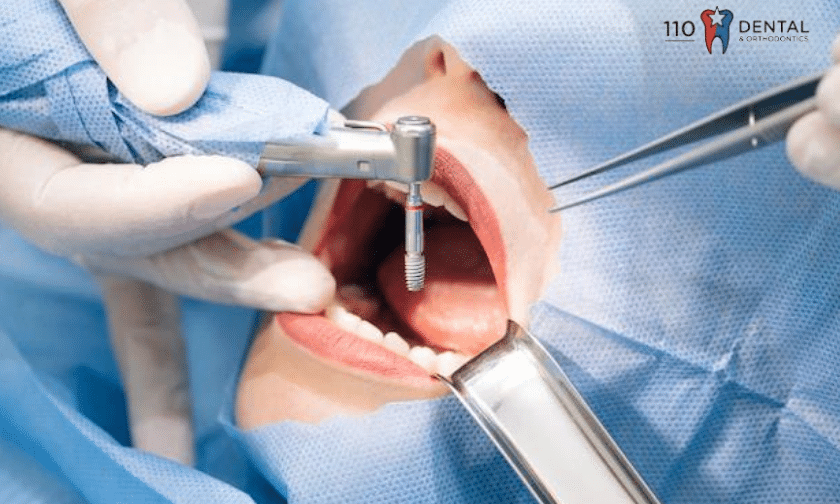
When you want to replace your missing or damaged teeth, you have multiple options. However, one choice that stands ahead of the rest is dental implants. Dental implants offer advantages better than other tooth replacement options, like dentures or bridges. Here are the top & amazing advantages of dental implants.
Top 10 Advantages Of Dental Implants
1. Prevents Bone Loss
When you lose teeth, you also lose jawbone mass. The jawbone needs the push when your tooth root connects with it to maintain its mass. Dental implants are the only tooth replacement alternative that replaces that jaw bone stimulation, allowing to stop bone loss.
2. Matches Natural Teeth
Dental implants come in multiple sorts of shapes and sizes. Your dentist will work with you to create implants that fit the shade of the other surrounding & natural teeth and fit flawlessly in the gap.
3. Restores Bite Force
Dental implants are fixed into the jaw with a titanium post that functions as a tooth root. It lets you bite with the same amount of force you could use with your natural teeth. Other tooth replacement options do not restore your bite force as much as implants do, because they get placed on top of the gums and not in the jaw bone.
4. Prevents Changes In Face Shape
Your teeth help sustain your facial form. When you lose teeth, you lose that support, which ultimately drives your face to change shape, making you look old. Whitehouse dental implants offer comparable support for your face to your natural teeth, stopping them from changing form.
5. Enables Natural Speech
Some tooth replacement options can affect your capability to pronounce words precisely. Missing teeth can also impact your speech. As dental implants sense and operate just like natural teeth, they let you speak effortlessly.
6. Won’t Get Cavities
Artificial teeth still need better dental care to prevent bacteria from forming in your mouth and driving infections, but fortunately, the material dental implants are fabricated of can’t decay. You’ll never have to bother about getting cavities in your implants!
7. No Awkward Slippage
Patients with dentures sometimes feel nervous about speaking, laughing, or eating in public, as dentures can easily move or slip inside the mouth. Dental implants are firmly fixed in place and will never mortify you.
8. Easy to Care
Dental implants don’t need buying any special products to clean or care for. There’s no requirement for cups, adhesives, or special kinds of flossers. You just brush and floss as you would on your natural teeth.
9. Permanent Solution to Tooth Loss
Other tooth replacement options will require to be fixed or replaced occasionally, but dental implants are created to last for the rest of your life.
10. Supports Adjacent Teeth
A gap in your mouth driven by a missing tooth can force the teeth on either side of the gap to move positions, leading to misalignment. Dental implants fill the gap, letting you keep straight, and even smile.
Dental Implants In Whitehouse
Now that you are aware of the advantages of dental implants, if you want to restore your smile, we suggest you visit our dental office for dental implants in Whitehouse, contact us now to book your appointment.
by 110 Dental & Orthodontics | Mar 20, 2024 | Dental Health
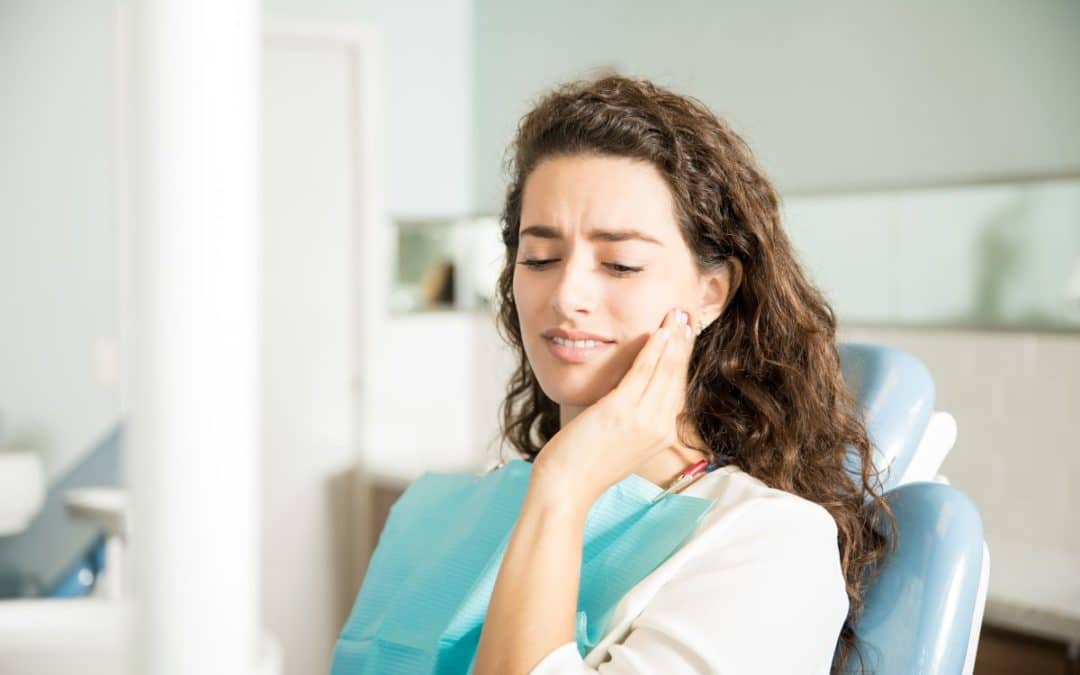
When you bite into something cold and your tooth hurts, it’s hard to ignore. Tooth sensitivity can be the source of a lot of discomfort. The good news is, there are things you can do about it. Let’s examine 5 things that cause tooth sensitivity so you can address it before it starts.
1. Extreme Temperature Changes
Cold or hot food or drinks are the most common things that cause tooth sensitivity. Some sensitivity can be normal, but if you’re noticing that your teeth feel extra sensitive or if you experience sudden or extreme discomfort, this can be a sign of an underlying issue and should be checked out by a dentist as soon as possible.
2. Sugary Sweets
Sugar can affect your teeth in a similar way to extreme temperature changes. If you experience tooth sensitivity in reaction to sweet foods, don’t hesitate to call your dentist.
3. Sinus Pressure
If you have allergies, a cold, sinus infection, or sinus pressure from weather changes, it can affect the nerves in your teeth. It can be helpful to take notes when you experience dental sensitivity and record any other symptoms you’re also experiencing to share with your dentist so that they can help you track down the source of your discomfort.
4. Teeth Whitening Products
Teeth whitening products offer great benefits: a brighter smile. But they can sometimes also have a downside: increased sensitivity. If you’ve been using at-home whitening products or other methods to whiten your teeth, it’s a good idea to check with your dentist to make sure that they are safe and being applied properly to minimize discomfort.
5. Teeth Grinding or Jaw Clenching
Sometimes stress can contribute to increased tooth sensitivity. Look for signs of jaw clenching by checking if the sides of your tongue are indented or if your jaw is tense at different times throughout the day. If your jaw is relaxed, your top and bottom teeth shouldn’t be touching while at rest.
Should You Call Your Dentist?
There are many things that cause tooth sensitivity, so how do you know if it’s something serious or that requires treatment? It’s always best to play it safe and visit your dentist to rule out cavities or gum recession as underlying causes. Your dentist will also be able to offer tips to help you find relief as quickly as possible so that you can get back to enjoying your favorite foods and drinks without discomfort.
Call our Whitehouse dental office to make an appointment with a dentist who may be able to help you find out more about this topic, and improve your oral health.

by 110 Dental & Orthodontics | Mar 12, 2024 | Orthodontics
What Are The Different Types Of Braces
Orthodontists and dentists specializing in teeth or jaw alignment use dental braces to straighten teeth. There are different reasons people get braces & orthodontic treatment, like improving their appearance or correcting crowding or issues with their bite.
Types of Braces
When you think of braces, you may think of metal brackets and wires surrounding teeth. While metal braces are still standard, many other materials and choices for dental braces are now available.
Traditional Metal Braces
Metal braces are the most common braces, and they are often the least costly option. One downside is that they are the most apparent on your teeth. Metal braces get made of solid and lightweight materials, which are titanium and alloy.
Orthodontists glue metal brackets to the teeth with metal braces, and then a metal wire joins them. Elastics, which come in different colors, hold the wire to the brackets.
Clear Braces
Clear braces can correct the most complex issue of overbites, underbites, and crossbites. The procedure for clear braces is the same as metal braces, except that the materials used are discreet. The brackets are made out of porcelain rather than metal and are colored to match your tooth color. The porcelain brackets can stain over time. Elastics are clear, hardly noticeable, and the archwire can be white to make the braces as discreet as possible. The elastics can be of any color but get switched with new ones at every dental visit.
Invisalign
Invisalign is the best method of straightening teeth that is entirely different from traditional braces. The treatment uses clear, plastic aligners that fit flawlessly over your teeth and get switched every few weeks with new ones. Each new aligner gets designed to move your teeth towards the proper position. Invisalign looks like a mouth guard, except the aligner is set precisely to your teeth. Invisalign braces are removable and taken out for eating, drinking, and flossing.
Self-Ligating Braces
Self-ligating braces look like traditional metal braces. Instead of elastics keeping the wire in position, the bracket itself is equipped with a spring-loaded door to hold the wire. The brackets may be metal or clear since orthodontist adjustments are faster with a fitted wire holder. On the other hand, these types of braces may cost more. One study found that those with self-ligating braces felt more satisfied than those with traditional braces, but the difference was not statistically meaningful.
Lingual Braces
Lingual & metal, both the braces use the same material. However, instead of attaching them to the front teeth, the orthodontist places them on the back or the lingual side of the teeth. The apparent benefit of lingual braces is that they are not seeable from the outside. They are more difficult to access, so you may have trouble keeping them clean. For example, your bite may make it unusable in some cases because you would bump and break brackets too often. Your orthodontist’s job is more complex, so your adjustments could take a long time and be more pricey. Not everyone is a suitable candidate for lingual braces, though.
Braces & Orthodontist In Whitehouse, TX
If you are also suffering from teeth misalignment, crookedness, or overcrowding of teeth, you don’t have to anymore. At 110 Dental & Orthodontics, we have a variety of braces available to help you get s straight & flawless smile in no time. Contact us today to find out which braces will suit your condition the best.

by 110 Dental & Orthodontics | Mar 4, 2024 | Oral Health
There are many benefits to choosing to eat healthier, among them the ways diet affects oral health. Eating foods low in sugar and other carbohydrates and starches and high in nutrients like vitamin A, vitamin C, calcium, magnesium and phosphorus might not only help prevent cavities, but support the health of your teeth, gums and jaw. Here are 5 ways diet affects oral health:
1. Less Cavities
One of the most important ways diet affects oral health is the way it impacts the environment of your mouth. Certain foods, like sugars and other carbohydrates, when combined with the saliva and bacteria in your mouth, form plaque, a sticky colorless film that can build up on your teeth and cause cavities. Your saliva has a natural balance of mineralizing and cavity fighting properties, but sugar throws off that balance. A diet low in sugar, carbohydrates and starches can give your body the upper hand in its fight against cavities.
2. Stronger Teeth
Eating a diet high in vitamins, minerals and other nutrients can also provide what your body needs to support stronger teeth that are less prone to breakage and cavities. Just like your bones need calcium, magnesium, vitamin D and other essential vitamins and minerals to stay strong, your teeth need similar nutrients to be strong and healthy.
3. Improved Gum Condition
Along with healthier teeth, healthy foods can also support gum health and help to prevent conditions like gingivitis and periodontitis. Eating whole fruits and vegetables that are crunchy like celery or carrots can further benefit your gum health by stimulating circulation in your gums. Think of eating them like treating your mouth to a massage!
4. Cleaner Teeth
Fibrous fruits and vegetables like raw carrots and apples, nicknamed by some “nature’s toothbrush,” can even help to clean your teeth between regular brushings.
5. A Brighter Smile
Some fruits and vegetables and other nutrient rich foods also have teeth whitening properties. Strawberries contain an enzyme called malic acid that can whiten your teeth. Chewing apples, celery and carrots that can help to scrape teeth clean and increase saliva production can also work to help remove stains naturally.
When considering ways diet affects oral health, it may also be helpful to talk to your dentist for more information and tips on foods and nutrients that can best benefit your teeth and fit your tastes and lifestyle.
Call our Whitehouse dental office to make an appointment with a dentist who may be able to help you find out more about this topic, and improve your oral health.