by 110 Dental & Orthodontics | Feb 20, 2024 | Root Canal Therapy
Welcome to our dental care blog! If you’ve recently undergone a root canal procedure, congratulations on taking the first step toward saving your natural tooth. While root canals may sound intimidating, they are actually quite common and have a high success rate of around 95%. However, proper aftercare is crucial in ensuring that your treated tooth remains healthy and pain-free. In this post, we’ll provide you with all the information you need to know about caring for your tooth after a root canal. So sit back, relax, and let’s get started!
Why Do You Need A Root Canal?
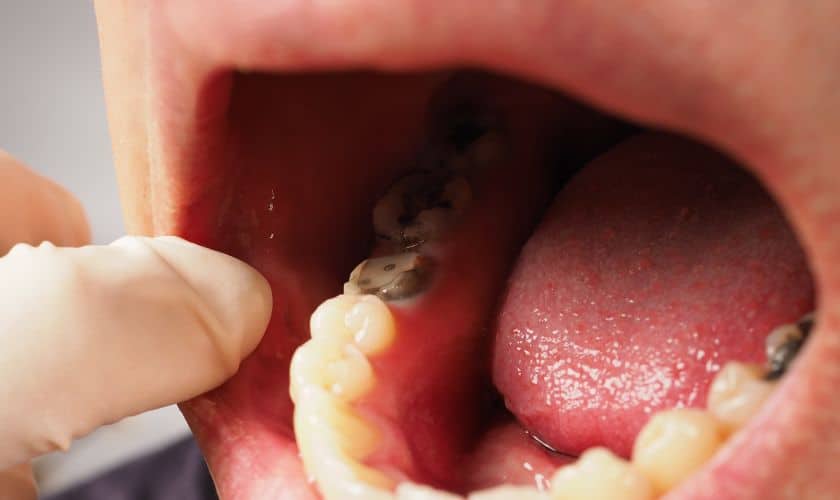
A root canal is a dental procedure that becomes necessary when the pulp, or innermost layer of your tooth, becomes infected or inflamed. This can occur due to deep decay, repeated dental procedures on the same tooth, or trauma to the tooth. If left untreated, an infected tooth can lead to severe pain and swelling as well as potentially serious health problems.
One common misconception about root canals is that they are painful and should be avoided at all costs. However, modern techniques and anesthesia have made this procedure relatively painless compared to what it used to be.
Another reason why you may need a root canal is if you experience sensitivity to hot and cold temperatures or prolonged discomfort in response to pressure being applied to your teeth while biting down. These symptoms could indicate nerve damage inside your tooth which requires prompt attention from a dentist.
If you suspect that you may need a root canal, don’t hesitate! The sooner you seek treatment for any oral health issues the better off your overall health will be in the long run.
How To Care For Your Tooth After A Root Canal?
After undergoing a root canal procedure, it’s essential to take care of your tooth to ensure proper healing and prevent any further damage. Here are some tips on how to care for your tooth after a root canal:
1. Avoid Chewing on the Treated Tooth-
It’s important not to chew or bite down on the treated tooth until you receive the permanent filling or crown. This will help avoid any damage or contamination.
2. Practice Good Oral Hygiene –
Maintaining good oral hygiene is crucial in preventing infection and promoting healing after a root canal. Brush and floss regularly, paying extra attention to the affected area.
3. Take Pain Medication as Prescribed –
You may experience some discomfort following the procedure. If so, take pain medication as prescribed by your dentist to alleviate any pain.
4. Attend Follow-Up Appointments –
Attending all follow-up appointments with your dentist is necessary for ensuring that there are no complications during recovery and that everything is proceeding well.
5. Be Mindful of Your Diet-
Stick to soft foods while recovering from a root canal procedure, avoiding hard or crunchy foods that can cause discomfort or dislodge temporary fillings.
Taking these simple steps will help promote proper healing, prevent further damage, and get you back to normal activities in no time!
What To Expect After A Root Canal?
After a root canal, you may experience some discomfort and
tenderness in your tooth for a few days. This is normal and can be managed with over-the-counter pain medications prescribed by your dentist.
It’s also important to avoid chewing on the affected tooth until it has been fully restored with a crown or filling. This will help prevent any further damage or infection.
You may also notice some sensitivity to hot and cold temperatures after the procedure. This should gradually improve as the area heals, but if it persists, you should contact your dentist.
In rare cases, complications such as persistent pain or infection may occur after a root canal. If this happens, it’s important to follow up with your dentist immediately to address any issues that arise.
While there may be some discomfort and sensitivity following a root canal procedure, most patients are able to resume their daily activities within a day or two of treatment. With proper care and attention from your dentist, you can expect to have long-lasting relief from the pain caused by an infected tooth.
The Bottom Line
Getting a root canal may seem daunting at first, but with the proper care and attention, you can help ensure that your tooth heals properly. From avoiding hard foods to keeping up with regular dental appointments, taking these steps can make all the difference in maintaining good oral health. By following the tips outlined in this article, you’ll be well on your way to keeping your teeth healthy and happy for years to come. Remember: prevention is key! So take care of your teeth today and avoid future dental issues down the line.

by 110 Dental & Orthodontics | Jan 29, 2024 | Teeth Whitening
Feeling confident about your pearly white smile can have a big impact on your life. If you’re considering refreshing your smile, the beginning of a new year is the perfect time. Here’s how to make your teeth whiter and your smile brighter.
Over-the-Counter Whitening Products
Whitening products sold at drug stores can be hit or miss, but there are some effective and safe options out there. Whether you’re considering whitening your teeth by using a whitening toothpaste, whitening strips, whitening gel or another type of teeth whitening product or kit, it can save you a lot of trouble to talk with your dentist first so that they can recommend the most effective and the safest active ingredients to look for when selecting products.
Natural Methods
A quick search on the internet will turn up numerous results for natural methods of how to make your teeth whiter. It’s important to remember that natural doesn’t always mean safe. Many natural methods can be highly abrasive or acidic and lead to unwanted damage or discoloration of your teeth. If you’re thinking about trying a natural method, check with your dentist to make sure that it’s safe.
Professional Whitening by a Dentist
If you want results that are safe, proven, and fast, other whitening methods simply can’t compare with a professional whitening. Professional whitening treatments have been safety-tested to the strictest standards and are applied under the supervision of a dental professional, so it should come as no surprise that many people experience a high level of satisfaction with the results.
Routine Dental Care and Cleaning
Sometimes your teeth appear less-than-their-best because of surface stains. Surface stains can come from many things such as drinks like tea or coffee, dark foods like barbecue sauce, or habits like vaping or smoking. Brushing your teeth after enjoying these things can go a long way towards keeping your smile healthy and white, but sometimes brushing isn’t enough. If you think your teeth may be discolored from surface stains, visit your dentist for a professional cleaning.
Talking with a Dentist About Your Goals
If you want to find out more about how to make your teeth whiter, it’s a good idea to make an appointment with your dentist and talk with them about your goals. Your dentist has the knowledge and experience to be your best resource to help you achieve your goals of a brighter smile.

by 110 Dental & Orthodontics | Jan 22, 2024 | Dental Hygiene
That moment when you’re doing a quick breath check before a big meeting or date and… oh no! It only takes a moment for bad breath to cramp your style. Continue reading for 5 steps to fresher breath to keep your smile feeling clean and fresh.
1. Stay Hydrated
Did you know that dry mouth can exacerbate bad breath? Drinking adequate water throughout the day can help to wash away food particles and plaque before it can build up. It also works to encourage your body’s saliva production which can inhibit bacteria growth in your mouth by keeping it moist.
2. Brush and Floss
One of the most important steps to fresher breath that you can take is to keep your teeth and gums clean because bacteria is typically what causes your breath to smell less than fresh. Dentists recommend brushing 3 times a day or after each meal and flossing daily. When you brush, make sure to brush your tongue, as well, to help keep your breath fresh.
3. Use Mouthwash
Mouthwash with antiseptic ingredients can be a great way to help freshen your breath because it helps to fight bacteria. Adding mouthwash to your dental care routine can give it an extra boost. Mouthwash also works great as a temporary stand-in to help wash away food particles after a meal when you are unable to brush and floss your teeth. Just make sure to brush your teeth as soon as you do get the opportunity to ensure a thorough clean.
4. Chew Sugar-free Gum
Chewing sugar-free gum with mint flavoring can help to freshen your breath when you’re in a pinch. If you can find gum with xylitol, even better! Xylitol has been shown to work to change the pH balance of your mouth over time to help reduce the growth of bacteria and your risk of cavities. Who knew chewing gum could actually be good for your teeth?
5. Visit Your Dentist
If you suffer from chronic bad breath, or if it’s been more than 6 months since your last dental exam and professional cleaning, it’s a good idea to make an appointment with your dentist. Regular dental exams and cleanings are important steps to fresher breath because they give your dentist the chance to spot hard-to-clean areas where bacteria-containing plaque may be harboring, which can contribute to bad breath. Bad breath can be a thing of the past and your dentist is here to help!

by 110 Dental & Orthodontics | May 25, 2023 | Crowns, Dental Care, Dental Health
Are you tired of the discomfort and inconvenience that comes with traditional dental crowns and bridges? Well, there’s good news! Digital dentistry is changing the game when it comes to restorative dental procedures. With advanced technology, digital dentistry offers a more efficient and comfortable experience for patients undergoing crown and bridge treatments. Let’s dive in!
What Is Digital Dentistry?
Digital dentistry is a term used to describe the use of advanced technology in dental procedures. This involves the replacement of traditional tools with digital devices, such as computer-aided design (CAD) and computer-aided manufacturing (CAM).
With digital dentistry, dental professionals can create accurate 3D representations of patients’ teeth using intraoral scanners. These scans are then used to design and manufacture restorations like crowns and bridges. The use of this technology has revolutionized the way these treatments are done by creating more precise measurements, reducing discomfort for patients, and improving overall treatment outcomes.
In addition to increasing precision in treatment planning, digital dentistry has also improved communication between dental professionals. With digital imaging systems that allow for easy sharing of patient information across different platforms, it’s now much easier for specialists like orthodontists or periodontists to work together on complex cases.
Digital dentistry offers many benefits over traditional methods including greater accuracy in diagnosis and treatment planning, increased comfort during procedures for patients, improved communication between providers – all leading to better oral health outcomes for those seeking restorative care.
Benefits Of Digital Dentistry
Digital dentistry has revolutionized the way dental treatments are performed. It offers numerous benefits that traditional methods cannot match. Here are some of the advantages you can enjoy if you choose digital dentistry for your crowns and bridges.
Accuracy: With digital scans, a dentist can create a highly accurate model of your teeth, providing better fitting crowns and bridges.
Efficiency: The use of technology reduces the amount of time it takes to produce custom restorations by creating them in-house with specialized software and hardware.
Comfort: Digital impressions eliminate the need for messy impression materials, making it more comfortable for patients during their dental appointments.
Cost-effective: Although there is an upfront investment in equipment costs for clinics, digital dentistry saves money over time since fewer visits are required due to greater accuracy leading to reduced corrections required.
Eco-friendly: With less waste generated from traditional impression materials and disposable items used in labs, there is much less impact on our environment which means that digital dentistry is also sustainable!
Types Of Crowns And Bridges
When it comes to crowns and bridges, there are a few different types available depending on your needs. The most common type of crown is made from porcelain fused to metal, which provides both durability and an aesthetically pleasing appearance.
For those who prefer a more natural look, all-ceramic or all-porcelain crowns can be used instead. These options have become increasingly popular in recent years due to their ability to blend seamlessly with the surrounding teeth.
Another option for tooth replacement is a bridge, which can be supported by either natural teeth or dental implants. Traditional bridges are anchored by the two adjacent teeth using crowns, while implant-supported bridges use dental implants as support instead.
Each type of crown and bridge has its own advantages and disadvantages that should be discussed with your dentist before deciding on the best option for you. By working together with your dentist and utilizing digital dentistry techniques, you can achieve optimal results that meet both your functional needs and aesthetic preferences.
Precautions To Take When Getting Dental Crowns and Bridges
When getting dental crowns or bridges, there are a few precautions that you should take to ensure the best possible outcome. First and foremost, make sure that your dentist is experienced in placing crowns and bridges. Ask for referrals from friends or family members who have had successful procedures done.
It is important to maintain good oral hygiene before and after the procedure. Brushing twice a day and flossing regularly can help prevent gum disease which can lead to further complications with your crown or bridge.
Be cautious when eating hard or sticky foods as they may damage your restoration. Chewing on ice, popcorn kernels, or using your teeth as a tool can also cause damage.
If you experience any discomfort after the procedure such as pain while biting down, sensitivity to hot or cold temperatures, contact your dentist right away.
Attend regular check-ups with your dentist so they can monitor the health of your restoration over time.
By taking these precautions when getting dental crowns or bridges, you will be able to enjoy a healthy smile for years to come!
The Bottom Line
Digital Dentistry has revolutionized the way crowns and bridges are created and installed. It offers numerous benefits such as accuracy, speed, convenience, and comfort for patients. With the use of advanced technology like CAD/CAM systems and 3D printers, dental professionals can now create customized restorations that perfectly fit a patient’s oral cavity.
However, it is still important to take precautions when getting dental crowns or bridges to ensure their longevity. Regular check-ups with your dentist can help monitor their condition and address any issues before they worsen.
Digital dentistry has paved the way for more efficient and effective dental treatments that benefit both patients and practitioners alike. If you’re looking into getting crowns or bridges in the future, consider choosing a dentist who utilizes digital dentistry techniques to experience its many advantages firsthand.
by 110 Dental & Orthodontics | May 17, 2023 | Orthodontics
Welcome to the world of orthodontics! If you’re reading this, chances are you or someone you know is seeking early treatment for misaligned teeth and jaws. But with so many different types of appliances available, how do you choose which one is right for your needs? In this blog post, So sit back, relax and let’s dive into the fascinating world of orthodontia!
Appliances Used In The Early Treatment of Orthodontic
Early treatment of orthodontic involves the use of various appliances to correct dental and jaw misalignment issues. One such appliance is the traditional metal braces which are made up of brackets, wires and elastic bands. Though they may seem bulky and uncomfortable, they remain one of the most effective treatments for correcting severe malocclusions.
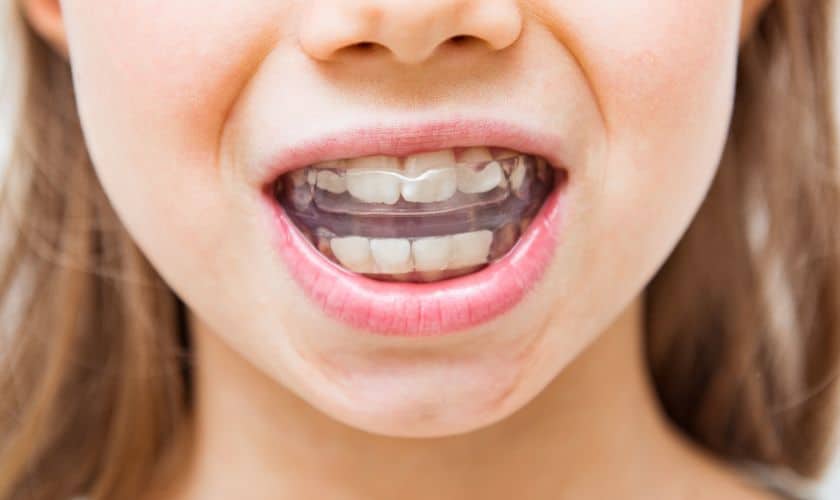
Another appliance commonly used in early treatment is clear aligners such as Invisalign. These are a great option for people who want a more discreet orthodontic experience since they’re nearly invisible when worn. They work by gradually shifting teeth into alignment using removable plastic trays that need to be changed every few weeks.
For patients with severe bite problems or jaw discrepancies, headgear may be recommended as part of their treatment plan. Headgear applies pressure to the upper teeth and jaws from outside the mouth through straps attached to a metal wire placed inside braces.
Palate expanders can also be prescribed in cases where there’s insufficient space in your child’s mouth for all their adult teeth. The expander works by gradually widening your child’s upper jaw over time using small screws placed on either side of their palate.
Numerous appliances exist for treating early orthodontic issues depending on each patient’s individual needs. It’s important to consult with an experienced orthodontist who will advise you on which type is best suited for your specific case!
Advantages And Disadvantages Of Each Appliance
There are several orthodontic appliances that can be used in early treatment. Each of these appliances has its own set of advantages and disadvantages, making them suitable for specific cases.
One of the most common appliances used is braces. Braces consist of metal brackets that are glued to the teeth, connected by a wire that applies pressure to gradually move the teeth into place. The main advantage of braces is their effectiveness in treating complex dental issues. However, they can also cause discomfort and require more maintenance than other options.
Another appliance is clear aligners, which are made from a plastic material custom-made to fit over your teeth like a mouthguard. These aligners offer greater flexibility since they can be removed when eating or brushing your teeth, but may not always work as well for severe dental problems.
Headgear is also sometimes used in early orthodontic treatment to help correct problems with jaw alignment. While effective at addressing certain issues, headgear must be worn regularly and consistently for maximum results.
Each appliance has its benefits and drawbacks depending on individual circumstances. It’s important to discuss all options with an experienced orthodontist before deciding on a course of action for your unique needs.
What To Expect During Treatment With An Orthodontic Appliance
Starting orthodontic treatment can be daunting, but knowing what to expect can help ease any anxiety. During the initial consultation, your orthodontist will evaluate your teeth and discuss treatment options with you. If an appliance is recommended, they will explain the type of appliance that best suits your needs.
Once the appliance is placed, it may take some time to adjust to speaking and eating with it. You may experience some discomfort or soreness as well, which can often be managed with over-the-counter pain relievers.
It’s important to maintain good oral hygiene during this time by brushing and flossing regularly. Your orthodontist may also provide special tools such as interdental brushes or Waterpiks to help you clean between brackets or wires.
Adjustments are typically needed every 4-6 weeks to ensure proper progress is being made. During these appointments, your orthodontist will make any necessary changes or tighten wires in order for teeth to continue shifting into their correct positions.
While there may be some temporary discomfort and adjustments required throughout treatment with an orthodontic appliance, the end result of a beautiful smile makes it all worthwhile!
The Bottom Line
Early treatment can help prevent more serious orthodontic issues from developing in the future. Different appliances are used to correct various orthodontic problems and each appliance has its own advantages and disadvantages. It is important to work closely with your orthodontist to determine which appliance is best suited for your individual needs.
Remember that every patient’s journey with braces or other orthodontic appliances is different, so it is important to have patience during the process. When you follow your orthodontist’s instructions and attend all scheduled appointments, you will be well on your way towards a healthy smile that will last a lifetime.
If you have any questions about early treatment or are interested in learning more about orthodontic appliances, do not hesitate to schedule an appointment with an experienced professional who can guide you through the process.