by 110 Dental & Orthodontics | May 12, 2023 | Cosmetic Dentistry
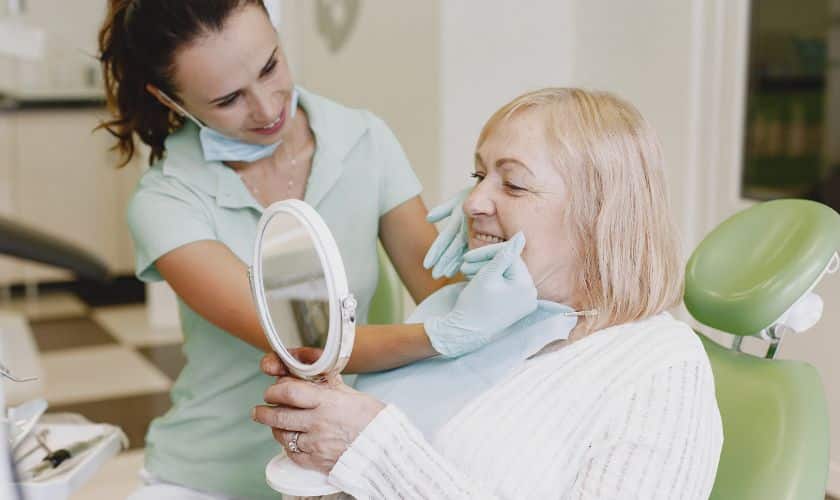
As we age, our bodies go through a number of changes; and just like any other part of our body, our teeth are not immune to the aging process. Over time, teeth can become discolored, chipped or even lost entirely. Thankfully, advances in cosmetic dentistry have made it easier than ever before to restore your smile and help you look younger!
Cosmetic Dentistry And Aging
As we age, a number of changes occur in our bodies that can impact the appearance of our teeth. Over time, teeth can become discolored due to years of exposure to coffee, tea and other staining foods or habits like smoking. Additionally, teeth may chip or break more easily as we get older.
Thankfully, cosmetic dentistry offers an array of options for those looking to restore their smile and maintain a youthful appearance. From simple procedures like whitening treatments to more complex dental implants and restorations – there’s something for everyone!
One common treatment option is bonding – which involves applying tooth-colored resin to damaged or decaying areas of the tooth. This can help improve the overall look and feel of your smile while also strengthening weakened areas.
Another popular procedure is veneers, which are thin shells made from porcelain or composite materials that fit over existing teeth. Veneers can be used to correct a variety of issues including chipping, discoloration or gaps between teeth.
Cosmetic dentistry provides countless solutions for those looking to reverse some signs of aging on their teeth and gums. By working with an experienced cosmetic dentist who understands your needs and goals you’ll be able to achieve a beautiful smile that lasts for years!
The Role Of Synthetic Materials In Cosmetic Dentistry
Cosmetic dentistry has come a long way in recent years and the use of synthetic materials is now more prevalent than ever. These materials are used to create natural-looking teeth that blend seamlessly with the rest of the patient’s smile.
One common synthetic material used in cosmetic dentistry is composite resin. This material can be shaped and molded to match the exact color and shape of natural teeth, making it an ideal choice for repairing chips, cracks or gaps.
Another popular option is porcelain veneers which are thin shells placed over existing teeth. Porcelain not only looks like natural teeth but also has similar strength and durability.
Dental bonding is another treatment option where synthetic materials are used to repair damaged or decayed teeth. The process involves applying a tooth-colored resin directly onto the affected area, resulting in a seamless finish that blends perfectly into surrounding teeth.
Synthetic materials play an important role in modern cosmetic dentistry as they allow for precise customization of dental treatments based on each individual’s unique needs and preferences.
Implants And Dental Restoration As Treatment Options For Aging Teeth
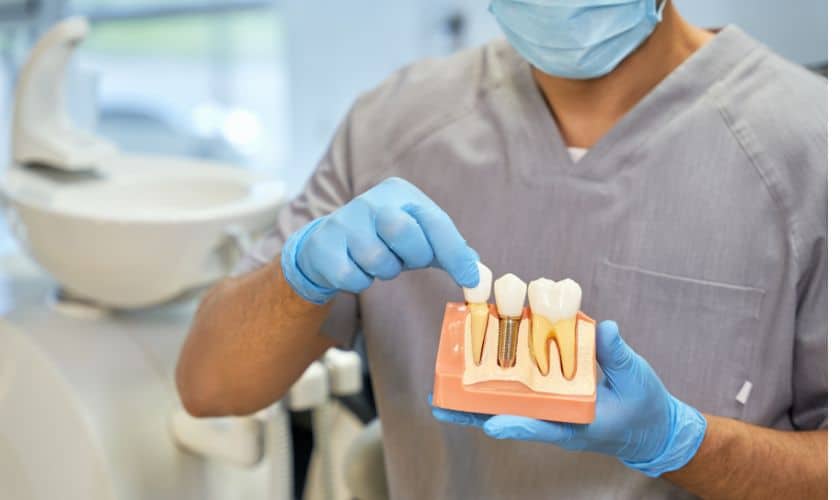
Implants and dental restoration are two of the most popular treatment options for aging teeth. Tooth loss is a common problem as we age, and it can be caused by various factors such as decay, injury or gum disease. Implants offer an excellent solution to tooth loss by replacing missing teeth with artificial ones that look and feel like natural teeth.
Dental implants are made from biocompatible materials, which means they integrate seamlessly into the jawbone without causing any harm to surrounding tissues. They also provide stability to adjacent teeth and prevent bone loss in the jaw.
Another option is dental restoration, which involves repairing damaged teeth using fillings, crowns or bridges. This procedure aims to restore the function and appearance of your natural teeth while preventing further damage.
The type of treatment depends on several factors including the extent of tooth loss or damage, overall oral health condition and personal preferences. Your dentist will evaluate your condition thoroughly before recommending any particular treatment option.
It’s important to note that both treatments require proper care and maintenance just like our natural teeth. Regular brushing, flossing and routine check-ups with your dentist are crucial in maintaining healthy gums and prolonging the lifespan of your implants or restorations.
The Bottom Line
Cosmetic dentistry has become an essential tool in helping individuals maintain their beautiful smiles even as they age. The use of synthetic materials in dental restoration and implants has enabled patients to achieve the perfect smile they desire to boost their self-esteem and confidence.
The treatment options available will depend on the individual’s specific needs, budget, and preferences. Therefore, it is crucial to consult with a qualified cosmetic dentist to determine the best course of action for your case.
Remember that maintaining excellent oral hygiene practices such as brushing twice daily, flossing regularly, and visiting your dentist for regular check-ups can go a long way in preserving your natural teeth’ health. Cosmetic dentistry should be viewed as an additional aid rather than a replacement for proper oral care practices.
If you are looking to enhance the beauty of your smile or restore damaged teeth due to aging or other factors mentioned earlier, consider exploring cosmetic dentistry treatment options today!
by 110 Dental & Orthodontics | Apr 19, 2023 | Braces, Invisalign, Orthodontics
Have you ever wished you had straighter teeth? Perhaps you’ve been self-conscious about your smile, or maybe you’ve experienced discomfort due to misaligned teeth. Whatever the reason may be, know that it’s never too late for orthodontic treatment! Many adults are now seeking orthodontic treatment to improve their dental health and enhance their appearance. In this blog post, we’ll explore the different types of orthodontic treatments available for adults, what to expect during treatment, and how to get started on your journey towards a healthier smile.
Orthodontic Treatment For Adults
Orthodontic treatment for adults is becoming increasingly popular, with more and more individuals seeking to improve their dental health and enhance the appearance of their smile. Unlike children, adult orthodontic patients often have fully developed jaws and facial bones that can make treatment a bit more challenging but still possible.
There are many reasons why an adult may choose to undergo orthodontic treatment. For some, it may be purely cosmetic – they want straighter teeth or a brighter smile. Others may experience discomfort due to misaligned teeth, such as difficulty chewing or speaking properly. The good news is that there are several types of orthodontic treatments available for adults. Traditional braces using metal brackets and wires remain a popular option in certain cases. However, clear aligners like Invisalign have gained popularity in recent years since they’re nearly invisible while being worn.
If you’re an adult considering orthodontic treatment don’t hesitate any longer! Schedule an appointment with your dentist or orthodontist today to discuss your options and start taking steps towards achieving the healthy beautiful smile you’ve always wanted!
Types Of Orthodontic Treatment
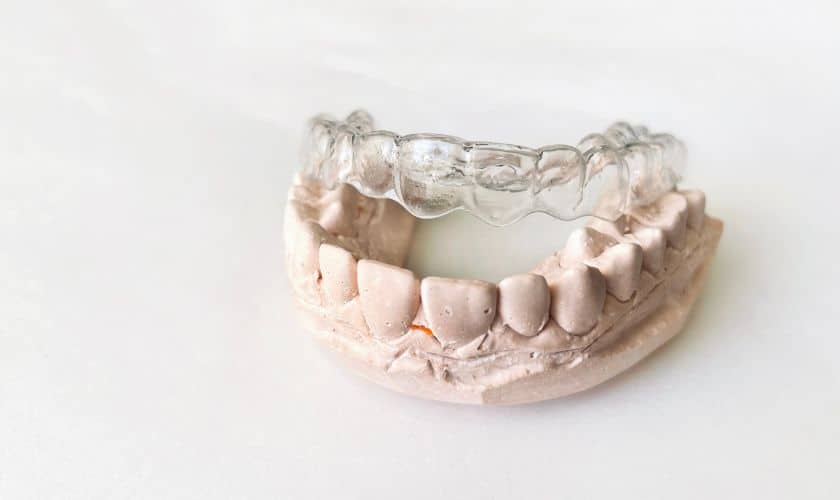
There are different types of orthodontic treatment available for adults who want to straighten their teeth. The most common type is traditional braces, which use brackets and wires to move the teeth into proper alignment over time. Another option is clear aligners, such as Invisalign, which are custom-made plastic trays that fit snugly over the teeth and gradually shift them into place.
In addition to these options, there are also lingual braces, which are attached to the back of the teeth instead of the front. This makes them less noticeable but can make it harder to keep them clean. Ceramic braces are another alternative that uses tooth-colored brackets and wires for a more discreet look. For those with more complex dental issues or jaw misalignment problems, surgical orthodontics may be necessary in conjunction with traditional braces or other treatments. Your orthodontist will evaluate your specific needs and recommend the best course of action for you. No matter what type of treatment you choose, it’s important to follow all instructions from your orthodontist and attend regular appointments for adjustments and maintenance throughout your treatment plan.
What To Expect During Orthodontic Treatment
Beginning orthodontic treatment as an adult can feel overwhelming, but understanding what to expect during the process can help ease any anxiety you may have. During your initial consultation with an orthodontist, they will examine your teeth and discuss which type of treatment is best for you. This could involve traditional braces or clear aligners like Invisalign.
Once the treatment plan has been decided upon, you will receive instructions on how to care for your teeth and appliances. It’s important to follow these instructions closely in order to achieve optimal results. Throughout the course of treatment, regular appointments with your orthodontist will be necessary. These appointments allow them to monitor progress and make any necessary adjustments to ensure that everything is going smoothly.
It’s normal to experience some discomfort during this time as teeth shift into their new positions. Over-the-counter pain medication can help manage any soreness or discomfort that arises. Once treatment is complete and appliances are removed, a retainer must be worn in order to maintain the corrected position of your teeth. Following all post-treatment instructions provided by your orthodontist is crucial for maintaining long-term success.
The Bottom Line
Getting orthodontic treatment as an adult is a big decision that can have a significant impact on your oral health and overall confidence. It’s never too late to straighten your teeth and achieve the smile you’ve always wanted!

by 110 Dental & Orthodontics | Apr 10, 2023 | Braces, Invisalign, Orthodontics
Are you tired of dealing with the discomfort and inconvenience of traditional metal braces? Or maybe you’re hesitant to invest in clear aligners like Invisalign without knowing if they really live up to the hype. Well, fear not! Today we’re breaking down the pros and cons of both options so you can make an informed decision about which orthodontic treatment is right for you. Get ready to say goodbye to crooked teeth and hello to a confident smile!
What Are Invisalign And Traditional Braces?
If you’re considering orthodontic treatment to straighten your teeth, you may be wondering whether Invisalign or traditional braces are the better option. Both Invisalign and traditional braces can effectively straighten teeth, but there are some important differences to consider.
Invisalign is a clear aligner system that uses custom-made, removable aligners to gradually move teeth into their desired position. Invisalign is virtually invisible when worn, so many people prefer it for its cosmetic appeal. Traditional braces, on the other hand, use metal brackets and wires affixed to the teeth to achieve the same results. While traditional braces are less conspicuous than they used to be, they are still more visible than Invisalign. Another key difference between Invisalign and traditional braces is that Invisalign aligners can be removed for eating, drinking, brushing, and flossing—making them much more comfortable and convenient than fixed braces. Traditional braces cannot be removed except by a dentist or orthodontist, so they require more careful cleaning and can be more difficult to keep clean.
Finally, Invisalign treatment typically takes less time than traditional braces—sometimes as little as 12 months compared to 24 months or more for metal braces. If you’re looking for a straighter smile without the hassle of metal brackets and wires, Invisalign may be the right choice for you.
Which Is Better For You?
There are many factors to consider when choosing between Invisalign and traditional braces. Here are a few things to keep in mind:
1.Invisalign is nearly invisible, which may be important to you if you’re self-conscious about wearing braces.
2.Invisalign requires you to be more diligent in cleaning your teeth, since aligners can trap food and bacteria.
3.With traditional braces, you’ll have to avoid certain foods that could damage the brackets or wires.
Ultimately, the best option for you depends on your individual needs and preferences. Talk to your orthodontist to learn more about each treatment option and make the best decision for your smile!
Invisalign Or Traditional Braces: Which Is Faster?
If you’re considering Invisalign or traditional braces, one of your main concerns is probably how long treatment will take. After all, no one wants to be in braces for longer than necessary! So, which type of braces is faster?
In general, Invisalign work faster than traditional braces. With Invisalign, the average treatment time is about 12 months. Traditional braces, on the other hand, usually take 18 to 24 months to achieve results.
So, if you’re trying to decide between Invisalign and traditional braces, ask your orthodontist which type of treatment will work best for your individual case.
The Bottom Line
Invisalign and traditional braces are both effective orthodontic treatments for correcting crooked teeth. When it comes to which treatment is better, it depends on the individual’s needs. If you have a specific time frame for getting your teeth straightened, traditional braces may be a better option as they tend to be faster. However, if aesthetics are more important or you don’t want metal brackets in your mouth, then Invisalign might be the way to go. Ultimately, this decision should be made between you and your dentist based on what will give you optimal results in the long run.
by 110 Dental & Orthodontics | Mar 30, 2023 | Dental Implants
When you are considering dental implants, it is important to choose a dentist who is experienced and qualified to provide this type of care. Dental implants are a very serious investment, and you want to be sure that you are getting the best possible care. Here are some tips for choosing a dental implant dentist
- Look for someone who is a member of the American Academy of Implant Dentistry (AAID). This organization requires its members to complete extensive training in implant dentistry and maintains strict standards of practice.
- Choose a dentist who uses high-quality materials and abides by best practices for implant surgery and restoration. Be sure to ask about the brands of implants and materials they use, as well as their sterilization procedures.
- Finally, select a dentist that you feel comfortable with and who you can trust to provide excellent care. Schedule a consultation appointment to meet with the dentist and staff, tour their facility, and ask any questions you may have before making your final decision.
Find A Highly-Rated Dentist With Experience In Dental Implants
If you’re considering dental implants, it’s important to choose a highly-rated dentist with experience in this area. Here are a few tips to help you find the right professional for your needs:
- Start by asking your regular dentist for a recommendation. They may be able to point you in the direction of a specialist who they know and trust.
- Once you have a few names, check out online reviews to see what past patients have said about their experiences.
- Schedule consultations with each of your top choices so that you can get to know them and their staff, and ask any questions you may have.
Schedule A Consultation To Discuss Your Specific Needs
- Schedule a consultation with a dentist. During your consultation, be sure to ask about the dentist’s training and experience with implant surgery.
- You’ll also want to get an estimate of how long the entire process will take, from consultation to final placement of the implants.
- Finally, make sure you feel comfortable with the dentist and staff. This is an important decision, and you should feel confident in your choice of dental implant dentist!
Sensible Philosophy In Providing Dental Care
There are a few things that you can do to make sure that you are choosing a dental implant dentist with a sensible philosophy in providing dental care.
- You should always ask for referrals from friends or family members who have had dental implants. This will give you a good idea of which dentists are considered to be the best in your area.
- You should read online reviews of different dental implant dentists. This will allow you to see what other patients have had to say about their experiences with each dentist.
- You should schedule a consultation appointment with each dentist that you are considering so that you can get a better idea of their philosophies and methods of treatment.
Other Factors To Consider When Choosing A Dental Implant Dentist
In addition to the factors discussed above, there are a few other things you should keep in mind when choosing a dental implant dentist. Here are a few more tips to help you choose the right dentist for you:
- Make sure the dentist has experience in placing dental implants. This is an important procedure, and you want to make sure your dentist is experienced and has a good track record.
- Ask about the success rate of dental implants. This is another important factor to consider, as you want to make sure that your implants will be successful.
- Ask about the warranty on the dental implants. This will give you peace of mind knowing that your investment is protected.
Find out what type of aftercare is available. This is important so that you can get the best possible care if something goes wrong with your implant.
The Bottom Line
Choosing the right dental implant dentist is an important decision, as it will help ensure that you receive quality care. Following these three tips can make the selection process easier and help you pick a dentist who meets your needs. It’s important to do some research ahead of time so that you know exactly what to look for when choosing a dental implant specialist. Ultimately, by doing your due diligence and following these tips, you’ll be able to find a reliable dentist with whom you feel comfortable getting treatment from.
by 110 Dental & Orthodontics | Mar 26, 2023 | Cosmetic Dentistry
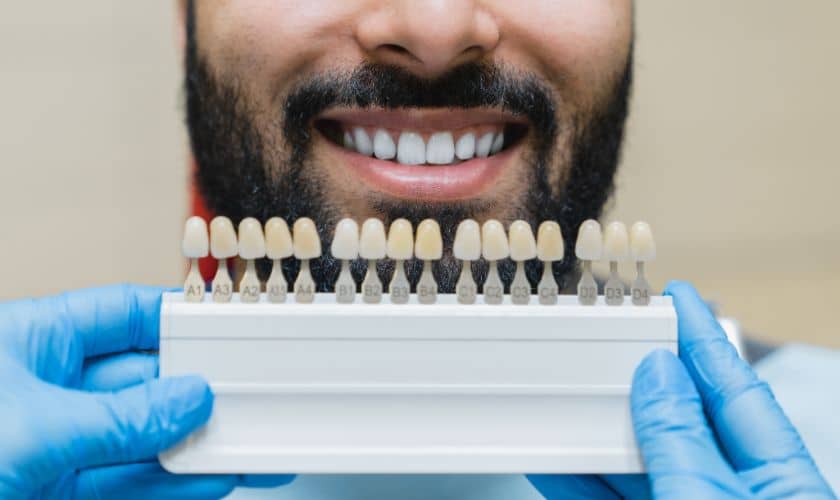
Dental veneers are thin, custom-made shell of tooth-colored material that is designed to cover the front surface of your teeth. They are an option for people who want to improve the appearance of their smile. Veneers can be made from porcelain or composite resin, and they are bonded to the front of your teeth.
Veneers are used to treat a variety of cosmetic dental concerns, including:
- Worn-down teeth
- Chipped or broken teeth
- Discolored teeth
- Gaps between teeth
- Misaligned or misshapen teeth
If you are considering dental veneers, it is important to consult with a qualified cosmetic dentist to ensure that they are the right treatment for you. The dentist will evaluate your oral health and discuss your goals for treatment before creating a custom treatment plan.
The Benefits Of Dental Veneers
Dental veneers are one of the most popular cosmetic dentistry procedures. They are thin, custom-made shells that are bonded to the front of your teeth. Veneers can be used to improve the appearance of your smile and protect your teeth from further damage.
There are many benefits of dental veneers, including:
1. Improve Your Smile: Dental veneers can be used to cover up stained, chipped, or misshapen teeth. They can also be used to close gaps between teeth or change the shape or color of your teeth. Veneers can give you a beautiful, natural-looking smile that you’ll be proud to show off.
2. Protect Your Teeth: Dental veneers can also be used to protect your teeth from further damage. They can provide a barrier against staining and other forms of wear and tear. Veneers can also help to strengthen weak or damaged teeth.
3. Last Longer Than Other Treatments: Dental veneers are made from high-quality materials that are designed to last for many years with proper care. In fact, they often last longer than other cosmetic treatments such as tooth whitening or bonding. This means you’ll get more value for your investment in dental veneers.
4. Low Maintenance: Once dental veneers are bonded to your teeth, they require very little maintenance. You’ll
How To Know If Dental Veneers Are Right For You
If you’re considering getting dental veneers, it’s important to do your research and make sure they’re right for you. Here are a few things to keep in mind:
1. Veneers are a permanent solution. Once they’re placed, they can’t be removed or replaced, so it’s important to be sure you want them before making the commitment.
2. Veneers aren’t right for everyone. If you have healthy teeth and gums, there’s no need to get veneers. In fact, some dentists may even recommend against them if they think your natural teeth are strong enough.
3. Veneers can change the way your teeth look and feel. If you’re not ready for a drastic change, then veneers may not be right for you.
4. Veneers require regular maintenance. Just like your natural teeth, veneers need to be brushed and flossed regularly to avoid staining and other problems.
If you’re considering getting dental veneers, talk to your dentist about whether or not they’re right for you. They can help you weigh the pros and cons and make an informed decision about whether or not this treatment is right for you
The Different Types Of Dental Veneers
When considering dental veneers, it is important to be aware of the different types available. Porcelain veneers are the most popular type of veneer, as they are durable and natural-looking. Composite veneers are not as durable as porcelain veneers and may not last as long. It is also important to note that there are temporary and permanent options available for both porcelain and composite veneers.
How To Care For Your Dental Veneers
Dental veneers are a popular cosmetic dentistry treatment that can give you a beautiful, bright smile. But like all dental treatments, they require proper care and maintenance to keep them looking their best. Here are some tips on how to care for your dental veneers:
1.Brush and floss your teeth twice a day – Just as you would with your natural teeth, it’s important to brush and floss your veneers twice a day to remove plaque and bacteria. Use a soft-bristled toothbrush and be gentle when brushing around the edges of the veneers.
2.Avoid hard foods – Biting into hard foods can crack or chip your dental veneers, so it’s best to avoid them altogether. Steer clear of candy, ice, nuts, and other hard snacks.
3.Don’t use your teeth as tools – Your teeth are not meant to be used as tools, so don’t use them to open packages or bottles. Doing so can damage the veneers.
4.See your dentist regularly – Be sure to see your dentist for regular checkups and cleanings. They can check for any wear or damage to the veneers and perform any necessary repairs or replacements.
The Bottomline
For those considering dental veneers, there are a few things to consider before taking the plunge. It is important to talk with your dentist about the best type of veneers for you and side effects associated with them. You should also make sure that you have realistic expectations as far as what they can do and how long they will last. With these considerations in mind, it is possible to make an informed decision on whether or not dental veneers are right for you.