Have you ever wished you had straighter teeth? Perhaps you’ve been self-conscious about your smile, or maybe you’ve experienced discomfort due to misaligned teeth. Whatever the reason may be, know that it’s never too late for orthodontic treatment! Many adults are now seeking orthodontic treatment to improve their dental health and enhance their appearance. In this blog post, we’ll explore the different types of orthodontic treatments available for adults, what to expect during treatment, and how to get started on your journey towards a healthier smile.
Orthodontic Treatment For Adults
Orthodontic treatment for adults is becoming increasingly popular, with more and more individuals seeking to improve their dental health and enhance the appearance of their smile. Unlike children, adult orthodontic patients often have fully developed jaws and facial bones that can make treatment a bit more challenging but still possible.
There are many reasons why an adult may choose to undergo orthodontic treatment. For some, it may be purely cosmetic – they want straighter teeth or a brighter smile. Others may experience discomfort due to misaligned teeth, such as difficulty chewing or speaking properly. The good news is that there are several types of orthodontic treatments available for adults. Traditional braces using metal brackets and wires remain a popular option in certain cases. However, clear aligners like Invisalign have gained popularity in recent years since they’re nearly invisible while being worn.
If you’re an adult considering orthodontic treatment don’t hesitate any longer! Schedule an appointment with your dentist or orthodontist today to discuss your options and start taking steps towards achieving the healthy beautiful smile you’ve always wanted!
Types Of Orthodontic Treatment
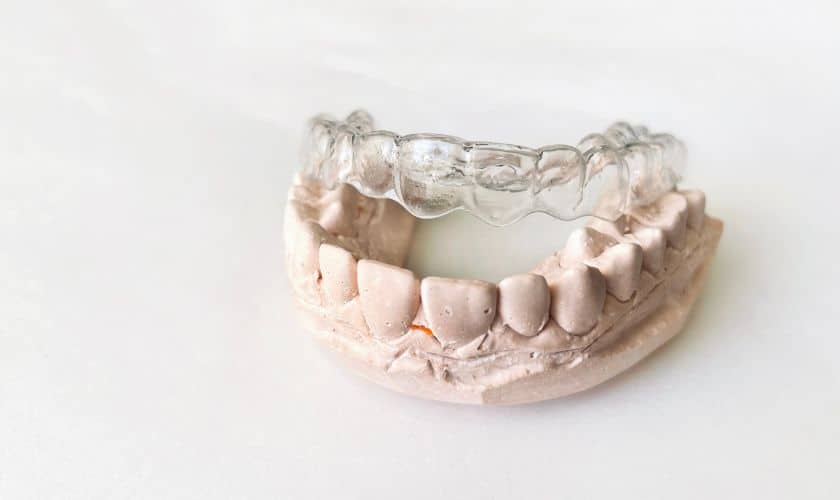
There are different types of orthodontic treatment available for adults who want to straighten their teeth. The most common type is traditional braces, which use brackets and wires to move the teeth into proper alignment over time. Another option is clear aligners, such as Invisalign, which are custom-made plastic trays that fit snugly over the teeth and gradually shift them into place.
In addition to these options, there are also lingual braces, which are attached to the back of the teeth instead of the front. This makes them less noticeable but can make it harder to keep them clean. Ceramic braces are another alternative that uses tooth-colored brackets and wires for a more discreet look. For those with more complex dental issues or jaw misalignment problems, surgical orthodontics may be necessary in conjunction with traditional braces or other treatments. Your orthodontist will evaluate your specific needs and recommend the best course of action for you. No matter what type of treatment you choose, it’s important to follow all instructions from your orthodontist and attend regular appointments for adjustments and maintenance throughout your treatment plan.
What To Expect During Orthodontic Treatment
Beginning orthodontic treatment as an adult can feel overwhelming, but understanding what to expect during the process can help ease any anxiety you may have. During your initial consultation with an orthodontist, they will examine your teeth and discuss which type of treatment is best for you. This could involve traditional braces or clear aligners like Invisalign.
Once the treatment plan has been decided upon, you will receive instructions on how to care for your teeth and appliances. It’s important to follow these instructions closely in order to achieve optimal results. Throughout the course of treatment, regular appointments with your orthodontist will be necessary. These appointments allow them to monitor progress and make any necessary adjustments to ensure that everything is going smoothly.
It’s normal to experience some discomfort during this time as teeth shift into their new positions. Over-the-counter pain medication can help manage any soreness or discomfort that arises. Once treatment is complete and appliances are removed, a retainer must be worn in order to maintain the corrected position of your teeth. Following all post-treatment instructions provided by your orthodontist is crucial for maintaining long-term success.
The Bottom Line
Getting orthodontic treatment as an adult is a big decision that can have a significant impact on your oral health and overall confidence. It’s never too late to straighten your teeth and achieve the smile you’ve always wanted!