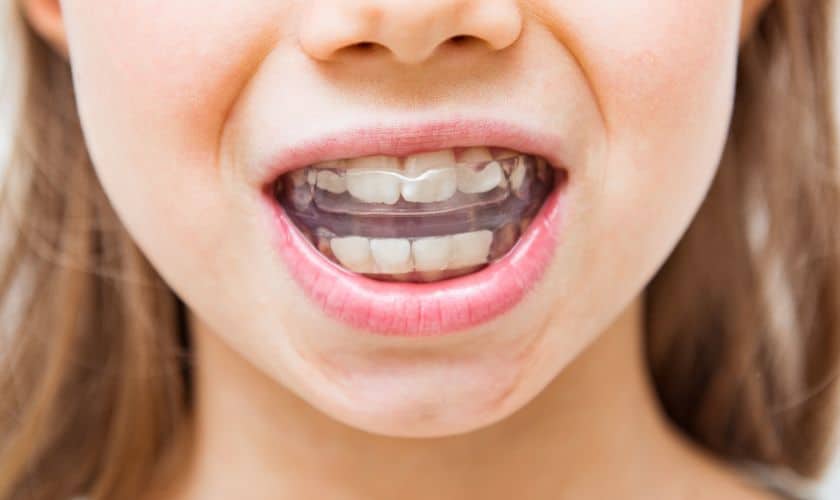
Welcome to the world of orthodontics! If you’re reading this, chances are you or someone you know is seeking early treatment for misaligned teeth and jaws. But with so many different types of appliances available, how do you choose which one is right for your needs? In this blog post, So sit back, relax and let’s dive into the fascinating world of orthodontia!
Appliances Used In The Early Treatment of Orthodontic
Early treatment of orthodontic involves the use of various appliances to correct dental and jaw misalignment issues. One such appliance is the traditional metal braces which are made up of brackets, wires and elastic bands. Though they may seem bulky and uncomfortable, they remain one of the most effective treatments for correcting severe malocclusions.
Another appliance commonly used in early treatment is clear aligners such as Invisalign. These are a great option for people who want a more discreet orthodontic experience since they’re nearly invisible when worn. They work by gradually shifting teeth into alignment using removable plastic trays that need to be changed every few weeks.
For patients with severe bite problems or jaw discrepancies, headgear may be recommended as part of their treatment plan. Headgear applies pressure to the upper teeth and jaws from outside the mouth through straps attached to a metal wire placed inside braces.
Palate expanders can also be prescribed in cases where there’s insufficient space in your child’s mouth for all their adult teeth. The expander works by gradually widening your child’s upper jaw over time using small screws placed on either side of their palate.
Numerous appliances exist for treating early orthodontic issues depending on each patient’s individual needs. It’s important to consult with an experienced orthodontist who will advise you on which type is best suited for your specific case!
Advantages And Disadvantages Of Each Appliance
There are several orthodontic appliances that can be used in early treatment. Each of these appliances has its own set of advantages and disadvantages, making them suitable for specific cases.
One of the most common appliances used is braces. Braces consist of metal brackets that are glued to the teeth, connected by a wire that applies pressure to gradually move the teeth into place. The main advantage of braces is their effectiveness in treating complex dental issues. However, they can also cause discomfort and require more maintenance than other options.
Another appliance is clear aligners, which are made from a plastic material custom-made to fit over your teeth like a mouthguard. These aligners offer greater flexibility since they can be removed when eating or brushing your teeth, but may not always work as well for severe dental problems.
Headgear is also sometimes used in early orthodontic treatment to help correct problems with jaw alignment. While effective at addressing certain issues, headgear must be worn regularly and consistently for maximum results.
Each appliance has its benefits and drawbacks depending on individual circumstances. It’s important to discuss all options with an experienced orthodontist before deciding on a course of action for your unique needs.
What To Expect During Treatment With An Orthodontic Appliance
Starting orthodontic treatment can be daunting, but knowing what to expect can help ease any anxiety. During the initial consultation, your orthodontist will evaluate your teeth and discuss treatment options with you. If an appliance is recommended, they will explain the type of appliance that best suits your needs.
Once the appliance is placed, it may take some time to adjust to speaking and eating with it. You may experience some discomfort or soreness as well, which can often be managed with over-the-counter pain relievers.
It’s important to maintain good oral hygiene during this time by brushing and flossing regularly. Your orthodontist may also provide special tools such as interdental brushes or Waterpiks to help you clean between brackets or wires.
Adjustments are typically needed every 4-6 weeks to ensure proper progress is being made. During these appointments, your orthodontist will make any necessary changes or tighten wires in order for teeth to continue shifting into their correct positions.
While there may be some temporary discomfort and adjustments required throughout treatment with an orthodontic appliance, the end result of a beautiful smile makes it all worthwhile!
The Bottom Line
Early treatment can help prevent more serious orthodontic issues from developing in the future. Different appliances are used to correct various orthodontic problems and each appliance has its own advantages and disadvantages. It is important to work closely with your orthodontist to determine which appliance is best suited for your individual needs.
Remember that every patient’s journey with braces or other orthodontic appliances is different, so it is important to have patience during the process. When you follow your orthodontist’s instructions and attend all scheduled appointments, you will be well on your way towards a healthy smile that will last a lifetime.
If you have any questions about early treatment or are interested in learning more about orthodontic appliances, do not hesitate to schedule an appointment with an experienced professional who can guide you through the process.