by 110 Dental & Orthodontics | Mar 16, 2023 | Emergency Dental Care
Are you experiencing tooth pain or a dental emergency? Don’t wait until it’s too late to seek help. Emergency dentists are available to provide fast and effective care when you need it the most. Whether you have a cracked tooth, severe decay, or an abscessed tooth, emergency dentists can help alleviate your pain and restore your smile. In this blog post, we’ll explore how emergency dentists can help you get the timely treatment you need for optimal oral health. So sit back, relax, and learn why having an emergency dentist on speed dial is essential for maintaining healthy teeth and gums!
What is an Emergency Dentist?
An emergency dentist is a dental professional who provides care for patients with urgent dental needs. Emergency dentists can provide a variety of services, including but not limited to:
- Tooth extractions
- Root canals
- Treatment of dental infections
- Treatment of gum disease
- Dentures and bridges
Emergency dentists are typically available 24 hours a day, 7 days a week. They may be located in hospitals, dental clinics, or private practices.
When to Seek Emergency Dental Care
If you are experiencing a dental emergency, it is important to seek professional help as soon as possible. Emergency dentists can provide the care you need to alleviate pain and ensure your smile stays healthy.
When should you seek emergency dental care? If you are experiencing any of the following, you should contact an emergency dentist right away:
- Severe toothache that doesn’t go away with over-the-counter medication
- A tooth that has been knocked out or is loose
- Bleeding from the gums or mouth that doesn’t stop after rinsing with water
- Swelling in the mouth or face
- Difficulty swallowing or breathing
If you are not sure whether or not your situation is an emergency, it is always best to err on the side of caution and contact an emergency dentist. They will be able to assess your situation and determine whether or not you need immediate care.
Benefits of Choosing an Emergency Dentist
There are many benefits of choosing an emergency dentist over a traditional one. One of the most obvious advantages is that emergency dentists are available 24 hours a day, 7 days a week. This means that you can get the dental care you need at any time of the day or night, even if your regular dentist’s office is closed.
Another benefit of choosing an emergency dentist is that they are often able to see patients on short notice. If you have a dental emergency, you may not be able to wait weeks or even days to see your regular dentist. An emergency dentist can usually see you within 24 hours, sometimes even on the same day that you call.
Finally, emergency dentists have experience dealing with dental emergencies. They know how to handle situations such as cracked teeth, knocked-out teeth, and severe tooth pain. If you have an emergency dental situation, you can rest assured knowing that your emergency dentist will know how to help you.
Cost of Visiting an Emergency Dentist
The cost of visiting an emergency dentist can vary depending on the severity of your dental problem and the location of the emergency dentist. In most cases, you can expect to pay between $50 and $200 for a consultation and examination. If you need x-rays or other diagnostic tests, the cost may be higher. If you require treatment, the cost will depend on the procedure(s) performed.
Tips for Finding the Right Emergency Dentist
If you’re in pain and need to see a dentist right away, you may be wondering how to find the right emergency dentist. Here are a few tips:
- Look for a dentist who is open late or 24 hours. This way, you can get the care you need as soon as possible.
- Make sure the dentist is in-network with your insurance. This will save you money on out-of-pocket costs.
- Ask for recommendations from friends or family members. They may know of a great emergency dentist in your area.
- Check online reviews to get an idea of what others have said about different dentists in your area.
- Once you’ve found a few potential options, call each one and ask about their policies for urgent dental care. This will help you narrow down your choices and find the best fit for your needs.
Conclusion
Emergency dentists are a valuable resource for anyone suffering from dental pain or trauma. They provide immediate, compassionate care to help relieve discomfort and address the underlying problem. Whether you need an extraction, filling, crown replacement, root canal therapy, or other procedure to improve your oral health and quality of life, emergency dentists can offer fast relief when you need it most. So if you’re ever in need of urgent dental care don’t hesitate to seek out the services of an emergency dentist—they can be a lifesaver!
FAQs
Q: What is an emergency dentist?
A: An emergency dentist is a dental professional who provides care for patients with dental emergencies. Emergency dentists can be found in hospital emergency rooms, private practices, or dental clinics.
Q: What are some common dental emergencies?
A: Common dental emergencies include toothaches, cracked or chipped teeth, lost fillings, and gum disease.
Q: How can an emergency dentist help me?
A: An emergency dentist can provide you with the necessary care and treatment for your dental emergency. They can also offer you advice on how to prevent future emergencies.
by 110 Dental & Orthodontics | Mar 13, 2023 | Crowns
Are you curious about dental crowns? Perhaps you’ve been advised to get one or maybe you just want to know more about this common dental procedure. Whatever your reason, we’ve got you covered! In this blog post, we’ll delve into what to expect when getting dental crowns – from the initial consultation all the way through recovery. So sit back and relax as we take you on a journey of everything there is to know about dental crowns!
What are Dental Crowns?
Dental crowns are one of the most common dental procedures. They are used to restore a tooth’s function and appearance after damage or decay. Crowns can also be used to support a dental bridge or cover a dental implant.
The procedure for getting a dental crown usually takes two visits to the dentist. During the first visit, the tooth will be prepared for the crown and an impression will be taken. This impression will be used to create your custom-made crown. The second visit will involve placing the crown on your tooth and making any final adjustments.
Dental crowns are made from a variety of materials, including porcelain, ceramic, metal, or a combination of these materials. Your dentist will help you choose the right material for your needs based on aesthetics, function, and cost.
Porcelain and ceramic crowns are popular because they offer a natural look that closely resembles your other teeth. Metal crowns are strong and durable, but they can be more noticeable than other types of crowns. Composite resin crowns are made from a mixture of plastic and glass, so they offer both strength and aesthetic appeal.
The lifespan of a dental crown depends on the material it is made from as well as how well you take care of it. With proper care, most dental crowns can last for many years before they need to be replaced.
Reasons for Getting a Dental Crown
There are many reasons why you might need a dental crown. If you have a tooth that is cracked or broken, a dental crown can help to protect it and keep it from getting worse. If you have a tooth that is severely decayed, a dental crown can help to restore it. A dental crown can also be used to support a dental bridge.
The Procedure for Getting a Dental Crown
A dental crown is a tooth-shaped “cap” that is placed over a tooth to cover the tooth and restore its shape and size. Crowns are used to protect a weak or damaged tooth from breaking, to support a tooth with a large filling when there isn’t enough tooth remaining, or to cover misshapen or severely discolored teeth.
Getting a dental crown usually takes two visits to the dentist. During the first visit, the dentist will take an impression (mold) of your teeth, which will be used to make the crown. The impression is sent to a dental laboratory, where your crown will be made.
While you wait for your permanent crown, you’ll be fitted with a temporary one. The temporary crown protects your tooth until your permanent crown is ready, which usually takes about two weeks.
During your second visit, the dentist will remove the temporary crown and check the fit of your permanent crown. Once he or she is satisfied with the fit, the permanent crown will be cemented into place.
What to Expect After the Procedure
After the procedure, you can expect your teeth to feel a bit sensitive. This is normal and will go away after a few days. You may also have some soreness in your gums. Again, this is normal and will go away with time. Be sure to take it easy for the first few days after the procedure and avoid eating hard or crunchy foods.
Benefits of Dental Crowns
Dental crowns are a type of dental restoration that can be used to improve the function, appearance, and health of your teeth. Crowns can be made from a variety of materials, including porcelain, ceramic, metal, or composite resin. They are typically used to restore a tooth that has been damaged by decay, injury, or wear and tear.
There are many benefits of dental crowns. Crowns can:
- Protect a weak tooth from breaking or further damage
- Cover and support a tooth with a large filling when there isn’t enough tooth remaining
- Hold together parts of a cracked tooth
- Attach to a dental implant
- Improve the appearance of misshapen or discolored teeth
- Cover up a tooth that has undergone root canal treatment
Crowns are an important tool in restorative dentistry and can greatly improve the function and appearance of your smile. If you have any questions about whether or not dental crowns are right for you, please contact our office. We would be happy to help you make an informed decision about your oral health care.
Conclusion
Dental crowns can be a great way to restore a damaged tooth or improve its appearance. Although it is a relatively straightforward procedure, there are still some things you need to know before getting one. Be sure to discuss all of your options with your dentist and ask questions if you have any in order to ensure that you get the best result possible. With proper care, dental crowns can last for many years and help keep your smile looking its best!
FAQs
Q: How long does it take to get a dental crown?
A: It usually takes two visits to the dentist to get a dental crown. The first visit is to have the tooth prepared and impressions taken. The second visit is to have the crown fitted and cemented in place.
Q: How much does a dental crown cost?
A: The cost of a dental crown varies depending on the material used and the Dentist’s fee. Porcelain or ceramic crowns are more expensive than metal crowns. The price also depends on whether you have dental insurance.
Q: Will my insurance cover the cost of a dental crown?
A: Most insurance plans will cover some of the cost of a dental crown. However, you will likely have to pay a portion of the costs yourself. Check with your insurance company to see what coverage you have for dental crowns.

by 110 Dental & Orthodontics | Mar 9, 2023 | Cosmetic Dentistry
Are you looking to enhance your smile and achieve that picture-perfect look? Look no further! Cosmetic dentistry has come a long way in recent years, offering a wide range of treatments to help you achieve the confident, radiant smile you’ve always dreamed of. Whether it’s teeth whitening, veneers, or braces, our team of experts has got you covered with these top five cosmetic dentistry tips. So sit back and read on for some easy and effective ways to get that perfect set of pearly whites!
What is Cosmetic Dentistry?
Cosmetic dentistry is a branch of dental care that focuses on improving the appearance of your smile. While traditional dental care focuses on oral health and function, cosmetic dentistry focuses on aesthetics.
There are many different cosmetic dentistry treatments available to help you achieve the smile you’ve always wanted. Some common treatments include teeth whitening, porcelain veneers, and dental implants.
If you’re considering any type of cosmetic dentistry treatment, it’s important to consult with a qualified dentist to ensure that the treatment is right for you.
Benefits of Cosmetic Dentistry
A great smile can make a big difference in your life. Not only will you feel more confident, but you’ll also look more attractive to others. And, according to some studies, smiling can actually make you appear mre trustworthy. If you’re not happy with your smile, cosmetic dentistry can help.
There are many benefits of cosmetic dentistry, including:
- Improved appearance: Cosmetic dentistry can give you the beautiful smile you’ve always wanted. Whether your teeth are stained, chipped, misshapen, or missing, there are procedures that can help.
- Boosted confidence: A great smile can boost your confidence and self-esteem. You’ll feel better about yourself and be more likely to socialize and succeed in work and personal relationships.
- Enhanced oral health: Some cosmetic dental procedures also improve the health of your teeth and gums. For example, tooth whitening can remove staining and discoloration that could lead to cavities or gum disease if left untreated.
- Versatility: There are many different types of cosmetic dental procedures available today, so you can choose the ones that are right for you based on your goals, budget, and timeline.
- Long-lasting results: With proper care, most cosmetic dental treatments can last for years or even decades. This means you can enjoy your new smile for a long time to come!
Types of Cosmetic Procedures
There are many different types of cosmetic dental procedures that can help you achieve a picture-perfect smile. Some of the most common procedures include:
Teeth Whitening: Teeth whitening is one of the most popular cosmetic dental procedures. It can be done in-office by a dentist or at-home with a teeth whitening kit.
Veneers: Veneers are thin, porcelain shells that are bonded to the front surfaces of your teeth. They are used to correct stained, chipped, or misshapen teeth.
Crowns: Crowns are caps that are placed over damaged or misshapen teeth. They can be made from porcelain, ceramic, or metal.
Dental Implants: Dental implants are artificial tooth roots that are placed into your jawbone to support replacement teeth.
Cosmetic Bonding: Cosmetic bonding is a procedure in which composite resin is applied to your teeth and then hardened with a UV light. It can be used to repair chipped, cracked, or stained teeth.
Caring For Teeth After a Cosmetic Procedure
After you have had a cosmetic dental procedure, it is important to take care of your teeth to ensure that the results are long lasting. Here are some tips for caring for your teeth after a cosmetic procedure:
- Brush and floss regularly. This will help to remove any bacteria or food particles that could cause tooth decay or gum disease.
- Avoid foods that are high in sugar or acidity. These can damage the enamel on your teeth and lead to cavities.
- See your dentist for regular checkups and cleanings. This will help to keep your teeth healthy and prevent any problems from developing.
- If you have any questions or concerns, be sure to ask your dentist. They can provide you with specific instructions on how to care for your teeth after a cosmetic procedure.
Best Practices for a Healthy and Beautiful Smile
In order to have a healthy and beautiful smile, it is important to follow some basic tips. First, be sure to brush and floss your teeth regularly. This will help remove plaque and bacteria from your teeth and gums, and will also help prevent cavities. Secondly, be sure to see your dentist for regular checkups and cleanings. This will help ensure that your teeth are healthy and free of any problems. Finally, if you are considering any cosmetic dental procedures, be sure to consult with your dentist first to ensure that they are right for you.
Conclusion
Cosmetic dentistry can be a great way to give yourself the perfect smile. With these five tips in mind, you should be able to find the best way to boost your teeth’s aesthetics and give yourself that million-dollar smile you’ve always wanted. If all else fails, don’t hesitate to contact a professional dental technician who will provide helpful advice and treatment options tailored for your individual needs. Remember – confidence is key when it comes to showing off that beautiful smile!
FAQs
Q: What are the benefits of cosmetic dentistry?
A: Cosmetic dentistry can improve the appearance of your teeth and smile. It can also restore damaged teeth and protect them from further wear and tear.
Q: What are the different types of cosmetic dental procedures?
A: There are many different types of cosmetic dental procedures, including teeth whitening, veneers, bonding, and enamel contouring.
Q: How long do cosmetic dental procedures take?
A: The length of time required for a cosmetic dental procedure depends on the type of procedure being performed. Some procedures, such as teeth whitening, can be completed in just one visit to the dentist. Other procedures, such as veneers, may require multiple visits.
Q: How much do cosmetic dental procedures cost?
A: The cost of cosmetic dental procedures varies depending on the type of procedure being performed and the dentist you choose. Be sure to ask about payment options and insurance coverage before scheduling your appointment.
by 110 Dental & Orthodontics | Mar 3, 2023 | Dental Implants
Are you tired of dealing with missing or damaged teeth? Do you want to know more about dental implants and how they can improve your oral health and appearance? Look no further! In this blog post, we’ll cover everything you need to know about dental implants, from the benefits and types available to the process of getting them. Say goodbye to discomfort, self-consciousness, and inconvenience – read on for all the details on this life-changing dental solution!
What are Dental Implants?
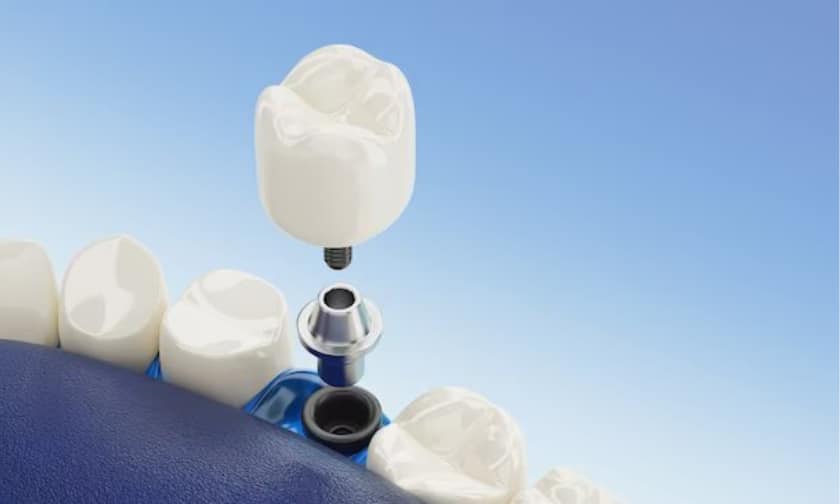
Dental implants are a popular and effective way to replace missing teeth. They are usually made of titanium and are placed in the jawbone where they fuse with the bone over time. This provides a strong foundation for artificial teeth, which are then placed on top of the implants.
Dental implants can be used to replace one or more missing teeth. They are most commonly used to replace front teeth that are visible when you smile, but they can also be used to replace back teeth that are important for chewing.
The success rate for dental implants is high, and they can last for many years with proper care. However, there are some risks associated with dental implants, so it’s important to talk to your dentist about whether this treatment option is right for you.
Benefits of Dental Implants
Dental implants are a great way to improve your smile and oral health. They are also a very effective way to replace missing teeth. There are many benefits of dental implants, including:
- Improved Oral Health: Dental implants help to preserve the natural tooth structure. This helps to maintain the overall health of your mouth and jaw.
- Enhanced Aesthetics: Dental implants look and feel just like your natural teeth. This makes them an excellent option for people who are concerned about their appearance.
- Increased Comfort: Because dental implants are securely anchored in the jawbone, they provide a much more comfortable chewing experience than dentures or bridges.
- Durability: With proper care, dental implants can last a lifetime! This makes them a great investment in your oral health.
- Convenience: Dental implants do not require special care or maintenance beyond regular brushing and flossing.
The Procedure for Getting Dental Implants
When you’re considering dental implants, it’s important to be aware of the entire process – from consultation to post-operative care. Here’s what you can expect when you undergo dental implant surgery:
The first step is to consult with your oral surgeon to see if you’re a good candidate for implants. During this consultation, your surgeon will examine your mouth and jawbone, take X-rays, and review your medical history. If you have any underlying health conditions that could complicate surgery, your surgeon may recommend an alternative treatment.
Once it’s determined that you’re a good candidate for implants, the next step is to prepare for surgery. This usually involves a few visits to the oral surgeon’s office. During these visits, your mouth will be numbed and small titanium posts will be placed in your jawbone. These posts will serve as the foundation for your new teeth.
After the posts have been placed in your jawbone, you will need to wait for them to fuse with the bone (a process called osseointegration). This can take several months. Once the posts are fully fused with the bone, you will return to the oral surgeon’s office for surgery to place the artificial teeth (called crowns) on top of the posts.
After surgery, it is normal to experience some swelling and discomfort. Your oral surgeon will prescribe pain medication to help you manage
Postoperative Care After Having a Dental Implant Placed
After having a dental implant placed, it is important to follow your dentist’s instructions for postoperative care. This typically includes eating soft foods, taking pain medication as needed, and avoiding chewing on the implant site. It is also important to clean the implant site carefully to prevent infection.
Conclusion
Dental implants are a great way to improve the look of your smile and restore the functionality of your teeth. However, it’s important to understand what is involved in getting dental implants so that you can make an informed decision about whether they are right for you. From understanding the different types of implants available, to being aware of potential risks and complications associated with them, taking the time to research all aspects of getting dental implants will help ensure that you make a decision that is best for you.
FAQs
Q: What is a dental implant?
A: A dental implant is an artificial tooth root that is placed into your jaw to hold a replacement tooth or bridge. Dental implants may be an option for people who have lost a tooth or teeth due to periodontal disease, an injury, or some other reason.
Q: How do dental implants work?
A: The dental implant is inserted into the bone socket of the missing tooth. As the jawbone heals, it grows around the implanted metal post, anchoring it securely in the jaw. The healing process usually takes between six and twelve weeks. Once the implant has bonded with the jawbone, a small connector post — called an abutment — is attached to the post to securely hold the new tooth.
Q: Are dental implants safe?
A: Dental implants are considered safe and effective for most people. Complications are rare, but can include infection, damage to nearby teeth, sinus problems, nerve damage, and implant failure. Be sure to discuss any concerns you may have with your dentist before getting dental implants.

by 110 Dental & Orthodontics | Feb 27, 2023 | Root Canal Therapy
Have you ever heard of root canal therapy? It’s a common dental procedure that is used to treat severely damaged or infected teeth. But before you have a root canal, there are some important things you should know – from what it is to how it can benefit your oral health. Read on to find out everything you need to know before having a root canal!
What Is Root Canal Therapy
A root canal is a treatment used to repair and save a tooth that is badly decayed or becomes infected. During a root canal procedure, the nerve and pulp are removed from the tooth, and the inside of the tooth is cleaned and sealed. This procedure helps to relieve pain from an infected tooth. It also prevents further damage to the tooth and keeps it from becoming abscessed.
What Causes a Need for Root Canal Therapy?
There are a few reasons why you might need root canal therapy. The most common reason is because you have an infection in your tooth. This can happen because of decay, an injury, or even gum disease. If the infection isn’t treated, it can spread to other parts of your body and make you very sick. That’s why it’s important to get treatment right away if you think you might have an infection.
Another reason you might need root canal therapy is if your tooth is cracked or damaged. This can happen from an injury or from biting down on something hard. If the damage is severe, your tooth might need to be removed. But sometimes, root canal therapy can save a damaged tooth.
If you have a lot of pain in a tooth, it could be a sign that you need root canal therapy. But it’s not always the case. Sometimes, people who need root canal therapy don’t have any pain at all. So, if you’re experiencing pain in a tooth, it’s important to see a dentist right away to find out what’s causing the pain and whether or not root canal therapy is necessary.
Symptoms of an Infected Tooth that Needs Root Canal Therapy
There are a few symptoms that may indicate you have an infected tooth that needs root canal therapy. These include:
- Severe toothache that doesn’t go away with over-the-counter pain medication
- Increased sensitivity to hot and cold temperatures
- Discoloration of the tooth
- Swollen gums around the affected tooth
If you’re experiencing any of these symptoms, it’s important to see your dentist as soon as possible. They will be able to determine if you need root canal therapy and help relieve your pain.
How is Root Canal Therapy Performed?
The first step of root canal therapy is to access the inside of the tooth. This is done by drilling a small hole through the top of the tooth. Once the hole has been drilled, a small file is used to clean out the inside of the tooth and remove any infected or damaged tissue.
Once the inside of the tooth has been cleaned out, it is sealed with a filling material. This material helps to protect the tooth from future infection. Root canal therapy is usually completed in one or two visits to the dentist.
What Can I Expect After a Root Canal Procedure?
A root canal procedure is usually an outpatient procedure. This means you can go home the same day. You may need a local anesthetic to numb the area around the tooth. Once the anesthesia has taken effect, your dentist will make a small opening in the tooth to reach the pulp chamber. They will then remove the damaged pulp and clean and disinfect the area. In some cases, they may place a temporary filling or crown over the tooth. The final step is to seal the tooth with a permanent filling or crown.
Alternatives to Root Canal Therapy
Root canal therapy is often thought of as the last resort for treating a tooth that is severely decayed or infected. However, there are alternatives to root canal therapy that may be more appropriate for your individual situation. These alternatives include:
- Dental crowns: A dental crown is a cap that covers the entire tooth, restoring it to its original shape and size. Crowns can be made from a variety of materials, including porcelain, ceramic, or metal.
- Dental implants: Dental implants are artificial roots that are placed into the jawbone to support a replacement tooth (or teeth).
- Tooth extractions: In some cases, it may be necessary to remove the damaged or decayed tooth entirely. This can be done through a simple extraction procedure performed by your dentist.
- Bone grafting: If you have lost bone tissue in your jaw due to periodontal disease or another reason, you may need to undergo bone grafting surgery before you can receive dental implants. This procedure involves using donor bone tissue to rebuild the jawbone so that it can support dental implants.
Conclusion
It is important to arm yourself with information and knowledge before you undergo a root canal therapy. This article has aimed to provide you with the facts and details that will help prepare you for this dental procedure. We have shared what it entails, its advantages and disadvantages, how much it costs, as well as the post-operative instructions which include pain management tips. We hope that this guide has been useful in helping you make an informed decision about whether or not a root canal therapy is right for your needs.
FAQs
Q: What is root canal therapy?
A: Root canal therapy is a treatment used to save a tooth that has been severely damaged by decay or injury. The procedure involves removing the damaged tissue from inside the tooth, cleaning and disinfecting the inside of the tooth, and then filling and sealing the tooth.
Q: Why do I need root canal therapy?
A: If you have a tooth that is severely decayed or injured, root canal therapy may be recommended in order to save the tooth. Without treatment, the tooth could eventually die and would need to be removed.
Q: How long does root canal therapy take?
A: The length of time for root canal therapy depends on the severity of the damage to the tooth. In most cases, the procedure can be completed in one or two visits to the dentist.