
by 110 Dental & Orthodontics | Mar 9, 2023 | Cosmetic Dentistry
Are you looking to enhance your smile and achieve that picture-perfect look? Look no further! Cosmetic dentistry has come a long way in recent years, offering a wide range of treatments to help you achieve the confident, radiant smile you’ve always dreamed of. Whether it’s teeth whitening, veneers, or braces, our team of experts has got you covered with these top five cosmetic dentistry tips. So sit back and read on for some easy and effective ways to get that perfect set of pearly whites!
What is Cosmetic Dentistry?
Cosmetic dentistry is a branch of dental care that focuses on improving the appearance of your smile. While traditional dental care focuses on oral health and function, cosmetic dentistry focuses on aesthetics.
There are many different cosmetic dentistry treatments available to help you achieve the smile you’ve always wanted. Some common treatments include teeth whitening, porcelain veneers, and dental implants.
If you’re considering any type of cosmetic dentistry treatment, it’s important to consult with a qualified dentist to ensure that the treatment is right for you.
Benefits of Cosmetic Dentistry
A great smile can make a big difference in your life. Not only will you feel more confident, but you’ll also look more attractive to others. And, according to some studies, smiling can actually make you appear mre trustworthy. If you’re not happy with your smile, cosmetic dentistry can help.
There are many benefits of cosmetic dentistry, including:
- Improved appearance: Cosmetic dentistry can give you the beautiful smile you’ve always wanted. Whether your teeth are stained, chipped, misshapen, or missing, there are procedures that can help.
- Boosted confidence: A great smile can boost your confidence and self-esteem. You’ll feel better about yourself and be more likely to socialize and succeed in work and personal relationships.
- Enhanced oral health: Some cosmetic dental procedures also improve the health of your teeth and gums. For example, tooth whitening can remove staining and discoloration that could lead to cavities or gum disease if left untreated.
- Versatility: There are many different types of cosmetic dental procedures available today, so you can choose the ones that are right for you based on your goals, budget, and timeline.
- Long-lasting results: With proper care, most cosmetic dental treatments can last for years or even decades. This means you can enjoy your new smile for a long time to come!
Types of Cosmetic Procedures
There are many different types of cosmetic dental procedures that can help you achieve a picture-perfect smile. Some of the most common procedures include:
Teeth Whitening: Teeth whitening is one of the most popular cosmetic dental procedures. It can be done in-office by a dentist or at-home with a teeth whitening kit.
Veneers: Veneers are thin, porcelain shells that are bonded to the front surfaces of your teeth. They are used to correct stained, chipped, or misshapen teeth.
Crowns: Crowns are caps that are placed over damaged or misshapen teeth. They can be made from porcelain, ceramic, or metal.
Dental Implants: Dental implants are artificial tooth roots that are placed into your jawbone to support replacement teeth.
Cosmetic Bonding: Cosmetic bonding is a procedure in which composite resin is applied to your teeth and then hardened with a UV light. It can be used to repair chipped, cracked, or stained teeth.
Caring For Teeth After a Cosmetic Procedure
After you have had a cosmetic dental procedure, it is important to take care of your teeth to ensure that the results are long lasting. Here are some tips for caring for your teeth after a cosmetic procedure:
- Brush and floss regularly. This will help to remove any bacteria or food particles that could cause tooth decay or gum disease.
- Avoid foods that are high in sugar or acidity. These can damage the enamel on your teeth and lead to cavities.
- See your dentist for regular checkups and cleanings. This will help to keep your teeth healthy and prevent any problems from developing.
- If you have any questions or concerns, be sure to ask your dentist. They can provide you with specific instructions on how to care for your teeth after a cosmetic procedure.
Best Practices for a Healthy and Beautiful Smile
In order to have a healthy and beautiful smile, it is important to follow some basic tips. First, be sure to brush and floss your teeth regularly. This will help remove plaque and bacteria from your teeth and gums, and will also help prevent cavities. Secondly, be sure to see your dentist for regular checkups and cleanings. This will help ensure that your teeth are healthy and free of any problems. Finally, if you are considering any cosmetic dental procedures, be sure to consult with your dentist first to ensure that they are right for you.
Conclusion
Cosmetic dentistry can be a great way to give yourself the perfect smile. With these five tips in mind, you should be able to find the best way to boost your teeth’s aesthetics and give yourself that million-dollar smile you’ve always wanted. If all else fails, don’t hesitate to contact a professional dental technician who will provide helpful advice and treatment options tailored for your individual needs. Remember – confidence is key when it comes to showing off that beautiful smile!
FAQs
Q: What are the benefits of cosmetic dentistry?
A: Cosmetic dentistry can improve the appearance of your teeth and smile. It can also restore damaged teeth and protect them from further wear and tear.
Q: What are the different types of cosmetic dental procedures?
A: There are many different types of cosmetic dental procedures, including teeth whitening, veneers, bonding, and enamel contouring.
Q: How long do cosmetic dental procedures take?
A: The length of time required for a cosmetic dental procedure depends on the type of procedure being performed. Some procedures, such as teeth whitening, can be completed in just one visit to the dentist. Other procedures, such as veneers, may require multiple visits.
Q: How much do cosmetic dental procedures cost?
A: The cost of cosmetic dental procedures varies depending on the type of procedure being performed and the dentist you choose. Be sure to ask about payment options and insurance coverage before scheduling your appointment.
by 110 Dental & Orthodontics | Mar 3, 2023 | Dental Implants
Are you tired of dealing with missing or damaged teeth? Do you want to know more about dental implants and how they can improve your oral health and appearance? Look no further! In this blog post, we’ll cover everything you need to know about dental implants, from the benefits and types available to the process of getting them. Say goodbye to discomfort, self-consciousness, and inconvenience – read on for all the details on this life-changing dental solution!
What are Dental Implants?
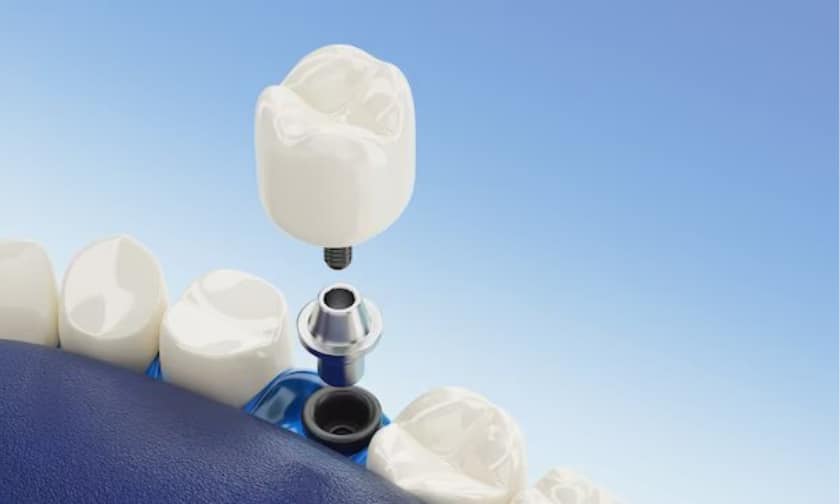
Dental implants are a popular and effective way to replace missing teeth. They are usually made of titanium and are placed in the jawbone where they fuse with the bone over time. This provides a strong foundation for artificial teeth, which are then placed on top of the implants.
Dental implants can be used to replace one or more missing teeth. They are most commonly used to replace front teeth that are visible when you smile, but they can also be used to replace back teeth that are important for chewing.
The success rate for dental implants is high, and they can last for many years with proper care. However, there are some risks associated with dental implants, so it’s important to talk to your dentist about whether this treatment option is right for you.
Benefits of Dental Implants
Dental implants are a great way to improve your smile and oral health. They are also a very effective way to replace missing teeth. There are many benefits of dental implants, including:
- Improved Oral Health: Dental implants help to preserve the natural tooth structure. This helps to maintain the overall health of your mouth and jaw.
- Enhanced Aesthetics: Dental implants look and feel just like your natural teeth. This makes them an excellent option for people who are concerned about their appearance.
- Increased Comfort: Because dental implants are securely anchored in the jawbone, they provide a much more comfortable chewing experience than dentures or bridges.
- Durability: With proper care, dental implants can last a lifetime! This makes them a great investment in your oral health.
- Convenience: Dental implants do not require special care or maintenance beyond regular brushing and flossing.
The Procedure for Getting Dental Implants
When you’re considering dental implants, it’s important to be aware of the entire process – from consultation to post-operative care. Here’s what you can expect when you undergo dental implant surgery:
The first step is to consult with your oral surgeon to see if you’re a good candidate for implants. During this consultation, your surgeon will examine your mouth and jawbone, take X-rays, and review your medical history. If you have any underlying health conditions that could complicate surgery, your surgeon may recommend an alternative treatment.
Once it’s determined that you’re a good candidate for implants, the next step is to prepare for surgery. This usually involves a few visits to the oral surgeon’s office. During these visits, your mouth will be numbed and small titanium posts will be placed in your jawbone. These posts will serve as the foundation for your new teeth.
After the posts have been placed in your jawbone, you will need to wait for them to fuse with the bone (a process called osseointegration). This can take several months. Once the posts are fully fused with the bone, you will return to the oral surgeon’s office for surgery to place the artificial teeth (called crowns) on top of the posts.
After surgery, it is normal to experience some swelling and discomfort. Your oral surgeon will prescribe pain medication to help you manage
Postoperative Care After Having a Dental Implant Placed
After having a dental implant placed, it is important to follow your dentist’s instructions for postoperative care. This typically includes eating soft foods, taking pain medication as needed, and avoiding chewing on the implant site. It is also important to clean the implant site carefully to prevent infection.
Conclusion
Dental implants are a great way to improve the look of your smile and restore the functionality of your teeth. However, it’s important to understand what is involved in getting dental implants so that you can make an informed decision about whether they are right for you. From understanding the different types of implants available, to being aware of potential risks and complications associated with them, taking the time to research all aspects of getting dental implants will help ensure that you make a decision that is best for you.
FAQs
Q: What is a dental implant?
A: A dental implant is an artificial tooth root that is placed into your jaw to hold a replacement tooth or bridge. Dental implants may be an option for people who have lost a tooth or teeth due to periodontal disease, an injury, or some other reason.
Q: How do dental implants work?
A: The dental implant is inserted into the bone socket of the missing tooth. As the jawbone heals, it grows around the implanted metal post, anchoring it securely in the jaw. The healing process usually takes between six and twelve weeks. Once the implant has bonded with the jawbone, a small connector post — called an abutment — is attached to the post to securely hold the new tooth.
Q: Are dental implants safe?
A: Dental implants are considered safe and effective for most people. Complications are rare, but can include infection, damage to nearby teeth, sinus problems, nerve damage, and implant failure. Be sure to discuss any concerns you may have with your dentist before getting dental implants.
by 110 Dental & Orthodontics | Feb 27, 2023 | Root Canal Therapy
Have you ever heard of root canal therapy? It’s a common dental procedure that is used to treat severely damaged or infected teeth. But before you have a root canal, there are some important things you should know – from what it is to how it can benefit your oral health. Read on to find out everything you need to know before having a root canal!
What Is Root Canal Therapy
A root canal is a treatment used to repair and save a tooth that is badly decayed or becomes infected. During a root canal procedure, the nerve and pulp are removed from the tooth, and the inside of the tooth is cleaned and sealed. This procedure helps to relieve pain from an infected tooth. It also prevents further damage to the tooth and keeps it from becoming abscessed.
What Causes a Need for Root Canal Therapy?
There are a few reasons why you might need root canal therapy. The most common reason is because you have an infection in your tooth. This can happen because of decay, an injury, or even gum disease. If the infection isn’t treated, it can spread to other parts of your body and make you very sick. That’s why it’s important to get treatment right away if you think you might have an infection.
Another reason you might need root canal therapy is if your tooth is cracked or damaged. This can happen from an injury or from biting down on something hard. If the damage is severe, your tooth might need to be removed. But sometimes, root canal therapy can save a damaged tooth.
If you have a lot of pain in a tooth, it could be a sign that you need root canal therapy. But it’s not always the case. Sometimes, people who need root canal therapy don’t have any pain at all. So, if you’re experiencing pain in a tooth, it’s important to see a dentist right away to find out what’s causing the pain and whether or not root canal therapy is necessary.
Symptoms of an Infected Tooth that Needs Root Canal Therapy
There are a few symptoms that may indicate you have an infected tooth that needs root canal therapy. These include:
- Severe toothache that doesn’t go away with over-the-counter pain medication
- Increased sensitivity to hot and cold temperatures
- Discoloration of the tooth
- Swollen gums around the affected tooth
If you’re experiencing any of these symptoms, it’s important to see your dentist as soon as possible. They will be able to determine if you need root canal therapy and help relieve your pain.
How is Root Canal Therapy Performed?
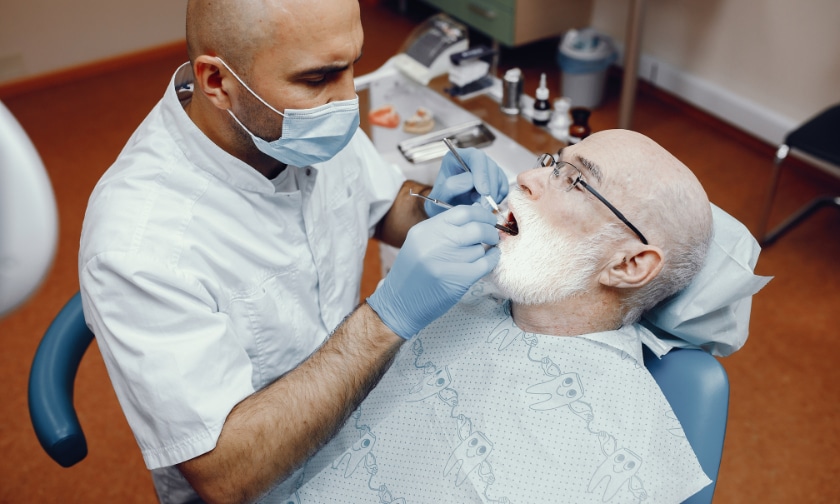
The first step of root canal therapy is to access the inside of the tooth. This is done by drilling a small hole through the top of the tooth. Once the hole has been drilled, a small file is used to clean out the inside of the tooth and remove any infected or damaged tissue.
Once the inside of the tooth has been cleaned out, it is sealed with a filling material. This material helps to protect the tooth from future infection. Root canal therapy is usually completed in one or two visits to the dentist.
What Can I Expect After a Root Canal Procedure?
A root canal procedure is usually an outpatient procedure. This means you can go home the same day. You may need a local anesthetic to numb the area around the tooth. Once the anesthesia has taken effect, your dentist will make a small opening in the tooth to reach the pulp chamber. They will then remove the damaged pulp and clean and disinfect the area. In some cases, they may place a temporary filling or crown over the tooth. The final step is to seal the tooth with a permanent filling or crown.
Alternatives to Root Canal Therapy
Root canal therapy is often thought of as the last resort for treating a tooth that is severely decayed or infected. However, there are alternatives to root canal therapy that may be more appropriate for your individual situation. These alternatives include:
- Dental crowns: A dental crown is a cap that covers the entire tooth, restoring it to its original shape and size. Crowns can be made from a variety of materials, including porcelain, ceramic, or metal.
- Dental implants: Dental implants are artificial roots that are placed into the jawbone to support a replacement tooth (or teeth).
- Tooth extractions: In some cases, it may be necessary to remove the damaged or decayed tooth entirely. This can be done through a simple extraction procedure performed by your dentist.
- Bone grafting: If you have lost bone tissue in your jaw due to periodontal disease or another reason, you may need to undergo bone grafting surgery before you can receive dental implants. This procedure involves using donor bone tissue to rebuild the jawbone so that it can support dental implants.
Conclusion
It is important to arm yourself with information and knowledge before you undergo a root canal therapy. This article has aimed to provide you with the facts and details that will help prepare you for this dental procedure. We have shared what it entails, its advantages and disadvantages, how much it costs, as well as the post-operative instructions which include pain management tips. We hope that this guide has been useful in helping you make an informed decision about whether or not a root canal therapy is right for your needs.
FAQs
Q: What is root canal therapy?
A: Root canal therapy is a treatment used to save a tooth that has been severely damaged by decay or injury. The procedure involves removing the damaged tissue from inside the tooth, cleaning and disinfecting the inside of the tooth, and then filling and sealing the tooth.
Q: Why do I need root canal therapy?
A: If you have a tooth that is severely decayed or injured, root canal therapy may be recommended in order to save the tooth. Without treatment, the tooth could eventually die and would need to be removed.
Q: How long does root canal therapy take?
A: The length of time for root canal therapy depends on the severity of the damage to the tooth. In most cases, the procedure can be completed in one or two visits to the dentist.

by 110 Dental & Orthodontics | Feb 22, 2023 | Emergency Dental Care
Accidents happen, and sometimes that accident can end up leaving you with a missing tooth. If this happens to you, you may be wondering what the best course of action is – don’t worry! In this article, we’ll discuss what you should do if you get your teeth knocked out so that you can get back to smiling with confidence in no time.
If you’re lucky enough to have all your teeth, you don’t think about what could happen if they were knocked out. Unfortunately, accidents happen and teeth can get knocked out. If this happens to you, it’s important to know what to do.
First, try to find the tooth. If you can’t find it, don’t worry – it’s not essential for re-implanted teeth to be in perfect condition. Rinse the tooth off if it’s dirty, but don’t scrub it or remove any tissue that’s attached to it.
If possible, gently insert the tooth back into its socket. If that isn’t possible, put the tooth in a cup of milk (or saliva if milk isn’t available). This will help keep the tooth alive and increase the chances of successful re-implantation.
Get to a dentist or hospital as soon as possible – within 30 minutes is ideal. The sooner you get treatment, the better your chances are of saving the tooth.
Symptoms of Teeth Knocked Out
If you have a tooth knocked out, it’s important to act fast. The faster you get medical attention, the better your chances are of saving the tooth.
Symptoms of a tooth being knocked out include:
- -Severe pain at the site of the injury
- -Bleeding from the mouth
- -Swelling around the mouth and jaw
- -A visible gap where the tooth was knocked out
If you experience any of these symptoms after an injury to the mouth, see a dentist or oral surgeon as soon as possible.
First Aid for Teeth Knocked Out
If you have a tooth knocked out, it is important to seek professional dental care as soon as possible. In the meantime, there are a few things you can do to try and save the tooth.
First, find the tooth and pick it up by the crown, or top part of the tooth. If you can, avoid touching the root of the tooth as this can damage it. Once you have located the tooth, gently rinse it off with water. Be sure not to scrub it or use any soap, as this can also damage the tooth.
If possible, try to insert the tooth back into its socket. If this is not possible, place the tooth in a cup of milk or water with a pinch of salt added in order to keep it moist.
Again, it is important to seek professional dental care as soon as possible when you have a tooth knocked out. However, following these steps may help increase your chances of saving the tooth.
When to See a Dentist
If you have a tooth knocked out, it is important to see a dentist as soon as possible. If you wait too long, the tooth may not be able to be saved.
Tips for Prevention and Management
If you are involved in any type of sport or activity where there is a potential for your teeth to be knocked out, it is important to take precautions to prevent this from happening. Always wear a mouthguard when participating in activities where there is a risk of impact to the face. If you experience a blow to the head or face that results in a tooth being knocked out, it is important to seek medical attention immediately. Rinse your mouth with warm water and apply pressure to any bleeding. If possible, find the tooth and try to insert it back into the socket. If this is not possible, place the tooth in a cup of milk or salt water. Seek medical attention as soon as possible so that your dentist can assess the damage and determine if you need further treatment.
Conclusion
Losing teeth can be a traumatic experience, but thankfully there are steps you can take to help minimize the damage and get your mouth back in working order. By following the tips outlined above, such as contacting an emergency dentist and storing any knocked out teeth correctly, you can be sure that your teeth will receive the best possible care. Remember to stay calm and contact a professional for help if necessary – it is always better than trying to fix things yourself!
FAQs
Q: What should I do if I knock out my tooth?
A: If you have knocked out your tooth, the first thing you should do is try to find the tooth. Once you have found the tooth, hold it by the crown (the white part) and not by the root. If the root is dirty, gently rinse it with water but do not scrub it or remove any tissue attached to it. Try to reinsert the tooth in its socket. If that isn’t possible, place the tooth in a cup of milk or water with a pinch of salt added. Then, immediately call your dentist or go to an emergency dental clinic.
Q: What should I do if my child knocks out their tooth?
A: If your child has knocked out their tooth, again try to find the tooth. Once you have found the tooth, have your child hold it by the crown (the white part) and not by the root as dirty roots can damage gum tissue. If the root is dirty, gently rinse it with water but do not scrub it or remove any tissue attached to it. If possible, help your child reinsert their own tooth in its socket but if that isn’t possible then place the tooth in a cup of milk or water with a pinch of salt added before taking them straight to see their dentist

by 110 Dental & Orthodontics | Feb 15, 2023 | Dental Implants
Dental implants are becoming increasingly popular and for good reason. From restoring functionality and aesthetic appeal to reducing the risk of further damage, there are countless reasons to consider getting dental implants. In this article, we’ll break down five reasons why you should take the plunge and get your dental implants done today.
What are Dental Implants?
Dental implants are a great way to improve your smile and confidence. They are also a very effective way to replace missing teeth. Dental implants are titanium posts that are surgically placed into the jawbone to act as replacement tooth roots. Once in place, they allow your dentist to securely attach artificial teeth.
Dental implants offer many benefits over other tooth replacement options. They are strong and durable, they look and feel like natural teeth, and they allow you to eat and speak normally. Additionally, dental implants help preserve the health of your remaining natural teeth by taking on the force of chewing instead of your other teeth.
If you are considering dental implants, be sure to consult with a qualified implant dentist to see if they are right for you.
Improved Appearance
Dental implants are the closest thing to natural teeth. They are permanently fixed in your mouth and look and feel like your own teeth.
When you have dental implants, people will not be able to tell that you have them. Your smile will look natural and you will be able to eat and speak without any problems.
Dental implants can give you back your confidence. You will no longer have to worry about your teeth falling out or being embarrassed by your smile.
Easier Eating
If you have ever had braces, you know how difficult it can be to eat with them. Food gets stuck in the brackets and wires, and it can be very painful to try to chew. Dental implants don’t have this problem because they are implanted directly into your jawbone. They function just like your natural teeth, so you can eat whatever you want without any pain or discomfort.
Improved Self Confidence
When you have gaps in your smile, it can be difficult to feel confident in your appearance. Dental implants can help to restore your confidence by filling in those gaps and giving you a full, healthy-looking smile. With dental implants, you’ll be able to smile with confidence, knowing that your teeth look great.
Long Term Solution
If you are looking for a long-term solution to your dental needs, then implants are the way to go. Implants are designed to last a lifetime, and with proper care, they can. This makes them a great investment for your oral health.
Reduced Risk of Tooth Decay and Gum Disease
When you have dental implants, you no longer have to worry about the risks of tooth decay and gum disease. Dental implants are made of titanium, which is a material that is resistant to both decay and gum disease. This means that you can enjoy your food without worrying about damaging your teeth or gums.
Conclusion
Dental implants are a great way to replace missing teeth and restore the look of your smile. They can also help you maintain strong, healthy teeth and gums for years to come. With so many benefits, it’s easy to see why dental implants are becoming increasingly popular. If you need more information on this procedure or would like to find out if it’s right for you, be sure to talk to your dentist at your next appointment!
FAQs
Q: What are dental implants?
A: Dental implants are metal posts or frames that are surgically placed into your jawbone under your gums. Once in place, they allow your dentist to securely attach replacement teeth or a bridge.
Q: How long do dental implants last?
A: With proper care, most dental implants can last a lifetime.
Q: Are dental implants expensive?
A: The cost of dental implants varies depending on the number of teeth being replaced and the complexity of the procedure. However, they are generally more expensive than other tooth replacement options such as dentures or bridges.
Q: Do dental implants hurt?
A: The placement of dental implants is a surgical procedure that is usually performed under local anesthesia. This means you should not feel any pain during the procedure itself. However, you may experience some discomfort and swelling afterwards, which can be controlled with pain medication prescribed by your dentist.
Q: How long does it take to get dental implants?
A: The time it takes to get dental implants depends on the individual case and the number of teeth being replaced. It typically takes several months from start to finish, with multiple appointments required for surgery, healing, and attaching the replacement teeth.
