by 110 Dental & Orthodontics | Jan 13, 2023 | Crowns
Do you want to restore the look of your smile with dental crowns? Many people turn to dental crowns when they’re looking to repair damaged, decayed, or discolored teeth. Dental crowns can also be used to support dental bridges, cover implants, and protect weak teeth from breaking. Dental crowns can greatly improve the look of your smile in a very short amount of time.
But not everyone is an ideal candidate for dental crowns. In this article, we will discuss who is eligible for a dental crown procedure and what to expect throughout the process.
What Are Dental Crowns?
Dental crowns are hollow, tooth-shaped caps that cover the entire visible part of your teeth. Dental crowns are typically made from porcelain or ceramic and can be custom-made to match the color of your natural teeth. Dental crowns can be used to restore the shape, size, and strength of a damaged or decayed tooth. Dental crowns can also be used to protect weak teeth from breaking.
Who Is an Ideal Candidate for Dental Crowns?
Generally, if you have severely decayed, chipped, cracked, or misshapen teeth, you are a good candidate for dental crowns. Dental crowns can also be used to protect weak teeth from breaking. Dental crowns can be used to restore the look of a damaged tooth, making it look and feel just like your original tooth. Dental crowns can also be used to support dental bridges or cover dental implants.
The Dental Crown Procedure
The dental crown procedure typically takes two visits to complete. During the first visit, your dentist will examine your teeth and gums to make sure you are a good candidate for dental crowns. Your dentist may also take x-rays to ensure that the tooth is healthy and that there is no underlying decay.
Next, your dentist will prepare the tooth for a crown by removing any damaged or decayed portions of the tooth. Then an impression of your teeth will be taken so that a custom-fitted dental crown can be created in a lab. During this time, you may receive a temporary crown to protect the prepared tooth until your permanent crown is ready.
On the second visit, your dentist will remove the temporary crown and replace it with a permanent dental crown. Your dentist may also adjust the fit and size of the dental crown to ensure a comfortable fit in your mouth.
Dental crowns can be an effective way to restore the look of a damaged or decayed tooth. Dental crowns can also be used to protect weak teeth from breaking and support dental bridges and implants. However, not everyone is an ideal candidate for dental crowns. If you’re considering getting a dental crown, speak with your dentist to make sure that it’s the right choice for you.
FAQs
Q: How long does a dental crown last?
A: Dental crowns can last for many years with proper care and maintenance. The average lifespan of a dental crown is 5-15 years, depending on the type of material used to make it.
Q: Are dental crowns painful?
A: Dental crowns are not usually painful. Your dentist will numb the area before getting started to help make the procedure more comfortable. You may experience some discomfort afterward, but this should subside with time.
Q: How often do I need to have my dental crown checked?
A: Dental crowns should be checked by your dentist once a year to ensure that they are still in good condition. Your dentist may also recommend periodic cleanings and x-rays to monitor the health of the tooth underneath the dental crown.

by 110 Dental & Orthodontics | Jan 10, 2023 | Invisalign
If you are considering Invisalign to straighten your teeth, you’re making the right decision. Invisalign is a revolutionary orthodontic treatment that uses custom-made aligners to help shift your teeth into the desired position. In this article, we will discuss why Invisalign is such an excellent choice for correcting your teeth’s alignment. Invisalign is a great solution for people who are self-conscious about their appearance and do not want to have to wear traditional metal braces. From its convenience, esthetic appeal, comfort, and affordability; Invisalign is an ideal orthodontic solution that can help you get the smile you want.
Invisalign is Convenient
One of Invisalign’s greatest advantages over traditional braces is its convenience. Invisalign aligners are made to fit your teeth snugly, meaning you can easily remove them when necessary. This allows you to brush and floss your teeth as normal while still undergoing orthodontic treatment. Traditional braces, on the other hand, require special tools for cleaning and can make brushing and flossing difficult. In addition, Invisalign aligners are made of a thin, clear plastic that is barely visible when worn. This means you don’t have to worry about your smile being marred by metal brackets or wires while undergoing treatment. Invisalign also requires fewer visits to the orthodontist, as aligners are typically changed out every two weeks.
Invisalign is Removable
Invisalign aligners can be removed at any time and for any reason, which makes it much more convenient than traditional braces. This means you can eat whatever you want without worrying about food getting stuck in the metal wires or brackets. In addition, Invisalign aligners are designed to be easily removed for cleaning and other activities such as brushing and flossing your teeth.
Invisalign is Discreet
Invisalign’s clear aligners are barely noticeable when worn and are much less visible than traditional metal braces. In addition, Invisalign aligners can be removed for special occasions such as weddings or job interviews. With Invisalign, you don’t have to worry about having a mouth full of metal at important events.
Invisalign is Comfortable
Invisalign aligners are made of a thin plastic material that is designed to be comfortable when worn. In contrast, traditional metal braces can be uncomfortable and may cause mouth sores or cuts in the mouth and lips. In addition, Invisalign aligners apply pressure evenly over the entire arch of your teeth as opposed to traditional braces, which often apply pressure in areas that are difficult to reach with a toothbrush or floss. This means Invisalign aligners can help keep your teeth and gums healthy during treatment.
Invisalign is Aesthetic
In addition to being more convenient than traditional metal braces, Invisalign’s clear aligners are also more aesthetically pleasing. Invisalign’s clear plastic aligners blend in with your teeth, making it less noticeable to others. In addition, Invisalign can be customized with different colors and designs to match your personal style. This makes Invisalign a great choice for people who want to make a fashion statement with their smile
Invisalign is Customizable
Invisalign aligners can be customized to fit your individual needs, meaning you don’t have to worry about having metal braces that are too big or too small. In addition, Invisalign offers a variety of different colors and designs so you can make your Invisalign aligners as unique or subtle as you’d like.
Invisalign is Quick
Invisalign treatment typically takes between six and eighteen months, which is much faster than traditional braces. In addition, Invisalign aligners are designed to be worn for two weeks at a time, which means you don’t have to worry about having frequent orthodontic appointments. In contrast, traditional metal braces require more frequent adjustments and may take up to three years or more for the treatment to be completed.
Invisalign is Cost-Effective
Invisalign is typically more affordable than traditional metal braces. In addition, Invisalign offers payment plans and financing options to make it easier for people to afford the treatment. In contrast, traditional metal braces often require a large up-front payment that may be difficult for some families to pay.
In conclusion, Invisalign is an excellent choice for those who are looking to straighten their teeth without having to undergo traditional metal braces. Invisalign offers a variety of advantages such as being removable, discreet, comfortable, aesthetic, customizable, quick and cost-effective. In addition, Invisalign also requires fewer visits to the orthodontist than traditional braces. If you’re looking for a straight and beautiful smile, Invisalign may be the perfect choice for you.
FAQs:
Q: How long does Invisalign treatment typically take?
A: Invisalign treatment typically takes between six and eighteen months. In contrast, traditional metal braces often take up to three years or more for the treatment to be completed.
Q: Is Invisalign more affordable than traditional metal braces?
A: Invisalign is typically more affordable than traditional metal braces and offers payment plans and financing options to make it easier for people to afford the treatment.
Q: Can Invisalign aligners be customized?
A: Yes, Invisalign aligners can be customized to fit your individual needs and Invisalign also offers a variety of different colors and designs so you can make your Invisalign aligners as unique or subtle as you’d like.

by 110 Dental & Orthodontics | Jan 3, 2023 | Cosmetic Dentistry
Are you considering enhancing your smile? If so, cosmetic dentistry may be the answer. Cosmetic dentistry is the art and science of changing the appearance of a person’s teeth with treatments such as veneers, crowns, bridges, implants and whitening. There are many reasons why someone might consider this type of dental work. Here are the top five reasons why you may need cosmetic dentistry.
Having a beautiful smile can make you feel more confident and attractive, but if your teeth aren’t straight or white enough, it can be difficult to feel proud of them. Cosmetic dentistry can help restore your teeth to their natural beauty, allowing you to feel more confident and proud of your smile. Whether you want to whiten, straighten, or fill gaps between teeth, cosmetic dentistry can help achieve the look you desire.
Repair Damaged Teeth
One of the most common reasons for seeking out cosmetic dentistry is to repair teeth that have been damaged due to injury, decay or wear and tear. Dental crowns, veneers and bridges are all treatments that can help restore the look of your damaged teeth. Crowns typically cover the entire visible portion of a tooth, while veneers are thin shells that cover only the front surface of the tooth. Bridges are used to fill in gaps where a tooth has been lost.
Crowns
A crown is a dental restoration that covers the entire visible portion of a tooth above the gum line. Crowns are typically recommended for teeth that have been severely damaged or decayed and cannot be restored with fillings alone. They can also be used to help strengthen a tooth that has been weakened by large fillings.
Veneers
Veneers are thin shells of porcelain or composite material that cover the front surface of a tooth. They can be used to help restore the look of chipped, cracked or discolored teeth and can even be used to improve the appearance of small gaps between teeth.
Bridges
A dental bridge is a dental restoration used to fill in gaps where one or more teeth are missing. A bridge consists of two crowns with artificial teeth (known as pontics) in between. The crowns are placed over the adjacent healthy teeth, while the pontics fill the gap created by the missing teeth.
Straighten Teeth
Crooked or overlapping teeth can make you feel self-conscious and may even prevent you from smiling in public. Fortunately, cosmetic dentistry offers a number of treatments that can help straighten your teeth and give you a more attractive smile. Orthodontic treatments, such as braces and clear aligners, are typically used to help straighten teeth.
Braces
Braces use brackets and wires to exert gentle pressure on the teeth over time in order to gradually shift them into the desired position. They can be used to treat a variety of orthodontic issues, including crooked and misaligned teeth, overbite and underbite.
Clear Aligners
Clear aligners are an alternative to traditional braces that use a series of clear, removable trays to gradually shift the teeth into the desired position. The trays are custom-made for each patient and can be removed for eating and cleaning.
Replace Missing Teeth
Missing teeth can cause more than just an aesthetic concern; they can also affect your dental health by making it difficult to chew food properly or speak clearly. Fortunately, cosmetic dentistry offers a number of treatments that can help replace missing teeth and restore the look of your smile. Treatments such as dental implants, dentures and bridges can all be used to replace missing teeth.
Dental Implants
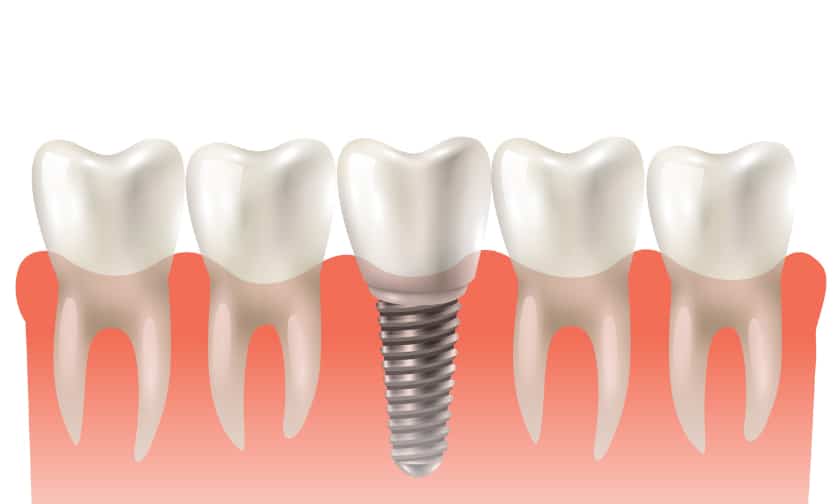
A dental implant is a titanium post that is surgically implanted into the jawbone in order to replace a missing tooth. An artificial tooth (known as a crown) is then attached to the post in order to restore the look of your smile.
Dentures
Dentures are removable prosthetic appliances that replace missing teeth and surrounding gum tissue. They can be used to replace a full arch of missing teeth or just one tooth. Dentures typically consist of an acrylic base with artificial teeth attached.
Cosmetic dentistry enhances damaged, decayed, or missing teeth, improving your smile’s attractiveness.. Whether you’re looking to replace missing teeth, straighten crooked teeth or restore the look of chipped or discolored teeth, there’s sure to be a treatment option that can help you achieve the smile of your dreams.
FAQs
Q: How long does cosmetic dentistry take?
A: The amount of time it takes to complete a cosmetic dentistry treatment will vary depending on the type of treatment and how many teeth are being treated. Some treatments, such as veneers, can be completed in one to two appointments, while more complex treatments, such as braces and dental implants, may require multiple appointments spread out over several months.
Q: Is cosmetic dentistry only for aesthetic purposes?
A: While cosmetic dentistry can certainly help improve the look of your smile, some treatments also provide additional benefits. For example, orthodontic treatments not only help straighten the teeth but also improve your bite and reduce the risk of dental problems.
Q: How much does cosmetic dentistry cost?
A: The cost of cosmetic dentistry will vary depending on the type of treatment and how extensive it is. Most treatments are considered elective, so they may not be covered by traditional dental insurance plans. It’s important to speak with your dentist about the estimated cost of treatment before beginning any procedure.
by 110 Dental & Orthodontics | Jan 2, 2023 | Dental Implants
Are you considering getting a dental implant? Implant dentistry is a field of dentistry that has become increasingly popular in recent years, as it provides an effective way to replace missing or damaged teeth. Implant dentists are trained professionals who specialize in the placement and restoration of dental implants. In this article, we will be discussing what you need to know about dental implants before getting one. We’ll cover the basics of implant dentistry, the different types of implants available, how they work, potential risks and complications associated with them, and answer some common questions about implant treatments.
Implant Dentistry Basics
Implant dentistry is a form of restorative dentistry which involves restoring lost or damaged teeth with artificial substitutes. Implant dentists are dental professionals who specialize in the placement and restoration of implants. Implant dentistry can be used to replace a single tooth, multiple teeth, or an entire set of teeth. Implant dentists use a variety of methods to ensure that the implant is securely attached to the patient’s jawbone and gums.
Types of Implants
There are two primary types of dental implants available: endosseous implants and subperiosteal implants. Endosseous (root form) implants are designed to mimic the root structure of natural teeth and are surgically placed into the jawbone. Subperiosteal implants, on the other hand, are placed on top of the jawbone and use metal posts to hold the implant in place.
Implant Procedure
The implant procedure typically involves several stages, including examination, preparation, placement and restoration. During the examination stage, your dental professional will assess your oral health and discuss potential risks associated with implant treatments. They may also take X-rays or CT scans of your mouth to evaluate the structure of your jawbone. The next step is preparation, which includes cleaning and shaping the area where the implant will be placed. Implant placement is a surgical procedure that requires anesthesia to minimize discomfort. Your dentist will then attach a post to the implant before covering it with a protective material such as bone grafting material or tissue. Implant restoration is the final step, which typically includes placing a crown or bridge on top of the implant to complete the restoration.
Risks and Complications
As with any medical procedure, there are potential risks and complications associated with dental implants. These may include infection, nerve damage, sinus problems, bone loss in the jawbone and rejection of the implant by your body. Your dentist will be able to discuss these risks with you in greater detail before proceeding with the implant treatment.
Implant Care and Maintenance
Once your implant is placed, it is important to take proper care of it to ensure its longevity and function. It’s important to brush twice daily and floss at least once per day. Additionally, you should visit your dentist regularly for routine checkups and cleanings to ensure that the implant is healthy and functioning properly.
Cleaning Implant Teeth
Cleaning implant teeth is similar to cleaning natural teeth; however, it is important to use special care when flossing around the implant as the threads of the post can become damaged or loosened if not handled with care. Your dentist may recommend a special type of interdental brush designed specifically for cleaning implants. In addition, certain products such as water flossers and ultrasonic cleaners can also be used for effective cleaning of implants.
Implant-friendly Diet
In addition to proper cleaning, it’s important to maintain a healthy diet to keep your implant strong and healthy. Implant-friendly foods such as lean proteins, fresh fruits and vegetables, whole grains and dairy products can help ensure optimal dental health. Avoiding hard or sticky foods such as candy and nuts is also important, as these can damage the implant or loosen the post.
Regular Checkups
Visiting your dentist regularly for checkups is just as important for implants as it is for natural teeth. During these visits, your dentist will inspect the condition of the implant and make any necessary adjustments to ensure that it remains in good condition. If any problems are detected early on, they can be addressed quickly before they become more serious.
Dental implants are a great option for those seeking to replace missing teeth. Implant dentistry has advanced significantly over the years, making it a safe and effective treatment that can provide long-term results. The procedure itself may involve several stages and carries certain potential risks; however, proper care and maintenance of your implants can help ensure their durability and longevity. Your dentist will be able to provide you with more information about implants and discuss any concerns you may have prior to starting treatment.
FAQs
Q: Can dental implants last a lifetime?
A: With proper care and maintenance, dental implants can last many years or even a lifetime in some cases. However, periodic checkups with your dentist are important to ensure that the implant is functioning properly and to make any necessary adjustments.
Q: How long does it take for a dental implant to heal?
A: Healing time varies from person to person; however, on average, it takes about 3-6 months for a dental implant to fully heal and integrate with the surrounding bone. Your dentist will be able to provide you with more information regarding healing times specific to your case.
Q: Are there any foods I should avoid after getting an implant?
A: To protect the integrity of your implant, it’s best to avoid hard or sticky foods such as candy and nuts. It’s also important to maintain a healthy diet, including lean proteins, fresh fruits and vegetables, whole grains, and dairy products.

by 110 Dental & Orthodontics | Dec 2, 2022 | Emergency Dental Care
Did you chip or knock out your tooth? Are you suffering from a throbbing toothache? In such situations, it is necessary to get immediate dental care by visiting the emergency dentist in Whitehouse to save and restore your tooth. Emergency dentists can treat a wide range of dental issues and are trained to handle a variety of dental emergencies like chipped, cracked, or knocked-out teeth.
Who Is An Emergency Dentist?
Emergency dentists are qualified and trained professionals that deal with emergency dental issues. They provide treatments quickly and ensure your teeth can be restored quickly. If you are facing a dental emergency, you should contact an emergency dentist as soon as possible for the best chances of saving your tooth. The following are things you can expect from emergency dentists.
1. Quick Appointments
A dental emergency can occur anytime, anywhere, and emergency dentists are trained to handle such dental issues and provide immediate care for their patients. A dental emergency requires prompt treatment to prevent the situation from getting worse or causing tooth loss. Dental emergencies cannot be delayed for the next few days. The emergency dentist or the dental team should also give you first aid instructions for the best chances of saving your tooth. You should select a dental office that offers same-day appointments and offers quick treatments to provide you with relief.
2. An Emergency Dental Exam
Once you visit the dental office, you should receive a thorough dental examination. The emergency dentist should take X-rays and find out the extent of the damage. They should also ask you about your medical history and current medications to create an ideal treatment plan. A good emergency dentist in Whitehouse will quickly examine your condition and find out the underlying cause of the pain. With state-of-the-art technology, you will receive immediate treatment and quick relief.
3. Dental Sedation
A dental emergency can be painful and traumatic, which is why the dentist should provide you with sedation to relieve your pain and help you relax. Before starting the treatment, the dentist will numb the affected area to prevent pain. Dental Sedation may or may not be used depending on the severity of your condition or the extent of your pain.
4. Treatment
The best emergency dentist in Whitehouse can handle a variety of emergency dental issues and provide customized care for their patients and work quickly to save their teeth. They should also be qualified to handle different dental issues and provide the necessary treatment. The following are the most common dental emergencies that a good emergency dentist will be able to handle.
- Knocked out teeth
- Loose teeth
- Broken or cracked teeth
- A severe toothache
- Swelling in your mouth
5. Aftercare & Follow-Up Visits
Once you get the necessary treatment to restore your tooth, the emergency dentist and the dental team will provide you with tips on aftercare and recovery. They can also help you through the recovery process to ensure a successful restoration. They should also help you schedule your next appointment to Monitor your oral condition and ensure your teeth are healthy and strong.
How To Prevent Dental Emergencies?
- Wear a mouthguard.
- Visit the dentist once every six months for regular dental check-ups and cleanings.
- Brush and floss every day.
- Avoid using your teeth other than their intended purpose, i.e., chewing.
- Avoid biting down on hard objects and foods.
Restore Your Smile With The Help Of An Emergency Dentist.
Dental emergencies can be painful, and if left untreated, they can negatively affect your oral and physical health. If you are suffering from a dental emergency, make sure to get quick relief with the best emergency dentistry in Whitehouse. The emergency dentist and his dental team are always there to help you out.