Are you tired of dealing with missing or damaged teeth? Do you want to know more about dental implants and how they can improve your oral health and appearance? Look no further! In this blog post, we’ll cover everything you need to know about dental implants, from the benefits and types available to the process of getting them. Say goodbye to discomfort, self-consciousness, and inconvenience – read on for all the details on this life-changing dental solution!
What are Dental Implants?
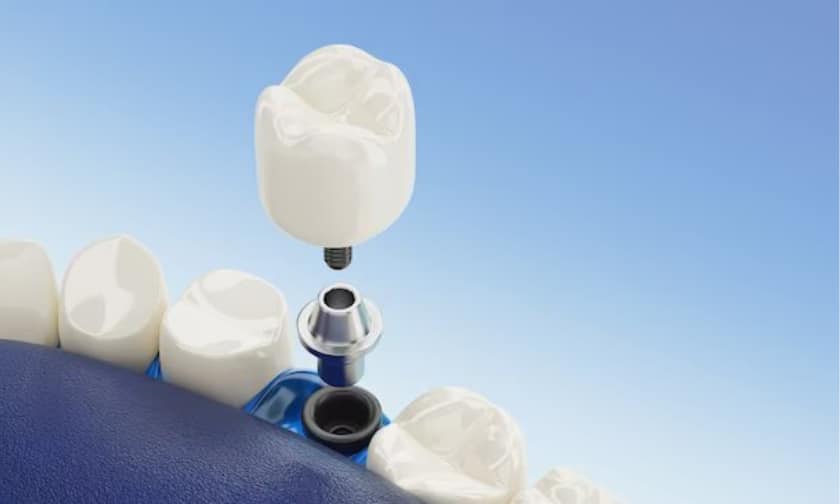
Dental implants are a popular and effective way to replace missing teeth. They are usually made of titanium and are placed in the jawbone where they fuse with the bone over time. This provides a strong foundation for artificial teeth, which are then placed on top of the implants.
Dental implants can be used to replace one or more missing teeth. They are most commonly used to replace front teeth that are visible when you smile, but they can also be used to replace back teeth that are important for chewing.
The success rate for dental implants is high, and they can last for many years with proper care. However, there are some risks associated with dental implants, so it’s important to talk to your dentist about whether this treatment option is right for you.
Benefits of Dental Implants
Dental implants are a great way to improve your smile and oral health. They are also a very effective way to replace missing teeth. There are many benefits of dental implants, including:
- Improved Oral Health: Dental implants help to preserve the natural tooth structure. This helps to maintain the overall health of your mouth and jaw.
- Enhanced Aesthetics: Dental implants look and feel just like your natural teeth. This makes them an excellent option for people who are concerned about their appearance.
- Increased Comfort: Because dental implants are securely anchored in the jawbone, they provide a much more comfortable chewing experience than dentures or bridges.
- Durability: With proper care, dental implants can last a lifetime! This makes them a great investment in your oral health.
- Convenience: Dental implants do not require special care or maintenance beyond regular brushing and flossing.
The Procedure for Getting Dental Implants
When you’re considering dental implants, it’s important to be aware of the entire process – from consultation to post-operative care. Here’s what you can expect when you undergo dental implant surgery:
The first step is to consult with your oral surgeon to see if you’re a good candidate for implants. During this consultation, your surgeon will examine your mouth and jawbone, take X-rays, and review your medical history. If you have any underlying health conditions that could complicate surgery, your surgeon may recommend an alternative treatment.
Once it’s determined that you’re a good candidate for implants, the next step is to prepare for surgery. This usually involves a few visits to the oral surgeon’s office. During these visits, your mouth will be numbed and small titanium posts will be placed in your jawbone. These posts will serve as the foundation for your new teeth.
After the posts have been placed in your jawbone, you will need to wait for them to fuse with the bone (a process called osseointegration). This can take several months. Once the posts are fully fused with the bone, you will return to the oral surgeon’s office for surgery to place the artificial teeth (called crowns) on top of the posts.
After surgery, it is normal to experience some swelling and discomfort. Your oral surgeon will prescribe pain medication to help you manage
Postoperative Care After Having a Dental Implant Placed
After having a dental implant placed, it is important to follow your dentist’s instructions for postoperative care. This typically includes eating soft foods, taking pain medication as needed, and avoiding chewing on the implant site. It is also important to clean the implant site carefully to prevent infection.
Conclusion
Dental implants are a great way to improve the look of your smile and restore the functionality of your teeth. However, it’s important to understand what is involved in getting dental implants so that you can make an informed decision about whether they are right for you. From understanding the different types of implants available, to being aware of potential risks and complications associated with them, taking the time to research all aspects of getting dental implants will help ensure that you make a decision that is best for you.
FAQs
Q: What is a dental implant?
A: A dental implant is an artificial tooth root that is placed into your jaw to hold a replacement tooth or bridge. Dental implants may be an option for people who have lost a tooth or teeth due to periodontal disease, an injury, or some other reason.
Q: How do dental implants work?
A: The dental implant is inserted into the bone socket of the missing tooth. As the jawbone heals, it grows around the implanted metal post, anchoring it securely in the jaw. The healing process usually takes between six and twelve weeks. Once the implant has bonded with the jawbone, a small connector post — called an abutment — is attached to the post to securely hold the new tooth.
Q: Are dental implants safe?
A: Dental implants are considered safe and effective for most people. Complications are rare, but can include infection, damage to nearby teeth, sinus problems, nerve damage, and implant failure. Be sure to discuss any concerns you may have with your dentist before getting dental implants.