by 110 Dental & Orthodontics | Oct 17, 2023 | Root Canal Therapy
Root canal therapy, often simply referred to as a “root canal,” is a dental procedure designed to save and restore a damaged or infected tooth. Despite its effectiveness, root canals are often surrounded by myths and misconceptions that can cause unnecessary anxiety and fear. In this article, we’ll debunk some common myths about root canal therapy and present the facts to help you understand this dental procedure more clearly.
Myth: Root Canals Are Painful.
Fact: The perception that root canals are excruciatingly painful is a myth. In reality, root canals are performed to relieve the pain caused by a severe toothache. Modern techniques and local anesthesia have made root canal procedures no more uncomfortable than getting a routine filling. Most patients report feeling little to no pain during the procedure.
Myth: Root Canals Cause Illness.
Fact: This myth has been debunked and thoroughly researched. Root canal therapy is a safe and effective treatment for infected teeth. The myth that it can lead to illness or systemic health problems has no scientific basis. In fact, not treating an infected tooth can lead to more severe health issues.
Myth: Tooth Extraction Is a Better Option Than Root Canal.
Fact: Preserving your natural teeth is almost always the best option for your oral health. Tooth extraction can lead to other problems, including misalignment of adjacent teeth, difficulty chewing, and a negative impact on your overall oral health. Root canal therapy is a way to save your natural tooth and maintain the integrity of your smile.
Myth: Root Canals Take Multiple Appointments.
Fact: Root canal therapy is typically completed in one to two appointments. The actual number of appointments depends on the complexity of the case and the extent of the infection or damage. Advances in dental technology and techniques have made the process more efficient, allowing for quicker treatment.
Myth: I Don’t Need a Root Canal If I’m Not in Pain.
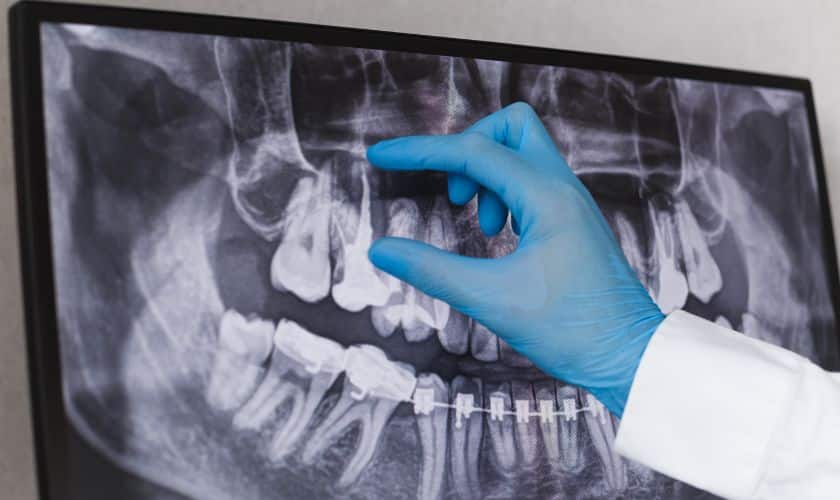
Fact: Not all dental infections or damage result in pain. Some infections may cause discomfort, while others remain asymptomatic. Relying on pain as the only indicator of a dental problem can lead to delayed treatment. Regular dental check-ups and X-rays are crucial for identifying issues before they become painful.
Myth: Root Canals Weaken Teeth.
Fact: Root canal therapy is performed to remove infected or damaged tissue from the inside of the tooth. While the tooth may become more brittle over time, it can be reinforced with a crown placed over it. This crown strengthens the tooth, allowing it to function properly and maintain its structural integrity.
Myth: Only Old Teeth Need Root Canals.
Fact: Dental infections can occur in teeth of any age. While older teeth may have a higher risk due to wear and tear, dental problems can affect individuals of all ages. The need for a root canal is determined by the extent of the damage or infection, not the age of the tooth.
The Bottom Line
In conclusion, root canal therapy is a safe and effective procedure designed to save damaged or infected teeth. It is far less painful than the myths suggest and is a crucial tool for preserving your natural teeth and maintaining your overall oral health. If you suspect you need a root canal or have concerns about the procedure, consult with a qualified dentist who can provide guidance and address any questions or fears you may have.
by 110 Dental & Orthodontics | Sep 27, 2023 | Root Canal Therapy
Root canal treatment often gets a bad rap, with myths and misconceptions causing unnecessary fear and anxiety. In Whitehouse, Texas, as in many other places, it’s crucial to separate fact from fiction when it comes to this common dental procedure. Let’s debunk some of the most prevalent myths about root canal treatment and shed light on the truth.
Myth 1: Root Canals Are Painful
One of the most significant myths about root canals is that they are excruciatingly painful. In reality, thanks to modern advancements in dentistry, root canal treatments are virtually painless. Dentists use local anesthesia to numb the area, ensuring you won’t feel any discomfort during the procedure. Most patients report that a root canal feels no different than getting a regular filling.
Myth 2: Root Canals Cause Illness
There is no scientific evidence to support the claim that root canals cause other illnesses in the body. This myth has been thoroughly debunked. Root canal treatment is a safe and effective way to save a damaged or infected tooth without risking your overall health.
Myth 3: Extraction Is a Better Option
Some people believe that extracting a tooth is a better alternative to root canal treatment. However, saving your natural tooth is almost always the preferred option. Extracting a tooth can lead to other dental issues, such as shifting teeth and bite problems, which may require further treatment.
Myth 4: Root Canals Take Multiple Appointments
While some complex cases may require more than one appointment, the majority of root canals can be completed in a single visit. Your dentist will assess your situation and provide you with a treatment plan that outlines the expected number of appointments.
Myth 5: Root Canals Remove All Feeling from the Tooth
A root canal eliminates the infected or damaged pulp inside the tooth, but it doesn’t remove all feeling. The tooth will still have its sensory nerves intact, allowing you to sense pressure and temperature changes. What it eliminates is the pain and discomfort caused by the infection.
Myth 6: Root Canals Are Only for Severely Damaged Teeth
Root canal treatment can be performed on teeth with varying degrees of damage or infection. It’s not just for severely damaged teeth; even a tooth with a small infection can benefit from a root canal to prevent the issue from worsening.
Myth 7: Root Canals Are Not Effective
Root canals have a high success rate, and they are an effective way to save a tooth that would otherwise need to be extracted. With proper care and maintenance, a tooth treated with a root canal can last a lifetime.
Myth 8: Root Canals Cause Teeth to Become Brittle
It’s a common misconception that teeth treated with root canals become brittle and are more likely to fracture. In reality, a tooth that has undergone a root canal is usually covered with a dental crown, which provides strength and protection against fractures.
The Bottom Line
If you’re in Whitehouse, Texas, and facing the possibility of a root canal treatment, rest assured that the procedure is not as intimidating as these myths might suggest. Consult with your dentist, ask questions, and get the facts to make an informed decision about your oral health. Root canal treatment can save your natural teeth and alleviate pain, allowing you to maintain a healthy and confident smile.
by 110 Dental & Orthodontics | Feb 27, 2023 | Root Canal Therapy
Have you ever heard of root canal therapy? It’s a common dental procedure that is used to treat severely damaged or infected teeth. But before you have a root canal, there are some important things you should know – from what it is to how it can benefit your oral health. Read on to find out everything you need to know before having a root canal!
What Is Root Canal Therapy
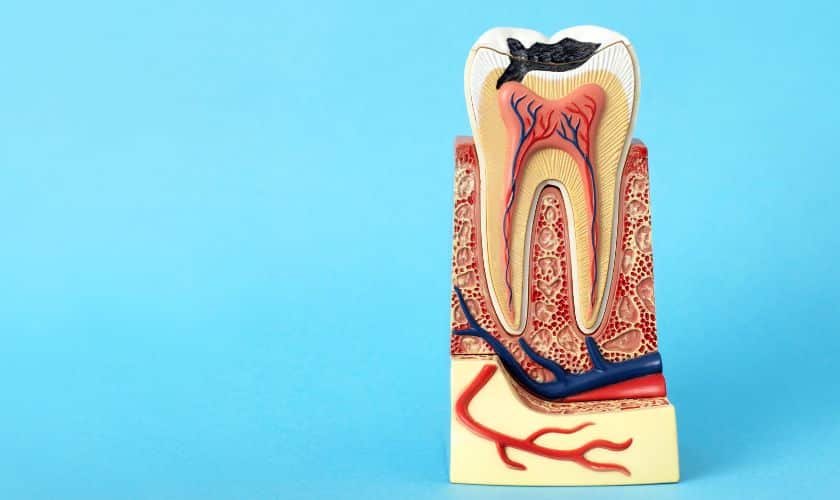
A root canal is a treatment used to repair and save a tooth that is badly decayed or becomes infected. During a root canal procedure, the nerve and pulp are removed from the tooth, and the inside of the tooth is cleaned and sealed. This procedure helps to relieve pain from an infected tooth. It also prevents further damage to the tooth and keeps it from becoming abscessed.
What Causes a Need for Root Canal Therapy?
There are a few reasons why you might need root canal therapy. The most common reason is because you have an infection in your tooth. This can happen because of decay, an injury, or even gum disease. If the infection isn’t treated, it can spread to other parts of your body and make you very sick. That’s why it’s important to get treatment right away if you think you might have an infection.
Another reason you might need root canal therapy is if your tooth is cracked or damaged. This can happen from an injury or from biting down on something hard. If the damage is severe, your tooth might need to be removed. But sometimes, root canal therapy can save a damaged tooth.
If you have a lot of pain in a tooth, it could be a sign that you need root canal therapy. But it’s not always the case. Sometimes, people who need root canal therapy don’t have any pain at all. So, if you’re experiencing pain in a tooth, it’s important to see a dentist right away to find out what’s causing the pain and whether or not root canal therapy is necessary.
Symptoms of an Infected Tooth that Needs Root Canal Therapy
There are a few symptoms that may indicate you have an infected tooth that needs root canal therapy. These include:
- Severe toothache that doesn’t go away with over-the-counter pain medication
- Increased sensitivity to hot and cold temperatures
- Discoloration of the tooth
- Swollen gums around the affected tooth
If you’re experiencing any of these symptoms, it’s important to see your dentist as soon as possible. They will be able to determine if you need root canal therapy and help relieve your pain.
How is Root Canal Therapy Performed?
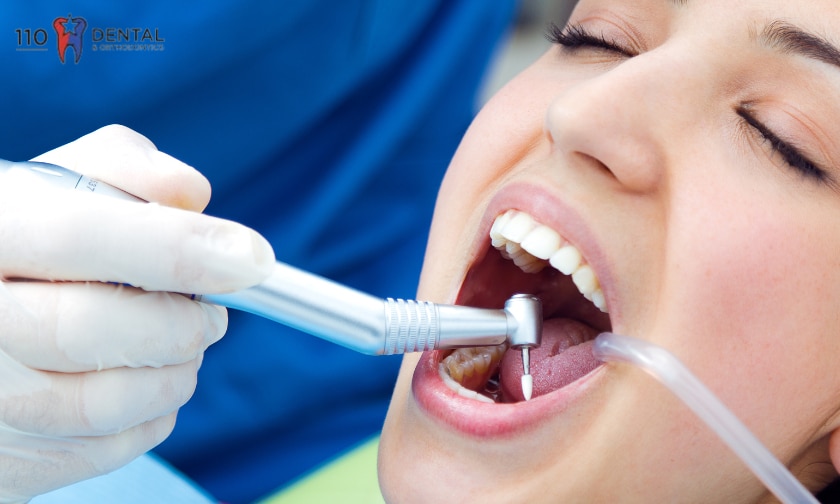
The first step of root canal therapy is to access the inside of the tooth. This is done by drilling a small hole through the top of the tooth. Once the hole has been drilled, a small file is used to clean out the inside of the tooth and remove any infected or damaged tissue.
Once the inside of the tooth has been cleaned out, it is sealed with a filling material. This material helps to protect the tooth from future infection. Root canal therapy is usually completed in one or two visits to the dentist.
What Can I Expect After a Root Canal Procedure?
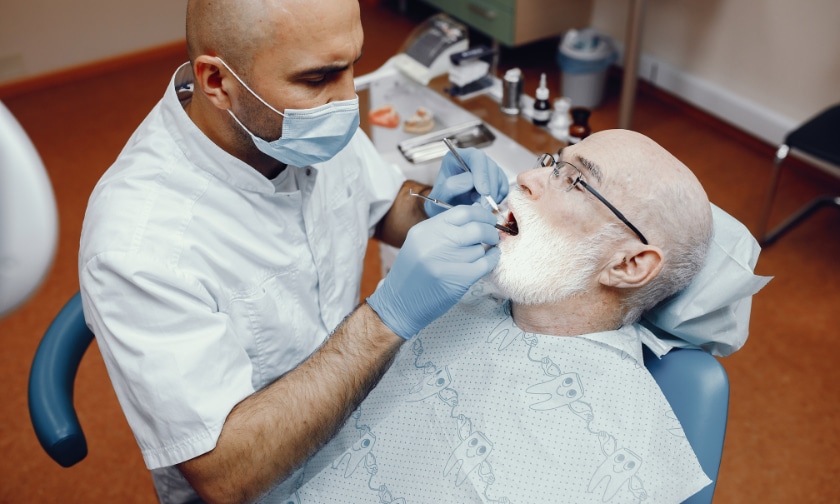
A root canal procedure is usually an outpatient procedure. This means you can go home the same day. You may need a local anesthetic to numb the area around the tooth. Once the anesthesia has taken effect, your dentist will make a small opening in the tooth to reach the pulp chamber. They will then remove the damaged pulp and clean and disinfect the area. In some cases, they may place a temporary filling or crown over the tooth. The final step is to seal the tooth with a permanent filling or crown.
Alternatives to Root Canal Therapy
Root canal therapy is often thought of as the last resort for treating a tooth that is severely decayed or infected. However, there are alternatives to root canal therapy that may be more appropriate for your individual situation. These alternatives include:
- Dental crowns: A dental crown is a cap that covers the entire tooth, restoring it to its original shape and size. Crowns can be made from a variety of materials, including porcelain, ceramic, or metal.
- Dental implants: Dental implants are artificial roots that are placed into the jawbone to support a replacement tooth (or teeth).
- Tooth extractions: In some cases, it may be necessary to remove the damaged or decayed tooth entirely. This can be done through a simple extraction procedure performed by your dentist.
- Bone grafting: If you have lost bone tissue in your jaw due to periodontal disease or another reason, you may need to undergo bone grafting surgery before you can receive dental implants. This procedure involves using donor bone tissue to rebuild the jawbone so that it can support dental implants.
Conclusion
It is important to arm yourself with information and knowledge before you undergo a root canal therapy. This article has aimed to provide you with the facts and details that will help prepare you for this dental procedure. We have shared what it entails, its advantages and disadvantages, how much it costs, as well as the post-operative instructions which include pain management tips. We hope that this guide has been useful in helping you make an informed decision about whether or not a root canal therapy is right for your needs.
FAQs
Q: What is root canal therapy?
A: Root canal therapy is a treatment used to save a tooth that has been severely damaged by decay or injury. The procedure involves removing the damaged tissue from inside the tooth, cleaning and disinfecting the inside of the tooth, and then filling and sealing the tooth.
Q: Why do I need root canal therapy?
A: If you have a tooth that is severely decayed or injured, root canal therapy may be recommended in order to save the tooth. Without treatment, the tooth could eventually die and would need to be removed.
Q: How long does root canal therapy take?
A: The length of time for root canal therapy depends on the severity of the damage to the tooth. In most cases, the procedure can be completed in one or two visits to the dentist.
by 110 Dental & Orthodontics | Oct 26, 2022 | Root Canal Therapy
Guide to Root Canal Therapy
Has the dentist recommended you undergo a root canal treatment? Are you looking for all the required information regarding root canal therapy? This article discusses everything you need to know about root can treatment and how root canal treatment can relieve tooth pain and save your smile.
What is Root Canal Treatment?
When a tooth’s pulp is damaged or infected, either due to tooth decay, gum disease, or a tooth injury, it becomes inflamed and painful. Left untreated, the abscess in the bone can expand, corrupting the bone around the tooth and even leading to a full-body infection.
Root canal treatment is a dental procedure that releases the infected pulp from the inside of the tooth while preserving the structure. It provides an alternative to tooth extraction of a severely damaged, infected, or worn tooth. In most cases, a root canal is an outpatient procedure and does not require general anesthesia, time off work, or an ample recovery period.
Common Reasons for Root Canal Treatment
While reasons may vary, they often start with a tooth injury, such as a crack, chip, fracture, or damage to the tooth pulp. The three most common reasons for root canal conditions are:
Tooth Decay
Tooth decay is the main reason you may need root canal treatment. Brushing your teeth twice daily, flossing once per day, and visiting your dentist regularly are the most crucial steps you can take to control future oral issues.
Tooth Fracture
The second most common cause of root canals is tooth fracture caused by biting or clenching your teeth. Hairline-type fractures allow bacteria to enter the tooth’s pulp chamber and multiply, which leads to inflammation and oral infection.
Trauma
Falls, sports, and work-related damages can cause nerve damage, hairline fractures, and even tooth infections. While inflamed nerves can calm down after some time, they often remain sore and need root canal treatment for comfort.
When Do I Need Root Canal Treatment?
When it is no longer possible to use other treatments, your dentist may present you with the option of either tooth extraction or undergoing root canal therapy in Whitehouse.
Root canal therapy becomes necessary if you have:
- Deep tooth decay
- Teeth with large cavity fillings
- Tooth chips or cracks
- Severe gum disease
- Dental trauma and injuries
Signs That You Need Root Canal Therapy
The following symptoms suggest that you need to visit your dentist immediately:
- Unbearable toothache upon chewing
- Darkening or discoloration of teeth
- Puffy and tender gums
- Rotten taste in my mouth
- Dental abscess
- Painful sensitivity to heat or pressure
Can Root Canal Therapy be Done in One Sitting?
Treatment time depends on the seriousness of your case, & the position and structure of the tooth involved. We evaluate treatment will take 1-2 hours. It can often be completed in just one visit, but in some cases, a follow-up visit may be needed. With advances in medical imaging techniques such as 3D intra-oral scanning tools, we use at 110 Dental & Orthodontic, it becomes much simpler to identify the exact shape and structure of a root canal, which significantly reduces the risk of difficulties.
Alternatives to Root Canal Therapy
Sadly, the only alternative to having root canal therapy is to extract the tooth and get rid of the infection. It is always recommended to try and save a natural tooth if possible, which is why root canal therapy in Whitehouse is the idol in this case.
Does Root Canal Therapy Hurt?
The most common questions about root canal therapy always relate to pain! There’s a total misinterpretation that the procedure is painful. In reality, it’s nothing to fear. Once you are given the anesthetic you won’t feel a thing and from start, to end it’s no distinct from getting a filling.
110 Dental & Orthodontics of Whitehouse uses an ingenious device to numb the treatment area, ensuring you are comfortable throughout the process.
Experts in Whitehouse for Root Canal Therapy
If you want to know more about root canal therapy & want to meet a dental; professional in Whitehouse that performs RCT, come & visit our dental office today.

by 110 Dental & Orthodontics | Jun 6, 2022 | Root Canal Therapy
Many people often feel anxious when their dentist suggests root canal therapy for treating their dental health. Many people think that a root canal is painful, but it is a pain-relieving treatment that is more common and safer than you think.
What Is Root Canal Therapy?
Root canal therapy or endodontic treatment is a procedure that eliminates infections growing inside a tooth and protects it from getting more worse. The roots of a tooth have the blood cells and nerve tissue, which are also called the pulp. The pulp sustains your tooth and supplies moisture to the nearby tissue. When the enamel of your tooth degenerates, the pulp gets exposed & nerves in the pulp are responsible for sensing hot and cold temperatures as discomfort.
Signs that show you need root canal therapy are:
- Swollen or red gums
- A cracked tooth
- Extreme sensitivity to hot and cold
- A dark or discolored tooth
- Pain when chewing
- Injury or trauma to the mouth
Benefits of Root Canal Therapy
There are so many reasons why dentists in Whitehouse, TX, advise root canal therapy. Endodontic treatment allows you to save your natural tooth, eat the foods you like and reduce the need for ongoing dental treatment.
With good care, teeth that had root canal therapy can last a long time. Other benefits of root canal therapy are:
-
Almost Pain-Free Procedure: Root canal treatment is nearly painless and leaves you with no discomfort during the healing period compared to tooth extraction. Dentists use cutting-edge technologies and anesthesia to make sure that you are comfortable throughout the procedure.
-
Efficient & Cost-Effective: Root canal therapy is fast and cost-effective. It can prevent the need for an extraction and the follow-up appointments needed for a restorative purpose.
-
Visually Appealing Result: A customized prosthetic crown is used to conduct root canal therapy which restores the functionality of the tooth. Also, leaving your tooth in place stops adjacent teeth from moving out of position.
Root Canal Treatment
-
Cleaning: After assisting the patient with local anesthesia, the dentist makes a small entrance hole on top of your tooth and extracts the dead and infected pulp tissues.
-
Filling: Next, the dentist cleanses, shapes, and disinfects the root canals using sterilized tools and solutions. The dentist then fills the root canals with an antibacterial material and closes the tooth hole.
-
Adding a Crown or Filling: The top part of the tooth will be covered using a crown or cap which is designed to blend in naturally with the adjacent teeth. Once the crown gets placed, you will not feel any pain when chewing or biting down.
Caring For Your Root Canal
- Eat soft foods
- Use pain medicine if needed
- Use a soft-bristled toothbrush
- Brush teeth twice a day
- Floss regularly
- Floss regularly
- Drink plenty of water
- Avoid chewing on hard food
How Much Does a Root Canal Cost
The cost of root canal therapy depends on many factors like which tooth needs treatment, the complexness of the case, and the type of final restoration the patient chooses. Many dental offices offer in-house payment plans or programs to help you get the dental care you need. The price of a root canal may seem costly, but your smile is worth the investment.
Root Canal Therapy In Whitehouse
If you are also facing symptoms of a decayed tooth or having a severe toothache, it is time to visit the dentist in Whitehouse for root canal therapy. Contact us now & book your appointment.