by | Aug 24, 2026 | Dental Health
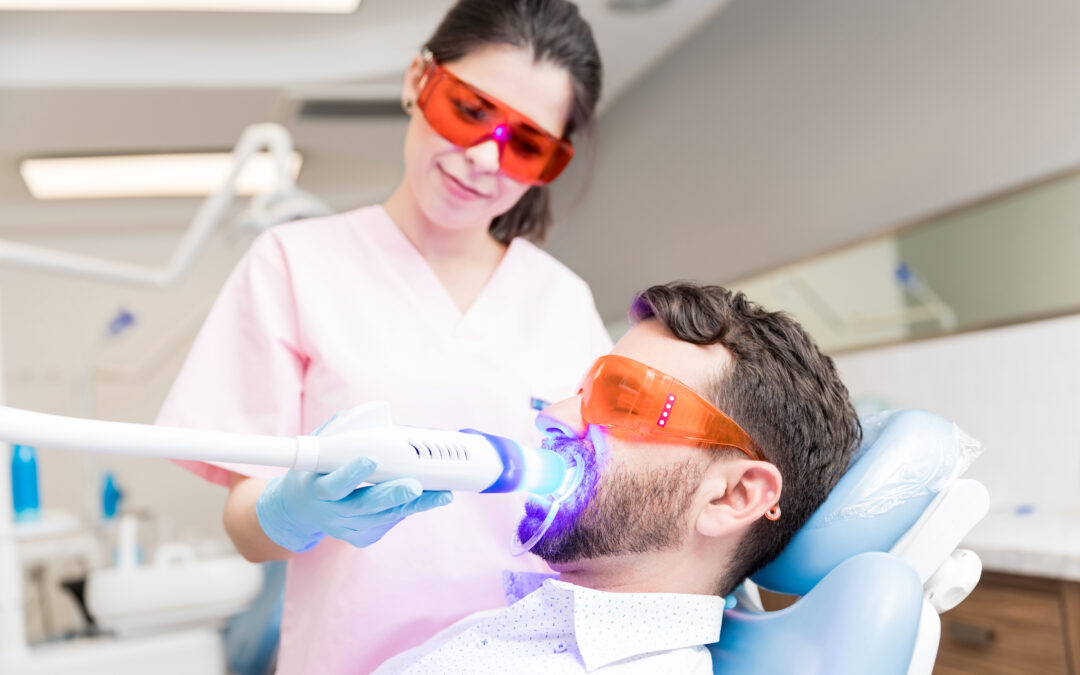
You just finished a teeth whitening treatment — congratulations! Your smile looks brighter and fresher than ever. But keeping your bright smile lasting takes more than one appointment. At 110 Dental & Orthodontics in Whitehouse, TX, Dr. Alan Anderson helps patients understand post-whitening care from day one. This guide reveals the secrets to maintaining your results and getting the most value from your whitening investment.
Why Post-Whitening Care Matters in Whitehouse
Whitening treatments open tiny pores in your tooth enamel. During this window, your teeth absorb stains more easily than usual. That is why the first 48 hours after treatment are the most critical. The choices you make right after whitening will determine how long your results last.
Whitehouse residents lead busy lives — morning coffees, weekend barbecues, and outdoor activities are all part of the routine. Many of those daily habits can work against a freshly whitened smile. Understanding the risks helps you protect your investment without giving up the things you enjoy.
Post-whitening sensitivity is also common during this time. Your teeth may feel temporarily tender to hot or cold foods. This is completely normal and usually fades within a day or two. Dr. Alan Anderson recommends using a sensitivity toothpaste during this recovery period.
Daily Habits That Keep Your Bright Smile Lasting Longer
Building the right daily routine is the foundation of long-term whitening success. Small, consistent habits create a big difference over weeks and months. Think of your post-whitening routine as an extension of the treatment itself.
Here are the daily habits Dr. Anderson recommends to every whitening patient:
- Brush twice daily with a whitening toothpaste approved by your dentist
- Floss every night to remove plaque buildup between teeth
- Rinse after staining foods or drinks when brushing is not immediately possible
- Use a straw for coffee, tea, and dark juices to minimize surface contact
- Stay hydrated — water helps rinse away pigments throughout the day
- Avoid smoking or tobacco products, which are among the fastest stain-causing habits
These habits do not require dramatic lifestyle changes. They simply add a layer of protection to your existing routine. Consistency is far more effective than occasional deep-cleaning sessions.
Foods and Drinks to Limit After Whitening
Certain foods and beverages are notorious for reversing whitening results. Knowing which ones cause the most damage helps you make smarter choices. You do not have to eliminate them entirely — moderation and timing are key.
The general Whitehouse rule after whitening is to follow a
by | Aug 17, 2026 | Dental Health
You’ve invested in your smile — and that investment deserves ongoing care. Your beautiful smile deserves protection, and essential cosmetic dentistry maintenance in Whitehouse is the key to keeping your results looking their best for years. Whether you’ve had teeth whitening, veneers, or dental bridges, proper upkeep makes all the difference. At 110 Dental & Orthodontics, Dr. Alan Anderson helps patients protect their cosmetic work with smart, simple strategies.
Cosmetic dentistry can transform your confidence. But without the right habits, results can fade or become damaged over time. This guide covers what to avoid, what helps, and when to schedule maintenance visits. Think of it as your roadmap to a lasting, beautiful smile right here in Whitehouse, TX.
Why Cosmetic Dentistry Maintenance Matters in Whitehouse
Cosmetic dental treatments are durable — but they aren’t indestructible. Veneers can chip. Whitening results can fade. Bridges can loosen if surrounding teeth aren’t cared for properly. Regular maintenance prevents small issues from becoming costly problems.
Your daily habits play a huge role in how long your results last. The foods you eat, how you brush, and how often you visit your dentist all affect your cosmetic dental work. Many patients are surprised to learn that simple lifestyle changes can extend the life of their treatments significantly.
Skipping maintenance visits is one of the most common mistakes patients make after cosmetic treatment. Even when nothing feels wrong, a professional check-up allows Dr. Anderson to catch early signs of wear or damage. Early intervention is always easier — and less expensive — than waiting for a problem to worsen.
What to Avoid After Cosmetic Dental Treatments
Protecting your cosmetic dental work starts with knowing what can damage it. Some everyday habits are surprisingly harmful to veneers, whitened enamel, and dental restorations. Being aware of these risks helps you make smarter daily choices.
Here are common things to avoid after cosmetic dental treatment:
- Dark-staining foods and drinks — Coffee, red wine, and berries can stain veneers and whitened teeth over time.
- Tobacco products — Smoking or chewing tobacco accelerates staining and damages gum health.
- Hard or crunchy foods — Biting into hard foods like ice or hard candy can chip veneers or crack dental bridges.
- Using teeth as tools — Opening packages or bottles with your teeth puts unnecessary pressure on restorations.
- Teeth grinding (bruxism) — Grinding wears down veneers and can loosen dental work over time.
- Skipping your nightguard — If Dr. Anderson recommended one, wearing it consistently protects your investment.
These habits might seem minor. But repeated over months or years, they cause real damage. The good news is that most are easy to change with a little awareness.
Daily Habits That Help Protect Your Smile in Whitehouse
Good oral hygiene is the foundation of cosmetic dentistry maintenance. Brushing twice daily with a soft-bristled toothbrush prevents plaque buildup around veneers and restorations. Use non-abrasive toothpaste to avoid scratching the surface of your dental work.
Flossing once a day is equally important. Food debris around dental bridges or veneers can lead to gum irritation and decay. Clean gums mean healthier support structures for all your cosmetic work.
Here are additional daily habits that extend the life of your results:
- Rinse after staining drinks — A quick water rinse after coffee or tea helps remove surface pigments before they set.
- Use a straw — Drinking acidic or dark beverages through a straw limits direct contact with your teeth.
- Stay hydrated — Water production stimulates saliva, which naturally protects enamel and dental surfaces.
- Wear a mouthguard during sports — Physical activity carries a risk of impact that can crack or dislodge dental work.
- Schedule routine cleanings — Professional cleanings remove buildup that home care misses.
These habits take just minutes each day. Over time, they add years to the life of your cosmetic dental results.
When to Schedule Cosmetic Dentistry Maintenance Visits
Most patients with cosmetic dental work should visit their dentist every six months. Some patients with a higher risk of wear or staining may benefit from more frequent check-ins. Dr. Alan Anderson will recommend a schedule tailored to your specific treatments and needs.
During a maintenance visit, your dental team will professionally clean your teeth and check for any signs of wear or damage. For patients with veneers, the team inspects bonding integrity and surface condition. For whitening patients, your dentist can assess whether a touch-up treatment would refresh your results.
Patients with General Dentistry Whitehouse needs — such as fillings or dental sealants — should also have those checked during the same visit. Combining cosmetic and general checkups saves time and keeps your entire oral health on track.
Don’t wait for pain or visible damage before booking an appointment. Proactive maintenance is always the smarter approach. A short visit today can prevent a complex procedure down the road.
Special Maintenance Tips for Popular Cosmetic Treatments
Different cosmetic treatments have slightly different care requirements. Understanding what your specific treatment needs helps you protect it more effectively.
Teeth Whitening: Results typically last six months to two years, depending on diet and habits. Avoid staining foods for at least 48 hours after treatment. Touch-up whitening sessions can help maintain brightness between major treatments.
Veneers: Porcelain veneers are strong but can chip under force. Avoid biting directly into hard foods with your front teeth. See Dr. Anderson if you notice any roughness or change in how your bite feels.
Dental Bridges: Bridges require special flossing tools to clean underneath the artificial tooth. A floss threader or water flosser makes this easier. Keeping the area clean prevents gum disease from developing around the bridge.
Families in Whitehouse can also ask about Kid Friendly Dentistry Whitehouse services to keep younger family members on track with their own oral health routines. Starting great habits early benefits children’s smiles for life.
Frequently Asked Questions
How often should I visit the dentist after getting cosmetic dental work?
Most patients benefit from a dental visit every six months. However, Dr. Alan Anderson may recommend more frequent visits depending on your specific treatments and oral health needs. Regular check-ups allow early detection of any wear or changes to your cosmetic dental work.
Can teeth whitening results be maintained long-term?
Yes, with the right habits. Avoiding dark-staining foods and drinks, rinsing after consuming them, and scheduling occasional touch-up whitening sessions all help maintain your results. Most patients see their whitening last between six months and two years with proper care.
Are veneers difficult to maintain?
Veneers are relatively low-maintenance when you follow good oral hygiene habits. Brush gently with non-abrasive toothpaste, floss daily, and avoid biting hard objects with your front teeth. Wearing a nightguard if you grind your teeth is also strongly recommended to protect veneers.
What happens if I skip my cosmetic dentistry maintenance visits?
Skipping visits allows minor issues — such as chips, loose bonds, or gum inflammation — to develop into bigger problems. Early detection during a maintenance visit is the most effective way to preserve your cosmetic results and avoid more complex dental procedures later.
Does cosmetic dental maintenance differ for children?
Children have unique dental needs, and their care routines should be age-appropriate. If your child has received any dental treatment, our team can guide parents on how to maintain healthy habits at home. Ask about our family-friendly dental services designed for younger patients in Whitehouse, TX.
Your beautiful smile represents real time, care, and commitment. Protecting it with consistent maintenance keeps your results looking their best for years to come. Dr. Alan Anderson and the team at 110 Dental & Orthodontics are here to support every step of your smile journey in Whitehouse, TX. Book Now to schedule your appointment with our team.
by | Aug 10, 2026 | Dental Health
If you’ve been putting off dental implants, you’re not alone. Many patients in Whitehouse, TX let fear, misinformation, or uncertainty hold them back. Understanding the 5 dental implant myths your dentist wants you to know in Whitehouse can truly change your perspective. Dr. Alan Anderson at 110 Dental & Orthodontics hears these myths every week. Today, we’re setting the record straight so you can make a confident, informed decision about your smile.
Why Dental Implant Myths Are So Common in Whitehouse
Dental implants have been around for decades, yet misconceptions still spread quickly. Patients often rely on outdated information or stories from friends and family. Social media and online forums don’t always paint an accurate picture. That’s why patient education is one of Dr. Anderson’s top priorities at 110 Dental & Orthodontics.
These myths can cause real harm. They prevent people from seeking a treatment that could restore their confidence and oral health. Replacing a missing tooth matters far beyond appearance. Gaps in your smile can affect your bite, jawbone health, and even speech over time.
Our team offers General Dentistry Whitehouse patients trust for honest, straightforward guidance. We believe every patient deserves the facts before making any treatment decision.
Myth 1: Dental Implants Are Extremely Painful
The Myth: Many patients assume implant surgery is unbearably painful. This fear alone stops people from ever scheduling a consultation.
The Reality: Most patients report that the procedure is far more comfortable than they expected. The implant site is numbed thoroughly before any work begins. Modern anesthetic techniques make the experience very manageable. Many patients compare the discomfort to a routine tooth extraction.
Post-procedure soreness is normal and typically mild. Over-the-counter pain relievers are usually enough to manage it. Swelling and tenderness tend to fade within a few days. Dr. Anderson’s team walks every patient through aftercare instructions to keep recovery smooth.
Myth 2: I’m Too Old for Dental Implants
The Myth: Older patients often believe their age automatically disqualifies them. They assume implants are only for younger people.
The Reality: Age alone is rarely a barrier to dental implants. What matters most is the health of your jawbone and gums. Adults well into their 70s and 80s successfully receive implants every year. Good overall health is a far stronger factor than your birth year.
Dr. Anderson evaluates each patient individually. He reviews your bone density, gum health, and medical history carefully. The goal is always to find the safest, most effective path forward for you. There is no upper age limit written in stone.
- Bone density is assessed with a dental X-ray or 3D scan
- Healthy gums are essential for implant success
- Certain health conditions may require extra planning, not automatic disqualification
- Dr. Anderson tailors every treatment plan to the individual patient
Myth 3: Dental Implants Look Fake and Unnatural
The Myth: Some patients picture implants as obvious, bulky, or clearly artificial. They worry their smile will look manufactured rather than natural.
The Reality: Modern implants are designed to match your surrounding teeth precisely. The crown placed on top of the implant is custom-shaded and shaped. A skilled dentist ensures the result blends seamlessly with your natural smile. Most people cannot tell the difference between an implant and a real tooth.
At 110 Dental & Orthodontics, aesthetics matter as much as function. Dr. Anderson takes detailed impressions and uses high-quality materials. The final result looks, feels, and functions just like a natural tooth. You can smile, laugh, and eat with complete confidence.
Myth 4: Dental Implants Require Constant Special Maintenance
The Myth: People assume implants demand complicated daily routines or special products. Some believe they’ll need frequent dental visits just to maintain them.
The Reality: Caring for implants is refreshingly simple. You brush and floss them just like your natural teeth. There are no special soaking solutions or adhesives required. Regular dental check-ups are all that’s needed to keep them in great shape.
Here’s what a basic implant care routine looks like:
- Brush twice daily with a soft-bristle toothbrush
- Floss carefully around the implant base each day
- Rinse with an antibacterial mouthwash if recommended
- Attend routine check-ups at 110 Dental & Orthodontics every six months
With proper care, dental implants can last a lifetime. That’s one of their biggest advantages over other tooth replacement options. They don’t slip, crack, or need frequent adjustments. Invest in them once, and care for them simply.
Myth 5: Dental Implants Always Fail
The Myth: Some patients have heard horror stories about implants falling out or failing. This myth causes significant anxiety before consultations.
The Reality: Dental implants have a success rate of over 95% when placed correctly. They are one of the most studied and reliable procedures in modern dentistry. Failure is rare and almost always tied to preventable factors. Smoking, poor oral hygiene, and untreated gum disease are the most common culprits.
Dr. Anderson screens patients thoroughly before recommending implants. He identifies any risk factors early and addresses them proactively. This careful approach sets patients up for lasting success. Whitehouse patients can feel confident that their care is in experienced, attentive hands.
- Implants fuse directly with the jawbone for a stable, permanent foundation
- Proper candidate screening dramatically reduces the risk of failure
- Following aftercare instructions protects long-term outcomes
- Regular dental visits allow early detection of any concerns
What to Expect at Your Implant Consultation in Whitehouse
Scheduling a consultation is the best first step you can take. Dr. Anderson will review your dental and medical history in detail. He’ll use imaging to assess your bone density and gum health. From there, he’ll create a personalized treatment plan just for you.
You’ll have the chance to ask every question you’ve been holding back. No concern is too small or too embarrassing to bring up. Our team believes informed patients are empowered patients. We also offer Kid Friendly Dentistry Whitehouse families can rely on, so your whole family’s dental needs are covered under one roof.
Understanding the facts removes the fear. You deserve to make decisions based on accurate information, not outdated myths. Dr. Anderson is here to guide you every step of the way. Whitehouse patients have trusted 110 Dental & Orthodontics for compassionate, honest dental care.
Don’t let myths stand between you and a complete, confident smile. The truth about dental implants is far more encouraging than the rumors suggest. Reach out to our team today and take the first step toward restoring your smile. Book Now to schedule your appointment with our team.
Frequently Asked Questions
Are dental implants safe for patients with certain medical conditions?
Many patients with common health conditions can still receive dental implants safely. Dr. Anderson reviews your full medical history before recommending any treatment. Conditions like well-managed diabetes may require extra planning but don’t always rule out implants. A thorough consultation is the best way to determine if implants are right for you.
How long does the dental implant process take from start to finish?
The full implant process typically takes several months from placement to final crown. This timeline allows the implant to fuse properly with the jawbone, a process called osseointegration. Some patients with strong bone health may qualify for faster treatment options. Dr. Anderson will give you a realistic timeline based on your specific case.
Can dental implants fail after they’ve been successfully placed?
Implant failure after successful placement is very uncommon. The most significant risk factors include smoking, poor oral hygiene, and untreated gum disease. Attending regular check-ups helps catch any early warning signs quickly. Most patients enjoy their implants for decades with simple, consistent care.
Do dental implants work for patients who’ve been missing teeth for many years?
Long-term tooth loss can cause the jawbone to shrink over time, a process called bone resorption. Some patients may need a bone graft procedure before receiving an implant. This step rebuilds the bone to create a solid foundation for the implant. Dr. Anderson evaluates bone density at your consultation to determine the best approach.
Is there an age minimum for dental implants?
Dental implants are generally recommended only after the jawbone has fully developed. This typically means patients should be at least 18 years old, though it can vary. For younger patients with missing teeth, Dr. Anderson may suggest temporary solutions while the jaw matures. The right timing depends on the individual’s development and dental health.

by | Aug 3, 2026 | Dental Health
Your smile deserves care every single day — not just during your twice-yearly checkup. At 110 Dental & Orthodontics in Whitehouse, TX, Dr. Alan Anderson and our team want to help you keep your smile perfect between dental visits with these simple steps. The habits you build at home are just as important as what we do in the chair. Small, consistent actions can protect your teeth and gums for years to come.
Master the Right Brushing Technique Between Visits in Whitehouse
Most people brush their teeth every day — but many do it incorrectly. Brushing too hard can damage your enamel and irritate your gums. Use a soft-bristled toothbrush and gentle, circular motions to clean each tooth effectively. Spend at least two full minutes brushing, twice a day.
Angle your toothbrush at 45 degrees toward the gumline. This helps remove plaque where it builds up most. Do not scrub back and forth aggressively. Think of it as massaging your teeth and gums, not scrubbing a dirty pan.
Electric toothbrushes are an excellent investment for better plaque removal. Many models have built-in timers to keep you on track. Dr. Anderson often recommends them for patients who want an easy upgrade to their daily routine. Ask our team at your next visit which model suits you best.
Floss, Rinse, and Protect Your Gums Daily
Flossing removes food and bacteria from between teeth where your toothbrush cannot reach. Skipping it leaves nearly 40% of each tooth surface uncleaned. Make it a non-negotiable part of your nightly routine. Floss before you brush so loosened debris gets swept away.
Use about 18 inches of floss, winding most of it around your middle fingers. Slide it gently between each tooth using a C-shaped curve. Never snap the floss into your gums. If traditional floss feels difficult, try floss picks or a water flosser instead.
Adding an antimicrobial mouthwash to your routine offers another layer of protection. It reaches areas floss and brushing miss. Look for an alcohol-free formula with fluoride for daily use. Rinse for 30 seconds after flossing and brushing for the best results.
- Floss at least once per day, ideally at night
- Use a fluoride mouthwash to strengthen enamel
- Try a water flosser if traditional floss causes discomfort
- Replace your toothbrush every three months
- Store your toothbrush upright and uncovered to air-dry
Make Smart Diet Choices to Protect Your Enamel
What you eat and drink directly affects your teeth between dental appointments. Sugary foods and drinks feed harmful bacteria that produce acid. That acid erodes enamel and causes cavities over time. Reducing sugar is one of the most powerful steps you can take for your oral health.
Acidic beverages like soda, sports drinks, and citrus juices wear down enamel quickly. Drink water instead whenever possible — especially fluoridated tap water. If you do enjoy an acidic drink, use a straw to reduce contact with your teeth. Wait 30 minutes before brushing after consuming acidic foods or drinks.
Foods that support healthy teeth include dairy products, leafy greens, nuts, and crunchy vegetables. Calcium-rich foods strengthen enamel naturally. Crunchy produce like apples and carrots also help clean tooth surfaces as you chew. A balanced diet protects your smile far beyond what any toothbrush can do alone.
- Limit sugary snacks and sticky candies
- Drink plenty of water throughout the day
- Choose calcium-rich foods like cheese, yogurt, and leafy greens
- Avoid chewing ice, which can crack teeth and damage restorations
- Eat crunchy fruits and vegetables as natural teeth cleaners
Use the Right Products and Know When to Call Your Dentist
Not all dental products are created equal. Choose a toothpaste with fluoride to strengthen enamel and prevent decay. If you have sensitive teeth, look for formulas designed specifically for sensitivity. Our team at 110 Dental & Orthodontics can recommend the right products for your unique smile needs.
Whitening toothpastes can help maintain brightness between professional treatments. However, overusing harsh whitening products can increase sensitivity. Use them as directed and take breaks if discomfort occurs. For best results, combine at-home whitening maintenance with professional care from Dr. Anderson.
If you have children, starting their oral hygiene habits early makes a lasting difference. Kid Friendly Dentistry Whitehouse is something our practice prioritizes so your little ones build confidence and healthy routines from a young age. Teach kids to brush and floss with supervision until they develop consistent technique. Good habits formed in childhood last a lifetime.
If you experience tooth pain, swelling, or a knocked-out tooth, do not wait for your next scheduled visit. Contact our office right away for emergency care. Prompt attention can prevent minor issues from becoming major problems. Knowing when to call is just as important as your daily routine.
For patients who have had restorative work like Dental Implants Whitehouse, daily care is especially important. Implants are durable, but they still require consistent brushing and flossing. Neglecting oral hygiene around implants can lead to complications over time. Treat your implants with the same care you give natural teeth.
Stay Consistent and Partner With Your Dental Team
The best home care routine is one you actually stick to every day. Consistency beats perfection every time. Even a simple two-minute brush and one round of flossing each night makes a meaningful difference over months and years. Build these habits into your existing routine so they feel automatic.
Your dental visits in Whitehouse serve as important checkpoints for your oral health. Dr. Anderson uses those appointments to catch early signs of issues before they grow. But the work you do every day at home determines how your smile looks and feels between those visits. Think of yourself as a partner in your own dental health.
Set reminders on your phone if you tend to forget flossing at night. Keep your dental supplies visible and easy to reach. Small environmental cues make habits easier to maintain. Your smile reflects the care you invest in it every single day.
At 110 Dental & Orthodontics, we are here to support you every step of the way. Whether you need a routine cleaning, restorative care, or just some guidance on your home routine, our team is ready to help. We proudly serve patients throughout the Whitehouse, TX community with friendly, professional dental care. Book Now to schedule your appointment with our team.
Frequently Asked Questions
How often should I brush and floss between dental visits?
You should brush your teeth at least twice a day and floss at least once daily. Brushing after meals when possible helps reduce plaque buildup. Consistent daily care is the foundation of a healthy smile between your dental appointments at 110 Dental & Orthodontics.
What is the best toothpaste to use at home?
Choose a fluoride toothpaste approved by the American Dental Association. If you have sensitive teeth or specific concerns, ask Dr. Alan Anderson for a personalized recommendation. Our team in Whitehouse, TX is happy to guide you toward the products that suit your smile best.
Can diet really affect my teeth between dental visits?
Yes, absolutely. Sugary and acidic foods and drinks contribute directly to enamel erosion and cavity formation. A diet rich in calcium, water, and crunchy vegetables helps protect your teeth naturally. Making smart food choices is one of the simplest ways to maintain your dental results at home.
How do I care for dental implants between appointments?
Dental implants require the same daily care as natural teeth. Brush twice a day, floss carefully around the implant site, and use a mouthwash if recommended by Dr. Anderson. Regular checkups at our Whitehouse, TX practice help ensure your implants remain in excellent condition long-term.
When should I contact the dentist between scheduled visits?
Contact 110 Dental & Orthodontics right away if you experience tooth pain, sensitivity, swelling, bleeding gums, a broken tooth, or a knocked-out tooth. Do not wait for your next scheduled appointment when something feels wrong. Early intervention almost always leads to simpler and more effective treatment.
by 110 Dental & Orthodontics | Mar 20, 2024 | Dental Health
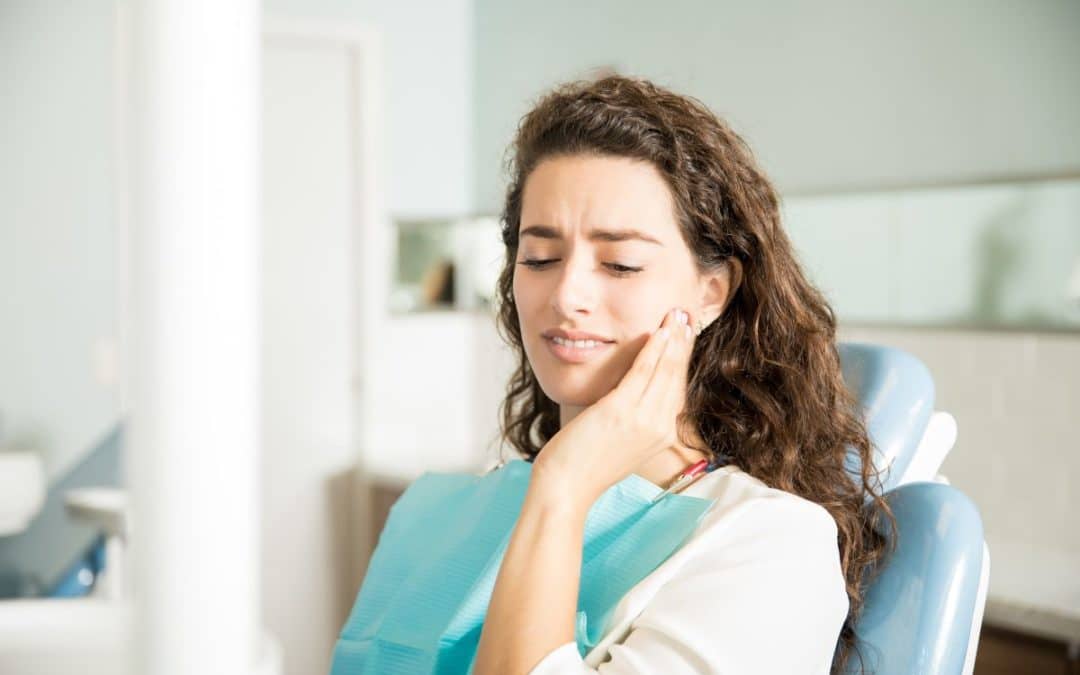
When you bite into something cold and your tooth hurts, it’s hard to ignore. Tooth sensitivity can be the source of a lot of discomfort. The good news is, there are things you can do about it. Let’s examine 5 things that cause tooth sensitivity so you can address it before it starts.
1. Extreme Temperature Changes
Cold or hot food or drinks are the most common things that cause tooth sensitivity. Some sensitivity can be normal, but if you’re noticing that your teeth feel extra sensitive or if you experience sudden or extreme discomfort, this can be a sign of an underlying issue and should be checked out by a dentist as soon as possible.
2. Sugary Sweets
Sugar can affect your teeth in a similar way to extreme temperature changes. If you experience tooth sensitivity in reaction to sweet foods, don’t hesitate to call your dentist.
3. Sinus Pressure
If you have allergies, a cold, sinus infection, or sinus pressure from weather changes, it can affect the nerves in your teeth. It can be helpful to take notes when you experience dental sensitivity and record any other symptoms you’re also experiencing to share with your dentist so that they can help you track down the source of your discomfort.
4. Teeth Whitening Products
Teeth whitening products offer great benefits: a brighter smile. But they can sometimes also have a downside: increased sensitivity. If you’ve been using at-home whitening products or other methods to whiten your teeth, it’s a good idea to check with your dentist to make sure that they are safe and being applied properly to minimize discomfort.
5. Teeth Grinding or Jaw Clenching
Sometimes stress can contribute to increased tooth sensitivity. Look for signs of jaw clenching by checking if the sides of your tongue are indented or if your jaw is tense at different times throughout the day. If your jaw is relaxed, your top and bottom teeth shouldn’t be touching while at rest.
Should You Call Your Dentist?
There are many things that cause tooth sensitivity, so how do you know if it’s something serious or that requires treatment? It’s always best to play it safe and visit your dentist to rule out cavities or gum recession as underlying causes. Your dentist will also be able to offer tips to help you find relief as quickly as possible so that you can get back to enjoying your favorite foods and drinks without discomfort.
Call our Whitehouse dental office to make an appointment with a dentist who may be able to help you find out more about this topic, and improve your oral health.
by 110 Dental & Orthodontics | Dec 28, 2023 | Dental Health, Oral Health
As we bid farewell to the old and welcome the promise of the new, it’s the perfect moment to embark on a journey towards improved health and well-being. While many resolutions focus on fitness, nutrition, or personal growth, one crucial aspect often overlooked is dental health. Our smiles are not only a reflection of happiness but also a barometer of our overall health. In this blog, we unveil a set of New Year’s resolutions tailored to ensure optimal dental health. These resolutions are practical, achievable, and designed to make a lasting impact on your oral well-being.
Join us on this journey as we explore the resolutions that will make a difference in your oral health, providing you with the tools and knowledge to bid adieu to dental woes.
Resolution 1: Regular Dental Check-ups
The cornerstone of good oral health is regular dental check-ups. Make a commitment to visit your dentist at least twice a year for routine examinations and cleanings. These appointments allow your dentist to identify potential issues early on, preventing them from escalating into more significant problems.Remember that maintaining good dental health mostly requires prevention.
Resolution 2: Brush and Floss Consistently
It’s a classic resolution, but one that cannot be overstated – commit to brushing your teeth at least twice a day and flossing once a day. Proper brushing and flossing remove plaque and bacteria, reducing the risk of cavities, gum disease, and bad breath. Consider using fluoride toothpaste to strengthen your enamel and invest in a high-quality toothbrush for effective cleaning.
Resolution 3: Upgrade Your Oral Care Products
Take a look at your toothbrush, toothpaste, and floss. Are they up to par? Consider upgrading to products that are endorsed by dental professionals and are tailored to your specific needs. Electric toothbrushes, for example, are known for providing a more thorough clean than manual ones. Don’t forget to replace your toothbrush or toothbrush head every three to four months for optimal performance.
Resolution 4: Kick the Tobacco Habit
If you’re a tobacco user, make quitting a priority in the new year. Smoking and chewing tobacco can lead to a myriad of dental issues, including gum disease, tooth decay, and even oral cancer. Seek support from friends, family, or a smoking cessation program to increase your chances of success. Your oral health will thank you, and so will your overall well-being.
Resolution 5: Mind Your Diet
What you eat directly impacts your oral health. Reduce your intake of sugary and acidic foods, as they contribute to tooth decay and erosion. Rather, go for a well-balanced diet full of dairy, fruits, vegetables, and lean proteins. Drinking plenty of water throughout the day also helps to flush away bacteria and food particles, contributing to a healthier mouth.
Resolution 6: Wear a Mouthguard
If you grind your teeth at night or play contact sports, you may need to think about getting a mouthguard. These protective devices can prevent injuries and protect your teeth from the damaging effects of grinding or clenching. Your dentist can recommend a custom-fit mouthguard for optimal comfort and protection.
Resolution 7: Stay Hydrated with Water
Water is a natural ally in maintaining good oral hygiene. Commit to staying hydrated throughout the day, as water helps rinse away debris, bacteria, and acids that can lead to tooth decay. This simple resolution not only benefits your teeth but also supports your overall health.
This New Year, let’s prioritize our oral health by adopting these resolutions. A healthy smile not only boosts confidence but also contributes to overall well-being. Make these dental resolutions a part of your routine, and say goodbye to dental woes for good. Here’s to a year filled with bright smiles and excellent oral health!
