
by 110 Dental & Orthodontics | Aug 2, 2021 | Dental Health
It’s time to hit the road, relax and forget about your responsibilities at home. Some routines are important to keep even while on vacation, though, so don’t let your dental health be forgotten in all the fun and busyness of traveling. Here are some dental health travel tips to help make it easier to stay on top of your oral hygiene while on the road.
What to Pack
A toothbrush and toothpaste are the obvious essentials, but it can be helpful to buy a couple of extra travel sized ones to keep in your purse or backpack for when it’s a hassle to access your larger luggage. It’s also always a good idea to have extras on hand while traveling in case a toothbrush gets lost or somebody forgets theirs.
Some Hacks for the Road
Dental picks and a travel-sized bottle of mouthwash are also travel must-haves. Both are great for when you’re on the go and don’t have access to clean water or time for a thorough floss, but want to clean and refresh your mouth as much as possible until you get to a place where you can brush and floss. Keep a few on hand in your purse and car so they are always handy wherever you need them.
How to Snack
Snacking on the road can be a major culprit in developing cavities while traveling. At home, it’s easy to remember to brush your teeth after each meal, but away from home it can feel a lot more complicated to stay consistent with oral hygiene. So how you snack can be even more important than usual when you’re on the road.
Try to choose snacks that are low in sugar or sugar-free, high in fiber and that don’t leave behind sticky food particles or residue. Fresh fruits and veggies such as apples, carrots or strawberries are all great choices that can actually help to clean your teeth and promote saliva production thanks to their added crunch factor.
Foods high in calcium and other vitamins and minerals like cheese, yogurt or fresh greens can also be a great option because they help to provide the nourishment your teeth need to stay healthy and strong.
Before You Go
Last but not least, one of the most helpful dental health travel tips is simply to schedule an appointment with your dentist before you travel. Taking preventative steps is often your best bet at avoiding dental problems while on the road because your dentist can help to spot any issues early on. Plus, it can save you the hassle of having to find an emergency dentist while in an unfamiliar place.
It will also give you the chance to ask your dentist for any dental health travel tips they’d recommend to you personally. Traveling should be fun and you shouldn’t have to take time away to worry about your dental health while on vacation.
Call our Whitehouse dental office to make an appointment with a dentist who may be able to help you find out more about this topic, and improve your oral health.

by 110 Dental & Orthodontics | Apr 1, 2021 | Dental Health
When you’re feeling under the weather, it can be difficult to feel like doing much more than snuggling in bed. Everyday tasks like brushing your teeth just seem to take twice the effort and twice as long as usual. The last thing you want to worry about is taking cough syrup and its effect on your oral health when you’re already feeling achy, feverish and stuffy. Fortunately, there are some simple and easy things you can do that can make a big difference when you’re sick.
Choose Sugar-Free
When choosing over the counter remedies, it’s important to choose products without ingredients that can harm your oral health. Sugary cough drops and cough syrup and your teeth are a bad combination because the sugary residue can linger and interact with the saliva in your mouth to cause tooth decay. If possible, make sure to choose sugar-free options that will be easier on your teeth, especially if you’re not feeling well enough to complete your normal oral hygiene routine.
If a Product Contains Sugar
Perhaps you’re facing a medicine cabinet full of sugar-containing cough syrup and your teeth are important to you, but you want relief! Sometimes it’s not always possible to avoid sugar in products. If you find yourself in this kind of situation, don’t fret too much! Even with less than the best options, you can still limit the negative effects and get much needed relief from your symptoms. After you take the medication or use a cough drop that contains sugar, just make sure to brush your teeth and rinse well to wash away any residue.
Some Other Tips for When You’re Sick
Dental hygiene when you’re sick goes well beyond cough syrup and your teeth. Being sick, especially if you’re congested, can cause you to breathe through your mouth instead of your nose which can lead to dry mouth. Decongestants and other medications can also reduce the body’s production of saliva which can further exacerbate the problem. Dry mouth might not seem like a big deal, but saliva is your body’s natural defense system against cavity-causing bacteria, so it’s crucial to your dental health. Drinking lots of extra fluids can help, just make sure to choose liquids that don’t contain sugar and won’t stain your teeth. Water, broth, herbal tea without sugar, and electrolyte-containing drinks are all great options.
It can also be helpful to gargle with salt water if you’re experiencing a cough or sore throat. Salt water has natural cleansing and healing properties that can help reduce bacteria and soothe tenderness in the throat or dry mouth. To create a salt water rinse, mix 1 tablespoon of salt in a glass of warm water and rinse your mouth repeatedly until you’ve used up all of the solution, being careful not to swallow it.
Oral Hygiene and Your Immune System
Dental health is the last thing on most people’s minds when they are sick, just getting through each day requires so much extra effort! But good oral hygiene can help keep your immune system strong and focused on fighting off viruses and infection that come from outside your body. With just a few simple and easy choices, you can also help protect your teeth from cavities during sickness.
Call our Whitehouse dental office to make an appointment with a dentist who may be able to help you find out more about this topic, and improve your oral health.
by 110 Dental & Orthodontics | Mar 1, 2021 | Dental Health
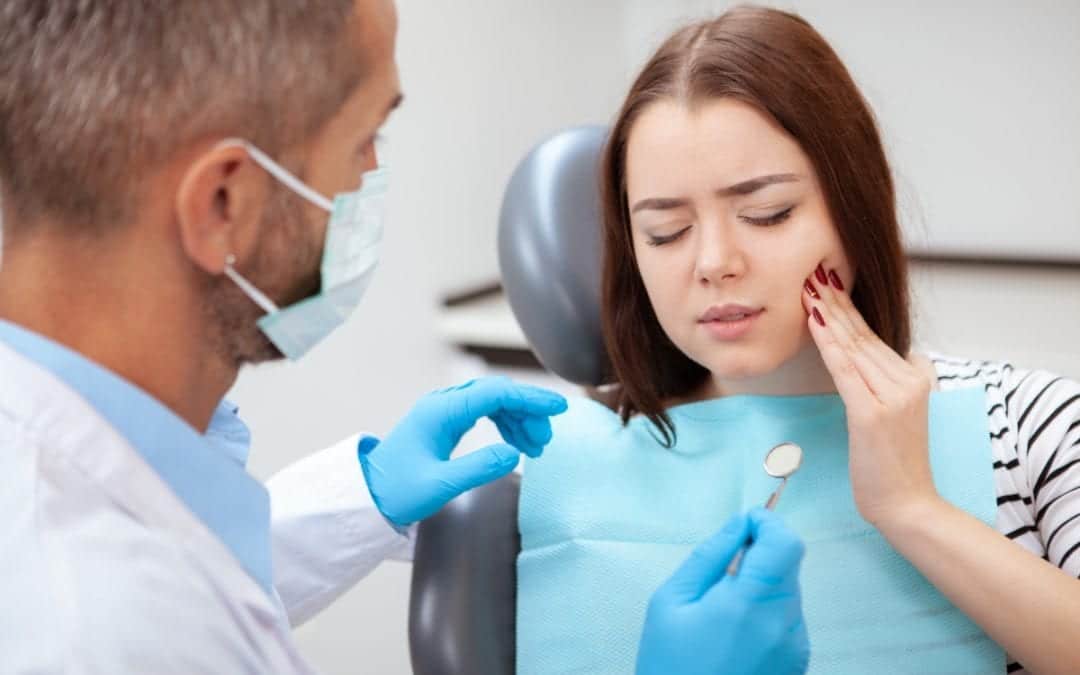
If you’re experiencing symptoms with your teeth or mouth that are causing you discomfort, it can feel confusing to know whether to take a wait and see approach or if you need to see a dentist as soon as possible. So, when should you call your dentist? Here are some things your symptoms might mean.
Toothache or Oral Discomfort
Dental discomfort is a common complaint, but it’s also important to know that the most common cause of toothaches is tooth decay and it’s important that tooth decay be treated as soon as possible before it leads to deeper cavities, tooth loss or infection. Discomfort or increased sensitivity is simply your body’s natural way of telling you that something needs your attention.
Spots or Discoloration
Serious problems with teeth can sometimes appear on the surface as white, brown or gray spots or discoloration of the whole tooth. It’s true that teeth can yellow with age or because of stains from food and drinks, so when should you call your dentist? If you notice any discoloration that seems unusual, sudden or concerning, it’s best to call your dentist for an exam to assess the condition of your teeth, as even prematurely yellowing teeth can be an early sign of decay or poor dental health that may need to be addressed.
Dry Mouth
Dry mouth has many causes ranging from health conditions like diabetes and autoimmune diseases to the side effects of snoring or an increased exercise or running routine. Dry mouth may not sound like a big deal, but the purpose of saliva is to help protect your teeth from bacteria and remineralize your enamel so if you’re experiencing dry mouth symptoms regularly it may mean that your body is having a hard time fighting cavities on its own and it’s a good idea to ask your dentist for ways that you can help your mouth stay balanced and healthy.
Broken or Missing Tooth or Filling
If you experience trauma or notice that a tooth is jagged or cracked it’s important to call your dentist as soon as possible. It’s also important if you notice a filling or crown is missing. All of these situations can expose the inner pulp or root of your tooth to bacteria and infection or result in death of the tooth if not treated urgently.
If a tooth is knocked out or falls out, it is also important to call your dentist as soon as possible not only to treat it to prevent further problems, but also because there is a chance that the tooth may be rooted back in place and saved before it dies if it is treated urgently.
Other Concerns or Questions
This is far from a complete list of answers to the question, “When should you call your dentist?” so if you’re concerned for any reason about your teeth or have any questions about your dental health, it’s always a good time and a great idea to reach out to your dentist. Your dentist is here for you, and your dental health is the priority, so don’t hesitate to ask any questions you may have.
Call our Whitehouse dental office to make an appointment with a dentist who may be able to help you find out more about this topic, and improve your oral health.