
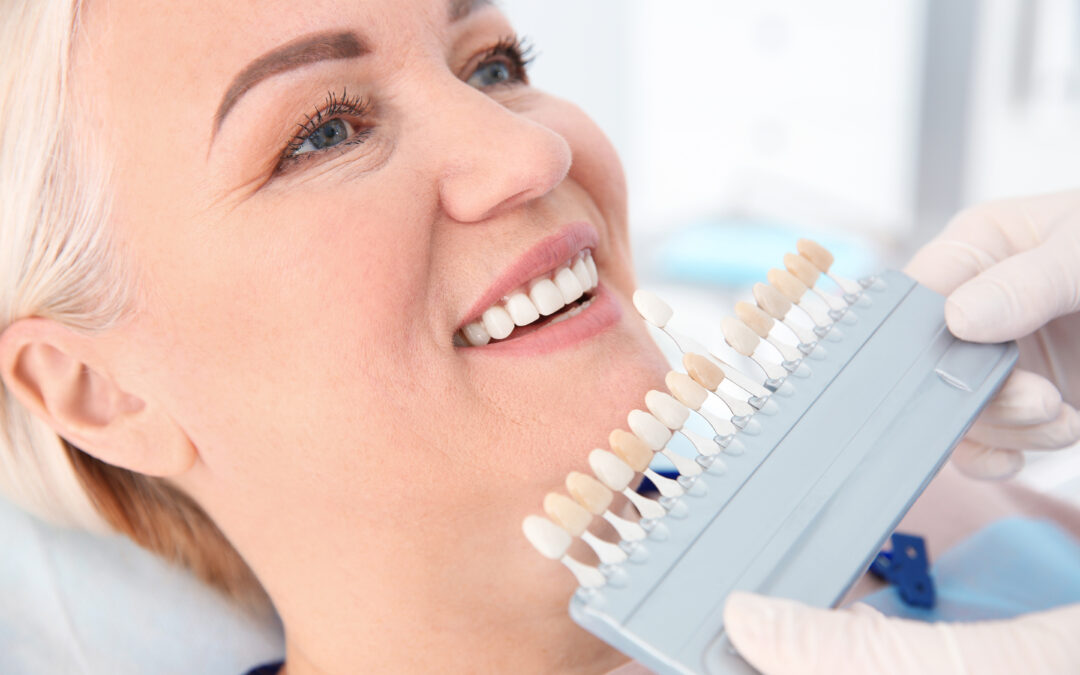
Many patients in Whitehouse, TX come to 110 Dental & Orthodontics with the same question. They want to know what dental veneers actually fix—and what they can’t in Whitehouse. It is a fair and smart question. Veneers are popular, but they are not a solution for every dental problem. Understanding what they do and do not treat helps you make a confident, informed choice about your smile.
What Are Dental Veneers, Exactly?
Dental veneers are thin shells placed over the front surface of your teeth. They are typically made from porcelain or composite resin. Dr. Alan Anderson bonds them directly to your existing tooth structure. The result looks and feels like a natural tooth.
Porcelain veneers are the most common choice. They are stain-resistant and reflect light similarly to natural enamel. Composite veneers cost less and require less preparation. Both options can dramatically change the appearance of your smile.
Veneers are a cosmetic dentistry solution first and foremost. They do not add structural strength the way a crown does. They work best when the underlying tooth is healthy and intact. That is why a full dental evaluation always comes first.
What Dental Veneers Actually Fix in Whitehouse
This is where veneers genuinely shine. They address a wide range of cosmetic concerns that affect your confidence and your smile’s appearance. Many Whitehouse patients are surprised by how much veneers can change.
Here is a list of common problems veneers can correct:
- Discoloration or staining that does not respond to whitening treatments
- Chipped or slightly broken teeth that are otherwise structurally sound
- Gaps between teeth that bother you but do not require orthodontic treatment
- Minor misalignment or uneven teeth that affect your smile’s symmetry
- Worn-down enamel that makes teeth look shorter than normal
- Irregularly shaped teeth that stand out from the rest of your smile
Veneers offer a versatile fix for these concerns. A single veneer can address one problem tooth. A full set can transform an entire smile in just a few appointments.
Patients with deep, intrinsic tooth stains especially benefit from veneers. These stains develop inside the tooth structure itself. No whitening treatment reaches them. A porcelain veneer covers the discoloration completely and permanently.
What Dental Veneers Cannot Fix—Be Honest With Yourself
Understanding the limits of veneers is just as important as knowing the benefits. Veneers are not a cure-all. Choosing them for the wrong problem can lead to disappointment or additional dental work down the road.
Here are situations where veneers are not the right answer:
- Severe tooth decay — A veneer cannot be placed over a decayed tooth. The decay must be treated first.
- Significant tooth damage — A tooth that is mostly broken down needs a crown, not a veneer.
- Active gum disease — Healthy gums are required before any cosmetic procedure.
- Teeth grinding (bruxism) — Grinding can crack or dislodge veneers over time.
- Major bite misalignment — Significant orthodontic issues require braces or aligners, not veneers.
- Very little remaining enamel — Veneers bond to enamel. Too little enamel means they may not hold.
Dr. Alan Anderson always performs a thorough exam before recommending veneers. This protects your long-term oral health. It also ensures your investment lasts as long as possible.
For patients who need foundational care first, our General Dentistry Whitehouse services are the right starting point. Healthy teeth and gums create the foundation for any cosmetic treatment.
The Veneer Process at 110 Dental & Orthodontics
If veneers are a good fit for you, the process is straightforward. It typically takes two to three visits to complete. Dr. Anderson walks every patient through each step so there are no surprises.
During your first visit, Dr. Anderson evaluates your teeth and discusses your goals. He takes X-rays and examines your gum health. If everything looks good, you talk about veneer type, shape, and shade together.
At the preparation appointment, a thin layer of enamel is removed from the tooth surface. This creates space for the veneer to sit flush. Impressions are taken and sent to a dental lab. Temporary veneers protect your teeth in the meantime.
When your permanent veneers arrive, Dr. Anderson bonds them carefully into place. He checks your bite and makes any final adjustments. Most patients leave that appointment genuinely amazed at the results.
Are Veneers Right for You? What to Consider First
Deciding whether veneers are the right choice takes honest reflection. Think about what bothers you most about your smile. Consider whether the issue is cosmetic or structural. That distinction matters a great deal.
Veneers are a long-term commitment. A small amount of enamel is permanently removed during preparation. Once placed, your teeth will always need some form of coverage. That is not a reason to avoid them—it is simply something to understand going in.
Many families in Whitehouse also ask about cosmetic options for younger patients. We always recommend completing orthodontic and developmental milestones first. For younger patients starting their dental journey, our Kid Friendly Dentistry Whitehouse team helps build healthy habits from the very beginning.
Adults in good oral health with cosmetic concerns are typically ideal candidates. A consultation with Dr. Anderson gives you a clear, personalized answer. You leave the visit knowing exactly what is possible for your unique smile.
Final Thoughts From Dr. Alan Anderson
Dental veneers are one of the most effective cosmetic tools available in modern dentistry. They fix a real and meaningful range of smile concerns. But they work best when you have the full picture—including what they cannot do. At 110 Dental & Orthodontics, we believe informed patients make the best decisions. We take time to explain your options clearly and honestly. Book Now to schedule your appointment with our team.
Frequently Asked Questions
How long do dental veneers typically last?
Porcelain veneers generally last between 10 and 15 years with proper care. Composite veneers tend to last 5 to 7 years. Good oral hygiene and regular dental visits extend their lifespan significantly.
Do veneers require special maintenance?
Veneers do not require intensive maintenance. Brush and floss daily just as you normally would. Avoid biting hard objects like ice or pen caps. See your dentist for regular cleanings and checkups to keep them looking their best.
Can veneers be whitened if they stain?
Porcelain veneers do not respond to traditional whitening treatments. They are highly stain-resistant, but professional whitening products do not change their color. If your natural teeth whiten, the veneers may no longer match. Talk to Dr. Anderson about shade selection before your veneers are placed.
Will getting veneers hurt?
The preparation process involves light numbing so most patients feel very little discomfort. Some sensitivity is normal for a few days after placement. This typically fades on its own. Dr. Anderson and his team prioritize patient comfort throughout every step.
What happens if a veneer chips or breaks?
A chipped or broken veneer should be evaluated as soon as possible. In some cases it can be repaired. In others, the veneer may need to be replaced. Contacting our office promptly prevents further damage to the underlying tooth.