by 110 Dental & Orthodontics | Oct 7, 2024 | Teeth Whitening
Teeth whitening is a popular way to achieve a brighter smile, but it can be tricky if you have sensitive teeth. People with tooth sensitivity may experience discomfort with certain whitening methods, but that doesn’t mean they have to miss out on a sparkling smile. Here, we explore safe options for whitening sensitive teeth and helpful tips for protecting your enamel while enhancing your smile.
Why Are Some Teeth More Sensitive?
When your teeth protective enamel covering erodes, the sensitive dentin beneath is revealed, which results in tooth sensitivity. When exposed, the tiny tubes in the dentin that connect to the tooth’s nerve core respond violently to pressure or temperature changes. This sensitivity can make common whitening treatments feel uncomfortable, but choosing the right approach can help reduce discomfort.
Safe Whitening Options for Sensitive Teeth
If you’re looking for teeth whitening in Whitehouse but are worried about sensitivity, consider these safe and effective methods designed to be gentle on your enamel.
1. Professional In-Office Whitening with Your Dentist
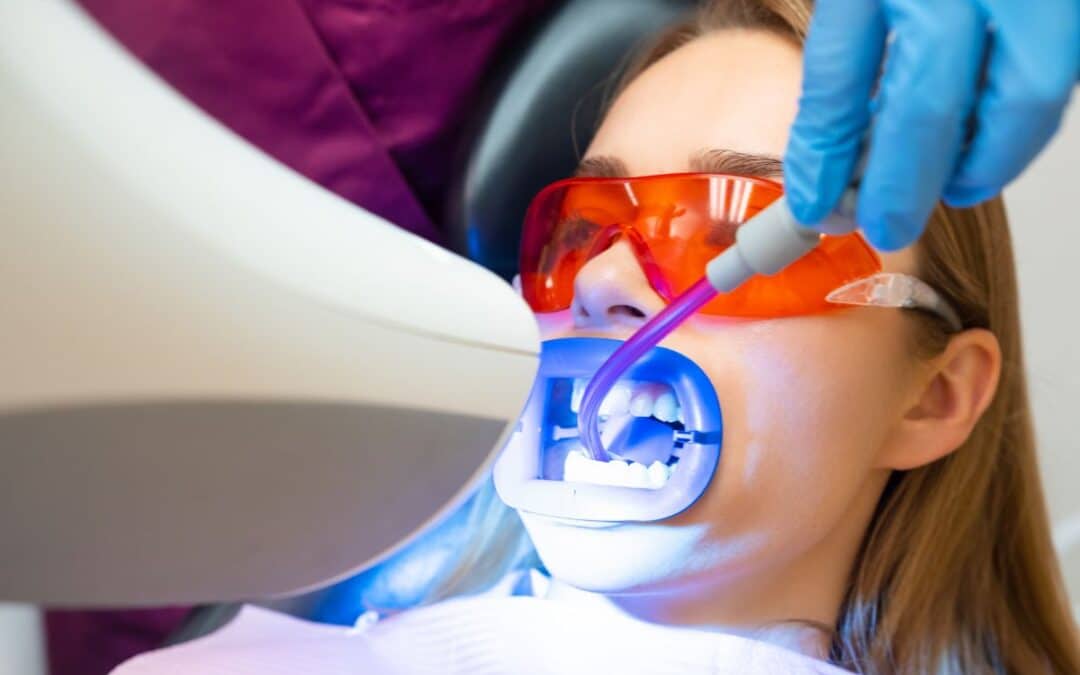
A professional whitening treatment is often one of the safest options for people with sensitive teeth. A cosmetic Dentist in Whitehouse or your local dentist can apply a customized whitening gel that is both powerful and safe. In-office treatments allow professionals to monitor the process closely, adjusting the concentration as needed to prevent sensitivity while delivering excellent results.
2. Whitening Toothpaste for Sensitive Teeth
For mild whitening needs, a toothpaste specially formulated for sensitivity can gradually brighten your smile. These toothpastes often contain mild abrasives that polish the teeth gently, helping to remove surface stains without causing discomfort. This method takes longer to show results, but it’s gentle and safe for daily use.
3. At-Home Whitening Kits with Low-Strength Gel
If you’re interested in at-home options, look for whitening kits specifically designed for sensitive teeth. These typically contain a lower concentration of whitening agents, like hydrogen peroxide or carbamide peroxide, which minimizes potential irritation. Many kits also include desensitizing agents to help soothe sensitive teeth throughout the process.
4. Customized Whitening Trays
A custom-fit tray from your dentist can improve comfort and effectiveness during whitening treatments. Custom trays hold the whitening gel evenly against each tooth, reducing the risk of gum irritation and improving results. This is a great option for sensitive teeth because custom trays enable lower-strength gels and shorter wear times.
Tips to Protect Your Sensitive Teeth During Whitening
Whether you choose a professional or an at-home whitening option, these tips can help minimize discomfort and protect your teeth’s sensitivity:
1. Use a Desensitizing Toothpaste Before and After Whitening
Desensitizing toothpaste stops the nerves in your teeth from receiving pain signals. Sensitivity can be managed by using this kind of toothpaste for a week or two prior to beginning a whitening procedure and then continuing thereafter.
2. Limit Whitening Sessions
For those with sensitive teeth, shorter whitening sessions are recommended. By limiting the amount of time the whitening product is in contact with your teeth, you reduce the risk of sensitivity flare-ups. For at-home kits, consider spreading out your treatments over a longer period.
3. Avoid Acidic Foods and Drinks
During and after the whitening process, try to avoid acidic foods and beverages, such as citrus fruits, soda, and coffee. These can weaken enamel and worsen sensitivity. Instead, focus on a balanced diet with plenty of calcium-rich foods to support enamel health.
4. Follow Up with Fluoride
After whitening, a fluoride treatment can help remineralize your enamel, reducing sensitivity and strengthening your teeth. Many professional whitening treatments include a post-whitening fluoride application, but fluoride toothpaste or mouthwash can work well for at-home care.
Achieving a Brighter Smile with Comfort in Mind
With the right approach, teeth whitening can be both effective and gentle. Sensitive teeth don’t have to stand in the way of a bright smile, and by choosing safe, tailored methods, you can achieve the look you want comfortably. If you have concerns, consult with My 110 Dental & Orthodontics to discuss personalized whitening options that fit your needs.

by 110 Dental & Orthodontics | Jan 29, 2024 | Teeth Whitening
Feeling confident about your pearly white smile can have a big impact on your life. If you’re considering refreshing your smile, the beginning of a new year is the perfect time. Here’s how to make your teeth whiter and your smile brighter.
Over-the-Counter Whitening Products
Whitening products sold at drug stores can be hit or miss, but there are some effective and safe options out there. Whether you’re considering whitening your teeth by using a whitening toothpaste, whitening strips, whitening gel or another type of teeth whitening product or kit, it can save you a lot of trouble to talk with your dentist first so that they can recommend the most effective and the safest active ingredients to look for when selecting products.
Natural Methods
A quick search on the internet will turn up numerous results for natural methods of how to make your teeth whiter. It’s important to remember that natural doesn’t always mean safe. Many natural methods can be highly abrasive or acidic and lead to unwanted damage or discoloration of your teeth. If you’re thinking about trying a natural method, check with your dentist to make sure that it’s safe.
Professional Whitening by a Dentist
If you want results that are safe, proven, and fast, other whitening methods simply can’t compare with a professional whitening. Professional whitening treatments have been safety-tested to the strictest standards and are applied under the supervision of a dental professional, so it should come as no surprise that many people experience a high level of satisfaction with the results.
Routine Dental Care and Cleaning
Sometimes your teeth appear less-than-their-best because of surface stains. Surface stains can come from many things such as drinks like tea or coffee, dark foods like barbecue sauce, or habits like vaping or smoking. Brushing your teeth after enjoying these things can go a long way towards keeping your smile healthy and white, but sometimes brushing isn’t enough. If you think your teeth may be discolored from surface stains, visit your dentist for a professional cleaning.
Talking with a Dentist About Your Goals
If you want to find out more about how to make your teeth whiter, it’s a good idea to make an appointment with your dentist and talk with them about your goals. Your dentist has the knowledge and experience to be your best resource to help you achieve your goals of a brighter smile.
by 110 Dental & Orthodontics | Jun 30, 2023 | Teeth Whitening
Introduction
A bright, radiant smile can boost your confidence and leave a lasting impression. If you’re looking to enhance the whiteness of your teeth, Whitehouse, TX offers a range of teeth whitening treatments. However, with numerous options available, choosing the best treatment can be overwhelming. In this article, we will guide you through the process of selecting the most suitable teeth whitening option for your needs, backed by data and expert advice.
Understanding Teeth Discoloration: What Causes Tooth Discoloration?
Tooth discoloration can occur due to various factors, including the natural aging process, consumption of staining substances (such as coffee or tobacco), poor oral hygiene, and certain medications. Understanding the underlying causes of tooth discoloration can help you identify the most effective whitening treatment for your specific situation.
Types of Tooth Discoloration Tooth discoloration is categorized into two main types
- Extrinsic Discoloration: This refers to surface stains caused by external factors and can often be effectively treated with professional teeth whitening procedures.
- Intrinsic Discoloration: This occurs when the inner structure of the tooth, known as dentin, darkens or becomes yellowish. Intrinsic discoloration may require more intensive whitening techniques or other dental treatments to achieve optimal results.
Exploring Teeth Whitening Options
In-Office Professional Teeth Whitening
In-office professional teeth whitening is performed by experienced dental professionals in Whitehouse, TX. It involves the application of a powerful whitening gel to your teeth, which is then activated by a special light or laser. This treatment offers quick and dramatic results, often lightening teeth by several shades in just one session.
Take-Home Teeth Whitening Kits
Take-home teeth whitening kits provide a convenient option for those who prefer to whiten their teeth in the comfort of their own home. Your dentist will provide custom-fitted trays and professional-grade whitening gel. You will wear the trays with the gel for a specified duration each day, typically for a few weeks, until you achieve your desired level of whiteness.
Over-the-Counter Whitening Products
Over-the-counter (OTC) whitening products, such as whitening toothpaste, strips, or gels, are readily available in stores. While these products may offer some improvement in tooth color, they generally provide less noticeable results compared to professional treatments. It’s important to note that OTC products may not address intrinsic discoloration effectively.
Factors to Consider
Severity of Discoloration
The extent of tooth discoloration plays a crucial role in determining the most suitable treatment. Professional in-office whitening is often recommended for more severe or stubborn stains, while take-home kits may be sufficient for mild discoloration.
Time Constraints and Convenience
Consider your schedule and lifestyle when selecting a whitening option. In-office treatments provide immediate results but require a single visit. Take-home kits offer flexibility but require consistent usage over a longer period. Choose a method that aligns with your time constraints and convenience.
Oral Health and Sensitivity
If you have pre-existing dental conditions or sensitivity, it is crucial to consult with your dentist before undergoing any whitening treatment. They can recommend the best option for your oral health and provide appropriate guidance to minimize sensitivity during the process.
Expert Guidance: Consulting with a Dental Professional in Whitehouse, TX
When seeking teeth whitening in Whitehouse, TX, it is essential to consult with a dental professional who can assess your specific needs and recommend the most effective treatment option. They will consider your oral health, discoloration severity, and personal preferences to create a customized whitening plan for you.
Professional Expertise and Care
Whitehouse, TX is home to dental professionals who specialize in teeth whitening treatments. These experts stay updated with the latest advancements in dental technology and techniques to deliver safe and effective results, ensuring a brighter and more confident smile.
Conclusion
Choosing the best teeth whitening option requires careful consideration of factors such as the type of discoloration, treatment effectiveness, convenience, and oral health considerations. In Whitehouse, TX, you can rely on the expertise of dental professionals to guide you toward the most suitable teeth whitening treatment for achieving a luminous smile that reflects your true confidence.