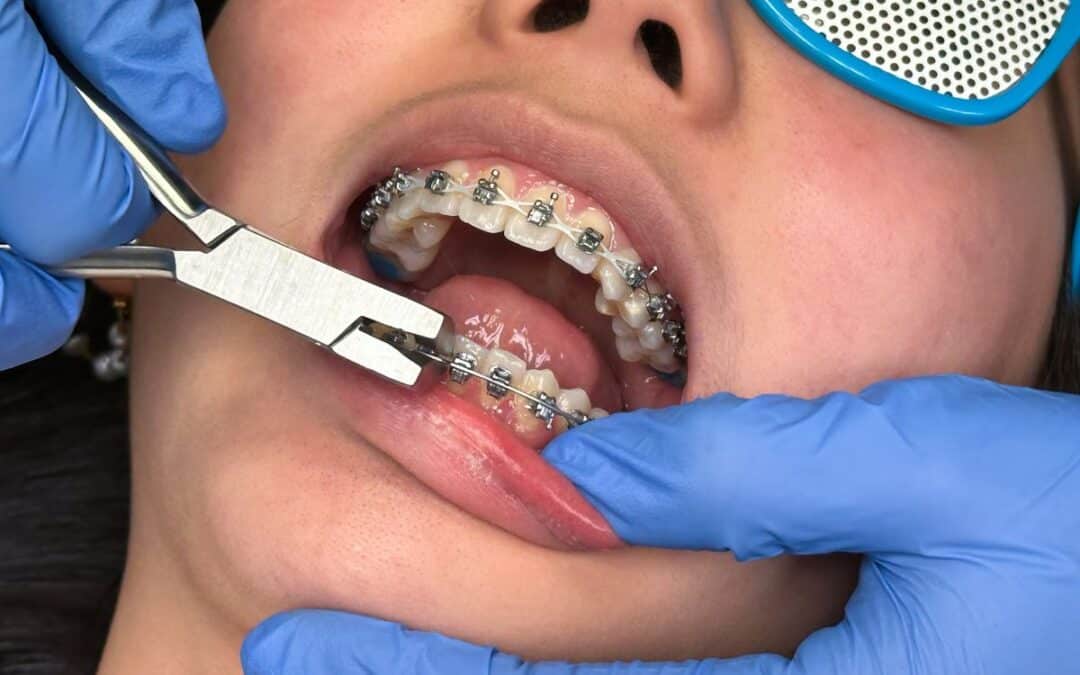
Braces transform smiles by aligning teeth over time. Many patients, however, face a surprise: gums start bleeding more often during brushing or flossing. This change feels alarming but usually has straightforward explanations. With consistent care, most people see improvement quickly. Let’s break down the causes and share practical steps to restore comfort and health.
Understanding Gum Bleeding with Braces
Braces apply gentle pressure to move teeth. Gums respond to this shift with temporary sensitivity. The hardware also changes how you clean your mouth.
Food particles stick more easily around brackets and wires. Plaque builds up faster in those spots. Bacteria then irritate the gum tissue.
Gingivitis often develops as a result. It’s the early, reversible form of gum disease. Symptoms include redness, swelling, and bleeding. Research shows orthodontic patients experience higher rates of this due to cleaning difficulties.
Common Causes of Increased Bleeding
Hygiene challenges rank highest. Standard brushing misses areas near brackets. Flossing feels awkward at first.
Tightening appointments cause short-term soreness. Gums may bleed briefly after adjustments as tissues adapt.
Metal parts sometimes rub soft tissue. This leads to minor irritation or small abrasions.
Hormones influence gum reactions too. Growing teens often notice more sensitivity during treatment.
Dietary choices matter. Sugary or acidic items fuel bacteria and inflame gums further.
How Braces Impact Oral Health
Appliances create new surfaces for plaque. Complete removal becomes tougher without adapted techniques.
Bacteria release acids that harm gum tissue. Bleeding acts as an early warning sign from your body.
In places like Whitehouse, TX, patients getting braces in Whitehouse, TX benefit from local guidance on routines that prevent escalation. Consistent habits keep complications low.
Occasional tissue overgrowth around brackets appears. Known as hyperplasia, it typically resolves with better care.
Prevention Strategies for Healthier Gums
Switch to a soft-bristled brush. Hold it at a 45-degree angle to the gumline. Use gentle circular motions for full two minutes, twice a day.
Electric toothbrushes excel at reaching tight spaces. Their vibrations dislodge debris effectively.
Floss every day using threaders or water flossers. These tools glide under wires without hassle.
Add an antimicrobial mouthwash rinse. It cuts bacterial levels. Fluoride options also protect enamel.
Pick braces-friendly foods. Go for soft produce and avoid chewy or sticky treats.
Drink plenty of water. It naturally rinses particles and boosts saliva flow.
Addressing Yellow Stains on Braces Bands
Patients sometimes point out yellow stains on braces bands during visits. These often come from plaque or food pigments building up over time. A professional polish refreshes the look, and we can suggest small tweaks to your daily routine to keep them minimal moving forward.
When to Seek Professional Help
Bleeding that lingers beyond a week deserves attention. Contact your provider promptly.
Watch for infection signs like pus, fever, or severe swelling. Act quickly on these.
Regular professional cleanings every six months remove hidden buildup. They support your home efforts.
Trending FAQs on Gum Bleeding with Braces
Online searches reveal common concerns. Here are answers to frequently asked questions drawn from popular queries:
- Is it normal for gums to bleed when you first get braces? Yes, early bleeding is typical from adjustment pressure and initial irritation. It often calms within days with diligent care.
- How do I stop my gums from bleeding with braces? Focus on thorough brushing, daily flossing with tools, and mouthwash use. Persistent cases benefit from professional evaluation.
- Why do my gums bleed when I floss with braces? Flossing removes plaque that irritates already sensitive gums. Regular practice helps gums toughen and bleeding decrease.
- Can braces cause permanent gum damage? Rarely, with good hygiene. Untreated gingivitis might lead to recession, but prompt action usually prevents long-term issues.
- What toothpaste is best for bleeding gums with braces? Choose fluoride formulas with anti-gingivitis agents. Skip highly abrasive types that could damage hardware.
Statistics on Gum Health During Orthodontic Treatment
Key data from studies highlights the value of proactive steps:
| Issue | Prevalence in Braces Wearers | Notes |
|---|---|---|
| Gingival Inflammation | Up to 70% in first year | Tied to plaque around brackets; hygiene resolves most cases. |
| Bleeding on Probing | 50-60% increase | Bacterial buildup main factor; cleanings lower risk. |
| Gingival Recession | 2-3% post-treatment | Uncommon; linked to neglected care. |
| Plaque Accumulation | 40% higher than non-wearers | Extra surfaces from braces; daily tools help control it. |
These numbers show why routines make a big difference. Early habits reduce risks sharply.
Additional Tips for Comfort
Apply orthodontic wax over sharp edges. It prevents rubbing.
Use approved pain relievers for soreness. Stick to recommended doses.
Gently massage gums with clean fingers after eating. It promotes circulation.
Note patterns in a simple journal. Share observations at check-ups.
If you are searching for an orthodontist near you in Whitehouse, TX, nearby experts offer tailored support for your specific situation.
Long-Term Benefits of Managing Gum Health
Good gum care now supports successful alignment later. Healthy tissues hold teeth in place better.
Fewer bleeding episodes keep treatment smooth. Progress continues without delays.
After braces, strong gums maintain your results. Retainers work more effectively.
Oral health ties to overall wellness. Protected gums lower risks for broader issues.
Build these habits today. They create benefits that last a lifetime.
Your orthodontic experience improves dramatically with attention to gum health. Small daily changes yield big rewards in comfort and results. Schedule an appointment, visit or give us a call—we’re here to help you every step of the way.