
by 110 Dental & Orthodontics | Dec 12, 2024 | Braces, Orthodontics
The holiday season brings delightful treats and festive fun, but it can also challenge your oral care routine. Maintaining your orthodontic appliances during Christmas is crucial for effective treatment and a beautiful smile. If you are willing to know how to keep your braces while enjoying this festive season, this blog will be your most needed guideline. Here, we will discuss how orthodontic care ensures long-term dental health and share practical tips for keeping your fixed oral appliances in great shape this holiday season.
The Issues Dental Braces Keep Away
Orthodontic treatment does more than align teeth; it prevents complex dental complications that could arise from misalignment or crowding. Here are some of the oral problems that this teeth straightening procedure can treat:
- Malocclusion: Crooked teeth increase the risk of gum disease and tooth decay by trapping food particles. Proper alignment reduces these risks.
- Jaw Stress: Misaligned teeth strain jaw joints, leading to conditions like temporomandibular joint (TMJ) disorders. These oral appliances realign your bite to alleviate stress.
- Speech Difficulties: Malalignment can affect speech clarity. The traditional teeth aligners help improve speech by creating a balanced oral structure.
- Chewing Problems: Misaligned bites hinder efficient chewing, causing digestive issues. Straightened teeth enable proper food breakdown.
Orthodontic appliances correct these issues over time, promoting oral health and function. Ensuring their upkeep during festivities is essential to achieve optimal results.
Tips to Keep Your Braces Jolly This Christmas
Celebrations often tempt us with sticky sweets and tough treats. Follow these steps to safeguard your orthodontic treatment this Christmas:
Choose Oral-Friendly Festive Foods
Holiday tables often include hard candies, sticky caramel, or crunchy nuts, which can damage fixed oral appliances. Opt for softer options like mashed potatoes, turkey, or tender veggies. Avoid chewing on candy canes or biting into whole apples to make sure your braces in Whitehouse are in perfect shape.
Maintain Strict Oral Hygiene
Sugary treats can lead to plaque buildup, especially around brackets and wires. Brush after meals using fluoride toothpaste and an orthodontic toothbrush. Flossing daily is vital—use floss threaders or water flossers to clean hard-to-reach areas.
Wear Orthodontic Wax for Comfort
Bracket irritation may increase during this season’s frequent dining events. Orthodontic wax protects your inner cheeks and lips from discomfort. Carry it with you to ensure quick relief when needed.
Steer Clear of Fizzy Beverages
Acidic and sugary drinks, such as sodas and punches, weaken enamel and increase cavity risks. Stick to water or festive non-alcoholic options like sparkling apple cider in moderation.
Be Prepared for Emergencies
Accidents can happen even with the best care. If wires snap or brackets loosen, contact your orthodontist in Whitehouse immediately. Keep an emergency repair kit handy with wax, tweezers, and orthodontic pliers for temporary fixes.
Stick to Scheduled Appointments
December can be hectic, but keeping up with the checkups is essential. Visit 110 Dental & Orthodontics for adjustments and assessments to ensure your treatment progresses smoothly.
Use Your Aligners Consistently
If using removable aligners, wear them as directed, even during holiday meals or parties. If wear time is skipped, progress may be delayed.
Protect Your Appliances During Activities
Playing winter sports? Wear a custom mouthguard over your fixed oral appliance to shield it from impacts during games.
Monitor Your Oral Health
Holidays often distract from dental health. Inspect your appliances daily for loose brackets or bent wires. Address minor issues promptly to avoid treatment delays.
Communicate with Your Orthodontist
Reach out to your orthodontist for advice on managing any festive indulgences safely. Local practices like those offering orthodontic services near your location are familiar with your community’s needs and traditions.
Keeping your teeth aligners in top condition during the festive season ensures successful orthodontic treatment outcomes. By maintaining a diligent care routine and avoiding potential hazards, you’ll keep your smile healthy and bright all year long. Ready to prioritize your oral health this Christmas? Contact 110 Dental & Orthodontics today and request an appointment to stay on track with your treatment goals.
by 110 Dental & Orthodontics | Dec 4, 2024 | Braces, Invisalign
Effective orthodontic care is essential for a straighter, healthier smile. When considering teeth straightening, two leading options are available in Texas: traditional metal braces and innovative Invisalign aligners. Both methods are highly effective in aligning teeth, but the decision between them often depends upon factors like treatment speed, aesthetics, and individual lifestyle needs. As trusted orthodontic professionals, we are committed to helping you choose the solution that offers the best results in the shortest time.
Braces: The Traditional Choice for Teeth Alignment
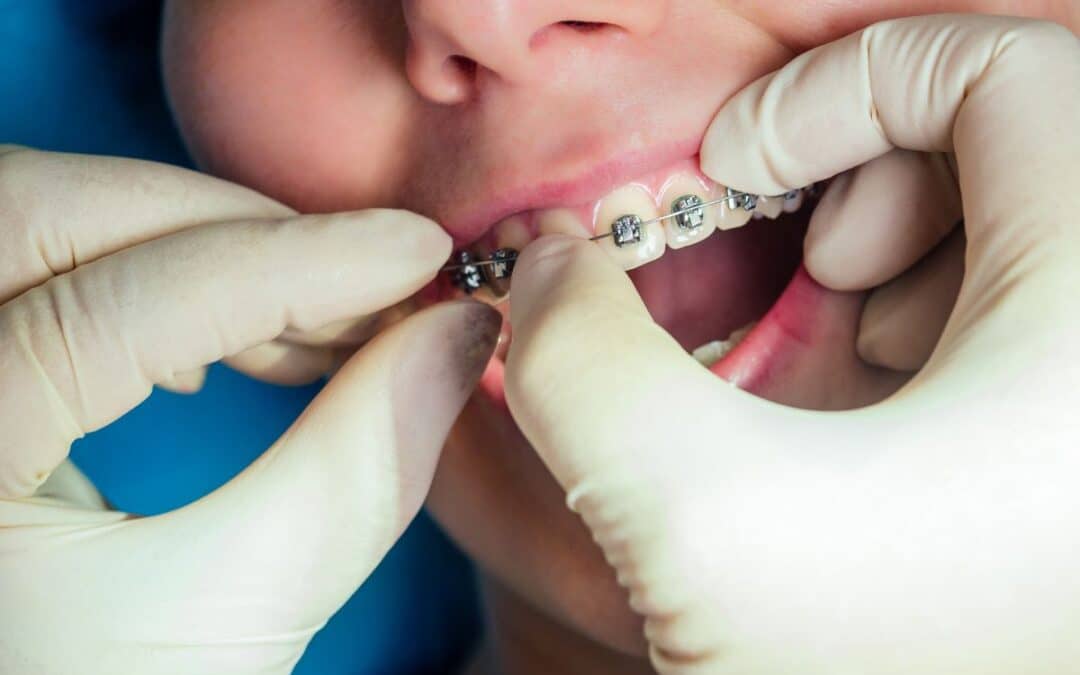
Braces have been the cornerstone of orthodontic treatment for decades. This classic solution involves metal brackets bonded to teeth and connected with a wire. Over time, adjustments are made to move the teeth into alignment gradually. They are highly effective for correcting dental concerns, from simple alignment to complex bite issues. Consult with an orthodontist in Whitehouse if you want to straighten your teeth.
Advantages-
- Versatility: Braces are highly effective for orthodontic issues, including severe misalignment and bite corrections.
- Precise Control: Orthodontists can exercise more control over the movement of each tooth.
- Proven Results: They have been used for years to treat children and adults with reliable, lasting results.
Invisalign: The Clear Alternative to Traditional Braces
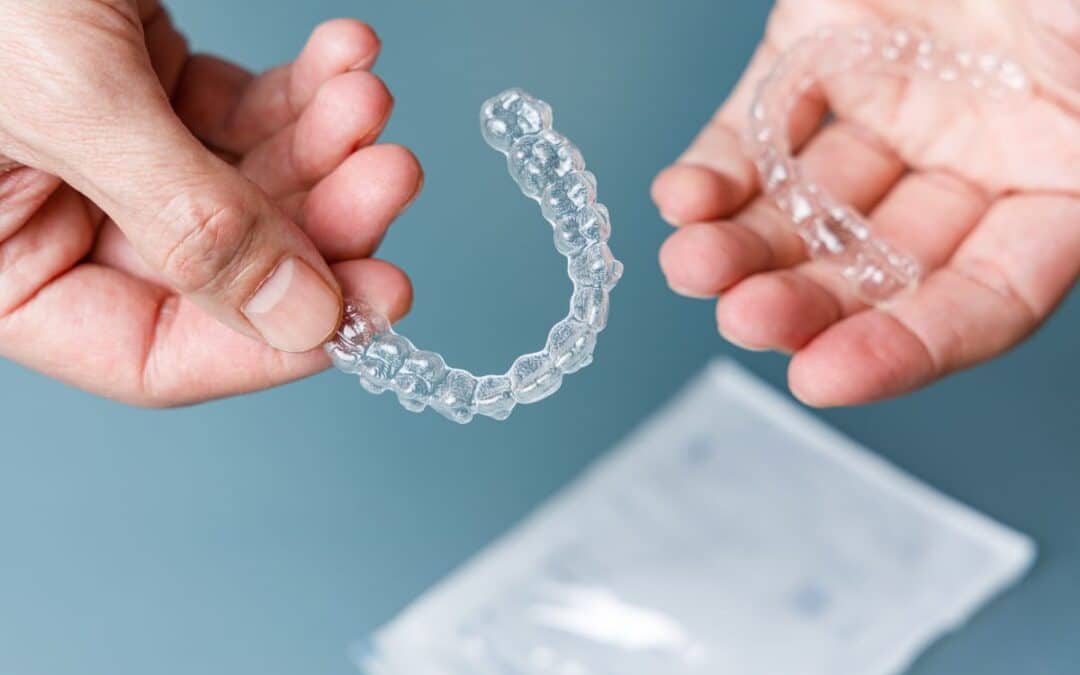
It offers a modern, discreet alternative to braces. Instead of metal brackets and wires, this treatment uses a series of clear, custom-made aligners that fit comfortably over your teeth. These removable aligners make eating, drinking, and maintaining oral hygiene easier. These clear teeth straighteners have quickly gained popularity, especially among adults and teenagers who prefer a less noticeable way to straighten their teeth.
Advantages:
- Aesthetic Appeal: Invisalign in Whitehouse is virtually invisible, making it ideal for those seeking a subtle treatment.
- Comfortable Fit: Made from smooth, clear plastic, transparent aligners cause less irritation to your gums and mouth than traditional metal aligners.
- Convenient: Because they are removable, they allow you to eat and drink without restrictions and maintain easy oral hygiene.
- Fewer Appointments: The invisible aligner requires fewer visits to the orthodontist for adjustments.
Critical Differences Between Braces and Invisalign
Understanding the key differences between these two orthodontic treatments is important in choosing the best treatment for you-
- Appearance: Braces are visible with metal components, while invisible aligners are clear and discreet.
- Comfort: Traditional straighteners can cause discomfort and irritation due to metal wires and brackets, while clear aligners are smooth and gentle.
- Dietary Restrictions: With wired aligners, you may need to avoid certain foods that could damage the wires or brackets. The transparent ones are removable, so you can enjoy all foods without worry.
- Treatment Duration: Treatment times can vary depending on the case’s complexity, but transparent tooth straightener tends to have a shorter overall duration for many patients.
Which Treatment is Faster: Invisalign or Braces?
When considering which treatment is faster, transparent braces often have the edge for those with mild to moderate misalignment. Since it is ideal for cases requiring less complex movements, the treatment time tends to be shorter than the traditional method. However, traditional aligners may be better for more intricate cases involving significant bite correction or severe misalignment, though the treatment time could be longer.
How Much Time Is Needed for Both Treatments?
On average, the duration of treatment is as follows:
- Invisalign Treatment: Typically lasts between 7 to 18 months, depending on the severity of the misalignment and the individual treatment plan.
- Metal Braces Treatment: Generally requires 20 to 24 months, particularly for patients with more complex orthodontic issues.
Factors That Affect Treatment Time
Several factors can influence how long it takes to complete either treatment. These factors include:
- Type of Movement Required: Complex movements, such as rotating or extruding teeth, may extend the length of treatment.
- Following Treatment Instructions: Adhering to your orthodontist’s recommendations, such as wearing Invisible aligners for the recommended hours per day, can help speed up treatment.
- Severity of Misalignment: More severe cases of crowding or bite problems generally require longer treatment times.
- Patient’s Dental Health: Healthy teeth and gums tend to move more efficiently, potentially shortening treatment time.
- Adjustment Appointments: Regular adjustment appointments are essential for braces. Invisalign generally requires fewer in-person visits.
Choosing between the above two orthodontic treatments ultimately depends on your unique situation. While both are highly effective in achieving a beautiful, straight smile, the best choice for you will depend on the severity of your dental concerns, your lifestyle, and how quickly you want to see results. Invisalign often offers a faster and more discreet solution for less complex cases, while metal teeth straighteners provide a comprehensive treatment option for many dental issues.
At 110 Dental & Orthodontics of Whitehouse, TX, our orthodontists specialize in helping patients achieve their ideal smile with customized treatment plans. Whether you choose Invisalign or braces, our team will guide you through every step of the process. If you’re ready to start your journey toward a confident smile, contact us today to schedule an appointment.
by 110 Dental & Orthodontics | Oct 28, 2024 | Braces
Getting braces is an exciting step toward achieving a straight, beautiful smile. However, one common concern many people have before beginning orthodontic treatment is whether braces hurt. While braces can cause some discomfort, especially in the first few days after they’re placed or adjusted, the pain is generally manageable. In this blog, we’ll explore what kind of pain you can expect with braces and provide effective tips for managing discomfort throughout your orthodontic journey.
Do Braces Hurt?
The short answer is: Yes, braces can cause some discomfort, but the pain is usually mild and temporary. When braces are first applied or adjusted, they work by gradually shifting your teeth into their correct positions. This movement puts pressure on your teeth and jaw, leading to soreness or sensitivity.
The good news is that the discomfort associated with braces is generally most noticeable right after they are placed or tightened, and it tends to subside within a few days. Your mouth may feel sore as your teeth start adjusting to the pressure, and your cheeks, lips, and tongue may also experience some irritation as they get used to the brackets and wires.
Types of Discomfort with Braces
Here are some common types of discomfort you might experience with braces:
- Sore Teeth: After your braces are tightened or when they are first put on, your teeth may feel sore for a few days. This is because the braces are applying pressure to move your teeth.
- Irritated Gums and Cheeks: The brackets and wires can rub against the soft tissues in your mouth, causing irritation. You might notice small sores or feel some tenderness, especially in the first few weeks.
- Jaw Pain: In some cases, the realignment of your teeth can cause mild jaw pain, particularly if you are using elastics or other orthodontic appliances to adjust your bite.
- Tightness or Pressure: The feeling of tightness or pressure after an adjustment is common as your teeth respond to the new force exerted by the braces.
How Long Does the Pain Last?
The discomfort associated with braces is usually most intense during the first few days after they are placed or adjusted. Typically, the soreness will begin to lessen within three to five days. After about a week, most patients find that their pain has diminished significantly or disappeared altogether. Over time, as your mouth becomes accustomed to the braces, you will likely experience less discomfort after adjustments.
Tips for Managing Pain and Discomfort
If you’re experiencing pain or discomfort from your braces, don’t worry—there are several effective ways to alleviate it. Here are some practical tips for managing the discomfort that comes with orthodontic treatment:
1. Over-the-Counter Pain Relievers
One of the easiest ways to manage the pain from braces is to take over-the-counter pain relievers like ibuprofen (Advil) or acetaminophen (Tylenol). These medications can help reduce inflammation and relieve soreness. Be sure to follow the recommended dosage instructions and consult your orthodontist if you have any concerns.
2. Orthodontic Wax
Orthodontic wax is a great tool for minimizing irritation caused by the brackets and wires. If you notice that the metal is rubbing against the inside of your cheeks or lips, apply a small amount of orthodontic wax to the area to create a barrier. This will reduce friction and help prevent sores or discomfort.
3. Use a Saltwater Rinse
A warm saltwater rinse can help soothe irritated gums and soft tissues. Mix about half a teaspoon of salt into a glass of warm water, swish it around your mouth for 30 seconds, and then spit it out. Doing this a few times a day can promote healing and reduce inflammation.
4. Stick to Soft Foods
In the days following an adjustment or when you first get your braces, eating soft foods can help minimize discomfort. Stick to foods like mashed potatoes, yogurt, soups, scrambled eggs, and smoothies, which are easy to chew and won’t put extra pressure on your sore teeth.
5. Cold Compress
If you’re experiencing jaw pain or soreness in your gums, applying a cold compress to the outside of your face can help. The cold will reduce inflammation and numb the area, providing relief from the discomfort.
When to Contact Your Orthodontist
While some discomfort is normal with braces, there are times when you should contact your orthodontist. If you experience severe pain, a broken bracket or wire, or sores that don’t heal, it’s essential to reach out to your orthodontist for advice and possible adjustments.
Although braces can cause some pain and discomfort, it is usually mild, temporary, and manageable with proper care. By following the tips outlined above, you can reduce discomfort and ensure a smoother orthodontic experience. With time, your mouth will adjust to the braces, and you’ll be on your way to achieving a beautiful, straight smile!

by 110 Dental & Orthodontics | Aug 8, 2023 | Braces, Invisalign, Orthodontics
The field of orthodontics has witnessed a remarkable evolution over the years, and one of the most notable advancements is the introduction of Invisalign. Gone are the days when traditional metal braces were the only option for achieving a straighter smile. In this article, we’ll explore why Invisalign is emerging as the future of orthodontics, revolutionizing the way we approach teeth alignment with its discreet, comfortable, and effective features.
Why Invisalign Is The Future Of Orthodontics
1. Aesthetics:
One of the primary reasons Invisalign is gaining popularity is its aesthetic appeal. Unlike traditional braces, Invisalign aligners are virtually invisible. Made from clear, medical-grade plastic, these aligners blend seamlessly with your teeth, allowing you to achieve a straighter smile without the noticeable appearance of metal braces.
2. Comfort and Convenience:
Invisalign aligners are designed for comfort. Crafted using advanced 3D printing technology, they are custom-made to fit snugly over your teeth. The smooth edges eliminate the discomfort and irritation often associated with metal brackets and wires. Additionally, Invisalign aligners can be easily removed, allowing you to enjoy your favorite foods and maintain optimal oral hygiene without any hindrance.
3. Digital Precision:
Invisalign treatment begins with a digital scan of your teeth, which is used to create a personalized treatment plan. This digital approach ensures unparalleled precision in predicting the movement of your teeth throughout the treatment process. Each set of aligners is precisely calibrated to guide your teeth into their desired positions, resulting in efficient and accurate results.
4. Reduced Treatment Time:
Invisalign often boasts faster treatment times compared to traditional braces. The digital treatment planning and custom-made aligners work together to optimize the movement of your teeth, potentially leading to quicker results. While treatment times vary depending on individual cases, Invisalign’s efficiency is an attractive feature for many patients.
5. Fewer Office Visits:
Traditional braces typically require frequent office visits for adjustments. In contrast, Invisalign treatment involves fewer in-person appointments. You’ll receive a series of aligners at each stage of your treatment plan, and you’ll only need to visit your orthodontist periodically to monitor your progress.
6. Gradual and Gentle Alignment:
Invisalign aligners work by exerting gentle pressure on your teeth to guide them into their desired positions. This gradual and controlled approach minimizes discomfort and reduces the risk of root resorption, a potential concern with traditional braces.
7. Improved Oral Hygiene:
Maintaining oral hygiene can be challenging with traditional braces due to the presence of brackets and wires that can trap food particles. With Invisalign, you can remove the aligners when eating and performing your oral hygiene routine, ensuring that your teeth and gums stay healthy throughout your treatment journey.
8. Versatile Treatments:
Invisalign is not limited to mild orthodontic issues; it can address a wide range of dental misalignments, including crowding, spacing, overbites, underbites, and crossbites. Whether your case is simple or complex, Invisalign offers a versatile solution for achieving your desired smile.
The Bottom Line
Invisalign is more than just an alternative to traditional braces; it represents a new era in orthodontics. With its discreet appearance, comfort, convenience, and digital precision, Invisalign is reshaping the way individuals approach teeth alignment. As more people seek effective and aesthetically pleasing orthodontic solutions, Invisalign’s position as the future of orthodontics is firmly established, offering a path to a straighter smile that is both modern and transformative.
by 110 Dental & Orthodontics | Apr 19, 2023 | Braces, Invisalign, Orthodontics
Have you ever wished you had straighter teeth? Perhaps you’ve been self-conscious about your smile, or maybe you’ve experienced discomfort due to misaligned teeth. Whatever the reason may be, know that it’s never too late for orthodontic treatment! Many adults are now seeking orthodontic treatment to improve their dental health and enhance their appearance. In this blog post, we’ll explore the different types of orthodontic treatments available for adults, what to expect during treatment, and how to get started on your journey towards a healthier smile.
Orthodontic Treatment For Adults
Orthodontic treatment for adults is becoming increasingly popular, with more and more individuals seeking to improve their dental health and enhance the appearance of their smile. Unlike children, adult orthodontic patients often have fully developed jaws and facial bones that can make treatment a bit more challenging but still possible.
There are many reasons why an adult may choose to undergo orthodontic treatment. For some, it may be purely cosmetic – they want straighter teeth or a brighter smile. Others may experience discomfort due to misaligned teeth, such as difficulty chewing or speaking properly. The good news is that there are several types of orthodontic treatments available for adults. Traditional braces using metal brackets and wires remain a popular option in certain cases. However, clear aligners like Invisalign have gained popularity in recent years since they’re nearly invisible while being worn.
If you’re an adult considering orthodontic treatment don’t hesitate any longer! Schedule an appointment with your dentist or orthodontist today to discuss your options and start taking steps towards achieving the healthy beautiful smile you’ve always wanted!
Types Of Orthodontic Treatment
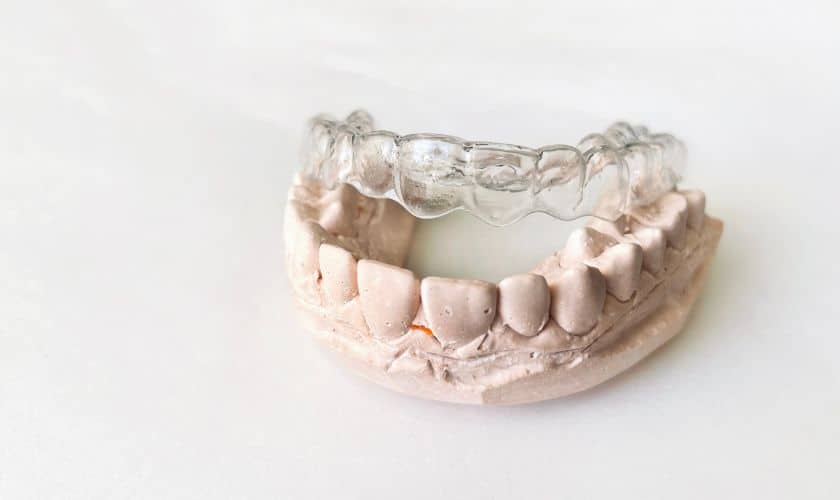
There are different types of orthodontic treatment available for adults who want to straighten their teeth. The most common type is traditional braces, which use brackets and wires to move the teeth into proper alignment over time. Another option is clear aligners, such as Invisalign, which are custom-made plastic trays that fit snugly over the teeth and gradually shift them into place.
In addition to these options, there are also lingual braces, which are attached to the back of the teeth instead of the front. This makes them less noticeable but can make it harder to keep them clean. Ceramic braces are another alternative that uses tooth-colored brackets and wires for a more discreet look. For those with more complex dental issues or jaw misalignment problems, surgical orthodontics may be necessary in conjunction with traditional braces or other treatments. Your orthodontist will evaluate your specific needs and recommend the best course of action for you. No matter what type of treatment you choose, it’s important to follow all instructions from your orthodontist and attend regular appointments for adjustments and maintenance throughout your treatment plan.
What To Expect During Orthodontic Treatment
Beginning orthodontic treatment as an adult can feel overwhelming, but understanding what to expect during the process can help ease any anxiety you may have. During your initial consultation with an orthodontist, they will examine your teeth and discuss which type of treatment is best for you. This could involve traditional braces or clear aligners like Invisalign.
Once the treatment plan has been decided upon, you will receive instructions on how to care for your teeth and appliances. It’s important to follow these instructions closely in order to achieve optimal results. Throughout the course of treatment, regular appointments with your orthodontist will be necessary. These appointments allow them to monitor progress and make any necessary adjustments to ensure that everything is going smoothly.
It’s normal to experience some discomfort during this time as teeth shift into their new positions. Over-the-counter pain medication can help manage any soreness or discomfort that arises. Once treatment is complete and appliances are removed, a retainer must be worn in order to maintain the corrected position of your teeth. Following all post-treatment instructions provided by your orthodontist is crucial for maintaining long-term success.
The Bottom Line
Getting orthodontic treatment as an adult is a big decision that can have a significant impact on your oral health and overall confidence. It’s never too late to straighten your teeth and achieve the smile you’ve always wanted!

by 110 Dental & Orthodontics | Apr 10, 2023 | Braces, Invisalign, Orthodontics
Are you tired of dealing with the discomfort and inconvenience of traditional metal braces? Or maybe you’re hesitant to invest in clear aligners like Invisalign without knowing if they really live up to the hype. Well, fear not! Today we’re breaking down the pros and cons of both options so you can make an informed decision about which orthodontic treatment is right for you. Get ready to say goodbye to crooked teeth and hello to a confident smile!
What Are Invisalign And Traditional Braces?
If you’re considering orthodontic treatment to straighten your teeth, you may be wondering whether Invisalign or traditional braces are the better option. Both Invisalign and traditional braces can effectively straighten teeth, but there are some important differences to consider.
Invisalign is a clear aligner system that uses custom-made, removable aligners to gradually move teeth into their desired position. Invisalign is virtually invisible when worn, so many people prefer it for its cosmetic appeal. Traditional braces, on the other hand, use metal brackets and wires affixed to the teeth to achieve the same results. While traditional braces are less conspicuous than they used to be, they are still more visible than Invisalign. Another key difference between Invisalign and traditional braces is that Invisalign aligners can be removed for eating, drinking, brushing, and flossing—making them much more comfortable and convenient than fixed braces. Traditional braces cannot be removed except by a dentist or orthodontist, so they require more careful cleaning and can be more difficult to keep clean.
Finally, Invisalign treatment typically takes less time than traditional braces—sometimes as little as 12 months compared to 24 months or more for metal braces. If you’re looking for a straighter smile without the hassle of metal brackets and wires, Invisalign may be the right choice for you.
Which Is Better For You?
There are many factors to consider when choosing between Invisalign and traditional braces. Here are a few things to keep in mind:
1.Invisalign is nearly invisible, which may be important to you if you’re self-conscious about wearing braces.
2.Invisalign requires you to be more diligent in cleaning your teeth, since aligners can trap food and bacteria.
3.With traditional braces, you’ll have to avoid certain foods that could damage the brackets or wires.
Ultimately, the best option for you depends on your individual needs and preferences. Talk to your orthodontist to learn more about each treatment option and make the best decision for your smile!
Invisalign Or Traditional Braces: Which Is Faster?
If you’re considering Invisalign or traditional braces, one of your main concerns is probably how long treatment will take. After all, no one wants to be in braces for longer than necessary! So, which type of braces is faster?
In general, Invisalign work faster than traditional braces. With Invisalign, the average treatment time is about 12 months. Traditional braces, on the other hand, usually take 18 to 24 months to achieve results.
So, if you’re trying to decide between Invisalign and traditional braces, ask your orthodontist which type of treatment will work best for your individual case.
The Bottom Line
Invisalign and traditional braces are both effective orthodontic treatments for correcting crooked teeth. When it comes to which treatment is better, it depends on the individual’s needs. If you have a specific time frame for getting your teeth straightened, traditional braces may be a better option as they tend to be faster. However, if aesthetics are more important or you don’t want metal brackets in your mouth, then Invisalign might be the way to go. Ultimately, this decision should be made between you and your dentist based on what will give you optimal results in the long run.