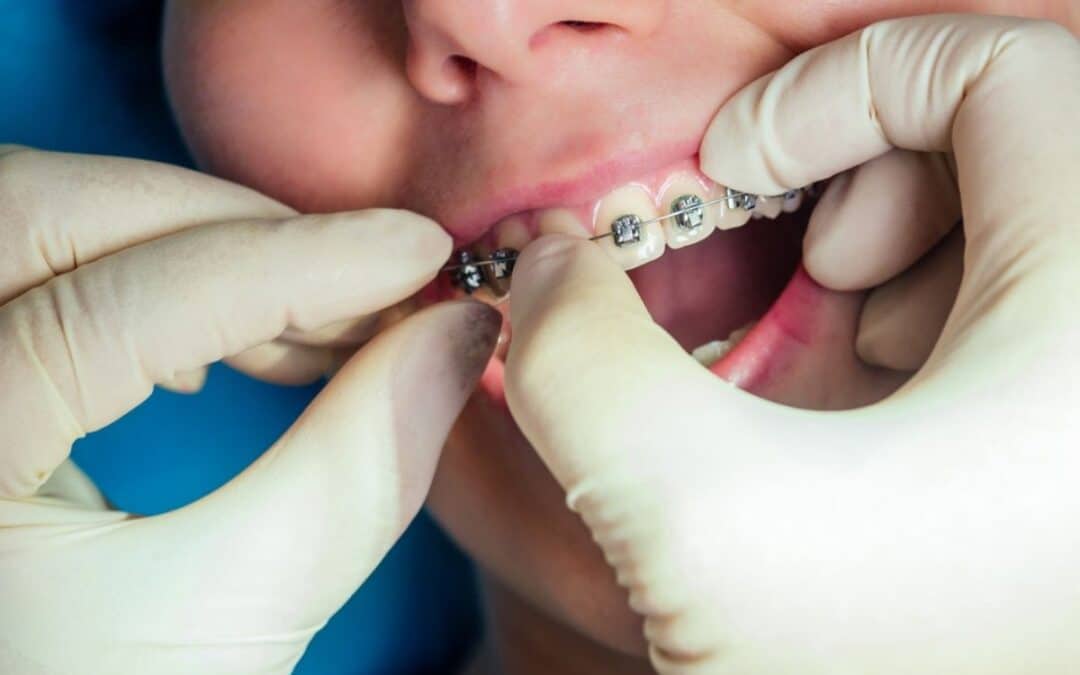
Braces are a transformative tool for achieving a confident, aligned smile, but they can sometimes encounter issues that require immediate attention. Whether you’re midway through your orthodontic journey or just starting, knowing how to spot signs of trouble can save you discomfort and keep your treatment on track. In this blog, we’ll walk you through the key indicators that your braces need emergency repair, offer practical tips for managing issues, and share insights to ensure your orthodontic experience remains smooth and effective. Let’s dive into what you need to watch for to maintain your braces in top shape.
Understanding How Braces Work
Braces consist of brackets, wires, and bands that work together to gradually shift your teeth into proper alignment. The brackets are bonded to your teeth, while the archwire applies gentle pressure to guide movement. This system is durable but not indestructible. Every day activities like eating or accidental impacts can sometimes cause damage, leading to the need for urgent repairs. Recognizing the signs of a problem early can prevent delays in your treatment and avoid further complications.
Common Signs Your Braces Need Emergency Repair
Several issues can signal that your braces require immediate attention. Here’s what to look for:
Broken or Loose Brackets
If a bracket comes loose or breaks off, it can’t apply the necessary pressure to move your tooth. This often happens after biting into hard foods like apples or nuts. A loose bracket may also irritate your gums or cheeks, causing discomfort. If you notice a bracket dangling or completely detached, it’s time to schedule a repair.
Poking or Broken Wires
Archwires can sometimes snap or bend, especially if you’ve eaten something sticky or hard. A broken wire might poke into your gums, tongue, or cheeks, leading to soreness or cuts. If the wire is protruding, you may feel sharp pain or irritation. This is a clear sign that your braces need urgent attention to prevent further injury.
Loose Bands or Spacers
Bands and spacers help create space and secure the braces to your teeth. If a band becomes loose or a spacer falls out, it can disrupt your treatment. You might feel a gap or notice increased movement in your braces. This issue can also lead to food getting trapped, increasing the risk of decay or gum irritation.
Severe Pain or Discomfort
Some discomfort is normal with braces, especially after adjustments. However, sudden, intense pain that doesn’t subside could indicate a problem. For instance, a wire might have shifted and be pressing against your gums, or a bracket may be rubbing excessively. Persistent pain warrants a check-up to ensure nothing is seriously wrong.
Swollen or Bleeding Gums
Gums that are unusually swollen, red, or bleeding around your braces could signal an issue. This might happen if a broken component is irritating the tissue or if food particles are trapped, leading to inflammation. While mild gum sensitivity is common, severe symptoms should not be ignored.
What to Do If You Notice These Signs
If you spot any of these issues, don’t panic. First, assess the severity. For minor irritations, like a poking wire, you can use orthodontic wax to cover the sharp edge temporarily. Avoid eating hard or sticky foods to prevent further damage. Next, reach out to your orthodontic provider as soon as possible. They can advise you on whether the issue requires an immediate visit or if it can wait for a scheduled appointment. In the meantime, rinse your mouth with warm saltwater to reduce irritation and keep the area clean.
How to Prevent Emergency Repairs
Prevention is always better than a fix. Here are some tips to keep your braces in good condition:
- Avoid hard, sticky, or chewy foods like caramel, popcorn, or ice.
- Cut tough foods like carrots or apples into smaller pieces before eating.
- Wear a mouthguard if you play sports to protect your braces from impact.
- Maintain good oral hygiene by brushing and flossing daily to prevent food buildup.
- Attend all scheduled orthodontic appointments to catch potential issues early.
By following these habits, you can reduce the likelihood of needing emergency repairs and keep your treatment progressing smoothly.
Finding Reliable Orthodontic Care
For those in the area, seeking care for braces in Whitehouse, TX, ensures you have access to professionals who can address emergencies promptly. Local orthodontic practices are equipped to handle repairs, from fixing broken brackets to adjusting wires. Choosing a provider with experience in handling urgent cases can make a big difference in your treatment journey. Make sure to ask about their availability for emergency appointments so you’re prepared if an issue arises.
Trending FAQs on Braces Emergency Repairs
Here are some frequently asked questions about braces repairs, sourced from common Google searches:
- What should I do if my braces wire is poking me? Use orthodontic wax to cover the wire, and contact your orthodontist for a quick fix.
- Can I fix a loose bracket at home? No, avoid trying to fix it yourself. A professional repair is necessary to ensure proper alignment.
- How do I know if my braces are damaged? Look for signs like broken wires, loose brackets, or sudden pain that doesn’t go away.
- What happens if I ignore a broken brace? Ignoring damage can delay your treatment and lead to discomfort or further complications.
- How often do braces need repairs? It varies, but most patients experience at least one minor issue during treatment.
These questions reflect common concerns and highlight the importance of addressing issues quickly to maintain your orthodontic progress.
When to Contact Your Orthodontist
Not every issue requires an emergency visit, but some situations shouldn’t wait. If you experience severe pain, significant bleeding, or a component that’s causing injury, don’t delay. For instance, a wire that’s deeply embedded in your gums or a bracket that’s come completely off needs prompt attention. A trusted orthodontist in Whitehouse, TX, can provide the expertise needed to handle these situations effectively. They’ll assess the damage, perform the necessary repairs, and ensure your treatment stays on course. Always keep their contact information handy for quick access during emergencies.
Navigating the ups and downs of braces doesn’t have to be overwhelming. By staying vigilant for signs of trouble, taking preventive steps, and knowing when to seek help, you can keep your orthodontic journey on the right path. Emergencies can happen, but with the right knowledge and support, you’ll be prepared to handle them confidently. A well-maintained set of braces brings you one step closer to the smile you’ve been dreaming of, so don’t hesitate to reach out for help when you need it.