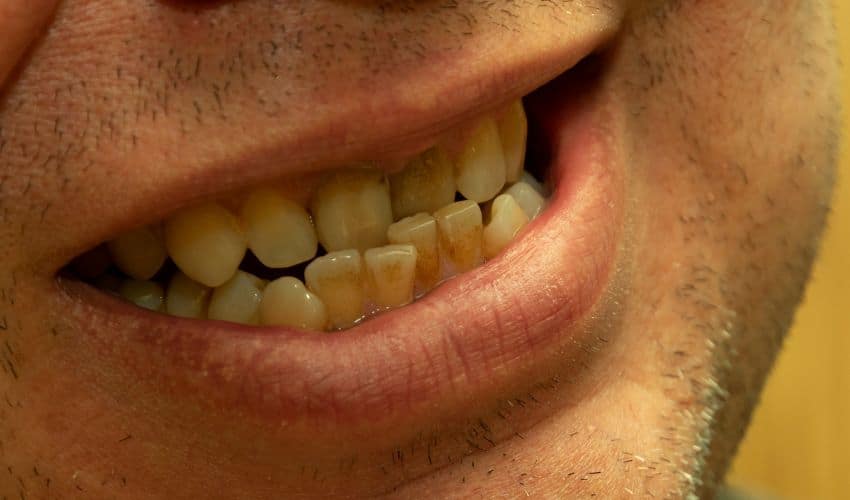
Malocclusion, commonly known as misalignment of the teeth or a “bad bite,” is a prevalent dental condition that affects people of all ages. It can impact not only the aesthetics of a smile but also the overall oral health and functionality of the mouth. This blog post will delve into the types of malocclusion, its causes, symptoms, and the various treatment options available to correct it.
What is Malocclusion?
Malocclusion refers to the improper alignment of the teeth when the jaws are closed. It can manifest in various forms, including overcrowded teeth, overbites, underbites, crossbites, and open bites. Proper alignment ensures that the upper and lower teeth fit together correctly, which is crucial for efficient chewing, speech, and maintaining oral health.
Types of Malocclusion
Malocclusion can be categorized into three main classes:
Class I Malocclusion
This is the most common type, where the bite is normal, but there are issues with the alignment of the teeth, such as crowding or spacing.
Class II Malocclusion
Also known as retrognathism or overbite, this occurs when the upper jaw and teeth significantly overlap the lower jaw and teeth.
Class III Malocclusion
Known as prognathism or underbite, this type occurs when the lower jaw protrudes forward, causing the lower teeth to overlap the upper teeth.
Causes of Malocclusion
Several factors can contribute to the development of malocclusion, including:
Genetic Factors
Malocclusion can be inherited, meaning if parents have misaligned teeth, their children are likely to have similar issues.
Childhood Habits
Prolonged use of pacifiers, thumb sucking, and bottle feeding beyond the infant stage can lead to misalignment of the teeth.
Dental Problems
Early loss of primary teeth, impacted teeth, and irregularly shaped teeth can cause malocclusion. Additionally, improper fitting of dental appliances like braces, crowns, or fillings can also contribute.
Injuries
Trauma or injury to the jaw can alter its alignment, leading to malocclusion.
Symptoms of Malocclusion
Malocclusion can present various symptoms, ranging from mild to severe, depending on the type and extent of misalignment. Common symptoms include:
- Difficulty in Chewing or Biting: Misaligned teeth can make it challenging to bite and chew food properly.
- Speech Difficulties: Malocclusion can affect speech, causing issues like lisping.
- Mouth Breathing: Misalignment can sometimes cause breathing difficulties, leading to mouth breathing.
- Jaw Pain or Discomfort: Misaligned teeth can cause strain on the jaw, leading to pain or discomfort.
- Frequent Biting of Cheeks or Tongue: Irregular alignment can cause accidental biting of the inner cheeks or tongue.
Diagnosing Malocclusion
A dentist or orthodontist typically diagnoses malocclusion during a routine dental examination. The diagnosis involves:
- Visual Examination: The dentist examines the alignment of the teeth and jaws.
- Dental Impressions: Molds of the teeth are created to study their alignment.
- X-rays: Dental X-rays help visualize the position of teeth and roots.
- Cephalometric Analysis: A specialized X-ray of the head that helps in assessing the jaw and teeth alignment.
Treatment Options for Malocclusion
The treatment for malocclusion depends on the severity and type of misalignment. The goal is to correct the alignment of the teeth and jaws to improve functionality and aesthetics. Here are some common treatment options:
Orthodontic Braces
Braces are the most common treatment for malocclusion. They consist of brackets attached to the teeth and connected by wires that gradually move the teeth into the correct position. Braces are typically worn for one to three years, depending on the severity of the misalignment.
Clear Aligners
Clear aligners, such as Invisalign, are an alternative to traditional braces. They are removable, transparent trays that fit snugly over the teeth and gradually shift them into place. Clear aligners are popular among adults and teenagers due to their aesthetic appeal.
Retainers
Retainers are often used after braces or clear aligners to maintain the new position of the teeth. They can be fixed or removable and are usually worn for an extended period to prevent the teeth from reverting to their original position.
Orthognathic Surgery
In severe cases of malocclusion, where the jaw alignment is significantly affected, orthognathic surgery may be necessary. This surgical procedure involves repositioning the jaws to achieve proper alignment.
Tooth Extraction
In cases of severe overcrowding, tooth extraction may be recommended to create space for the remaining teeth to align correctly.
Habit Appliances
For children with habits like thumb sucking or tongue thrusting that contribute to malocclusion, habit appliances can be used to discourage these behaviors and prevent misalignment.
Preventing Malocclusion
While genetic factors cannot be controlled, certain measures can help prevent malocclusion caused by other factors:
- Early Dental Visits: Regular dental check-ups from an early age can help identify and address issues before they become severe.
- Encouraging Good Oral Habits: Discouraging habits like thumb sucking and prolonged pacifier use can prevent misalignment.
- Protecting Against Dental Injuries: Using mouthguards during sports and other activities can prevent jaw injuries that could lead to malocclusion.
Let’s Summing up
Malocclusion is a common dental issue that can impact oral health and quality of life. Understanding its causes, symptoms, and treatment options can help individuals seek timely intervention and achieve better dental health. If you suspect malocclusion, consult with a dental professional to explore the best treatment options for your specific condition. With proper care and treatment, achieving a healthy, aligned smile is within reach.