by 110 Dental & Orthodontics | Aug 8, 2023 | Braces, Invisalign, Orthodontics
The field of orthodontics has witnessed a remarkable evolution over the years, and one of the most notable advancements is the introduction of Invisalign. Gone are the days when traditional metal braces were the only option for achieving a straighter smile. In this article, we’ll explore why Invisalign is emerging as the future of orthodontics, revolutionizing the way we approach teeth alignment with its discreet, comfortable, and effective features.
Why Invisalign Is The Future Of Orthodontics
1. Aesthetics:
One of the primary reasons Invisalign is gaining popularity is its aesthetic appeal. Unlike traditional braces, Invisalign aligners are virtually invisible. Made from clear, medical-grade plastic, these aligners blend seamlessly with your teeth, allowing you to achieve a straighter smile without the noticeable appearance of metal braces.
2. Comfort and Convenience:
Invisalign aligners are designed for comfort. Crafted using advanced 3D printing technology, they are custom-made to fit snugly over your teeth. The smooth edges eliminate the discomfort and irritation often associated with metal brackets and wires. Additionally, Invisalign aligners can be easily removed, allowing you to enjoy your favorite foods and maintain optimal oral hygiene without any hindrance.
3. Digital Precision:
Invisalign treatment begins with a digital scan of your teeth, which is used to create a personalized treatment plan. This digital approach ensures unparalleled precision in predicting the movement of your teeth throughout the treatment process. Each set of aligners is precisely calibrated to guide your teeth into their desired positions, resulting in efficient and accurate results.
4. Reduced Treatment Time:
Invisalign often boasts faster treatment times compared to traditional braces. The digital treatment planning and custom-made aligners work together to optimize the movement of your teeth, potentially leading to quicker results. While treatment times vary depending on individual cases, Invisalign’s efficiency is an attractive feature for many patients.
5. Fewer Office Visits:
Traditional braces typically require frequent office visits for adjustments. In contrast, Invisalign treatment involves fewer in-person appointments. You’ll receive a series of aligners at each stage of your treatment plan, and you’ll only need to visit your orthodontist periodically to monitor your progress.
6. Gradual and Gentle Alignment:
Invisalign aligners work by exerting gentle pressure on your teeth to guide them into their desired positions. This gradual and controlled approach minimizes discomfort and reduces the risk of root resorption, a potential concern with traditional braces.
7. Improved Oral Hygiene:
Maintaining oral hygiene can be challenging with traditional braces due to the presence of brackets and wires that can trap food particles. With Invisalign, you can remove the aligners when eating and performing your oral hygiene routine, ensuring that your teeth and gums stay healthy throughout your treatment journey.
8. Versatile Treatments:
Invisalign is not limited to mild orthodontic issues; it can address a wide range of dental misalignments, including crowding, spacing, overbites, underbites, and crossbites. Whether your case is simple or complex, Invisalign offers a versatile solution for achieving your desired smile.
The Bottom Line
Invisalign is more than just an alternative to traditional braces; it represents a new era in orthodontics. With its discreet appearance, comfort, convenience, and digital precision, Invisalign is reshaping the way individuals approach teeth alignment. As more people seek effective and aesthetically pleasing orthodontic solutions, Invisalign’s position as the future of orthodontics is firmly established, offering a path to a straighter smile that is both modern and transformative.

by 110 Dental & Orthodontics | Jul 7, 2023 | Orthodontics
Orthodontic treatment is often associated with improving the alignment and appearance of teeth. While a straight and beautiful smile is undoubtedly a desirable outcome, the benefits of orthodontics extend far beyond aesthetics. Orthodontic treatment plays a crucial role in improving oral health by addressing various dental issues and promoting proper dental function. In this article, we will explore how orthodontics goes beyond aesthetics and significantly enhances oral health.
How Orthodontics Improves Oral Health
Correcting Malocclusion
Malocclusion refers to misalignment of the teeth and improper bite, such as overbites, underbites, crossbites, or crowded teeth. These alignment issues can affect the way the teeth come together when biting and chewing. Malocclusion not only impacts the appearance of the smile but can also lead to difficulties in speaking, chewing, and maintaining proper oral hygiene. Orthodontic treatment, such as braces or clear aligners, corrects malocclusion, improving dental function and reducing the risk of tooth decay, gum disease, and other oral health problems.
Enhanced Teeth and Jaw Alignment
Orthodontics not only straightens teeth but also addresses the alignment of the jaw. An improper bite or jaw misalignment can cause issues like temporomandibular joint (TMJ) disorders, jaw pain, headaches, and even facial asymmetry. Orthodontic treatment helps align the teeth and jaws properly, improving the overall function of the oral structures. This can alleviate discomfort, enhance jaw movement, and promote proper chewing and speaking abilities.
Improved Oral Hygiene
Crooked or crowded teeth can make it difficult to clean the teeth and gums effectively. Misaligned teeth create crevices and tight spaces where plaque and food particles can accumulate, increasing the risk of tooth decay and gum disease. By straightening the teeth through orthodontic treatment, it becomes easier to brush and floss effectively, maintaining optimal oral hygiene. Straight teeth are less prone to plaque buildup, reducing the chances of developing cavities, gum inflammation, and other oral health issues.
Prevention of Dental Trauma
Protruding or misaligned teeth are more susceptible to dental trauma. In the case of accidental falls or impact to the face, these teeth are more likely to be chipped, fractured, or knocked out. Orthodontic treatment can help correct protrusion and align the teeth properly, reducing the risk of dental injuries. By improving the alignment of the teeth and bite, orthodontics contributes to a safer and more protected oral environment.
Healthy Jaw Development
Orthodontic treatment is often recommended during childhood and adolescence when the jaw is still growing and developing. This is an opportune time to address any orthodontic issues and guide the growth of the jaw in a favorable manner. By correcting jaw irregularities, orthodontics can promote healthy jaw development, which in turn can improve overall facial aesthetics and oral health.
Long-Term Oral Health Benefits
Orthodontic treatment offers long-term oral health benefits. By addressing dental issues and improving dental alignment, orthodontics helps reduce the risk of tooth decay, gum disease, and other oral health problems. Straight teeth are easier to clean and maintain, allowing for better oral hygiene practices. Proper dental alignment also contributes to proper bite and chewing function, supporting efficient digestion and overall well-being.
The Bottom Line
Orthodontic treatment goes beyond aesthetics and plays a vital role in improving oral health. By correcting malocclusion, enhancing teeth and jaw alignment, improving oral hygiene, preventing dental trauma, promoting healthy jaw development, and providing long-term oral health benefits, orthodontics offers comprehensive care for patients. If you or your child have dental alignment issues, consult with an orthodontist to explore the potential benefits of orthodontic treatment. Achieving a straight and healthy smile through orthodontics can positively impact both oral health and overall well-being.

by 110 Dental & Orthodontics | Jun 19, 2023 | Orthodontics
A beautiful smile can have a significant impact on our self-confidence and overall well-being. If you or your child have crooked teeth or misaligned bites, orthodontic treatment can be a life-changing solution. Orthodontics is a specialized branch of dentistry that focuses on correcting dental and jaw irregularities. In this blog, we will unveil the power of orthodontics and explore how it can transform your smile and enhance your oral health. Say goodbye to crooked teeth and let’s dive into the world of orthodontics.
Understanding Orthodontics:
Definition and Purpose: Orthodontics is a dental specialty that involves the diagnosis, prevention, and treatment of dental and facial irregularities. Its primary objective is to align teeth, correct bites, and improve the overall aesthetic appearance of the smile.
Importance of Orthodontic Treatment: Crooked teeth or misaligned bites can lead to several oral health issues, including difficulty in proper cleaning, increased risk of tooth decay and gum disease, speech problems, and uneven wear on teeth. Orthodontic treatment addresses these concerns, promoting optimal oral health and function.
Common Orthodontic Issues:
- Crowding: Crowding occurs when there is insufficient space in the dental arch for teeth to align properly. This can result in overlapping or twisted teeth, making oral hygiene challenging and increasing the risk of tooth decay.
- Overbite: An overbite is characterized by the upper front teeth protruding excessively over the lower front teeth. It can lead to problems with biting, speech, and jaw discomfort.
- Underbite: An underbite occurs when the lower teeth extend beyond the upper teeth. It can cause difficulty in biting, speech issues, and jaw misalignment.
- Crossbite: A crossbite is when the upper teeth bite inside the lower teeth. This condition can result in tooth wear, jaw misalignment, and facial asymmetry.
The Power of Orthodontic Treatments:
Traditional Braces: Traditional braces consist of metal brackets and wires that gently apply pressure to move teeth into proper alignment. They are effective for correcting various orthodontic issues and are suitable for patients of all ages.
Clear Aligners: Clear aligners, such as Invisalign, are a popular alternative to traditional braces. These virtually invisible aligners gradually shift teeth into place using a series of custom-made, removable trays. Clear aligners offer flexibility, convenience, and aesthetics.
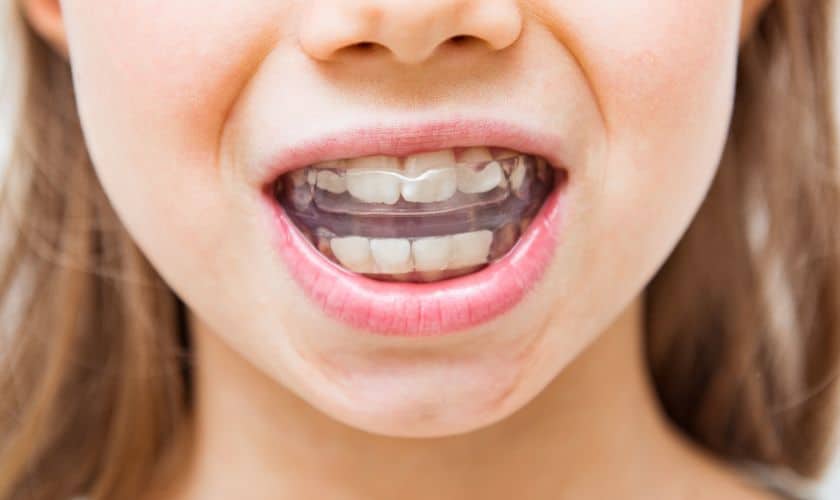
Retainers: After completing orthodontic treatment, retainers are used to maintain the newly achieved alignment of teeth. They help prevent teeth from shifting back to their original positions.
Benefits Of Orthodontic Treatment:
Enhanced Aesthetics: Orthodontic treatment can significantly improve the appearance of your smile, boosting your self-confidence and overall facial harmony.
Improved Oral Health: Straight teeth are easier to clean and maintain, reducing the risk of tooth decay, gum disease, and other oral health issues. Properly aligned bite also alleviate excessive stress on teeth, gums, and the jaw joint (TMJ).
Functional Advantages: Orthodontic treatment improves biting and chewing efficiency, speech clarity, and overall oral function.
Timing and Duration of Orthodontic Treatment:
- Timing: Orthodontic treatment is most commonly initiated during childhood or adolescence when the teeth and jaws are still developing. However, it is never too late to seek orthodontic intervention, as adults can also benefit from treatment.
- Duration: The duration of orthodontic treatment varies depending on the complexity of the case, the chosen treatment method, and the patient’s individual response to treatment. On average, treatment can range from several months to a few years.
The Bottom Line:
Orthodontic treatment holds the power to transform smiles, improve oral health, and boost self-confidence. Whether you or your child are dealing with crooked teeth, misaligned bites, or other orthodontic issues, consulting with an orthodontist will help unveil the most suitable treatment options. Embrace the power of orthodontics, say goodbye to crooked teeth, and unlock a beautiful and healthy smile that will positively impact your life for years to come.
by 110 Dental & Orthodontics | May 17, 2023 | Orthodontics
Welcome to the world of orthodontics! If you’re reading this, chances are you or someone you know is seeking early treatment for misaligned teeth and jaws. But with so many different types of appliances available, how do you choose which one is right for your needs? In this blog post, So sit back, relax and let’s dive into the fascinating world of orthodontia!
Appliances Used In The Early Treatment of Orthodontic
Early treatment of orthodontic involves the use of various appliances to correct dental and jaw misalignment issues. One such appliance is the traditional metal braces which are made up of brackets, wires and elastic bands. Though they may seem bulky and uncomfortable, they remain one of the most effective treatments for correcting severe malocclusions.
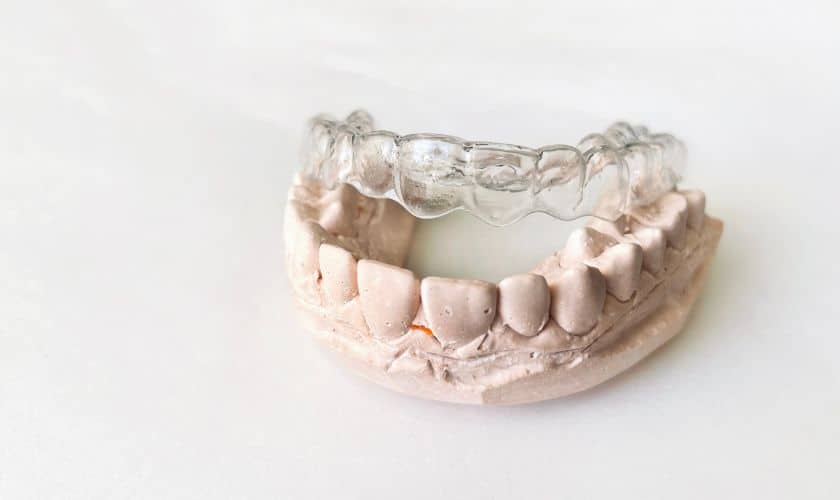
Another appliance commonly used in early treatment is clear aligners such as Invisalign. These are a great option for people who want a more discreet orthodontic experience since they’re nearly invisible when worn. They work by gradually shifting teeth into alignment using removable plastic trays that need to be changed every few weeks.
For patients with severe bite problems or jaw discrepancies, headgear may be recommended as part of their treatment plan. Headgear applies pressure to the upper teeth and jaws from outside the mouth through straps attached to a metal wire placed inside braces.
Palate expanders can also be prescribed in cases where there’s insufficient space in your child’s mouth for all their adult teeth. The expander works by gradually widening your child’s upper jaw over time using small screws placed on either side of their palate.
Numerous appliances exist for treating early orthodontic issues depending on each patient’s individual needs. It’s important to consult with an experienced orthodontist who will advise you on which type is best suited for your specific case!
Advantages And Disadvantages Of Each Appliance
There are several orthodontic appliances that can be used in early treatment. Each of these appliances has its own set of advantages and disadvantages, making them suitable for specific cases.
One of the most common appliances used is braces. Braces consist of metal brackets that are glued to the teeth, connected by a wire that applies pressure to gradually move the teeth into place. The main advantage of braces is their effectiveness in treating complex dental issues. However, they can also cause discomfort and require more maintenance than other options.
Another appliance is clear aligners, which are made from a plastic material custom-made to fit over your teeth like a mouthguard. These aligners offer greater flexibility since they can be removed when eating or brushing your teeth, but may not always work as well for severe dental problems.
Headgear is also sometimes used in early orthodontic treatment to help correct problems with jaw alignment. While effective at addressing certain issues, headgear must be worn regularly and consistently for maximum results.
Each appliance has its benefits and drawbacks depending on individual circumstances. It’s important to discuss all options with an experienced orthodontist before deciding on a course of action for your unique needs.
What To Expect During Treatment With An Orthodontic Appliance
Starting orthodontic treatment can be daunting, but knowing what to expect can help ease any anxiety. During the initial consultation, your orthodontist will evaluate your teeth and discuss treatment options with you. If an appliance is recommended, they will explain the type of appliance that best suits your needs.
Once the appliance is placed, it may take some time to adjust to speaking and eating with it. You may experience some discomfort or soreness as well, which can often be managed with over-the-counter pain relievers.
It’s important to maintain good oral hygiene during this time by brushing and flossing regularly. Your orthodontist may also provide special tools such as interdental brushes or Waterpiks to help you clean between brackets or wires.
Adjustments are typically needed every 4-6 weeks to ensure proper progress is being made. During these appointments, your orthodontist will make any necessary changes or tighten wires in order for teeth to continue shifting into their correct positions.
While there may be some temporary discomfort and adjustments required throughout treatment with an orthodontic appliance, the end result of a beautiful smile makes it all worthwhile!
The Bottom Line
Early treatment can help prevent more serious orthodontic issues from developing in the future. Different appliances are used to correct various orthodontic problems and each appliance has its own advantages and disadvantages. It is important to work closely with your orthodontist to determine which appliance is best suited for your individual needs.
Remember that every patient’s journey with braces or other orthodontic appliances is different, so it is important to have patience during the process. When you follow your orthodontist’s instructions and attend all scheduled appointments, you will be well on your way towards a healthy smile that will last a lifetime.
If you have any questions about early treatment or are interested in learning more about orthodontic appliances, do not hesitate to schedule an appointment with an experienced professional who can guide you through the process.
by 110 Dental & Orthodontics | Apr 19, 2023 | Braces, Invisalign, Orthodontics
Have you ever wished you had straighter teeth? Perhaps you’ve been self-conscious about your smile, or maybe you’ve experienced discomfort due to misaligned teeth. Whatever the reason may be, know that it’s never too late for orthodontic treatment! Many adults are now seeking orthodontic treatment to improve their dental health and enhance their appearance. In this blog post, we’ll explore the different types of orthodontic treatments available for adults, what to expect during treatment, and how to get started on your journey towards a healthier smile.
Orthodontic Treatment For Adults
Orthodontic treatment for adults is becoming increasingly popular, with more and more individuals seeking to improve their dental health and enhance the appearance of their smile. Unlike children, adult orthodontic patients often have fully developed jaws and facial bones that can make treatment a bit more challenging but still possible.
There are many reasons why an adult may choose to undergo orthodontic treatment. For some, it may be purely cosmetic – they want straighter teeth or a brighter smile. Others may experience discomfort due to misaligned teeth, such as difficulty chewing or speaking properly. The good news is that there are several types of orthodontic treatments available for adults. Traditional braces using metal brackets and wires remain a popular option in certain cases. However, clear aligners like Invisalign have gained popularity in recent years since they’re nearly invisible while being worn.
If you’re an adult considering orthodontic treatment don’t hesitate any longer! Schedule an appointment with your dentist or orthodontist today to discuss your options and start taking steps towards achieving the healthy beautiful smile you’ve always wanted!
Types Of Orthodontic Treatment
There are different types of orthodontic treatment available for adults who want to straighten their teeth. The most common type is traditional braces, which use brackets and wires to move the teeth into proper alignment over time. Another option is clear aligners, such as Invisalign, which are custom-made plastic trays that fit snugly over the teeth and gradually shift them into place.
In addition to these options, there are also lingual braces, which are attached to the back of the teeth instead of the front. This makes them less noticeable but can make it harder to keep them clean. Ceramic braces are another alternative that uses tooth-colored brackets and wires for a more discreet look. For those with more complex dental issues or jaw misalignment problems, surgical orthodontics may be necessary in conjunction with traditional braces or other treatments. Your orthodontist will evaluate your specific needs and recommend the best course of action for you. No matter what type of treatment you choose, it’s important to follow all instructions from your orthodontist and attend regular appointments for adjustments and maintenance throughout your treatment plan.
What To Expect During Orthodontic Treatment
Beginning orthodontic treatment as an adult can feel overwhelming, but understanding what to expect during the process can help ease any anxiety you may have. During your initial consultation with an orthodontist, they will examine your teeth and discuss which type of treatment is best for you. This could involve traditional braces or clear aligners like Invisalign.
Once the treatment plan has been decided upon, you will receive instructions on how to care for your teeth and appliances. It’s important to follow these instructions closely in order to achieve optimal results. Throughout the course of treatment, regular appointments with your orthodontist will be necessary. These appointments allow them to monitor progress and make any necessary adjustments to ensure that everything is going smoothly.
It’s normal to experience some discomfort during this time as teeth shift into their new positions. Over-the-counter pain medication can help manage any soreness or discomfort that arises. Once treatment is complete and appliances are removed, a retainer must be worn in order to maintain the corrected position of your teeth. Following all post-treatment instructions provided by your orthodontist is crucial for maintaining long-term success.
The Bottom Line
Getting orthodontic treatment as an adult is a big decision that can have a significant impact on your oral health and overall confidence. It’s never too late to straighten your teeth and achieve the smile you’ve always wanted!

by 110 Dental & Orthodontics | Apr 10, 2023 | Braces, Invisalign, Orthodontics
Are you tired of dealing with the discomfort and inconvenience of traditional metal braces? Or maybe you’re hesitant to invest in clear aligners like Invisalign without knowing if they really live up to the hype. Well, fear not! Today we’re breaking down the pros and cons of both options so you can make an informed decision about which orthodontic treatment is right for you. Get ready to say goodbye to crooked teeth and hello to a confident smile!
What Are Invisalign And Traditional Braces?
If you’re considering orthodontic treatment to straighten your teeth, you may be wondering whether Invisalign or traditional braces are the better option. Both Invisalign and traditional braces can effectively straighten teeth, but there are some important differences to consider.
Invisalign is a clear aligner system that uses custom-made, removable aligners to gradually move teeth into their desired position. Invisalign is virtually invisible when worn, so many people prefer it for its cosmetic appeal. Traditional braces, on the other hand, use metal brackets and wires affixed to the teeth to achieve the same results. While traditional braces are less conspicuous than they used to be, they are still more visible than Invisalign. Another key difference between Invisalign and traditional braces is that Invisalign aligners can be removed for eating, drinking, brushing, and flossing—making them much more comfortable and convenient than fixed braces. Traditional braces cannot be removed except by a dentist or orthodontist, so they require more careful cleaning and can be more difficult to keep clean.
Finally, Invisalign treatment typically takes less time than traditional braces—sometimes as little as 12 months compared to 24 months or more for metal braces. If you’re looking for a straighter smile without the hassle of metal brackets and wires, Invisalign may be the right choice for you.
Which Is Better For You?
There are many factors to consider when choosing between Invisalign and traditional braces. Here are a few things to keep in mind:
1.Invisalign is nearly invisible, which may be important to you if you’re self-conscious about wearing braces.
2.Invisalign requires you to be more diligent in cleaning your teeth, since aligners can trap food and bacteria.
3.With traditional braces, you’ll have to avoid certain foods that could damage the brackets or wires.
Ultimately, the best option for you depends on your individual needs and preferences. Talk to your orthodontist to learn more about each treatment option and make the best decision for your smile!
Invisalign Or Traditional Braces: Which Is Faster?
If you’re considering Invisalign or traditional braces, one of your main concerns is probably how long treatment will take. After all, no one wants to be in braces for longer than necessary! So, which type of braces is faster?
In general, Invisalign work faster than traditional braces. With Invisalign, the average treatment time is about 12 months. Traditional braces, on the other hand, usually take 18 to 24 months to achieve results.
So, if you’re trying to decide between Invisalign and traditional braces, ask your orthodontist which type of treatment will work best for your individual case.
The Bottom Line
Invisalign and traditional braces are both effective orthodontic treatments for correcting crooked teeth. When it comes to which treatment is better, it depends on the individual’s needs. If you have a specific time frame for getting your teeth straightened, traditional braces may be a better option as they tend to be faster. However, if aesthetics are more important or you don’t want metal brackets in your mouth, then Invisalign might be the way to go. Ultimately, this decision should be made between you and your dentist based on what will give you optimal results in the long run.