by 110 Dental & Orthodontics | Sep 15, 2025 | Emergency Dental Care
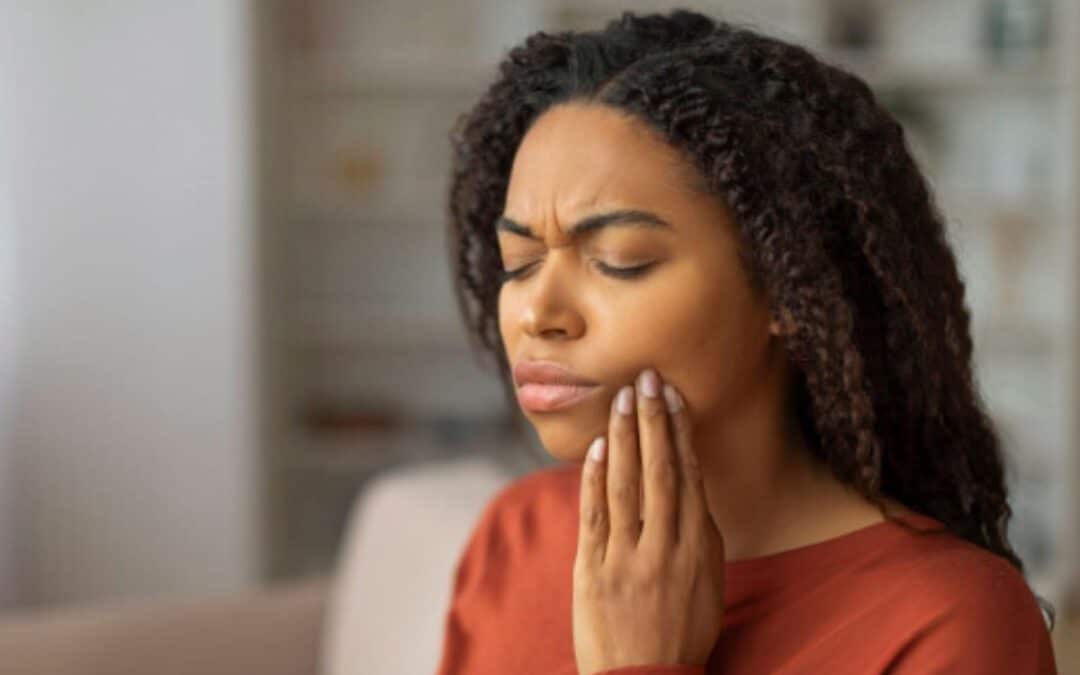
Have you ever felt a sharp, unrelenting pain in your mouth that disrupts your day? It’s more than an annoyance. This could signal a serious issue needing prompt care. Let’s explore why addressing it right away matters for your health.
Understanding an Abscessed Tooth
An abscess forms when bacteria invade the tooth’s inner layers. Pus builds up, creating pressure. This often stems from untreated decay or injury.
What Causes It?
Decay is a top culprit. Cracks let germs in. Past dental work can fail, too. Trauma from accidents plays a role. Poor hygiene speeds the process.
Recognizing the Signs
Pain throbs intensely. Swelling appears in the gums or face. Fever might hit. Lymph nodes enlarge. A bad taste lingers. Sensitivity spikes with hot or cold. Chewing hurts badly. In some cases, issues like broken braces can lead to infections, mimicking symptoms of an orthodontic emergency. Watch for these red flags.
The Risks of Delaying Treatment
Ignoring the problem worsens it. Infection spreads fast. It can reach the jawbone. Sinuses get involved. Brain risks rise in rare cases.
Bone loss occurs over time. Teeth may loosen. Sepsis is a real threat. This blood infection demands hospital care. Heart issues link to oral bacteria. Delaying invites these dangers.
| Complication |
Potential Impact |
Likelihood if Untreated |
| Jawbone Infection |
Bone weakening, possible surgery |
High (over 50% in advanced cases) |
| Sepsis |
Life-threatening systemic response |
Moderate (5-10% without care) |
| Tooth Loss |
Permanent gap, shifting teeth |
Very High (up to 80%) |
| Sinus Issues |
Chronic pain, breathing problems |
Common (30-40%) |
| Heart Complications |
Increased risk of endocarditis |
Low but serious (1-2%) |
Stats show untreated cases often lead to emergencies. Don’t let it escalate.
Treatment Options Available
Drainage relieves pressure first. Antibiotics fight bacteria. Root canals save the tooth. Extraction happens if needed. Follow-up prevents recurrence.
Pain relief comes quick after action. Healing starts soon. Modern methods make it comfortable. Expect a smooth process with skilled pros.
Prevention Strategies for Better Oral Health
Brush twice daily. Floss regularly. Use mouthwash. Visit our emergency dentist in Whitehouse, TX, for checkups. Avoid sugary foods. Protect teeth in sports.
Healthy habits cut risks. Early spots catch issues. Stay vigilant.
Trending FAQs on Abscessed Tooth
Here are common questions people ask on Google about this topic, with clear answers:
- What are the first signs of an abscessed tooth?
Early signs include persistent pain, swelling around the gum, and sensitivity to temperature changes. A pimple-like bump may form on the gum.
- Can an abscessed tooth heal on its own?
No, it won’t resolve without intervention. The infection persists and can spread, requiring professional drainage and antibiotics.
- Is an abscessed tooth considered a dental emergency?
Yes, especially with severe pain, fever, or swelling. Prompt care prevents complications like infection spread.
- How long can you go with an untreated abscessed tooth?
Avoid waiting at all. Symptoms may worsen in days, leading to serious health risks within weeks if ignored.
- What home remedies help with abscessed tooth pain?
Rinse with saltwater for temporary relief. Apply a cold compress to reduce swelling. But these aren’t substitutes for dental treatment.
These address frequent concerns based on search trends.
In East Texas areas like Whitehouse, locals often face these issues due to active lifestyles. Seeking timely help from an emergency dentist in Whitehouse, TX, makes a difference. It ensures quick recovery.
If you are searching for an “emergency dentist near me“, know that expert care is close by. Acting fast eases worries.
Facing this challenge? Reach out today. Call (903)-328-6577 to schedule an appointment. Your smile deserves protection. Stay healthy.
by 110 Dental & Orthodontics | Sep 8, 2025 | Cosmetic Dentistry, Teeth Whitening
Have you noticed your smile losing its youthful sparkle over the years? It’s a subtle shift that many people experience, often leaving them wondering what’s behind it. As we navigate life’s milestones, our teeth tell a story of time passed. But understanding this process can empower you to take steps toward a brighter, more confident grin. Let’s dive into the science and solutions that keep your smile shining.
Understanding Tooth Structure Basics
Teeth have layers that work together. The outer layer is enamel, hard and protective. Beneath it lies dentin, softer and yellowish. Pulp sits at the center, housing nerves and blood vessels.
Enamel acts as a shield. It blocks stains and keeps teeth white. Dentin provides support but shows color when exposed.
Over time, these layers change. Daily wear affects them differently. Knowing this helps explain color shifts.
The Role of Enamel in Maintaining Brightness
Enamel is translucent and white. It reflects light for a bright appearance. But it’s not invincible.
Acids from food erode it slowly. Brushing too hard wears it down. These habits thin the layer.
Thinner enamel reveals dentin below. This makes teeth look duller. Genetics play a part too. Some people start with thinner enamel.
How Age Contributes to Enamel Thinning
Aging naturally thins enamel. Years of chewing create micro-wear. Acidic drinks speed this up.
By middle age, many notice changes. Dentin thickens as we grow older. It darkens from internal shifts.
Studies show color changes peak after 50. Teeth become less translucent. This leads to a yellowish tint.
Lifestyle adds to it. Coffee, tea, and wine leave pigments. Smoking accelerates darkening.
External Factors That Accelerate Darkening
- Food and drinks stain surfaces. Berries, soy sauce, and curry cling to enamel. Regular exposure builds up.
- Tobacco products cause deep stains. They penetrate layers over time.
- Medications like antibiotics affect color. Some cause intrinsic discoloration from within.
- Dental trauma darkens teeth, too. Injuries damage pulp, leading to gray tones.
- Poor oral hygiene lets plaque build up. This traps stains and worsens the issue.
Preventive Measures for a Lasting Bright Smile
- Brush twice daily with fluoride toothpaste. It strengthens enamel against wear.
- Floss to remove debris. This prevents stain buildup between teeth.
- Limit staining foods. Rinse your mouth after consuming them.
- Use a straw for dark drinks. It minimizes contact with teeth.
- Regular dental checkups catch issues early. Cleanings remove surface stains effectively.
Trending FAQs on Aging and Tooth Darkening
Many people search for answers on this topic. Here are some frequently asked questions based on common online queries, with straightforward responses:
- Why do teeth turn yellow as you age?
Enamel thins naturally, exposing the yellowish dentin underneath. Accumulated stains from daily habits intensify this.
- Can you prevent teeth from darkening with age?
Yes, by maintaining good oral hygiene, limiting staining foods, and getting professional cleanings. Protective sealants can help, too.
- What foods cause teeth to stain the most?
Dark beverages like coffee and red wine, plus foods such as berries, tomato sauce, and balsamic vinegar are top culprits.
- Is tooth discoloration reversible?
Surface stains often are, through whitening treatments. Deeper changes may need professional options like veneers.
- How does enamel thinning affect tooth color overall?
It reduces the white outer layer, making the dentin more visible and giving teeth a darker appearance.
These address key concerns and offer quick insights.
Statistics on Tooth Discoloration
Here’s a quick look at some relevant data on how discoloration affects people as they age:
| Age Group |
Percentage with Noticeable Discoloration |
Common Cause |
| 20-30 |
15-20% |
Extrinsic stains from diet |
| 31-50 |
30-40% |
Enamel wear and lifestyle factors |
| 51+ |
50-60% |
Intrinsic changes and dentin exposure |
These figures highlight the progressive nature of the issue, drawn from dental health surveys.
If you’re in the area and looking for effective solutions, consider teeth whitening in Whitehouse, TX. Local providers offer tailored treatments that fit busy lifestyles.
Exploring Gentle Brightening Methods
- Over-the-counter kits provide at-home convenience. They use gels to lift stains gradually.
- Professional in-office sessions deliver faster results. They employ stronger agents under supervision.
- Natural remedies like baking soda help mildly. Mix it with water for a gentle scrub.
- Always consult a dentist first. They ensure methods suit your teeth.
Safe teeth whitening options include those with ADA approval. They minimize sensitivity while brightening effectively.
Lifestyle Tips to Combat Darkening
- Stay hydrated. Water washes away food particles.
- Chew sugar-free gum. It boosts saliva to neutralize acids.
- Incorporate crunchy veggies. They naturally clean teeth.
- Quit smoking if applicable. It halts further staining.
- Protect teeth from injury. Use mouthguards during sports.
These habits slow the process. They promote overall oral health.
When to Seek Professional Advice
Notice sudden color changes? It might signal issues.
Persistent stains despite efforts warrant a visit.
Dentists assess underlying causes. They recommend personalized plans.
Early intervention preserves your smile. It boosts confidence, too.
If you are searching for a “cosmetic dentist near me” in Whitehouse, TX, you’re taking a smart step toward revitalizing your grin. Local experts understand regional needs and offer welcoming consultations.
Your smile evolves, but it doesn’t have to dim. Embrace these insights to keep it vibrant. Ready to brighten up? Call (903) 328-6577 to schedule an appointment today.
by 110 Dental & Orthodontics | Aug 27, 2025 | Dental Implants
Have you ever wondered why some people breeze through dental procedures while others hit unexpected roadblocks? Implants can restore confidence and function, but not everyone qualifies right away. Hidden health issues often play a sneaky role, catching patients off guard. This post dives into those lesser-known factors. We’ll explore what might stand in your way and how to address them. By understanding these, you can make informed choices about your smile. Stick around for practical tips and expert insights that could change your approach.
Understanding Dental Implant Basics
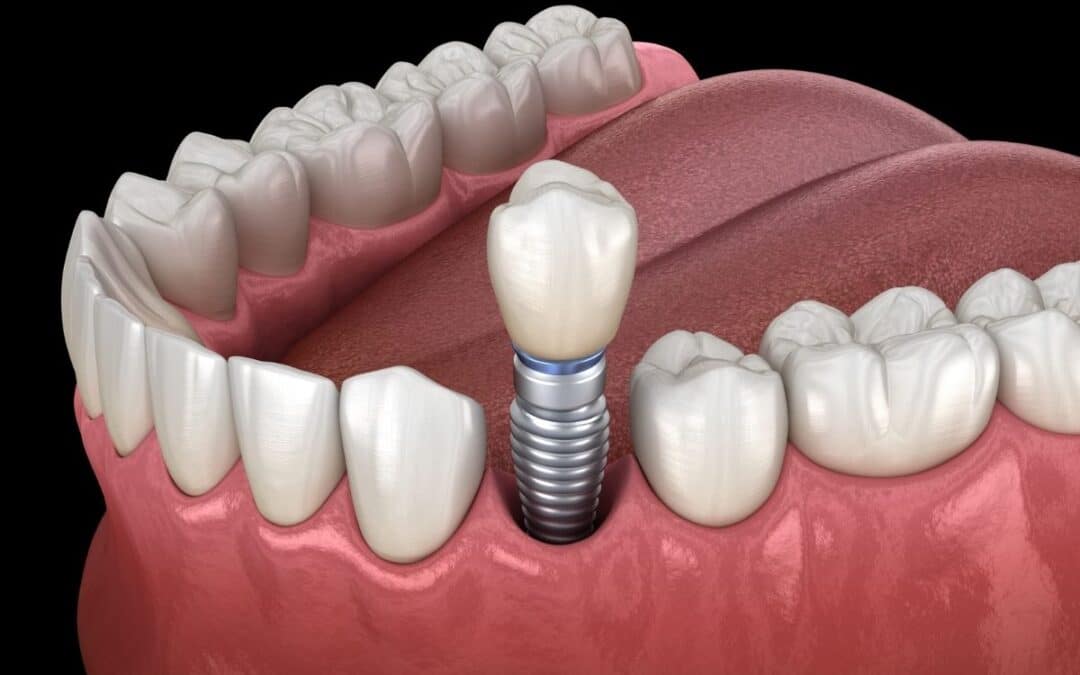
Dental implants replace missing teeth with sturdy, artificial roots. They fuse to your jawbone for lasting support. Success depends on your body’s ability to heal and integrate the implant. Many assume they’re ideal candidates, but subtle issues can arise. A thorough evaluation uncovers these early.
Doctors check overall health first. Strong gums and bones form the foundation. Without them, implants may fail. Lifestyle habits matter too. Regular checkups help spot problems before they worsen.
Key Eligibility Criteria for Implants
Good candidates have healthy mouths. No active infections or decay. Jawbone must be dense enough to hold the implant. Age plays a part, but adults of most ages qualify if fit.
Commitment to aftercare is vital. Follow-up visits ensure everything heals right. Patients who maintain hygiene see better results.
Hidden Health Factors That May Disqualify You
Certain conditions quietly sabotage implant success. They impair healing or weaken bones. Knowing them helps you prepare.
Uncontrolled Diabetes
High blood sugar slows recovery. It raises infection risk. Well-managed diabetes often allows implants, but poor control disqualifies many. Regular monitoring keeps options open.
Smoking and Tobacco Use
Nicotine restricts blood flow. This hinders bone fusion. Smokers face higher failure rates. Quitting boosts chances significantly.
Gum Disease
Inflamed gums erode bone support. Untreated periodontitis blocks eligibility. Treatment clears the path for implants.
In areas like dental implants in Whitehouse, TX, local experts emphasize gum health during consultations.
Insufficient Bone Density
Thin jawbones can’t anchor implants. Causes include aging or tooth loss. Bone grafts may resolve this, but severe cases need alternatives.
Autoimmune Disorders
These attack healthy tissues. They disrupt integration. Stable conditions might work, but flare-ups pose risks.
Medications for these can suppress immunity, complicating healing.
Heart Conditions and Other Illnesses
Severe heart issues require caution. Blood thinners affect surgery. Cancer treatments like radiation weaken jaws. Discuss history with your doctor.
Osteoporosis meds, such as bisphosphonates, link to bone healing problems.
Recognizing Potential Issues Early
Pay attention to your body. Persistent swelling or pain signals trouble. Fatigue or slow-healing wounds hint at deeper problems.
Learn to spot implant warning signs like unusual bleeding or loose teeth. Early detection prevents disqualification.
Address habits now. Improve diet for better bone health. Exercise supports overall recovery.
Stats on Implant Success and Risks
Here’s a quick look at key statistics. These show how health factors impact outcomes.
| Health Factor |
Estimated Failure Rate Increase |
Source Notes |
| Smoking |
2-3 times higher |
Studies show 10-20% failure vs. 5% in non-smokers |
| Uncontrolled Diabetes |
Up to 15% failure |
Linked to poor healing in 5-10% of cases |
| Gum Disease |
20-30% risk boost |
Common cause in early failures |
| Low Bone Density |
10-15% complication rate |
Often requires grafts |
| Autoimmune Issues |
Variable, up to 25% |
Depends on disease control |
These numbers highlight why screening matters. Success rates overall hit 90-98% with proper health.
Trending FAQs on the Topic
Patients often search for clarity. Here are common questions from online trends, with straightforward answers.
- What medical conditions prevent dental implants?
Uncontrolled diabetes, autoimmune diseases, and severe heart issues top the list. They impair healing or raise infection risks.
- Can smokers get dental implants?
Yes, but success drops. Quitting for weeks before surgery helps. Long-term abstinence improves outcomes.
- Is age a factor for dental implant eligibility?
Not strictly. Teens may wait for jaw growth. Seniors qualify if healthy overall.
- How does gum disease affect implant candidacy?
It erodes bone support. Treatment must come first to ensure stability.
- What if I have low bone density?
Bone grafts often fix this. Evaluation determines if it’s feasible.
These address frequent concerns. Always consult a professional for personal advice.
Steps to Improve Your Candidacy
- Boost your odds with simple changes. Control chronic conditions through meds and lifestyle. Quit harmful habits early.
- Build bone health with calcium-rich foods. Exercise strengthens your frame.
- Regular dental visits catch issues fast. Cleanings maintain gum vitality.
- If you are searching for a dentist near you serving in Whitehouse, TX, consider one focused on comprehensive evaluations.
- Stay proactive. Track symptoms and discuss them openly.
Implants transform lives when conditions align. Don’t let hidden factors surprise you. Schedule a checkup to explore your options. Call 903-328-6577 today for an appointment. Your brighter smile awaits with the right preparation.
by 110 Dental & Orthodontics | Aug 20, 2025 | Cosmetic Dentistry
Many folks dream of a brighter, straighter smile. Yet, teeth grinding often raises doubts about cosmetic fixes. This post dives into whether veneers are suitable for those with bruxism. We’ll cover basics, risks, and smart steps forward. Stick around for helpful tips.
Understanding Bruxism
Bruxism means grinding or clenching teeth. It happens during sleep or awake times. Stress, sleep issues, or misaligned bites often trigger it. Over time, it wears down enamel. This leads to sensitivity or cracks. In Whitehouse, TX, locals face similar stressors as anywhere. Spotting signs early helps. Jaw pain or headaches signal trouble. Dentists check for flattened teeth or tight muscles.
What Are Dental Veneers?
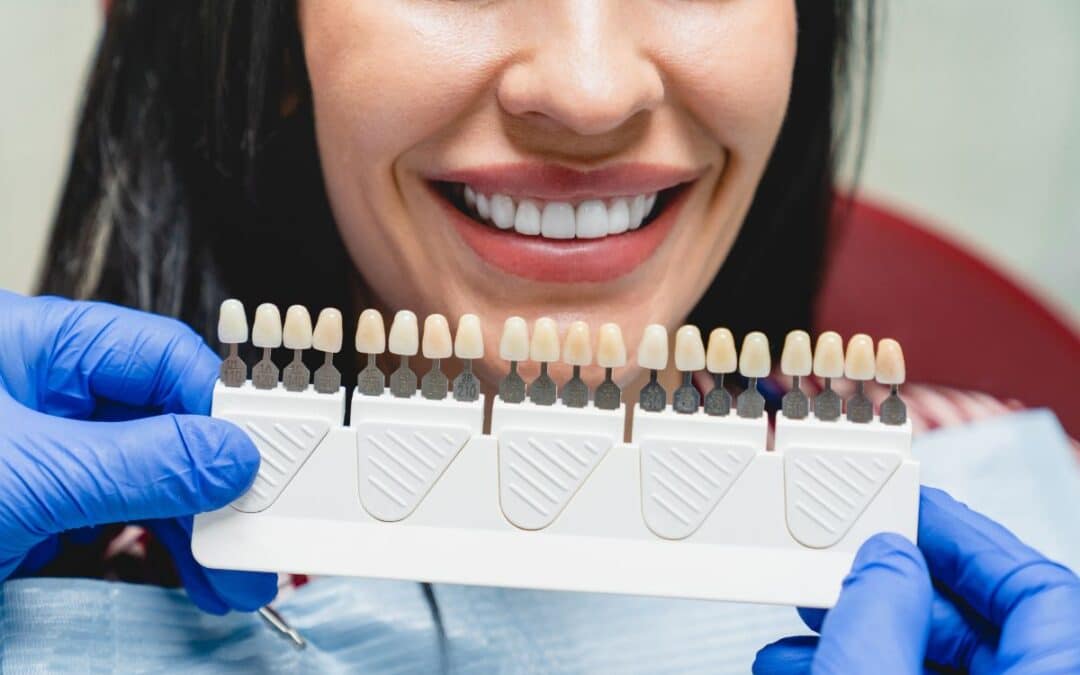
Veneers are thin shells bonded to teeth. They hide chips, stains, or gaps. Made from porcelain or composite, they mimic natural looks. The process involves minor enamel removal. Then, custom fits get placed. Results last year with care. People choose them for quick smile boosts.
The Link Between Bruxism and Veneers
Grinding puts heavy force on teeth. Normal chewing uses 20-40 pounds. Bruxism ramps that to hundreds. Veneers might chip or crack under stress. Studies show lower success without protection. One report notes 60% survival in grinders. Yet, many succeed with safeguards. Dentists assess severity first.
Can Veneers Work for You?
Yes, often with planning. Mild cases allow veneers if managed. Severe grinding needs addressing first. Night guards shield during sleep. These custom devices absorb force. A study found only 1.1% failure with splints. In areas like Whitehouse, TX, patients report good outcomes. Always consult pros for tailored advice.
Dental veneers in Whitehouse, TX, offer locals a way to restore worn smiles from grinding.
Managing Bruxism Before Veneers
Control grinding first. Stress reduction helps. Try yoga or therapy. Bite adjustments fix alignment. Botox relaxes jaw muscles in tough cases. Regular check-ups monitor progress. Once stable, veneers become viable. This approach boosts longevity.
Alternatives to Veneers for Grinders
If veneers seem risky, consider crowns. They cover the whole tooth for more strength. Bonding repairs minor wear. Orthodontics straightens bites to cut grinding. Invisalign works well for mild issues. Each option suits different needs. Discuss with your dentist.
A local cosmetic dentist can guide you through choices based on your habits.
Trending FAQs on Veneers and Bruxism
People often search for quick answers on this topic. Here are some frequently asked questions from online trends, with clear replies:
- Can veneers fix teeth worn down from grinding?
Yes, they restore shape and look. But treat bruxism first to avoid new damage.
- Do night guards protect veneers from bruxism?
Absolutely. Custom guards worn at night prevent grinding forces from harming veneers.
- Are there special veneers for people who grind their teeth?
Porcelain ones are durable. Some dentists use stronger materials for bruxers.
- What happens if I start grinding after getting veneers?
It could cause chips. See your dentist right away for a protective splint.
- Is bruxism a deal-breaker for veneers?
Not always. Many patients succeed with proper management and follow-up care.
Key Statistics on Bruxism and Veneers
Bruxism affects many. Check this table for quick facts:
| Aspect |
Statistic |
| Adult prevalence |
10-15% grind regularly |
| Force during grinding |
Up to hundreds of pounds |
| Veneer success overall |
91% over 20 years |
| Success with bruxism |
Drops to 60% without guards |
| With a protective splint |
98.9% success rate |
These numbers highlight why protection matters.
If you are searching for a cosmetic dentist near you serving in Whitehouse, TX, options abound for personalized care.
Wrapping Up
Teeth grinding doesn’t have to block your smile goals. With the right steps, veneers can transform looks. Stay informed and proactive. Ready for the next moves? Call 903-328-6577 to schedule an appointment today.
by 110 Dental & Orthodontics | Aug 13, 2025 | Root Canal Therapy
Have you ever bitten into something and felt a sharp pain in your tooth that comes and goes? It might be more than just sensitivity. This could be a sign of cracked tooth syndrome, a condition that often flies under the radar but can lead to serious dental issues if ignored. Many people brush it off as minor discomfort. Yet, it sneaks up and causes bigger problems. In this post, we’ll dive into what it is, why it happens, and how to handle it. Stick around for tips that could save your smile.
What is Cracked Tooth Syndrome?
Cracked tooth syndrome involves an incomplete fracture in a tooth. It often affects molars. The crack starts small and may not show on X-rays. Over time, it worsens with daily use. This makes it hard to spot early. Unlike a full break, it hides below the surface. It can involve the enamel, dentin, or even reach the pulp. Local dentists see this often in adults over 40. Grinding or clenching speeds it up. If untreated, it leads to infection.
The syndrome earns its “sneaky” label for good reason. Pain appears inconsistent. You might feel fine one day and ache the next. Bacteria can enter the crack. This sparks inflammation inside the tooth. Pulp damage follows. That’s when things get serious. Early awareness helps. Knowing the basics empowers you to act fast.
Common Causes of Cracked Tooth Syndrome
Several factors trigger cracked tooth syndrome. Chewing hard foods like nuts or ice is a big one. Large fillings weaken teeth over time. They expand and contract, creating stress. Teeth grinding, or bruxism, adds pressure. Trauma from accidents or sports plays a role too. Age matters as well. Teeth become brittle with years of wear.
In areas like East Texas, locals often report issues from habits like chewing on pens. Restorations from past procedures can contribute. Weakened structure invites cracks. Even temperature changes stress teeth. Hot coffee followed by cold water? That can do it. Avoiding these risks lowers chances. Simple changes make a difference.
Recognizing the Symptoms
Symptoms of cracked tooth syndrome vary. Sharp pain when biting is common. It often hits on release. Sensitivity to hot, cold, or sweet foods signals trouble. Swelling around the gum may appear. Some feel pain that radiates to the jaw. It mimics other issues like sinus problems.
Pain comes and goes, frustrating many. You might notice it more with certain foods. Chewy items worsen it. If the crack deepens, constant ache sets in. Infection brings fever or bad taste. Don’t ignore these signs. They point to deeper damage. Tracking when pain occurs helps during visits.
How Dentists Diagnose Cracked Tooth Syndrome
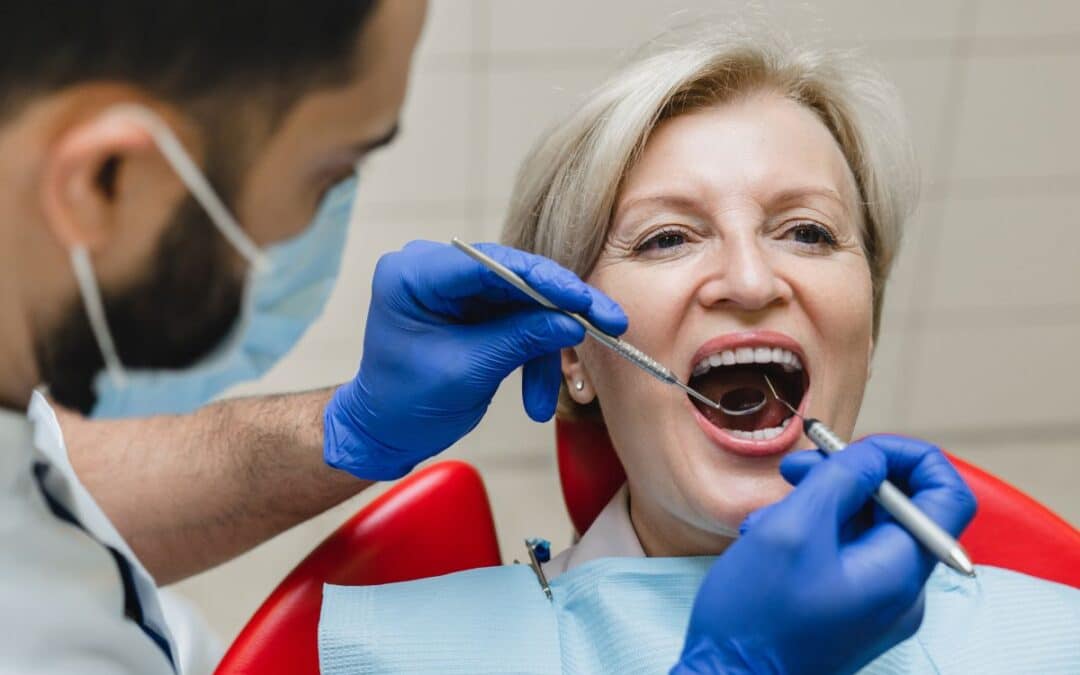
Diagnosis starts with your history. Tell about pain patterns. Visual checks follow. Dentists look for lines on the tooth. They use tools to highlight cracks. Transillumination shines light through the tooth. It reveals hidden fractures. Bite tests involve chewing on a stick. Pain pinpoints the spot.
X-rays help but may miss small cracks. Advanced imaging like CBCT scans shows more. Dye tests stain the fracture for visibility. These methods confirm the issue. Patience is key during exams. Accurate diagnosis guides treatment. Local practices emphasize thorough checks to catch it early.
Dentists rely on various types of dental exams to uncover these sneaky cracks. Combining them ensures nothing slips by.
The Connection to Root Canal Procedures
Cracked tooth syndrome often leads to root canals. Why? The crack allows bacteria in. This infects the pulp. Inflammation builds. Pain intensifies. Without action, abscess forms. Root canals remove the infected part. They clean the canal and seal it. This saves the tooth.
Studies show many root canals stem from untreated cracks. Survival rates post-treatment reach up to 100%. It preserves natural structure. Alternatives like extraction mean more work later. Understanding this link motivates quick care.
If the fracture extends deep, root canal therapy in Whitehouse, TX, becomes essential. It relieves pain and prevents spread.
Treatment Options for Cracked Tooth Syndrome
Treatment depends on crack severity. Minor ones get bonding. It seals the fracture. Crowns cover and protect larger cracks. They distribute force evenly. If pulp is involved, endodontic care follows. This involves cleaning the inner chamber.
In severe cases, extraction is needed. But saving the tooth is priority. Follow-up includes a crown for strength. Healing takes time. Soft foods aid recovery. Regular check-ups monitor progress. Options focus on function and comfort.
Prevention Tips to Avoid Cracked Tooth Syndrome
Preventing cracked tooth syndrome is straightforward. Wear a mouthguard for grinding. Avoid hard foods. Skip ice chewing. Get regular cleanings. They spot early wear.
Custom night guards help bruxism sufferers. Strengthen teeth with fluoride. Stay hydrated to avoid dry mouth. Address large fillings promptly. These steps reduce risks. Healthy habits pay off long-term.
Key Statistics on Cracked Tooth Syndrome
Here’s a quick look at some eye-opening stats. They highlight why awareness matters.
| Statistic |
Value |
Source Insight |
| Prevalence in dental patients |
Nearly 70% have at least one cracked posterior tooth |
Common in adults, often asymptomatic |
| Symptomatic cases |
21% of cracked teeth cause pain |
Leads to frequent dental visits |
| Most affected tooth |
Lower second molar |
Due to biting forces |
| Survival rate after root canal |
75.8% to 100% |
High success with proper care |
| Incidence trend |
Increased over the last decade |
Linked to aging populations and habits |
These numbers show cracks are widespread. Early intervention boosts outcomes.
Trending FAQs on Cracked Tooth Syndrome
People often search for answers on this topic. Here are some trending FAQs based on common Google queries, with clear responses.
- What are the symptoms of cracked tooth syndrome? Sharp pain on biting or releasing is key. Sensitivity to temperatures or sweets follows. Pain may come and go.
- Can a cracked tooth heal on its own? No, cracks don’t self-repair. They worsen over time. Professional treatment is essential to prevent infection.
- How is cracked tooth syndrome diagnosed? Through history, visual exams, bite tests, and imaging. Advanced tools like transillumination help spot hidden fractures.
- What happens if you leave a cracked tooth untreated? Infection spreads. This leads to abscess, severe pain, or tooth loss. Prompt care avoids complications.
- Is cracked tooth syndrome serious? Yes, if ignored. It can cause pulp damage and need extensive procedures. Early detection keeps it manageable.
These address top concerns. They guide readers toward informed decisions.
If you’re dealing with unexplained tooth pain, it could be this hidden issue at work. Taking steps now protects your oral health. Remember, a healthy smile boosts confidence. Don’t let a small crack turn into a big problem. Reach out to a dentist near you in Whitehouse, TX, today. Call (903) 328-6577 to schedule an appointment and get the care you need.