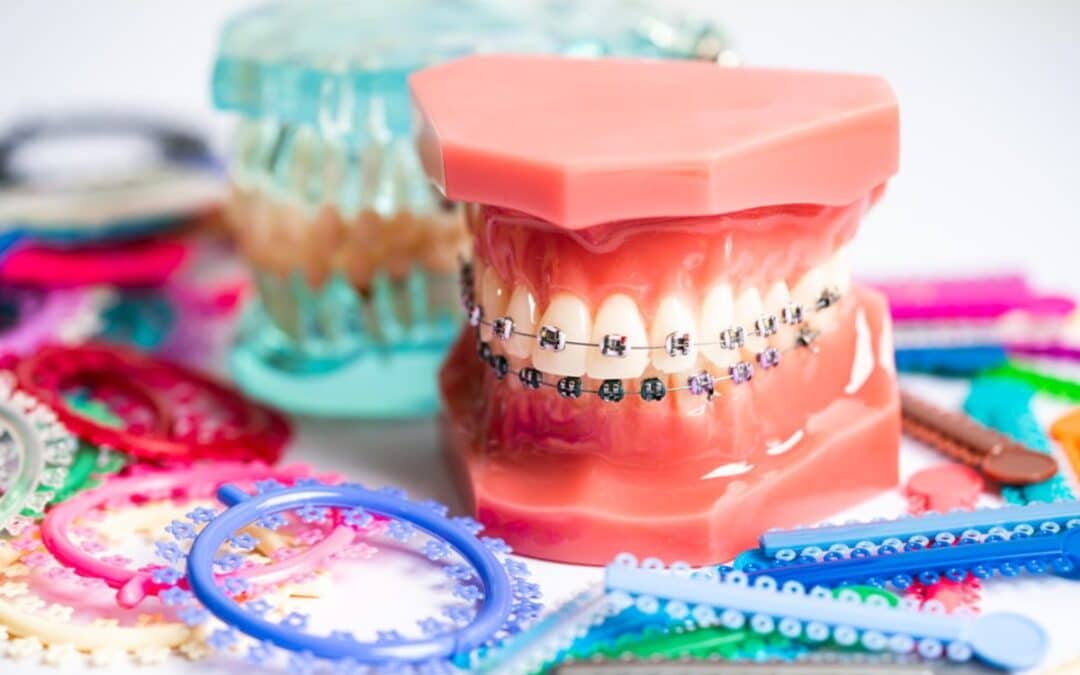
Orthodontic treatment is a journey toward a straighter, healthier smile, but sometimes unexpected issues arise. While minor discomfort is normal with braces or aligners, certain problems require urgent attention. Knowing the symptoms of an orthodontic emergency can help you act quickly and prevent further complications. If you ever find yourself in severe pain or dealing with a broken orthodontic appliance, reaching out to an emergency dentist can make all the difference.
What Is an Orthodontic Emergency?
An orthodontic emergency is any situation involving braces, aligners, or other orthodontic appliances that cause significant pain, difficulty in daily functions, or a risk of injury. While not every issue requires immediate professional intervention, some symptoms should never be ignored.
Common orthodontic emergencies include:
- Severe pain or discomfort that doesn’t go away
- Broken brackets or wires that cause irritation
- Swelling, infection, or abscesses in the mouth
- Difficulty eating, speaking, or breathing due to orthodontic devices
Recognizing the signs of an emergency can help you take quick action to protect your teeth and oral health.
Key Symptoms of an Orthodontic Emergency
1. Severe or Persistent Pain
Mild soreness is normal when wearing braces or aligners, especially after an adjustment. However, if you experience intense pain that doesn’t subside with over-the-counter pain relievers, it could indicate a serious issue. Possible causes include:
- A misaligned appliance putting pressure on teeth and gums
- An infection developing beneath the gums
- A broken wire or bracket causing injury inside the mouth
If the pain is unbearable or lasts more than a couple of days, seeking help from an emergency dentist in Whitehouse is essential.
2. Broken Brackets or Protruding Wires
Brackets and wires are crucial for guiding teeth into alignment. If a bracket becomes loose or completely detaches, it can delay treatment and cause irritation. A broken or protruding wire can also lead to painful cuts or sores inside the mouth. While orthodontic wax can provide temporary relief, professional repair is necessary as soon as possible.
3. Swelling, Infections, or Abscesses
Swelling, pus, or a persistent fever can indicate a serious infection, which should never be ignored. Common causes include:
- Food trapped around braces leads to bacterial buildup
- A damaged appliance causing irritation and infection
- A pre-existing dental issue that worsens due to orthodontic treatment
If you notice signs of infection, it’s important to see a dentist immediately to prevent further complications.
4. Difficulty Eating, Speaking, or Breathing
Orthodontic appliances should never interfere with essential functions like eating, speaking, or breathing. If you find it difficult to chew food, close your mouth properly, or breathe comfortably, you may be dealing with an improperly fitted appliance. This requires urgent evaluation by an orthodontist to prevent further issues.
5. Sores or Ulcers That Won’t Heal
Braces can sometimes cause minor sores inside the mouth. However, if you develop large, painful ulcers that don’t heal within two weeks, this could be a sign of excessive friction from the appliance or an allergic reaction. If the discomfort persists, it’s best to consult a professional.
What to Do in an Orthodontic Emergency
If you suspect an orthodontic emergency, follow these steps to minimize discomfort and prevent further damage:
- Assess the severity: If you’re experiencing extreme pain, bleeding, or breathing issues, seek emergency dental care immediately.
- Use orthodontic wax: If a bracket or wire is irritating your mouth, covering it with wax can provide temporary relief.
- Take pain relievers: Over-the-counter medications like ibuprofen can help manage pain while you wait for professional care.
- Rinse with salt water: This can help reduce swelling and prevent infection if there’s an open wound in your mouth.
- Call your orthodontist: If the issue isn’t life-threatening but still concerning, schedule an appointment as soon as possible.
Conclusion
While orthodontic treatment is designed to improve your smile, emergencies can happen. Severe pain, broken appliances, infections, or difficulty eating and breathing are signs that require immediate attention. If you experience any of these symptoms, don’t hesitate to seek professional help. Consulting an orthodontist in Whitehouse can ensure your treatment stays on track while keeping your oral health in check. Remember, taking quick action in an orthodontic emergency can prevent long-term complications and help you maintain a healthy, confident smile.